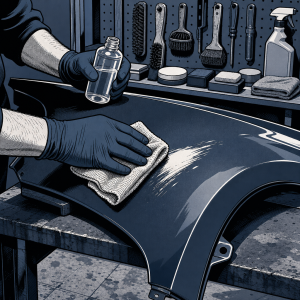
How to Handle Minor Collision Damage: A Technician’s Guide to Paint Transfer and Body Repairs
Minor parking lot incidents and low-speed collisions are among the most common vehicle damage scenarios techs encounter. Whether it’s a bollard strike, cart impact, or wildlife collision, knowing how to properly assess damage and determine repair feasibility saves time and sets realistic customer expectations.
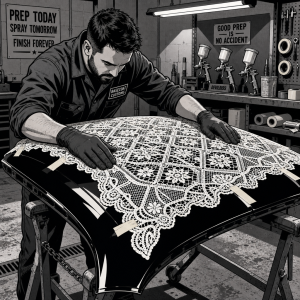
How to Apply Lace Pattern Paint Effects to Automotive Panels
Lace pattern paint effects create intricate, detailed custom finishes that can transform any automotive panel. This technique uses common fabric store materials and basic spray equipment to achieve professional results that typically require 16+ hours for full vehicle coverage.
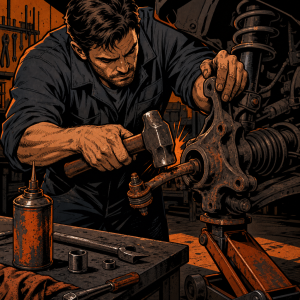
How to Remove a Seized Tie Rod End: Rust Belt Technician’s Guide
Removing a seized tie rod end is one of the most common challenges facing technicians in rust belt states. Whether the taper is frozen solid, the threads are corroded, or the nut has rounded off completely, this guide covers the proven techniques professional mechanics use to extract stubborn tie rod ends without damaging the steering knuckle.
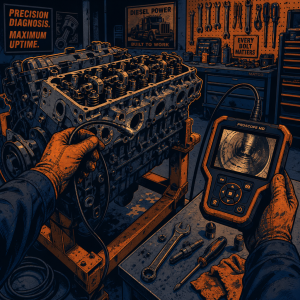
When to Leave Heavy Duty Mechanics: Exit Strategies for Burned-Out Technicians
Many skilled heavy duty technicians hit a wall in their late 20s or early 30s, feeling trapped by golden handcuffs of good pay and benefits. This guide walks you through recognizing burnout versus career dissatisfaction, exploring realistic exit paths, and making strategic moves without destroying your financial stability.
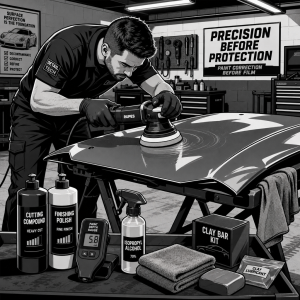
Paint Correction Before PPF: Why Proper Prep Prevents Protection Film Failures
Paint protection film only works when applied over properly corrected paint. When installers skip paint correction, PPF locks in swirl marks, scratches, and defects permanently. Here’s how to verify the work was done right and what to do when it wasn’t.
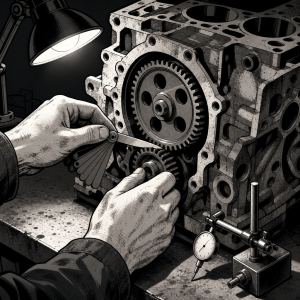
Gear-Driven vs Chain-Driven Timing Systems: What Technicians Need to Know
Gear-driven timing systems offer exceptional reliability and longevity, particularly in heavy-duty diesel applications where engines routinely exceed a million miles. However, noise, manufacturing costs, and tight machining tolerances have pushed most automotive manufacturers toward chain and belt systems for modern passenger vehicles.
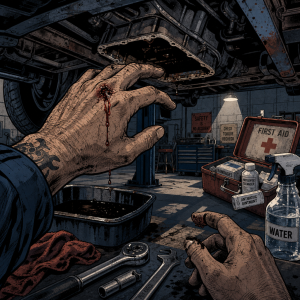
Hand Injury Prevention for Automotive Technicians: Protecting Your Career from Cuts and Infections
Hand injuries represent one of the most serious occupational hazards for automotive technicians, with infections from seemingly minor cuts potentially leading to permanent damage or amputation. This guide covers essential prevention strategies, immediate wound care protocols, and practical adaptations for technicians working with compromised hand function.
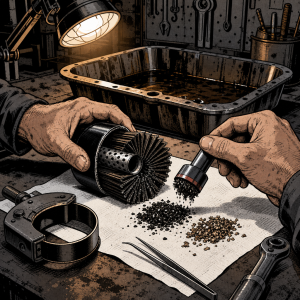
Metal in the Oil Pan or Filter: A Technician’s Guide to Diagnosing the Cause
Metal debris in an oil pan or filter is one of the most alarming things a technician can find during a routine service. This guide walks through how to properly inspect the filter, differentiate break-in debris from active bearing or timing chain failure, and decide whether the engine is salvageable.
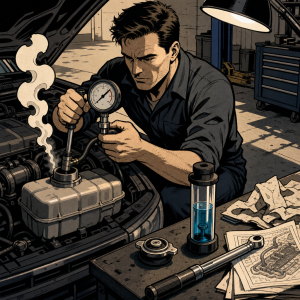
Diagnosing Coolant Reservoir Bubbling: Head Gasket or Simple Fix?
When you see your coolant reservoir bubbling and boiling over, it’s natural to fear the worst. While a blown head gasket is a common culprit, several other issues can cause identical symptoms—and some are far cheaper to fix.
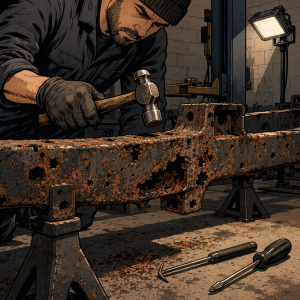
How to Assess and Repair Severe Frame Rust on Tacomas: A Technician’s Reality Check
Severe frame rust on second-generation Tacomas presents tough repair-or-replace decisions. This guide covers proper assessment techniques, available repair options, and the economic realities technicians face when customers bring in heavily corroded frames that may be beyond economical repair.


Follow us on social media