
Hand injuries are an occupational reality in automotive repair, but the difference between a minor inconvenience and a career-ending injury often comes down to how you respond in the first few minutes after a cut occurs. While the industry has historically treated cuts, scrapes, and abrasions as inevitable badges of honor, modern understanding of infection pathways reveals that even small wounds can lead to serious complications including amputation when contaminated by the oils, fluids, and bacteria common in automotive environments. This guide provides practical, technician-focused strategies for preventing hand injuries, managing wounds when they occur, and adapting your work methods to maintain a long career in the trade.
Understanding the Real Risk: Why Shop Cuts Become Serious Infections
The automotive shop environment creates a perfect storm for wound infections. Unlike office paper cuts that heal uneventfully, shop injuries expose tissue to petroleum products, metal particles, old fluids containing bacterial growth, and countless other contaminants. The deeper the cut, the more dangerous it becomes—not because of blood loss, but because infections can establish themselves in tissue layers that normally remain protected by intact skin.
Finger joints present particular danger because they receive minimal blood flow compared to other areas. When an infection enters a joint space, antibiotics struggle to reach therapeutic concentrations, and the infection can destroy cartilage and bone before treatment becomes effective. This is why a cut over a knuckle demands more immediate attention than a similar wound on your palm or forearm.
Staphylococcus aureus, commonly present in shop environments and on skin, represents the primary culprit in serious hand infections. Once this bacteria gains access to deeper tissue, it can progress from minor discomfort to a surgical emergency within 24-48 hours. Technicians with diabetes face elevated risk, as reduced circulation and immune response allow infections to establish more easily and progress more rapidly.
The progression timeline matters critically. A cut sustained Sunday that feels “a bit sore” Monday morning may already be too advanced for antibiotic treatment alone by Monday afternoon. Once tissue death (necrosis) begins, surgical removal of affected tissue becomes the only option—whether that means losing fingertips, entire fingers, or in severe cases, portions of the hand or forearm.
Essential Hand Protection: Selecting and Using Gloves That Actually Work
The resistance to wearing gloves in automotive work stems from legitimate concerns about dexterity, grip, and the ability to feel what you’re doing. However, modern work gloves have evolved significantly beyond the bulky leather options that justifiably frustrated previous generations of technicians. Selecting appropriate gloves requires matching protection level to task requirements.
For general mechanical work, nitrile-coated work gloves provide chemical resistance, abrasion protection, and reasonable dexterity. The nitrile coating on the palm and fingers resists petroleum products while maintaining enough grip to handle tools and components. These gloves work well for tasks like removing oil pans, changing fluids, or working with greasy suspension components.
Disposable nitrile examination gloves suit precision work requiring maximum sensitivity. While they offer minimal cut or abrasion protection, they create a barrier against fluids and contaminants during diagnostic work, electrical repairs, or any task where you need to feel what you’re touching. Keep several boxes in different sizes and change them frequently as they tear.
Cut-resistant gloves with Kevlar or HPPE (high-performance polyethylene) fibers should be standard equipment when using cutting tools, working with sharp metal edges, or handling broken glass. These gloves significantly reduce laceration injuries, though they won’t prevent heavy equipment from crushing fingers or protect against puncture wounds from sharp, concentrated force.
The key to consistent glove use is keeping multiple types readily accessible. Mount glove boxes directly at your toolbox rather than across the shop. When switching between tasks throughout the day, having the right glove type immediately available eliminates the friction that leads to skipping protection “just this once.”
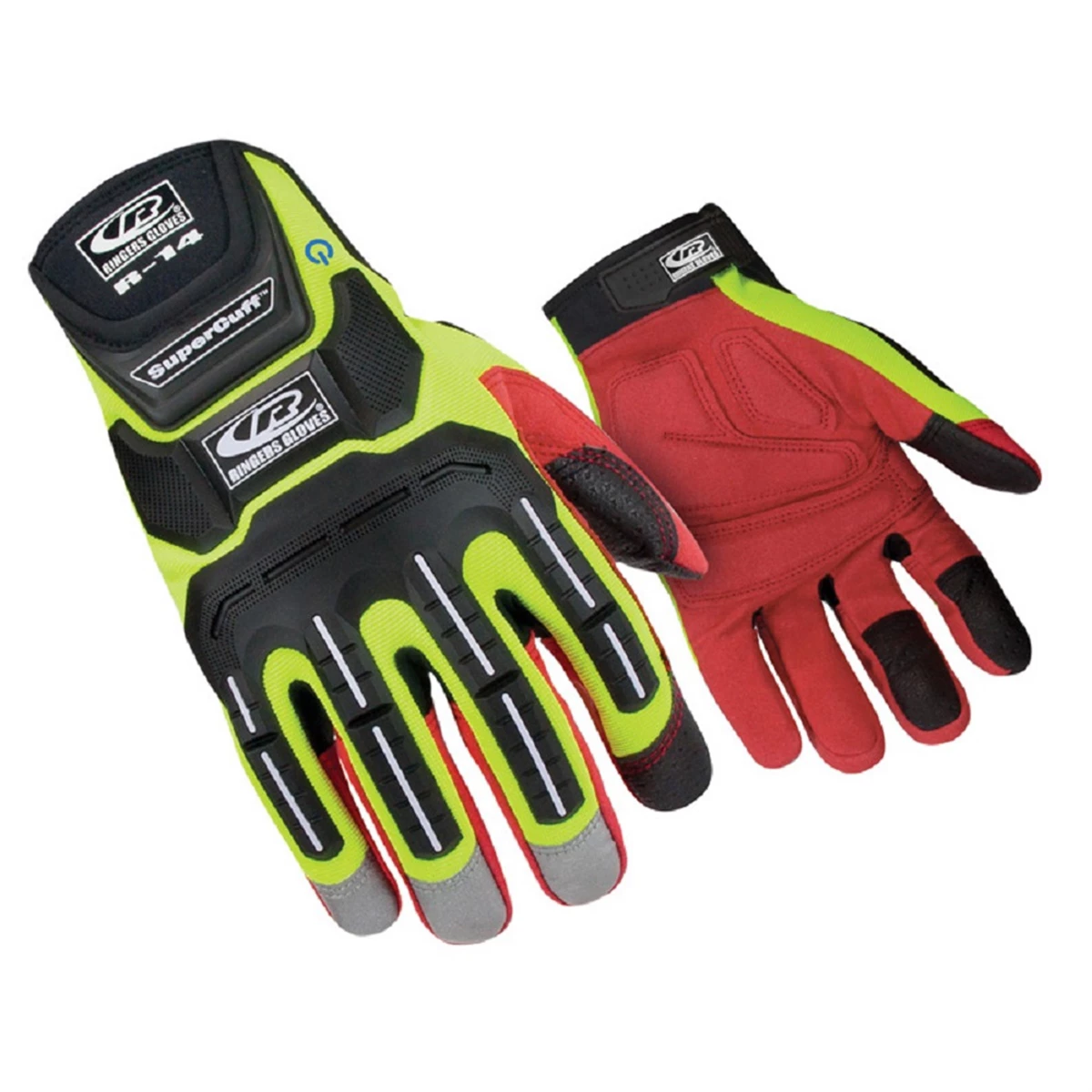

Ringers Tire Buddy Large Work Gloves - Heavy Duty Grip
Mfg: Ringers Gloves
Part #: 103-10
Immediate Wound Care Protocol: The Critical First 15 Minutes
When a cut occurs, your response in the first 15 minutes largely determines whether you’ll experience normal healing or a serious infection. This protocol should become automatic, practiced until it requires no thought when you’re dealing with pain and bleeding.
First, stop work immediately. The work will be there after you handle the injury—this mindset shift is critical. Continuing to work with an open wound dramatically increases contamination risk and infection probability. Remove contaminated gloves if wearing them, being careful not to introduce additional contamination to the wound.
Second, irrigate the wound thoroughly. Run cool water over the cut for a full 2-3 minutes, using gentle pressure to flush out visible contamination. For deeper cuts, use a spray bottle or faucet with good pressure to irrigate the wound depth. If available, saline solution works better than tap water, but don’t delay treatment to locate saline—clean running water is adequate for initial irrigation.
Third, apply isopropyl alcohol or hydrogen peroxide. Yes, it will sting significantly—that discomfort indicates the antiseptic is killing bacteria in the wound. For cuts on or near joints, this step becomes even more critical. Allow the antiseptic to work for 30-60 seconds before proceeding.
Fourth, apply triple antibiotic ointment liberally. Products containing neomycin, polymyxin B, and bacitracin provide broad-spectrum protection against the bacteria most likely to cause shop-related infections. The ointment also keeps the wound moist, promoting faster healing and reducing scarring.
Fifth, bandage properly using clean dressing materials. Wrap firmly enough to control bleeding and keep the dressing in place, but not so tightly that you restrict circulation. For finger injuries, ensure your bandaging doesn’t prevent joint movement unless the cut crosses a joint—immobilizing joints unnecessarily leads to stiffness.
Keep a well-stocked first aid kit at your immediate work area. At minimum, include: irrigation solution or spray bottle for water, isopropyl alcohol or hydrogen peroxide, triple antibiotic ointment, various sizes of adhesive bandages, gauze pads, medical tape, and disposable gloves for treating injuries. Restock immediately after using supplies rather than discovering you’re out during the next injury.
Monitoring and Seeking Medical Attention: When to Stop and Go to the Hospital
Even with perfect immediate care, some wounds require professional medical treatment. Knowing when to seek care can mean the difference between a minor course of antibiotics and major surgery. Monitor any hand wound closely for the first 48-72 hours, which represents the critical window for infection development.
Seek immediate medical attention for any wound that penetrates to visible fat, muscle, tendon, or bone. These deep wounds require professional irrigation, possible foreign body removal, and often stitches or surgical closure. Don’t attempt to “tough out” a serious wound—unrepaired tendon or nerve damage can permanently reduce hand function even if infection never develops.
Visit urgent care or emergency services if you develop increasing pain 12-24 hours after injury. Pain should steadily decrease as a wound heals; increasing pain indicates developing infection. Similarly, seek care for increasing redness that spreads beyond the immediate wound area, swelling that worsens rather than improves, red streaks extending up your finger or hand, drainage of pus or cloudy fluid, fever above 100.4°F, or any loss of finger mobility.
For cuts near or over joints, consider seeking medical evaluation even without infection signs. Joint infections develop rapidly and cause permanent damage; early antibiotic treatment for at-risk wounds can prevent serious complications. Inform medical providers about your occupation and the contaminated environment in which the injury occurred—this information affects their treatment decisions and antibiotic selection.
Never ignore systemic symptoms. If you feel generally unwell, develop fever or chills, or notice confusion or disorientation, you may be developing sepsis—a life-threatening systemic infection requiring emergency treatment. This progression is uncommon but possible with any infected wound.
Long-Term Career Adaptation: Working Effectively with Hand Injuries or Limitations
Technicians successfully continue productive careers after losing finger portions, experiencing reduced mobility, or developing chronic conditions affecting hand function. Adaptation requires honest assessment of limitations, creative problem-solving, and sometimes modest investment in specialized tools.
Scar tissue presents ongoing challenges because it lacks the flexibility and blood supply of normal skin. Scarred fingertips tear and cut more easily and heal more slowly when re-injured. Custom gloves with reinforced fingertip protection help, though they reduce sensitivity. Some technicians use liquid bandage products to add a protective layer over scarred areas during work, reapplying as it wears off throughout the day.
Missing finger portions require adapting grip techniques. Soft-handle ratchets and tools reduce the force required to maintain grip when working with reduced finger length or strength. Extensions and universal joints sometimes allow approaching fasteners from angles that accommodate altered hand positions. The key is experimentation—techniques that work for one person may not suit another depending on specific injury location and remaining function.
Consider gradual transition toward roles that leverage your expertise while reducing physical demands on damaged hands. Service writing, shop supervision, technical training, or warranty administration all value the diagnostic and technical knowledge gained through hands-on work while requiring less daily physical strain. This isn’t “giving up” on wrenching—it’s strategically extending your career longevity and earning potential.
For those continuing hands-on work with limitations, communicate clearly with supervisors and colleagues about tasks that have become genuinely unsafe or impossible. Taking 20 minutes to complete a task that others finish in five doesn’t mean you’re incompetent—it demonstrates professional commitment to doing the job correctly despite challenges. Most shops value experienced technicians enough to accommodate reasonable limitations rather than lose institutional knowledge.
Prevention Checklist: Daily Habits for Long-Term Hand Health
- Stock and organize multiple glove types at your immediate work area for easy access throughout the day
- Inspect hands thoroughly at breaks and end-of-day for cuts or injuries you didn’t notice when they occurred
- Keep triple antibiotic ointment in your toolbox and use it immediately on any cut, no matter how minor
- Clean hands thoroughly before eating or drinking to avoid introducing shop contaminants to your mouth and digestive system
- Apply heavy-duty hand lotion before bed to prevent skin cracking that creates infection entry points
- Replace worn gloves before they fail—don’t wait until they develop holes
- Mark your calendar to check healing wounds twice daily, photographing them to document any changes
- Keep a spare set of bandages and antibiotic ointment in your vehicle for re-treating injuries during lunch breaks
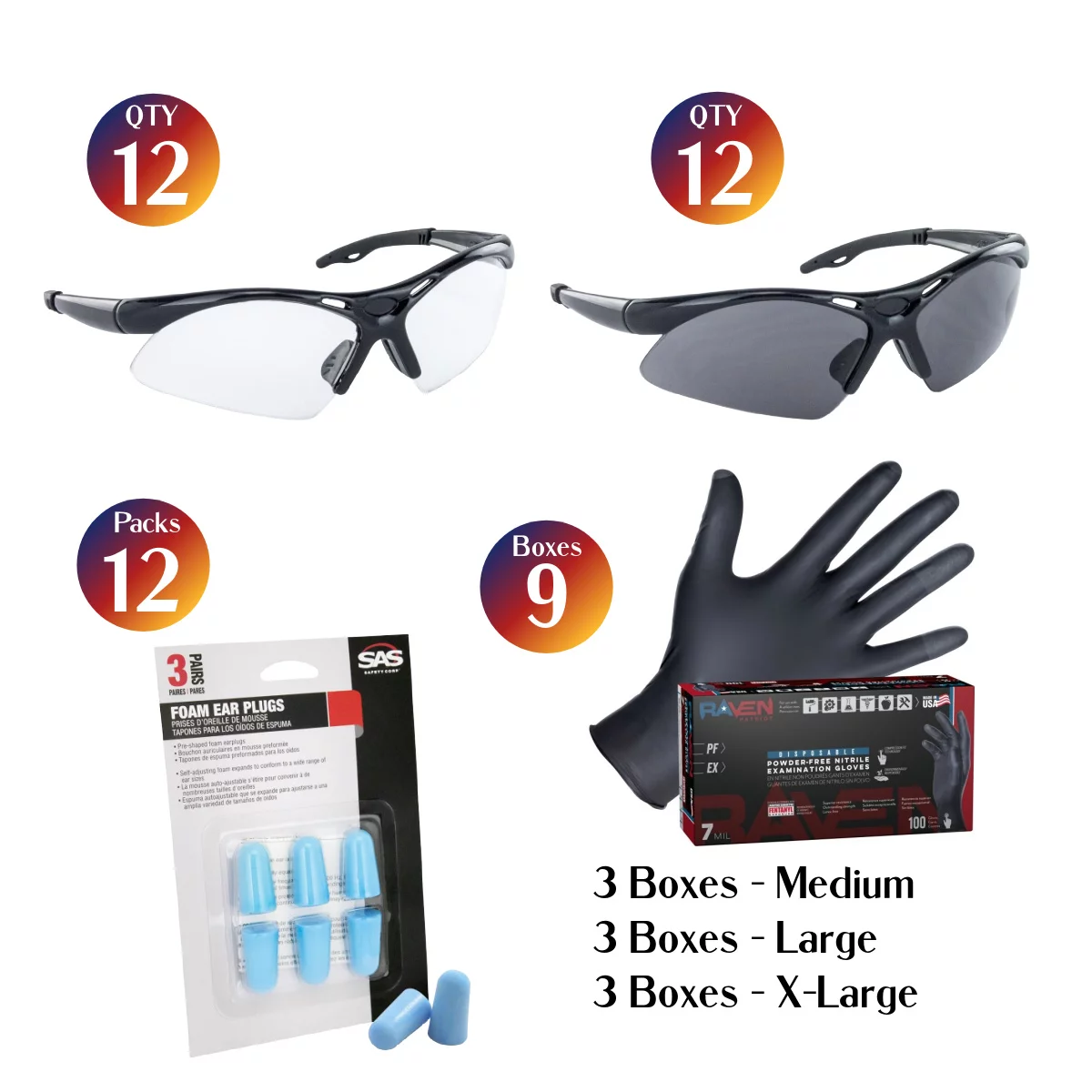
SAS Safety PPE Kit - Diamondback Glasses, Raven Gloves and E
Mfg: SAS Safety Corp
Part #: MACSAFETY001
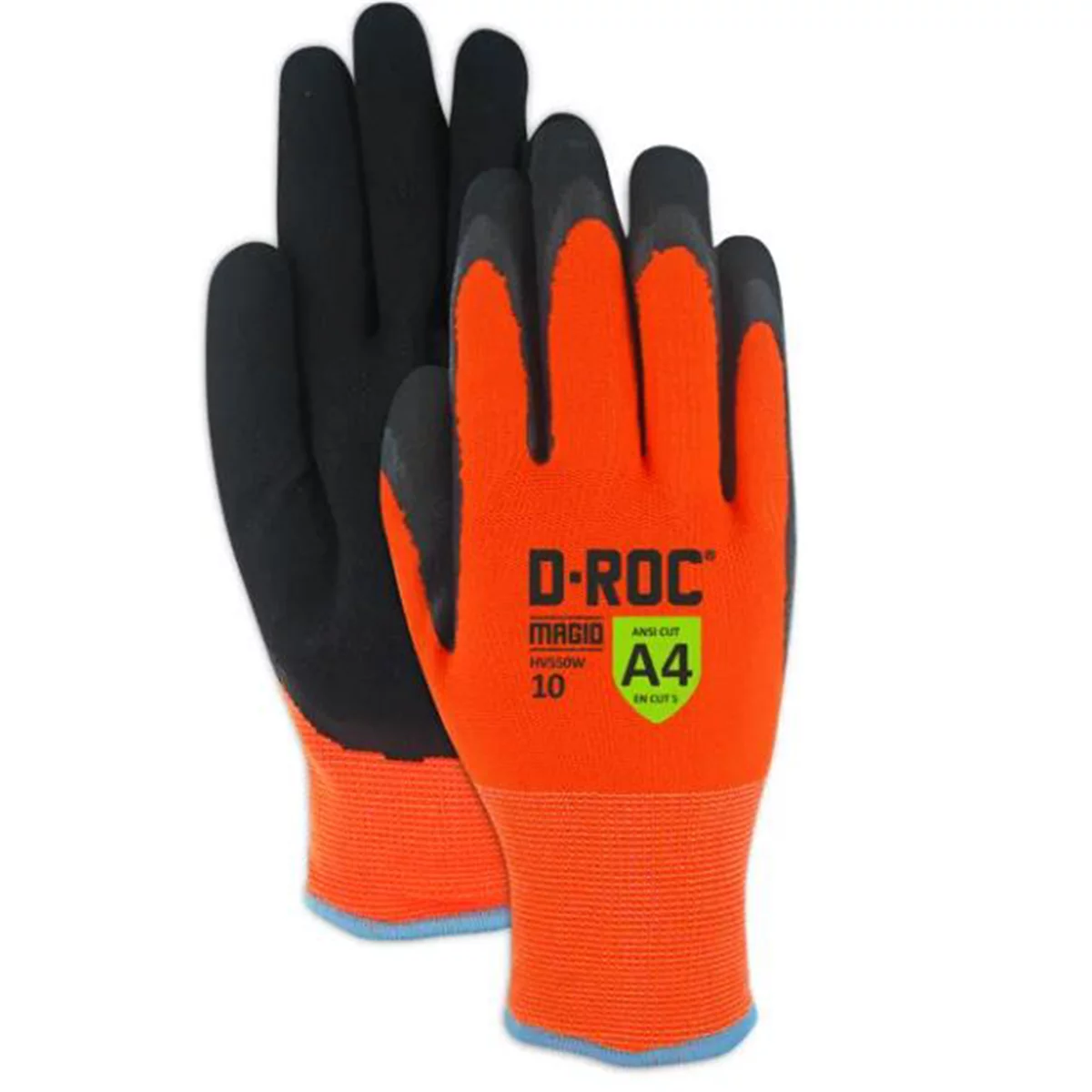
Magid Glove & Safety D-ROC HV550W Waterproof Thermal Coated
Mfg: Magid Glove & Safety
Part #: HV550W-8
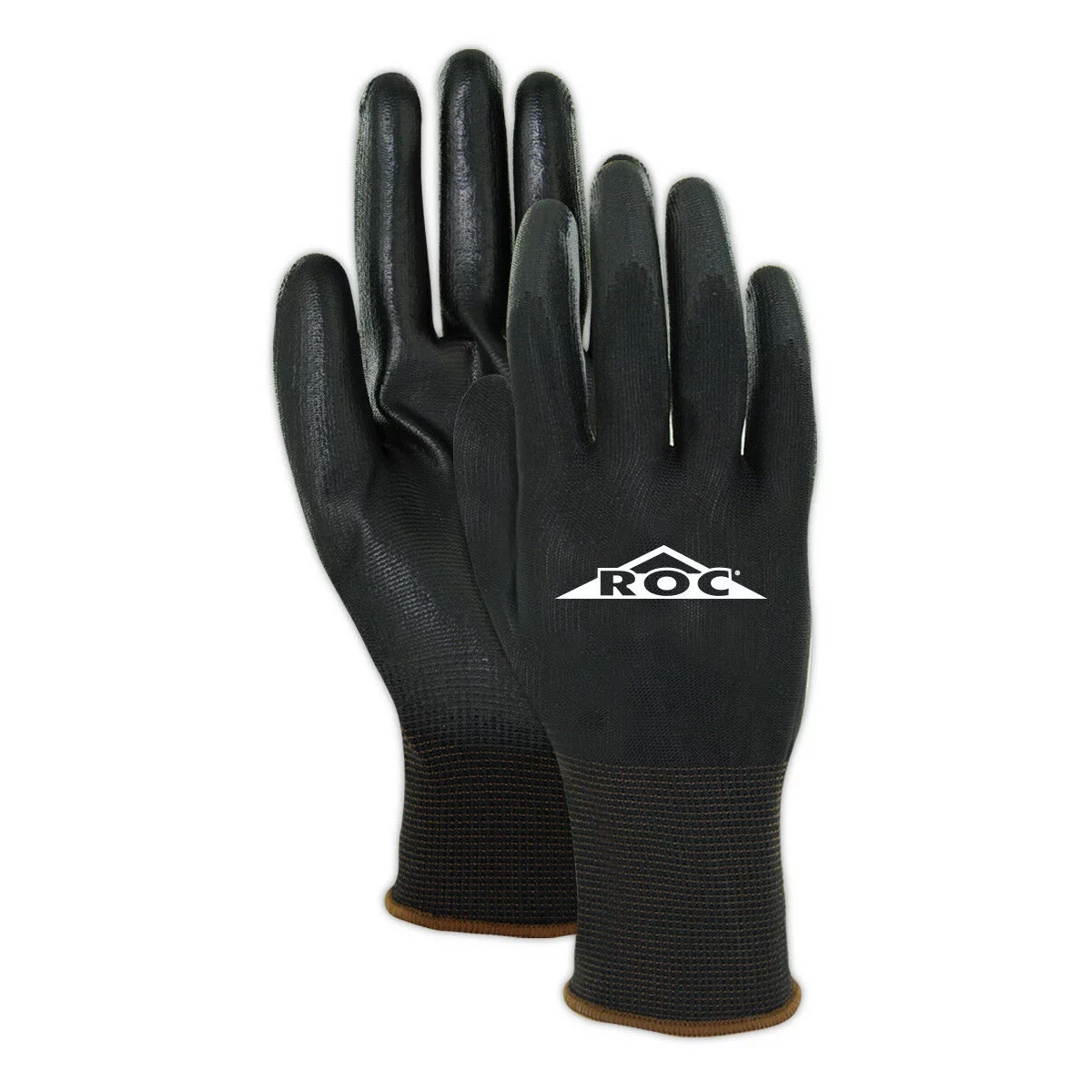
Magid Glove & Safety Magid ROC Poly Palm Coated Gloves Sz 10 XL
Mfg: Magid Glove & Safety
Part #: BP169-10
Frequently Asked Questions
How long should I stay off work after a serious hand cut or infection?
Follow your doctor’s specific return-to-work guidance, but generally expect at least 3-5 days off for a deep cut requiring stitches, and 1-2 weeks for infections requiring surgical drainage or IV antibiotics. Returning too early risks re-injury or wound breakdown, potentially converting a short recovery into permanent damage. If your employer pressures you to return before medical clearance, document your doctor’s restrictions in writing and understand that workers’ compensation should protect you for injury-related absences.
Are there warning signs that a cut is more dangerous than it appears?
Yes. Deep cuts that expose white tendon or yellow fat require immediate medical care regardless of bleeding amount. Cuts that cause numbness or tingling beyond the immediate area may have damaged nerves. Any cut that significantly reduces finger mobility or prevents you from making a fist should be evaluated for tendon damage. Finally, any wound contaminated with obviously dirty material—old oil, rusty metal particles, or fluid from a contaminated system—carries higher infection risk and may warrant preventive antibiotics.
Should I get a tetanus booster after shop injuries?
If your last tetanus vaccination was more than five years ago and you sustain a deep or contaminated wound, yes—get a booster within 48 hours of injury. For minor, clean cuts, you’re protected if your last tetanus shot was within 10 years. Most medical providers will administer a tetanus booster when treating shop injuries if your records don’t clearly show recent vaccination. Tetanus bacteria thrive in deep, oxygen-poor wounds like punctures or crushing injuries.
Can I speed up healing of hand injuries?
Proper nutrition significantly impacts healing speed. Ensure adequate protein intake (0.5-0.7 grams per pound of body weight daily), stay hydrated, and consider a multivitamin if your diet is inconsistent. Don’t smoke during healing—nicotine constricts blood vessels and dramatically slows recovery. Keep wounds moist with antibiotic ointment rather than letting them dry out and crack. Gentle movement of injured fingers (without stressing the wound) maintains mobility and promotes blood flow that accelerates healing.
What should I tell my employer about hand injuries?
Report all significant injuries immediately, even if they occur near the end of your shift. This documentation protects you if the injury worsens and requires medical care—delayed reporting can complicate workers’ compensation claims. Be specific about how the injury occurred, what you were working on, and what safety equipment you were or weren’t using. If you require medical treatment or time off, obtain written documentation from your healthcare provider and submit it to your employer promptly.
Are infections more dangerous for technicians with diabetes?
Absolutely. Diabetes reduces circulation and immune response, allowing infections to establish more easily and progress more rapidly. If you have diabetes (or risk factors like obesity or family history), get any significant hand wound evaluated by a medical professional within 12-24 hours, even if it seems to be healing normally. Consider preventive antibiotics for contaminated wounds. Monitor your blood sugar carefully during wound healing, as infection can destabilize glucose control. Some experienced technicians with diabetes get minor hand injuries evaluated routinely as a preventive measure rather than waiting for infection signs to appear.
Stock Your First Aid Kit
The immediate response to any hand injury depends on having the right supplies within arm’s reach. A well-stocked First Aid kit at your work area ensures you can execute proper wound care protocol without delay.
- Irrigation solutions and spray bottles for thorough wound cleaning
- Antiseptics, antibiotic ointments, and sterile dressings
- Multiple bandage sizes and medical tape for proper wound coverage

The Toolsource Technical Team blends decades of real-world automotive service experience with up-to-date technical research. Our writers collaborate with professional mechanics, shop owners, and diagnostic specialists to deliver practical, workshop-ready guidance you can trust.


Follow us on social media