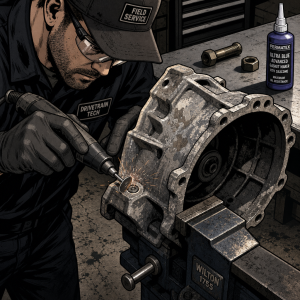
When Your Mechanic Makes a “Creative” Starter Bolt Repair: What You Need to Know
When a starter bolt snaps off in your bell housing, shops face a tough choice: pull the transmission for a proper fix or improvise with a slotted through-bolt repair. This guide explains what these unconventional repairs mean for your vehicle’s longevity and when to accept a “bush fix” versus demanding OEM standards.
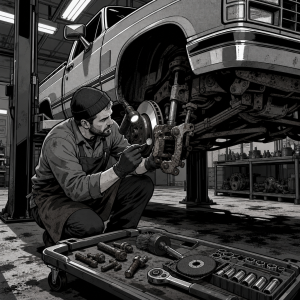
Side Work Gone Wrong: How to Protect Yourself When Working on Friends’ Cars
Every mechanic has been burned doing favors for friends and family. From scope creep on rusty brake lines to customers who blame you for unrelated failures months later, side work can quickly turn into a nightmare. Here’s how to protect yourself while still helping people out.
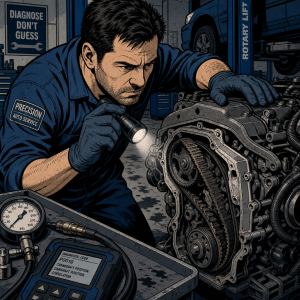
Why Customer Self-Diagnosis Fails: Timing Belts, Alternators, and No-Start Conditions
When a customer insists they need an alternator but the real problem is a snapped timing belt, you’re facing one of the shop’s most frustrating scenarios. This guide walks technicians through proper diagnosis of no-start conditions, managing customer expectations, and protecting yourself when self-diagnosis goes wrong.
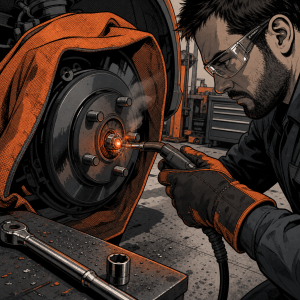
How to Remove Seized or Stripped Locking Wheel Nuts: A Technician’s Guide
Seized or stripped locking wheel nuts are a common headache in any shop, especially when dealing with aftermarket security lugs or rust-belt vehicles. This guide covers the most reliable extraction methods technicians use daily, including stud drilling, weld-nut techniques, and heat-based removal.
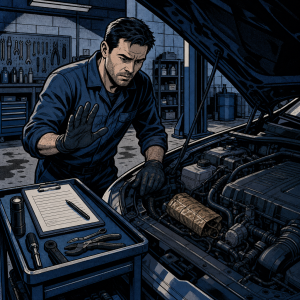
What Mechanics Find in Customer Cars: A Tech’s Guide to Handling Hazardous and Unusual Discoveries
Every shop technician eventually encounters something unexpected in a customer’s vehicle. This guide covers professional protocols for handling biohazards, weapons, contraband, and other discoveries that go beyond routine maintenance—helping you protect yourself legally and physically while maintaining customer relationships.
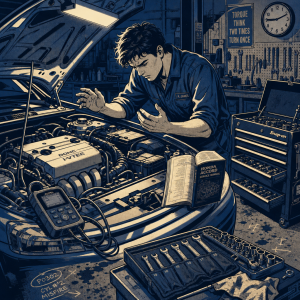
Is Flat Rate Pay Killing Your Earnings? What Every Young Technician Needs to Know
Flat rate compensation promises high earnings for efficient technicians, but for mechanics early in their careers, it often means working 50+ hours while only getting paid for 25-30. This guide breaks down the math, identifies when flat rate becomes exploitation, and shows you how to negotiate better terms or find shops that value your time.
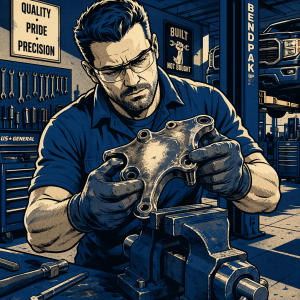
Ground-Off Logos on Automotive Parts: What Technicians Need to Know
Seeing ground-off logos on ball joints, control arms, and other suspension components? This is a common practice called neutralization where OE manufacturers remove OEM branding to sell identical parts in the aftermarket at lower prices.
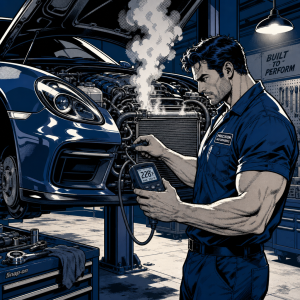
Why Your Car Overheats at Highway Speed But Not at Idle: Diagnostic Guide
When a vehicle runs cool at idle but overheats at highway speeds, the cooling system is being challenged by high-speed demands. This diagnostic guide covers the most common failure points and systematic troubleshooting steps.
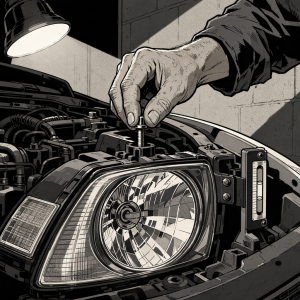
How to Properly Aim and Adjust Your Headlights: A Technician’s Guide
Blinding oncoming traffic isn’t just annoying—it’s a safety hazard that can be prevented with proper headlight aiming. Whether you’ve installed aftermarket bulbs, lifted your truck, or are working on customer vehicles, understanding headlight geometry and adjustment procedures is essential for every technician.
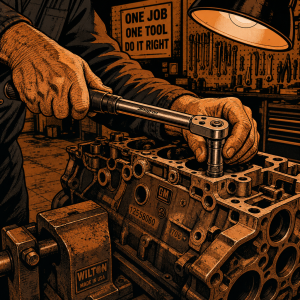
Why Auto Technicians Buy Their Own Tools: The Flat Rate Pay System Explained
The automotive industry operates on a unique compensation model that confuses outsiders and frustrates insiders. Understanding why technicians buy their own tools requires looking at the flat rate pay system, the historic 1975 union strike, and how auto mechanics became the lowest-paid skilled trade in America.


Follow us on social media