If you’ve ever wondered why automotive technicians spend tens of thousands of dollars on their own tools while McDonald’s provides spatulas for free, you’re not alone. The answer lies in a compensation system that’s virtually unknown outside the automotive industry—and a labor dispute from nearly 50 years ago that fundamentally changed how mechanics get paid. Before 1975, technicians earned 50% of the posted shop labor rate with no hourly guarantee. After a nine-month strike, the industry introduced guaranteed minimum wages but kept the tool-purchasing requirement. Today’s technicians face a system that pays them only for billable hours worked, requires massive personal tool investments, and compensates them at rates far below other skilled trades.
The 1975 Strike That Changed Everything
Prior to 1975, automotive technicians operated under a straightforward arrangement: they received 50% of whatever the shop charged customers for labor, with no guaranteed minimum wage. When management pushed for pay cuts to compete with Sears Auto Center and Montgomery Ward’s automotive departments, technicians walked out. The resulting strike lasted approximately nine months and fundamentally restructured technician compensation.
The compromise introduced minimum wage guarantees but reduced the percentage of labor rate that technicians received. While this seemed like a fair trade-off at the time, it set the stage for decades of declining real wages. The irony isn’t lost on veteran technicians: Sears and Montgomery Ward are long gone, but the pay structure created to compete with them remains firmly in place.
Veteran technicians who worked under the pre-1975 system had dramatically different economic outcomes. At 50% of shop labor rates, they could afford houses, boats, vacation properties, and single-income households while paying for their children’s college education. Today’s shop labor rates of $150-200 per hour would translate to $75-100 per hour for technicians under that old model—substantially more than most flat rate technicians actually earn.
How Flat Rate Pay Actually Works
The flat rate system pays technicians based on standardized labor time guides rather than actual hours worked. If a job is quoted at 2.0 hours and you complete it in one hour, you’re paid for two hours at your flat rate. If that same job takes you four hours due to seized bolts or unexpected complications, you’re still only paid for two hours.
This creates a compensation model that most people outside the industry find hard to believe is legal. Technicians clock in for an eight-hour shift but might only accumulate 3-4 billable hours if the shop is slow. Some states require a minimum wage guarantee (California mandates double the minimum wage, currently $33.80 per hour for skilled technicians), but many states have no such protection. Technicians can spend an entire day at work and earn close to minimum wage if there simply aren’t enough jobs to work on.
The system gets even more complex with warranty work. Manufacturers typically reimburse dealers at rates 30-40% lower than customer-pay labor rates. The technician performing a warranty repair gets paid less than if a retail customer brought in the same vehicle for the same repair—same work, same time requirement, different pay. Some states have successfully challenged this practice through class action lawsuits, forcing manufacturers to pay warranty labor at 1.5 times the warranty rate, but this remains the exception rather than the rule.
Labor time guides present another challenge. Both manufacturer times and third-party guides like AllData are increasingly aligned with warranty times rather than real-world repair times. As technicians become more efficient and beat the book time, the guides get “adjusted” downward. There’s no winning: improve your efficiency and the time guide gets cut, ensuring you’re always chasing the same target.
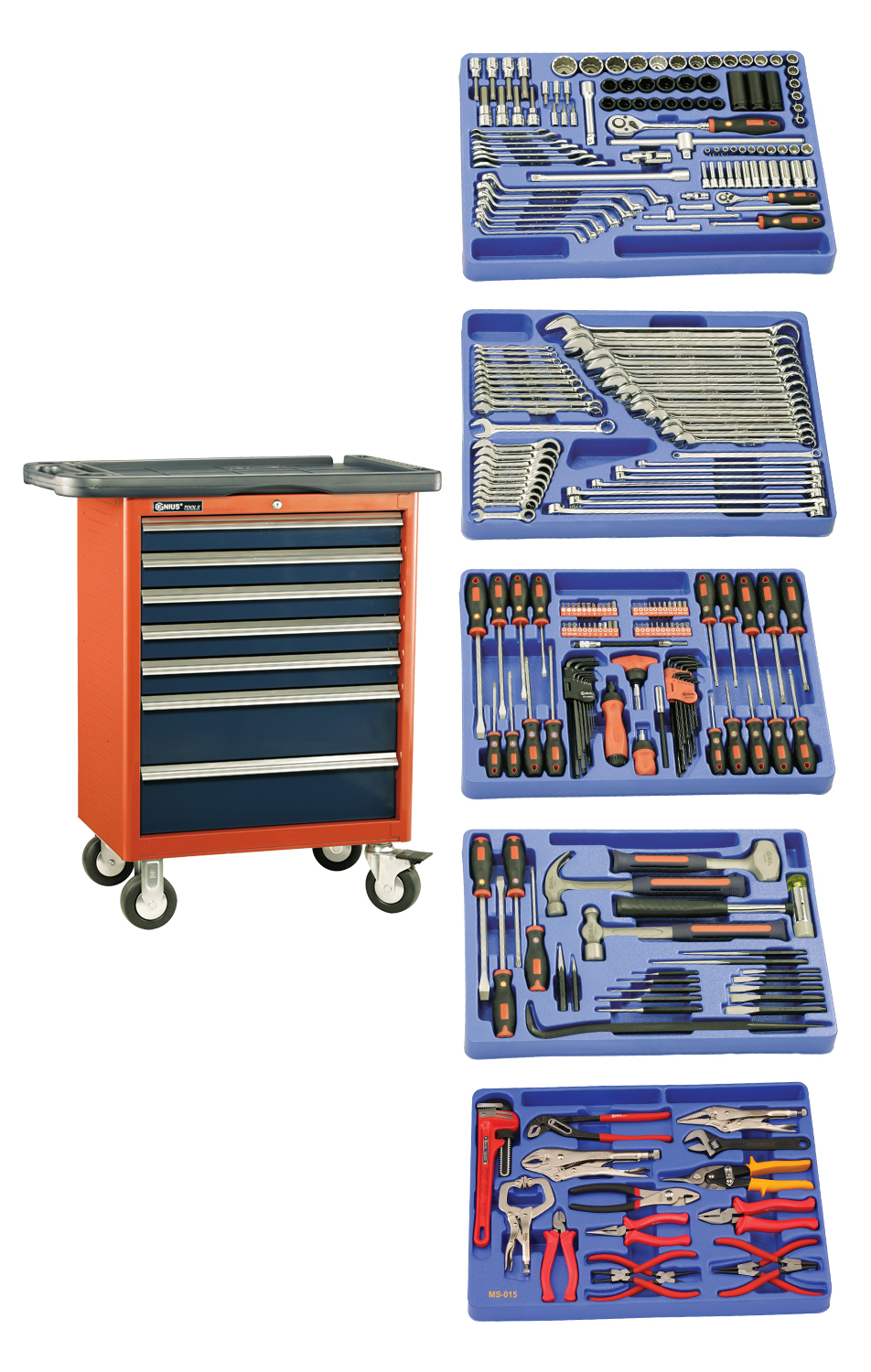
266PC Metric Mechanics Tool Set with Roller cabine
Mfg: Genius Tools
Part #: MS-266TS
Why Technicians Still Buy Their Own Tools
Despite the compensation challenges, most technicians prefer owning their tools for several practical reasons. Tools are portable assets that move with you between jobs, can be used for side work or personal vehicle repairs, and allow you to choose exactly the quality and brand you prefer. Many technicians are particular about their equipment and would rather select their own tools than use whatever the shop provides.
The real issue isn’t hand tool ownership—it’s the specialized equipment required for modern vehicle repair. Scan tools costing $5,000-10,000, transmission jacks, vehicle lifts, alignment racks, AC recovery machines, and manufacturer-specific diagnostic equipment should reasonably be shop-provided. The line between personal tools and shop equipment has blurred as vehicles become more complex and “special tools” proliferate.
Heavy-duty truck technicians face fewer special tool requirements than automotive technicians and typically earn higher wages. Aircraft mechanics usually work with company-provided tools. Electricians, plumbers, and HVAC technicians—all comparable skilled trades—generally earn significantly more than automotive technicians while requiring fewer specialized tools. The automotive industry stands alone in combining low pay, high tool costs, and unpredictable flat rate compensation.
The tax situation adds insult to injury. Shops can write off tool purchases as business expenses, but technicians face limitations. Only those who itemize deductions can claim unreimbursed employee expenses, and recent tax law changes have eliminated this deduction entirely for many workers. The bulk of tool purchases happen early in a technician’s career when they can least afford them and have the least tax benefit from deducting them.
The Reality of Shop-Provided Equipment
Shared shop tools create their own problems. Half the tools are broken because someone put them back on the shelf without reporting damage. Critical tools disappear when you need them. Quality varies wildly based on whatever the shop was willing to purchase. Government fleet shops and some union facilities successfully operate with shop-provided tools, maintaining annual tool budgets and replacing equipment as needed, but these represent a small fraction of the industry.
One municipal fire and EMS shop operates with fully shop-provided tools, maintaining an annual budget for specialty tools, replacements, and upgrades. They purchase Snap-On ratchets, torque wrenches, and specialty tools through an industrial account while sourcing standard tools from more economical suppliers. This proves the model can work—it’s simply not the model most of the automotive industry has chosen to adopt.
The counterargument from shops is straightforward: if they had to provide all tools, technicians would wait indefinitely for equipment requests to be approved and processed. You’d be “working with a tire iron” while your tool requisition wound through purchasing. This creates a perverse incentive where technicians buy their own tools simply to avoid the bureaucratic delays of shop-provided equipment.
Comparing Automotive to Other Skilled Trades
When people outside the automotive industry learn how flat rate works, their first reaction is disbelief, followed quickly by “that can’t be legal.” The analogy that resonates most: imagine if McDonald’s paid burger makers only for completed burgers, with a time standard for each burger, no pay when the restaurant is slow, and the burger maker had to buy their own grill and spatula. Oh, and if a burger comes back wrong, they dock your previous burger pay. That’s flat rate.
Electricians, plumbers, and HVAC technicians typically earn $40-80 per hour as employees, often with overtime, benefits, and employer-provided major equipment. They face similar tool costs for hand tools but don’t deal with constantly changing vehicle platforms, subscription-based diagnostic software, or manufacturer-specific special tools that become obsolete every 6-8 years as vehicle technology evolves.
The heavy-duty truck and equipment sector offers better conditions for mechanics. Most truck shops pay hourly rather than flat rate. While work can slow down, technicians still get paid for showing up. The mentality is different: on slow days you sweep the floor and still collect your nine hours of pay. The work is often more straightforward, special tools are less common, and the vehicles don’t change platforms every few years.
Body shops face even worse conditions than mechanical repair shops. The same flat rate system applies, but with added variables like insurance company labor rate negotiations,parts delays, and hidden damage that only becomes apparent after disassembly. Many experienced body technicians consider their sector the worst implementation of an already problematic pay system.
International Perspectives on Technician Compensation
The American automotive compensation model isn’t universal. In Germany, technicians show up for their first day and the shop provides safety shoes, uniforms, and a complete toolbox. Shops pay hourly wages—currently around €25 per hour (approximately $27 USD) for experienced technicians. Health insurance isn’t tied to employment; your employer pays it while you work, and unemployment insurance covers it if you’re between jobs.
This demonstrates that alternative models exist and function successfully. The notion that technicians must buy their own tools and work flat rate isn’t an inevitable feature of automotive repair—it’s a choice the American industry has made and perpetuated since the 1975 strike settlement.
Why Smart People Avoid the Automotive Trade
The compensation structure actively drives talented people away from automotive careers. Numerous potential technicians love working on cars but refuse to enter the field professionally because of flat rate pay, tool costs, and poor compensation compared to other trades. Electricians report knowing many people who would enjoy automotive work but won’t accept the economic reality of dealership employment.
This creates a self-reinforcing cycle. As one veteran technician noted: “If you want to compete with Walmart, you have to have Walmart quality people.” Shops that pay poorly attract less skilled technicians, deliver inconsistent service, and struggle to retain talent. The best technicians either leave for other trades, start their own shops, or transition to heavy-duty equipment where compensation and working conditions are better.
The advice from many experienced technicians is blunt: find other jobs, leave the field, stop accepting flat rate positions. While easier said than done for those already invested in the career, it reflects a fundamental recognition that the current system doesn’t work for workers. Aircraft mechanics, diesel technicians, and those who transitioned to other trades often express relief that they escaped automotive’s compensation model.
Making Flat Rate Work: Practical Considerations
For technicians who remain in automotive work, certain conditions make flat rate more tolerable:
- Guaranteed minimum hours: Look for shops offering 40-hour weekly guarantees regardless of flag hours. This provides income stability during slow periods.
- State wage protections: California’s double minimum wage guarantee ($33.80/hour for skilled technicians) provides a safety net. Research your state’s requirements.
- Realistic labor times: Some shops use more generous time guides or add time to manufacturer recommendations.
- Limited warranty work: Shops with mostly retail customers avoid the manufacturer warranty pay cut.
- Efficient parts department: Waiting for parts is unpaid time. Fast parts delivery directly impacts your earnings.
- Fair comeback policies: Clarify how diagnostic time, additional related repairs, and genuine comebacks are handled before accepting a position.
Interview questions should address these issues directly. Ask about average weekly flag hours, minimum guarantees, how warranty labor is compensated, typical parts wait times, and whether the shop has consistent work volume or seasonal fluctuations. Experienced technicians recommend never accepting a flat rate position without a minimum wage guarantee of some kind.
Essential Tool Investment Checklist for New Technicians
For those entering the field despite its challenges, strategic tool purchasing can minimize initial costs:
- Start with a comprehensive socket and wrench set—this is your foundation
- Add screwdrivers, pliers, and cutting tools as needed rather than buying complete sets upfront
- Consider mid-range brands (Icon, Quinn, Gearwrench) instead of top-tier Snap-On for most applications
- Invest in quality ratchets and torque wrenches—these justify premium pricing
- Buy specialty tools only when you have a job requiring them
- Research whether your shop provides scan tools or if you need your own diagnostic equipment
- Keep receipts for all tool purchases for potential tax deductions
- Join tool truck financing programs cautiously—interest adds up quickly
- Check Harbor Freight and online retailers before buying from tool trucks
- Build your collection over time rather than going into massive debt immediately
Veteran technicians wish Harbor Freight had existed when they started their careers. In previous decades, Matco and Snap-On were the only options. Today’s technicians have access to budget-friendly alternatives that would have saved earlier generations thousands of dollars. Take advantage of this expanded market.
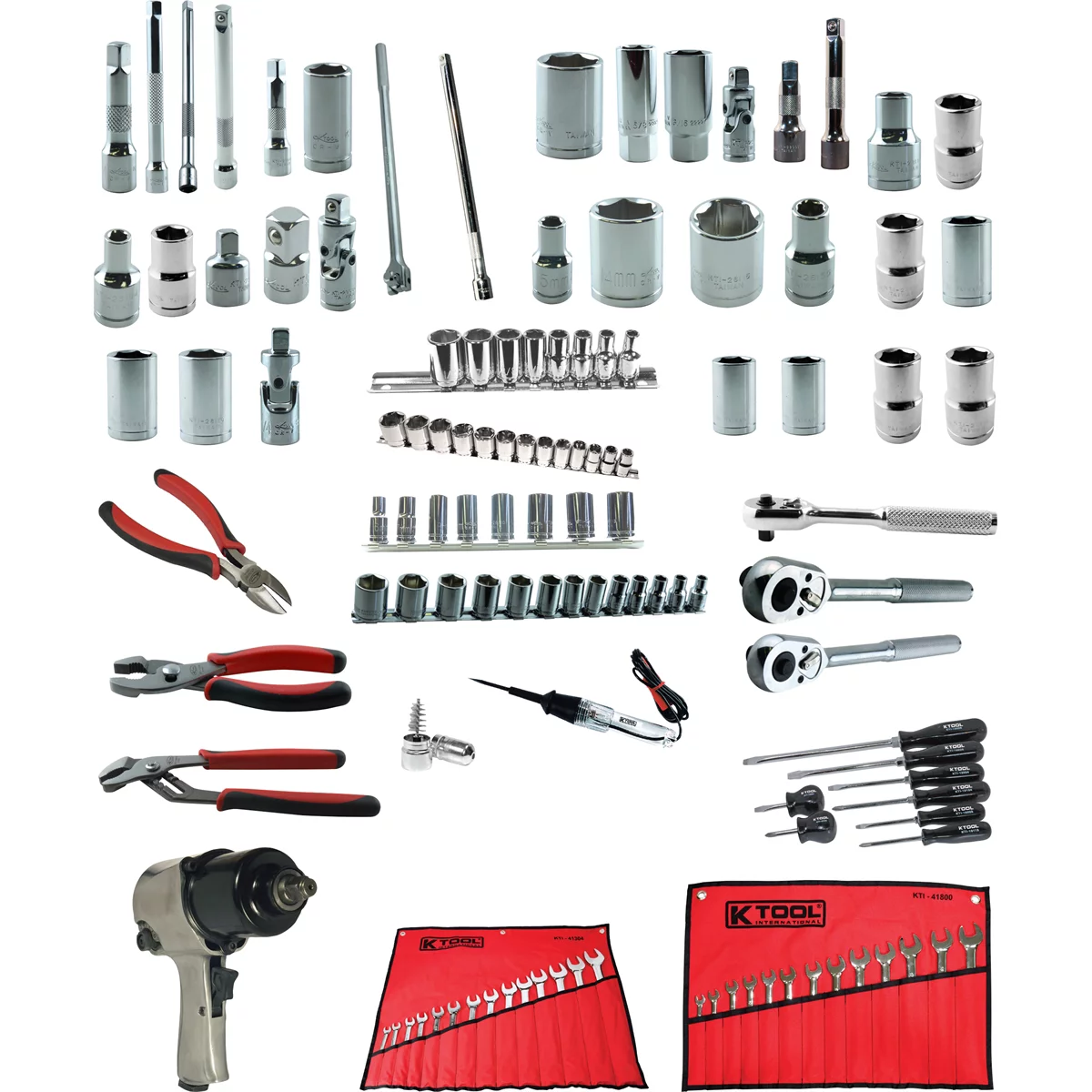
K Tool VoTech II Automotive Tool Kit 50-Piece Set
Mfg: K Tool International
Part #: VOTECH2
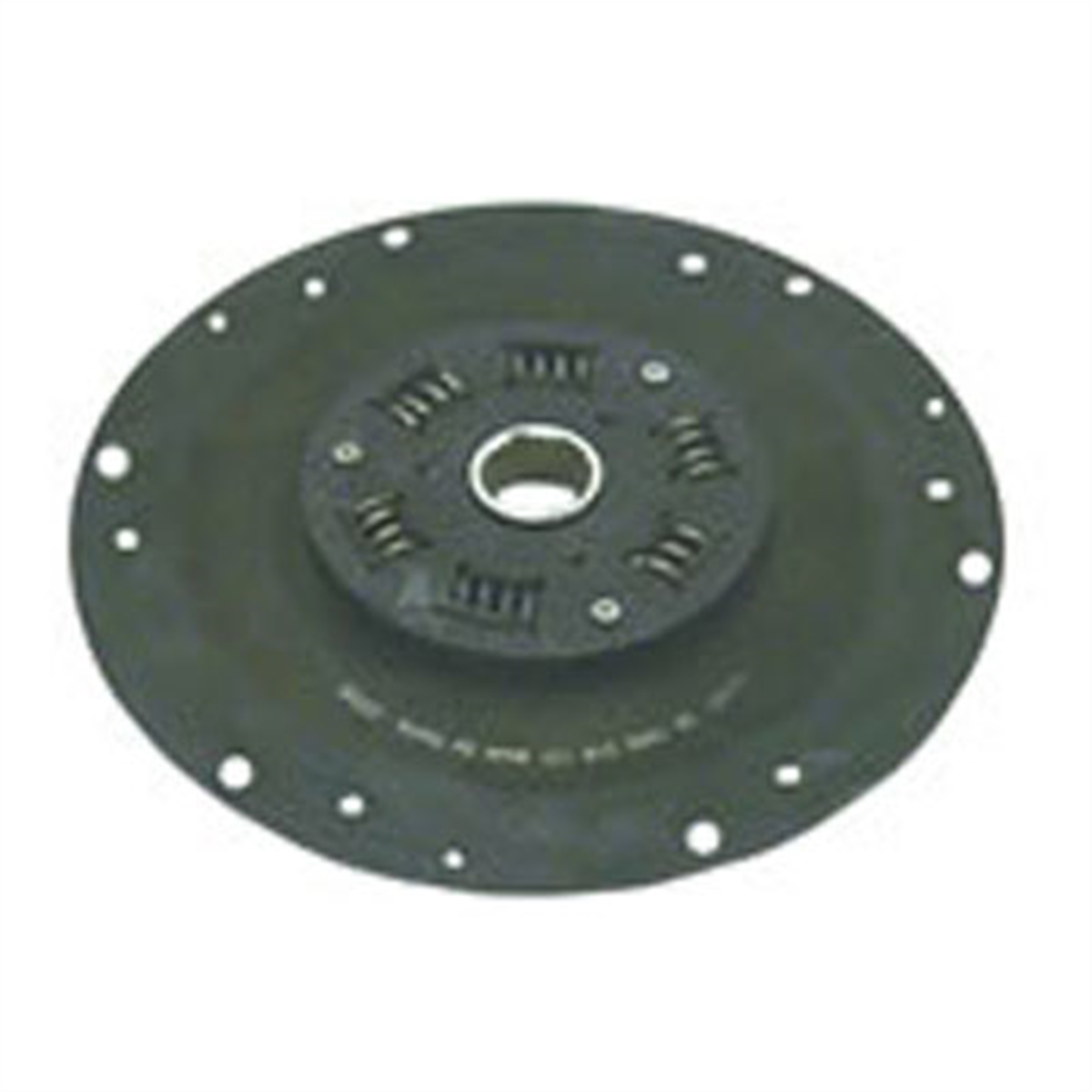
OTC 27549 Disc - 4-1/8 Inch Diameter Automotive Tool
Mfg: OTC Tools and Equipment
Part #: 27549
Frequently Asked Questions
Is flat rate pay legal?
Yes, flat rate compensation is legal in all states, though some states require minimum wage guarantees. Federal law requires that your clock time multiplied by minimum wage sets a floor—you can’t be paid literally zero for hours spent at work. California goes further, requiring skilled technicians be paid at least double the state minimum wage. The legality doesn’t make it fair, but it is legal.
Can I write off tool purchases on my taxes?
Previously, technicians who itemized could deduct unreimbursed employee expenses including tools, boots, and uniform cleaning. Recent tax law changes eliminated this deduction for many workers. Consult a tax professional about current rules in your situation, as this varies by state and individual circumstances.
What happens if a job takes longer than the book time?
You still only get paid the book time. If a job quoted at 2.0 hours takes you 5 hours due to seized bolts, rust, or unexpected complications, you receive 2.0 hours of pay. This is why diagnostic accuracy and estimating skills are critical—and why some technicians cut corners or decline difficult jobs.
Do shops have to provide any tools?
Generally, shops should provide large equipment like lifts, alignment racks, tire machines, AC recovery equipment, and specialized diagnostic tools. The line is often unclear, and many shops push more costs onto technicians than they reasonably should. This varies significantly by shop and should be clarified before employment.
Why don’t technicians unionize?
Some do—many diesel, heavy equipment, and municipal fleet technicians work under union contracts with hourly pay, guaranteed hours, and shop-provided tools. The 1975 strike involved union negotiation, though it resulted in the current compromise system. Broader unionization in automotive retail has been limited by shop size, high turnover, and industry resistance.
How much should I expect to spend on tools as a new technician?
Initial investment typically ranges from $5,000-15,000 for a basic collection that allows you to perform most repairs. Specialized tools, diagnostic equipment, and premium brands can push lifetime tool investment to $50,000-100,000+ over a career. Strategic purchasing and avoiding unnecessary tool truck debt can significantly reduce these costs.
Hand Tools for Flat Rate Work
Building a reliable hand tool collection is foundational to surviving flat rate work. Whether you’re starting out or upgrading your existing kit, strategic tool selection directly impacts your efficiency and earnings. Browse our Hand Tools selection to find quality options across different price points.
- Socket and wrench sets—the foundation of any technician’s collection
- Screwdrivers, pliers, and cutting tools for general repair work
- Ratchets and torque wrenches where premium quality pays for itself

The Toolsource Technical Team blends decades of real-world automotive service experience with up-to-date technical research. Our writers collaborate with professional mechanics, shop owners, and diagnostic specialists to deliver practical, workshop-ready guidance you can trust.


Follow us on social media