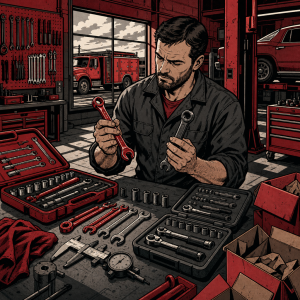
Tool Truck Brands vs. Harbor Freight: What Pro Techs Really Need to Know
The debate between premium tool truck brands and budget retailers like Harbor Freight continues in every shop across the country. Understanding the real-world performance, warranty support, and value proposition of each option helps technicians make smarter purchasing decisions that protect both their wallets and their hands.
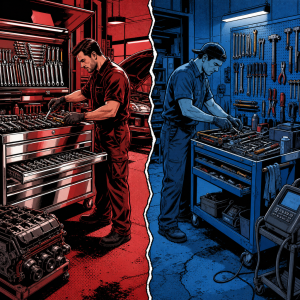
Tool Truck vs. Harbor Freight: What Professional Techs Need to Know Before Buying
The tool truck versus Harbor Freight debate continues in every shop across America. Real technicians reveal what actually matters when choosing between premium tool truck brands and budget alternatives, including warranty realities, dealer relationships, and when each option makes financial sense.
Why Technicians Buy Their Own Tools: The History Behind Shop Pay Models
The automotive technician pay model has evolved dramatically since the 1975 union strike that changed the industry forever. Understanding why techs buy their own tools—and how compensation structures shifted from 50% of shop labor rates to today’s flat rate systems—reveals both the challenges and potential solutions for modern shop professionals.
Why Auto Techs Buy Their Own Tools: The Real History and Economics Behind Shop Pay
The automotive technician’s tool investment isn’t just tradition—it’s the result of a 1975 labor dispute that fundamentally changed how shops compensate mechanics. Understanding this history explains why techs today face different economics than plumbers, electricians, and even their predecessors in the same trade.
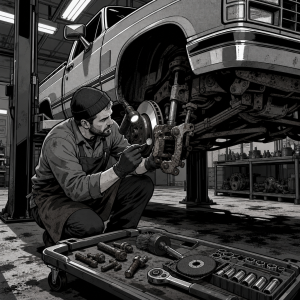
Side Work Gone Wrong: How to Protect Yourself When Working on Friends’ Cars
Every mechanic has been burned doing favors for friends and family. From scope creep on rusty brake lines to customers who blame you for unrelated failures months later, side work can quickly turn into a nightmare. Here’s how to protect yourself while still helping people out.
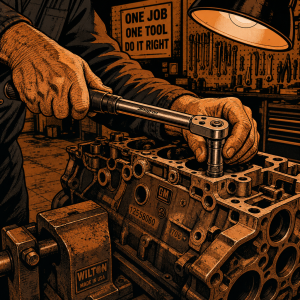
Why Auto Technicians Buy Their Own Tools: The Flat Rate Pay System Explained
The automotive industry operates on a unique compensation model that confuses outsiders and frustrates insiders. Understanding why technicians buy their own tools requires looking at the flat rate pay system, the historic 1975 union strike, and how auto mechanics became the lowest-paid skilled trade in America.
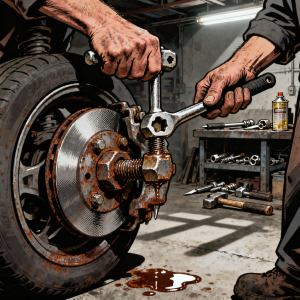
When a Simple Job Goes Sideways: A Technician’s Guide to Handling Unexpected Repairs
Every technician faces jobs that spiral from simple to complex. Learn systematic approaches for handling seized fasteners, stripped bolts, missing tools, and other setbacks that test patience and skill.


Follow us on social media