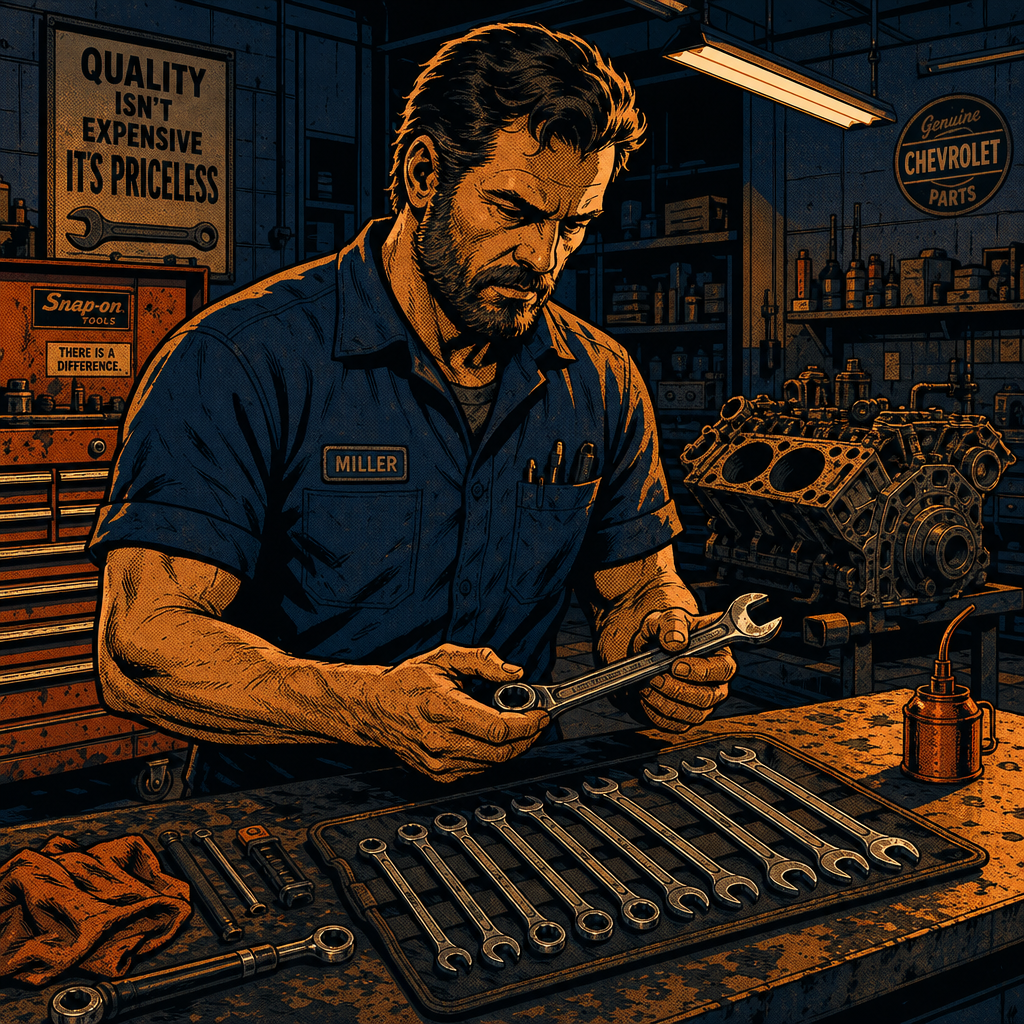
Walk into any automotive shop and you’ll see technicians surrounded by toolboxes worth tens of thousands of dollars—equipment they purchased themselves. This practice stands in stark contrast to nearly every other skilled trade, where employers provide the tools required for the job. The reason auto techs buy their own tools isn’t rooted in tradition or professional pride alone; it’s the direct result of a fundamental shift in compensation structure that occurred nearly 50 years ago. Before 1975, automotive technicians earned 50% of the posted shop labor rate with no hourly guarantee. After a major union strike that year, the industry adopted the flat rate system we know today, trading guaranteed compensation for lower effective pay rates. Understanding this history isn’t just academic—it directly impacts your earning potential, career decisions, and the true cost of working in this trade.
The 1975 Strike That Changed Everything
Prior to 1975, automotive technicians operated under a straightforward compensation model: they received 50% of whatever the shop charged customers for labor. If the shop rate was $60 per hour, the technician earned $30. There was no hourly guarantee, no minimum wage protection, and no pay for diagnostic time or comebacks. Management justified this split by pointing to the overhead costs of running the facility, providing the workspace, and handling customer relationships.
The landscape shifted dramatically during the 1975 union strike, which lasted approximately nine months. Shop management argued they couldn’t compete with emerging competitors like Sears Auto Center and Montgomery Ward Auto Center while maintaining the 50% pay structure. The compromise that emerged introduced flat rate pay with an hourly guarantee—technicians would be paid based on standardized job times rather than actual hours worked, but they’d receive minimum wage for clock time if their flagged hours fell short.
What seemed like a protection for technicians actually represented a significant pay cut for productive workers. Many experienced technicians left the industry entirely following this change. Meanwhile, Sears and Montgomery Ward—the competitors used to justify the pay restructuring—have long since disappeared from the automotive service landscape, yet the compensation model they influenced remains standard practice.
If that pre-1975 structure existed today, with modern shop rates ranging from $150-$200 per hour in many markets, technicians would earn $75-$100 per hour. At those rates, the expectation that techs supply their own tools becomes far more reasonable. Instead, today’s flat rate structure typically yields effective hourly rates well below what the original 50% model would provide.
How Flat Rate Actually Works (And Why Outsiders Don’t Believe It)
When automotive technicians explain flat rate pay to people outside the industry, the typical reaction is disbelief, followed by the question: “That can’t be legal, can it?” The system operates on a principle foreign to most employment relationships: you’re paid for the job, not the time.
Under flat rate, each repair job has an assigned time value from a labor guide—usually compiled by companies like Alldata or manufacturer-specific systems. If a rear brake job pays 2.0 hours and you complete it in one hour, you’ve “flagged” 2.0 hours. If it takes you three hours due to seized hardware or complications, you still only flag 2.0 hours. Your paycheck reflects your flagged hours multiplied by your flat rate (your per-hour rate), not your actual time in the building.
The legal protection, such as it is, comes from minimum wage laws. Your actual clock time multiplied by minimum wage represents your floor—shops cannot pay you zero dollars for an eight-hour day with no work. However, in most states, this minimum is the standard minimum wage, not the higher rate a skilled tradesperson deserves. California stands as an exception, guaranteeing skilled technicians who supply their own tools double the minimum wage as a floor (currently $33.80), with flat rate techs in that market earning $35-$73 depending on skill level.
The system creates perverse incentives. Slow periods mean technicians sit around unpaid, yet many shops won’t allow them to leave early, forcing them to burn time until closing without compensation. Meanwhile, the increasing complexity of modern vehicles means diagnostic time—which often doesn’t pay well or at all—represents a growing portion of the actual work. When a comeback occurs, you may get “back flagged,” meaning hours you already earned get deducted from your check. Imagine McDonald’s charging you for a burger a customer returned—the absurdity is equivalent, yet it’s standard practice in automotive shops.
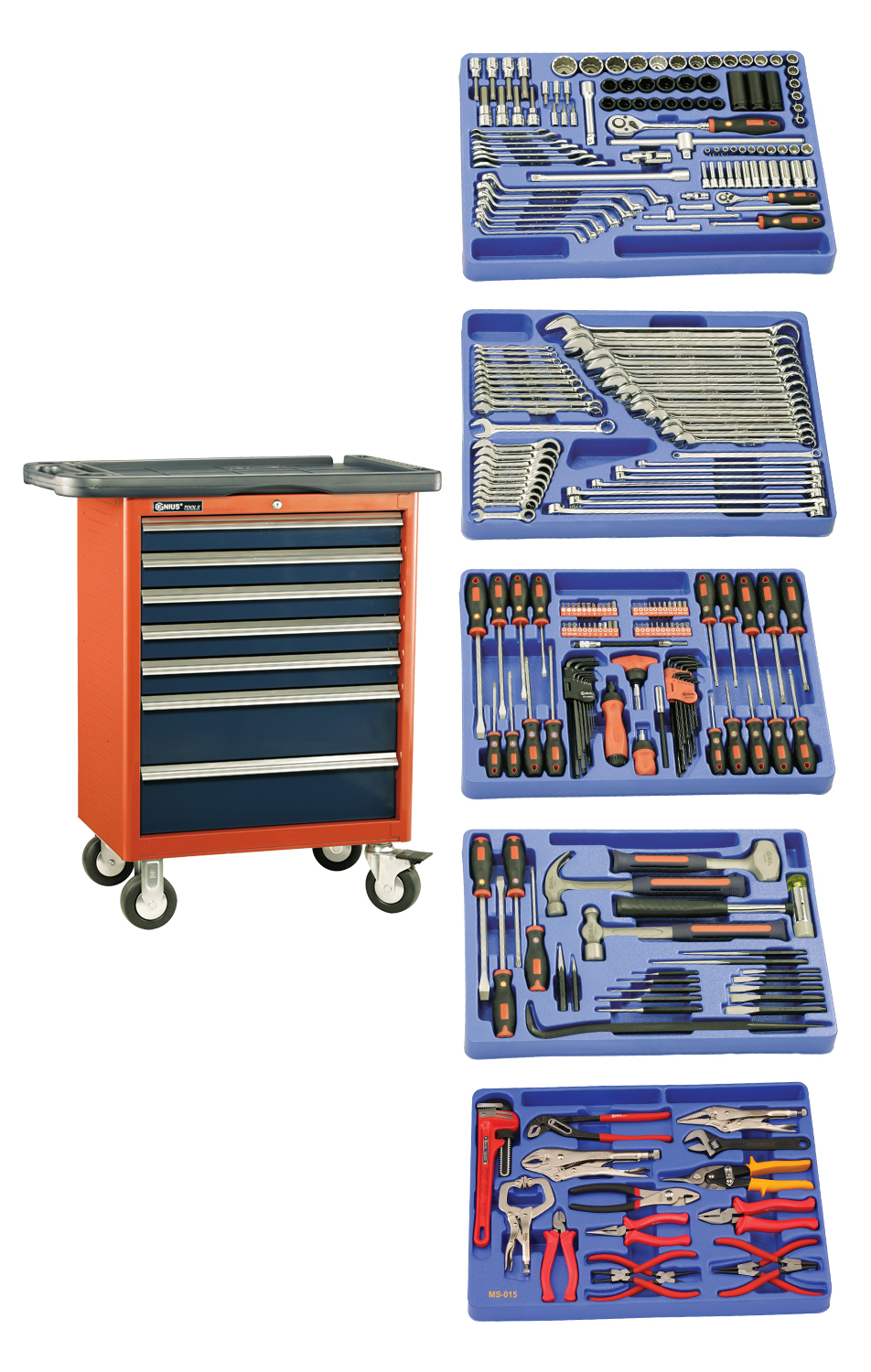
266PC Metric Mechanics Tool Set with Roller cabine
Mfg: Genius Tools
Part #: MS-266TS
ID: 316786
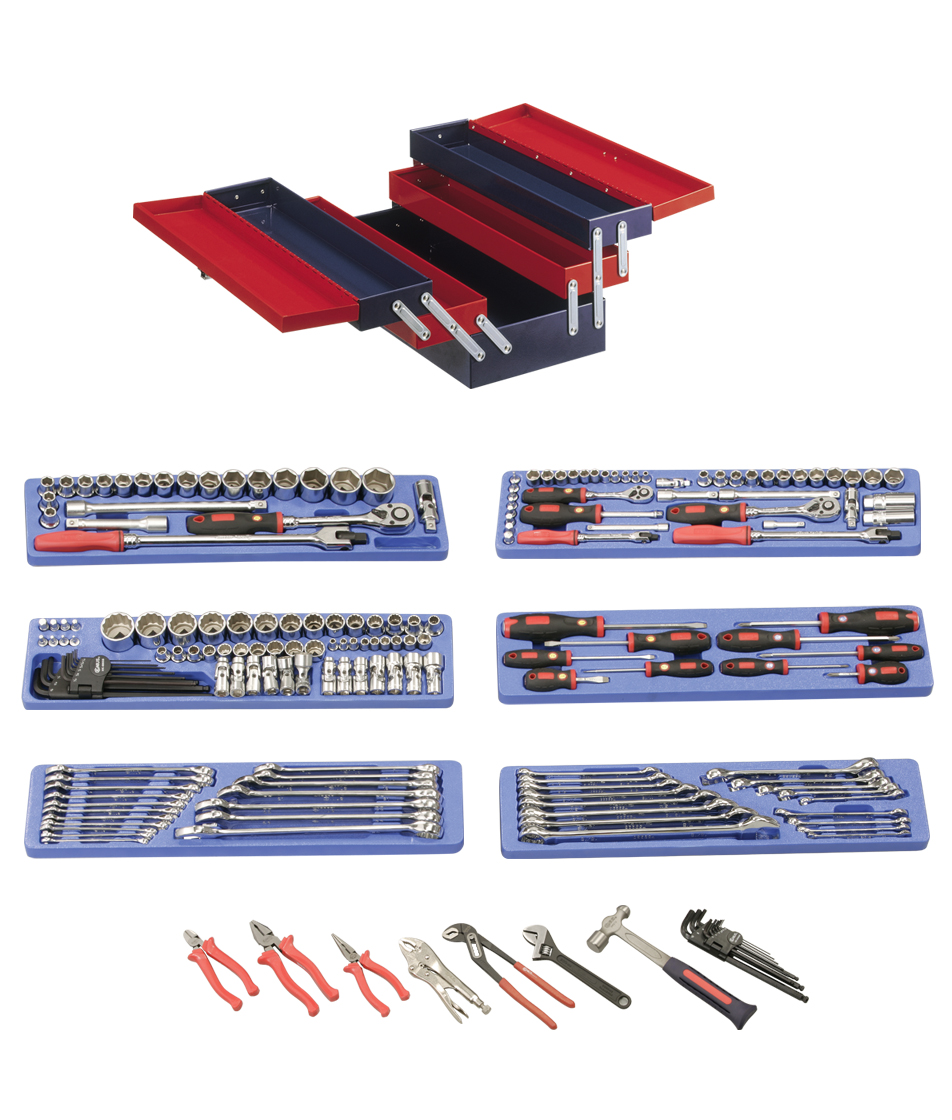
190PC Metric & sae sae standard Mechanics Tool Set with Tool Ch
Mfg: Genius Tools
Part #: MS-190TS
ID: 316371
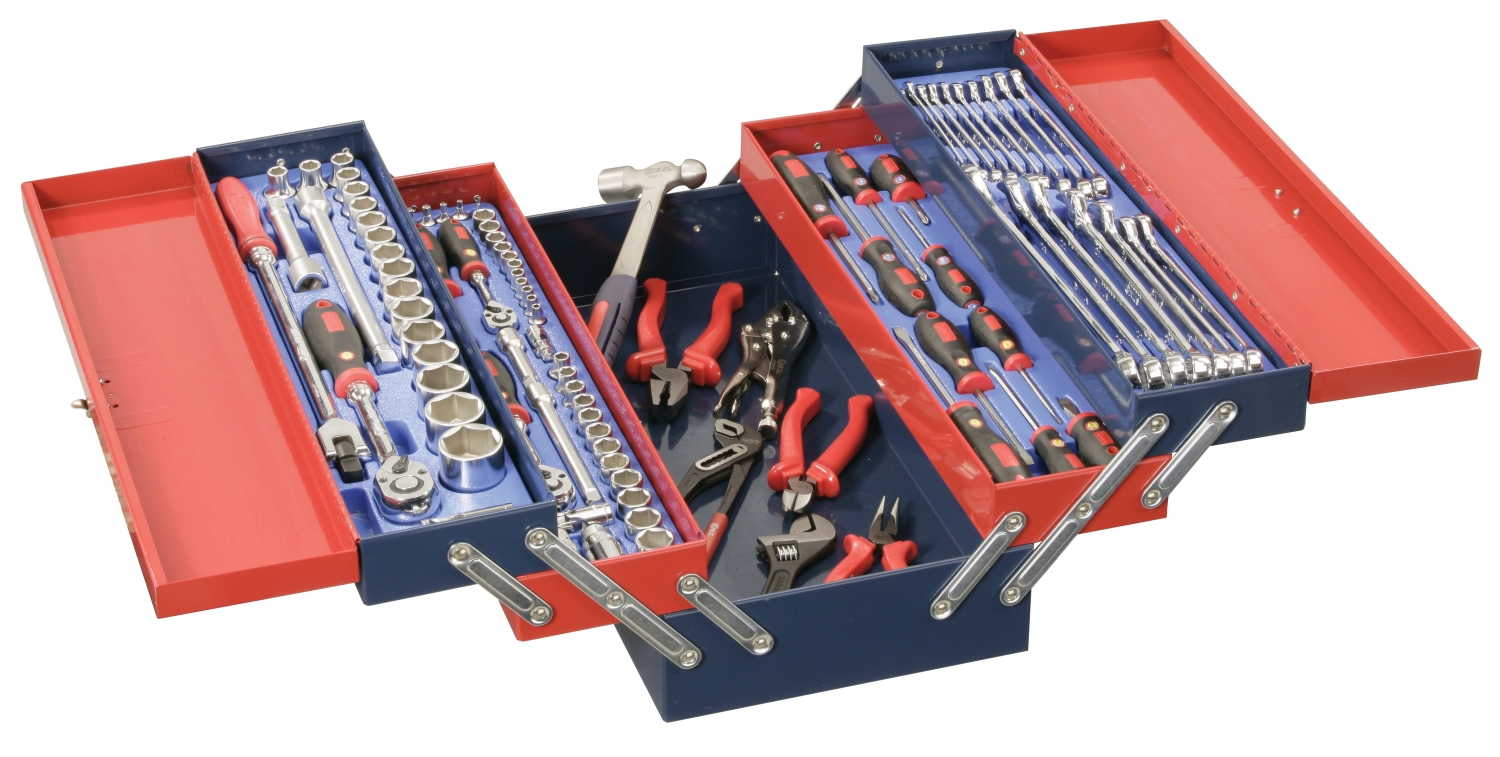
110PC Metric Mechanics Tool Set with 5 Tier Portab
Mfg: Genius Tools
Part #: MS-110TS
ID: 318248
The Tool Investment Reality: What You Actually Need
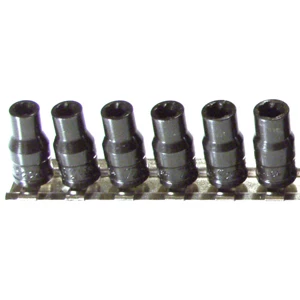

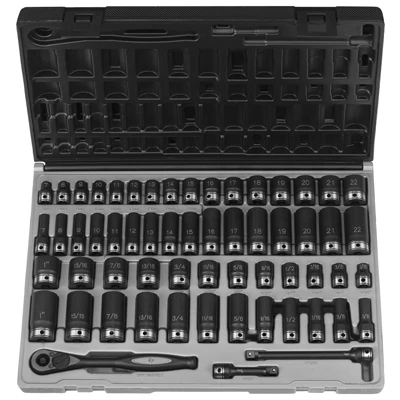
3/8 In Dr 12-Pt Std/Deep Fractional & Metric Duo-Socket Set - 59
Mfg: Grey Pneumatic
Part #: 81259CRD
The expectation that technicians supply their own tools made marginal sense when pay was 50% of shop rate. At modern compensation levels, it represents a significant barrier to entry and ongoing expense that other trades don’t face. A journey-level technician typically has $20,000-$50,000 invested in hand tools alone, before considering diagnostic equipment, specialized tools, or larger equipment.
The typical progression looks like this: You start with a basic tool set, often purchased through tool truck financing at interest rates that would make a credit card company blush. As you encounter jobs requiring specialized tools, you face a choice: buy the tool, borrow it from a coworker (creating social debt and workflow interruptions), or wait for the shop to provide it (which may never happen). Most technicians end up buying tools incrementally throughout their careers, with major purchases often financed through weekly tool truck payments that can consume 10-20% of take-home pay for years.
Contrast this with other trades: Plumbers, electricians, and HVAC technicians—all of whom earn comparable or higher wages—typically supply basic hand tools but have employers provide specialized equipment, diagnostic tools, and expensive machinery. A union diesel mechanic or heavy equipment technician works from a shop-provided toolbox stocked with shop-owned tools. Aircraft mechanics receive their tools from their employer. Fire department and municipal fleet mechanics work from budgeted tool supplies that get refreshed annually.
The argument for tech-owned tools centers on portability, customization, and quality control. You can take your tools to the next job, choose the brands you prefer, and avoid the frustration of missing or broken communal tools. These benefits have merit—chasing down borrowed tools or working with equipment someone else broke and returned to the shelf wastes time and creates friction. However, these advantages don’t justify the current economic arrangement where automotive technicians shoulder costs that similar trades don’t bear while earning less than those trades.
Manufacturer Warranty Pay: Adding Insult to Injury
Beyond flat rate’s inherent issues, technicians face another structural disadvantage: warranty work pays less than customer-pay jobs for identical repairs. When a manufacturer covers a repair under warranty, they reimburse the dealer at warranty rates—often 30-40% less than the door rate charged to retail customers. The same brake job that pays 2.0 hours at your $35 flat rate ($70) when a customer pays out of pocket might only pay 1.5 hours at $25 ($37.50) under warranty.
This creates a two-tier system where the technician performing identical work earns different amounts based on who’s paying the bill, not the work performed or time required. The job takes the same amount of time, requires the same tools and expertise, and produces the same result—yet manufacturer warranty work systematically undercompensates the technician actually doing the repair.
Adding frustration, warranty times and labor guides have been steadily converging downward. As technicians become more efficient and beat published times, the time guides get “adjusted” downward. What once paid 3.0 hours gets revised to 2.5, then 2.0, in a perpetual race to the bottom. This particularly affects experienced technicians—your efficiency and expertise get punished through time reductions that make the same job pay less year after year.
Several states have passed legislation addressing this disparity. In Illinois, for example, dealers must pay warranty labor at 1.5 times the warranty rate, bringing it closer to door rates, and parts must be marked up to retail pricing rather than paid at cost. These state-level interventions demonstrate that the manufacturer warranty pay structure isn’t an immutable law of nature—it’s a policy choice that can be changed through collective action or legislation.
The Career Math: Why Automotive Pays Less Than Other Trades
Automotive technicians possess a diverse skill set spanning electrical diagnostics, HVAC systems, hydraulics, computer networking, mechanical repair, and fabrication. Individually, each of these skills commands strong wages in other industries. An HVAC technician, electrician, or welder can earn $60,000-$100,000 annually with strong benefits and employer-provided tools. Yet automotive technicians, who must master all these disciplines plus vehicle-specific systems, often struggle to break $50,000-$60,000 in many markets.
The math doesn’t add up because of structural factors unique to automotive retail service. The flat rate system means your earnings depend on shop workflow management, parts availability, and steady customer traffic—factors beyond your control. A slow week costs you money even when you’re present and available to work. Winter months, economic downturns, or local competition can slash your income regardless of your skill level or work ethic.
Compare this to hourly-paid trades: An electrician working on a construction project gets paid for showing up, regardless of whether materials arrived on time or the general contractor scheduled work efficiently. A municipal fleet mechanic earns their salary whether there are five trucks in the shop or none. Heavy equipment technicians in union shops earn hourly rates with overtime, making $80,000-$120,000 annually with benefits, pensions, and shop-provided tools.
The tool investment compounds this disparity. A $30,000 tool investment represents about 50-60% of an automotive technician’s gross annual income in many markets. Financed over several years, the payments directly reduce take-home pay during your earning years. Meanwhile, that electrician earning comparable or better wages invested perhaps $2,000-$3,000 in hand tools, with the company providing the expensive diagnostic equipment, specialty tools, and consumables.
Vehicle technology evolution creates ongoing tool obsolescence. The diagnostic scanner that cost $5,000 five years ago may not support new vehicle networks or require expensive software subscriptions to remain functional. As vehicles transition from mechanical systems to electronic controls to networked computer systems, tool investments become recurring expenses rather than one-time purchases. Subscription-based repair information, diagnostic software updates, and manufacturer-specific tools for proprietary systems mean the barrier to entry and cost of remaining current continue rising.
Practical Steps: Navigating Today’s Compensation Landscape
Understanding the history and economics doesn’t change your immediate situation, but it should inform your career decisions. Here are practical approaches for navigating current compensation structures:
Seek hourly positions with guarantees: Truck and coach shops, heavy equipment repair, municipal fleet maintenance, and industrial equipment positions typically pay hourly rather than flat rate. These positions offer more stable income and usually provide tools or tool allowances. While they may lack the ceiling that exceptional flat rate techs can achieve, they provide a floor that protects you during slow periods.
Demand minimum guarantees if working flat rate: Before accepting a flat rate position, negotiate a guaranteed minimum—either a minimum number of hours per week or a minimum weekly pay. A guarantee of 40 hours weekly at your base rate means you get paid for a full week even when the shop is slow. California’s double-minimum-wage guarantee provides a model: your floor should reflect your skill level and tool investment, not unskilled labor rates.
Understand the complete compensation package: Your hourly or flat rate is only part of total compensation. Health insurance, retirement contributions, paid time off, and continuing education support all have cash value. A shop offering $32/hour with full benefits and tool allowances may provide better total compensation than a shop paying $38/hour with nothing else. In states with employer-paid medical leave programs, this benefit has real value even if it doesn’t appear on your paycheck.
Calculate true costs before major purchases: Before financing that $15,000 toolbox or $8,000 diagnostic scanner, calculate the true cost including interest and opportunity cost. Tool truck financing often carries 15-25% interest rates, meaning a $10,000 purchase costs $13,000-$15,000 over the term. Alternative financing through credit unions or even credit cards may offer better terms. Consider whether renting, borrowing, or buying used equipment makes more sense for rarely-used specialty tools.
Leverage tool investments across income sources: If you’re making significant tool investments, maximize their return by using them for side work or mobile repair services. Tools you’ve already purchased for your primary job can generate additional income without additional capital investment. Just ensure your employer agreement doesn’t prohibit outside work and that you’re properly insured for independent operations.
Track expenses for tax purposes: Unreimbursed employee expenses, including tools, safety equipment, uniforms, and continuing education, may be tax-deductible if you itemize. While federal tax law changes have limited these deductions, some states still allow them. Consult with a tax professional familiar with automotive technician expenses to ensure you’re capturing available deductions. Maintain receipts and documentation for all work-related purchases.
Consider union positions or advocate for collective bargaining: While many automotive technicians work in non-union shops, union positions exist, particularly in heavy-duty diesel, transit, and municipal settings. These positions typically offer hourly pay, guaranteed hours, benefits, and grievance procedures that protect against arbitrary treatment. If you’re in a non-union shop, understand that labor law protects your right to discuss wages and working conditions with colleagues—the first step toward collective bargaining.
The Path Forward: What Needs to Change
Individual career decisions help optimize your situation within current structures, but systemic change requires collective action and industry evolution. Several reforms would significantly improve technician economics:
Standardize warranty pay parity: Manufacturer warranty work should reimburse at retail door rates, not discounted rates. The technician performs identical work regardless of who pays the bill. State-level legislation like Illinois’s 1.5x warranty rate requirement demonstrates this is achievable through policy action.
Establish skill-based wage floors: California’s double-minimum-wage floor for skilled technicians who supply their own tools provides a model. A federal or state-level requirement that flat rate technicians receive a minimum tied to their skill certification level would prevent the race to the bottom during slow periods.
Require transparent labor time auditing: Labor time guides should be subject to transparent review processes where working technicians can contest unrealistic times. The current system of unilateral time reductions by guide publishers lacks accountability and systematically undervalues complex or complicated repairs.
Mandate tool allowances or provisions: Shops could be required to either provide tools or offer meaningful tool allowances (not the token $10-20 weekly offerings some shops provide). An allowance of $2,000-$5,000 annually would help offset the acquisition and replacement costs that other trades don’t bear.
Protect diagnostic time compensation: As vehicle complexity increases, diagnostic time represents a growing portion of repair work. Shops should be required to pay for actual diagnostic time rather than relying on inadequate flat rate times or expecting free diagnostics as loss leaders.
These changes won’t happen spontaneously—they require technicians advocating for their interests collectively, either through existing unions, new organizing efforts, or professional associations that lobby for industry reforms.
Quick Reference Checklist: Evaluating a Shop Offer
- What is the compensation structure: hourly, flat rate, or hybrid with production bonuses?
- If flat rate, is there a guaranteed minimum weekly pay or hours?
- What is the posted door rate for labor, and what percentage of that will you receive?
- How does warranty work pay compared to customer-pay jobs?
- What is the complete benefits package: health insurance, retirement, paid time off?
- Does the shop provide any tools, equipment, or tool allowances?
- How does the shop handle slow periods—can you leave early or must you stay unpaid?
- What is the policy on comebacks and back-flagging hours?
- Is diagnostic time compensated separately or included in repair times?
- What opportunities exist for training and certification advancement?

Frequently Asked Questions
Why don’t automotive technicians just refuse to work flat rate?
Individual technicians have limited leverage in local job markets where flat rate is standard practice. Refusing flat rate positions means leaving the automotive field entirely or relocating to markets with different norms. Collective action through unions or professional associations would be required to shift industry-wide practices, but the automotive service sector remains largely non-unionized outside of heavy-duty and transit applications.
Is flat rate pay actually illegal?
No, flat rate compensation is legal under federal and state labor laws, provided the employer pays at least minimum wage for actual hours worked when flat rate earnings fall short. Some states, like California, have higher minimums for skilled trades. The practice may seem exploitative, but it’s been established through decades of precedent and hasn’t been successfully challenged as a violation of wage and hour laws.
How did technicians in other countries handle tool costs and compensation?
Practices vary significantly by country. In Germany, for example, employers provide safety equipment, uniforms, and toolboxes to new technicians, who are paid hourly wages (currently around €25/hour or $27 USD for experienced techs) with employer-paid health insurance regardless of employment status. Many European and Asian markets treat automotive technicians more like other skilled trades, with employer-provided tools and hourly compensation.
Can you make good money as a flat rate technician?
Yes, highly efficient technicians in busy shops can earn strong incomes under flat rate systems, sometimes exceeding what they’d make hourly. The ceiling is higher than hourly pay—if you’re fast, skilled, and the shop has consistent work, you can flag 60-80 hours in a 40-hour week. However, this requires being in the right shop, with the right workflow, and maintaining that pace consistently. Many technicians find the stress and income volatility not worth the potential upside.
Why don’t shops just pay hourly and eliminate flat rate complications?
From a shop’s perspective, flat rate transfers business risk to the technician—when work is slow, labor costs automatically decrease because techs aren’t flagging hours. Hourly pay means the shop bears the cost of slow periods, seasonal fluctuations, and inefficiencies. Additionally, shops argue that flat rate incentivizes efficiency and productivity. In reality, many of the efficiency gains come from corner-cutting, rushing work, or avoiding complex jobs that don’t pay well.
What’s the difference between automotive and heavy-duty diesel regarding pay and tools?
Heavy-duty diesel positions more commonly offer hourly pay with overtime, union representation, and employer-provided tools. The work involves commercial vehicles, equipment, and fleets that operate on scheduled maintenance rather than repair-on-demand, creating more predictable workflow. The commercial customer base often involves direct billing to fleet accounts rather than retail customers, changing the business economics in ways that support better technician compensation.
The automotive service industry’s compensation structure reflects historical labor disputes more than current market logic. Understanding why techs buy their own tools—and the 1975 strike that fundamentally changed shop pay—provides context for today’s challenges and points toward potential reforms. While individual technicians must navigate existing systems strategically, the industry as a whole would benefit from compensation models that reflect the true skill, investment, and value that professional technicians provide.
Essential Hand Tools for Automotive Work
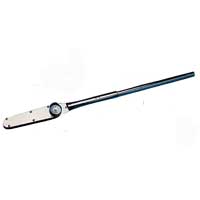
1 Inch Drive Dual Scale Dial Torque Wrench - 0-1000 ft-lbs
Mfg: CDI Torque Products
Part #: 10005LDFN

1/4 Dr. 5-25Nm Fixed Head E-Spec Electronic Torque Wrench Kit
Mfg: GearWrench
Part #: 85235
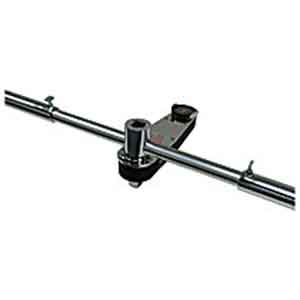
1 Inch Drive Dial Torque Wrench w/ Light and Buzzer - 0-2000 ft
Mfg: CDI Torque Products
Part #: 20005LDFESS
Building a solid foundation of quality hand tools is critical for any automotive technician, whether you’re working in a shop or handling your own maintenance. Our Hand Tools selection covers the basics every tech needs.
- Wrenches, sockets, and ratchets in metric and standard sizes
- Screwdrivers, pliers, and specialty gripping tools
- Hammers, chisels, and striking tools for fastener work
Essential Hand Tools Every Tech Needs
Whether you’re building your personal tool collection or outfitting a shop, quality hand tools are the foundation of professional work. The economics of tool ownership favor investing in durable, reliable equipment that pays for itself through years of dependable service.
Explore our curated hand tools selection to find the same trusted brands and tool types that experienced auto technicians depend on daily:
- Precision Screwdrivers & Bit Sets – Professional-grade drivers designed for automotive fasteners and tight spaces
- Torque Wrenches & Socket Sets – Calibrated tools ensuring proper fastener specifications and equipment longevity
- Pliers & Crimpers – Heavy-duty options built for electrical and mechanical connections that last

The Toolsource Technical Team blends decades of real-world automotive service experience with up-to-date technical research. Our writers collaborate with professional mechanics, shop owners, and diagnostic specialists to deliver practical, workshop-ready guidance you can trust.


Follow us on social media