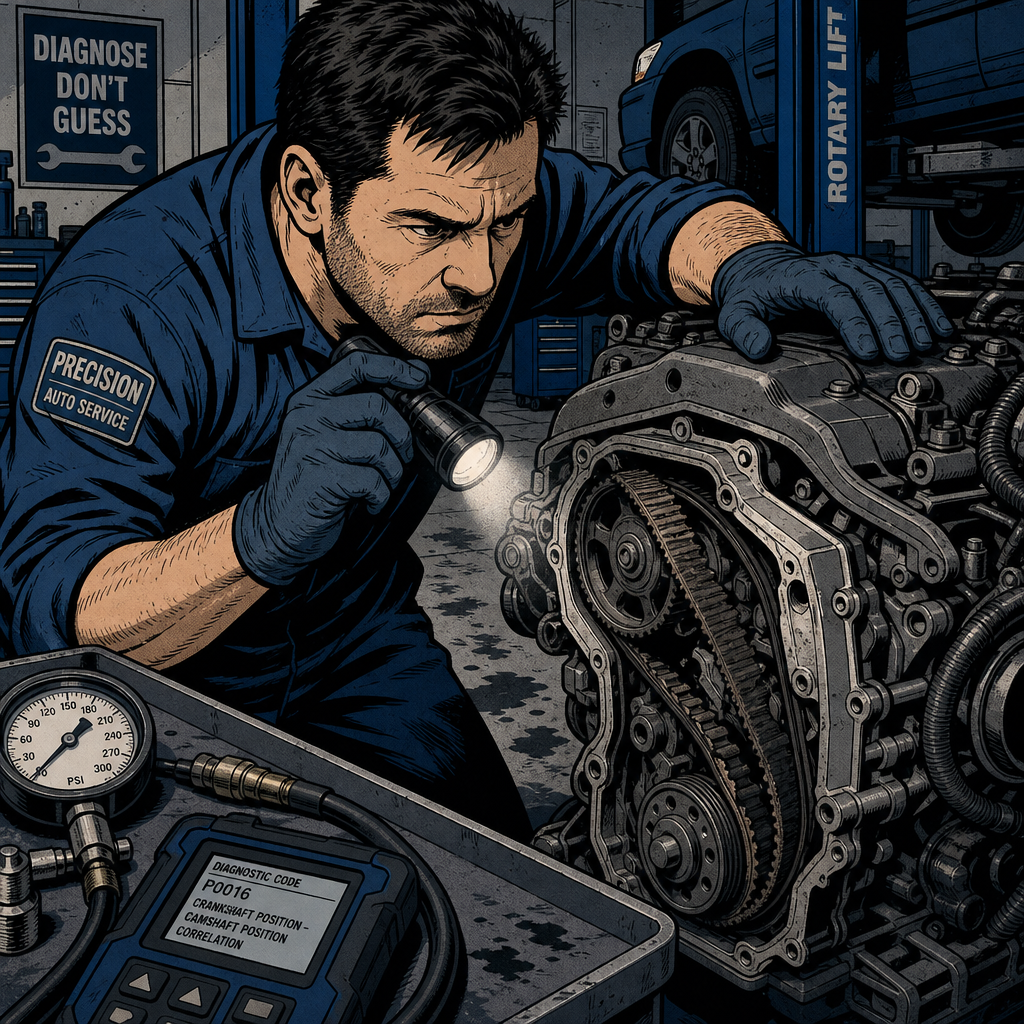
Every technician has been there: a customer rolls in absolutely certain they need an alternator replacement, only for you to pop the hood and discover a snapped timing belt on an interference engine. The alternator is fine. The engine? Not so much. This scenario plays out daily in shops across the country, fueled by well-meaning advice from parts store clerks, tow truck drivers, online forums, and increasingly, AI chatbots. Understanding why customers consistently misdiagnose no-start conditions—and how to protect yourself and your shop when their diagnosis is dead wrong—is essential for modern automotive service.
Why Customers Default to “Alternator or Battery”
The pattern is remarkably consistent: engine won’t start, customer immediately suspects the alternator or battery. There’s a logical foundation to this assumption that goes back decades. In the carburetor era, electrical issues were indeed among the most common no-start causes. Grandpa’s advice about checking the battery first made perfect sense in 1959. That knowledge gets passed down through generations, becoming automotive folk wisdom that doesn’t account for modern engine technology.
The problem intensifies when customers experience a previous electrical issue. If someone replaced their battery a few months ago and now faces another no-start, they naturally conclude the alternator must have killed the new battery. This logical leap ignores dozens of other failure modes that can prevent starting. The electrical system is tangible and understandable—you can see a battery, test voltage with a cheap multimeter, and parts stores will check these components for free. A timing belt hidden behind covers? That requires expertise to inspect.
Modern customers also consult multiple sources before arriving at your bay. The parts store employee runs a code reader and sees a crank position sensor code. The tow truck driver offers an opinion. Online forums provide conflicting advice. AI chatbots confidently suggest solutions based on incomplete information. By the time the vehicle reaches your shop, the customer has invested time and mental energy into their diagnosis and may resist alternative explanations.
The Anatomy of Timing Belt Failure Misdiagnosis
Timing belt failures present symptoms that superficially resemble electrical problems. The starter cranks but the engine won’t fire. To an untrained observer, this looks exactly like a fuel or spark issue—and if the battery is weak from cranking attempts, it reinforces the electrical failure theory. The customer doesn’t hear unusual noises or feel anything break. The belt simply stops doing its job, valves and pistons fall out of sync, and on interference engines, catastrophic internal damage occurs in milliseconds.
Honda J-series engines exemplify this problem. Found in Accords, Pilots, Odysseys, and Acuras from the late 1990s forward, these interference engines will destroy themselves when the timing belt breaks. At 225,000 miles on the original belt—as seen in real-world cases—failure isn’t a possibility, it’s a certainty. Yet owners who’ve never performed this maintenance may not even know their vehicle has a timing belt, especially if they’re accustomed to timing chain engines that don’t require regular replacement.
The diagnostic confusion gets worse with modern electronics. A failed timing belt often triggers camshaft or crankshaft position sensor codes because the ECM detects that cam and crank correlation is wrong. The customer or parts store sees “crankshaft sensor” on the code reader and assumes that’s the failed part. They don’t understand that the code indicates a symptom, not necessarily the root cause. You’ll need to educate them that while the sensor is reporting accurately, it’s reporting that the timing relationship has failed—which could mean a jumped or broken belt, not a bad sensor.
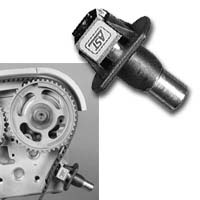

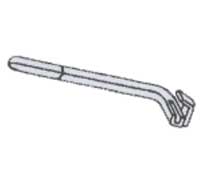
Timing Belt Tensioner Wrench Ford T74P-6254-A
Mfg: OTC Tools and Equipment
Part #: 303-097
Proper No-Start Diagnostic Procedure
When a customer arrives insisting on a specific repair, your diagnostic process shouldn’t change. Start with verification of the actual problem, not the customer’s conclusion. For a no-start complaint, follow a systematic approach regardless of what the customer believes is wrong.
First, verify the battery condition and state of charge. Yes, even though the customer says they need an alternator, you need baseline electrical data. A battery that’s been run down from repeated start attempts may need charging before you can properly diagnose anything else. Record voltage and load test results.
Next, confirm the starter operation. Does it crank? How does it sound? A normal cranking speed with no ignition suggests fuel, spark, or mechanical timing issues. Slower than normal cranking points to electrical or mechanical resistance problems. No cranking at all obviously indicates starter circuit problems.
For engines that crank but won’t start, check for spark and fuel delivery before diving into mechanical inspection. Pull a spark plug, ground it against the block, and watch for spark while cranking. Check fuel pressure at the rail. These quick tests eliminate or confirm entire systems and take minutes.
Here’s where timing belt inspection becomes critical: if you have spark and fuel but no start, and especially if you have cam/crank correlation codes, you need eyes on that timing belt. On covered engines, this means removing the upper timing cover at minimum. Look for belt presence (yes, sometimes they disintegrate completely), condition, and proper tension. If the belt is present, manually rotate the crankshaft and verify the timing marks align properly. If they don’t, the belt has jumped or broken.
Before proceeding further, especially on interference engines, stop and assess. If the belt broke while running, you likely have valve damage. Perform a compression test or leak-down test on all cylinders to determine the extent of internal damage. This information is crucial for the next conversation with your customer.
Managing Customer Expectations and Documentation
The moment you discover the real problem differs significantly from what the customer requested, stop work and communicate. This is not the time to continue diagnosing or start repairs. The customer authorized an alternator replacement, not an engine teardown or replacement. What you do next determines whether you get paid and whether the customer leaves satisfied or hostile.
Document everything with photos. Snap pictures of the broken or missing timing belt, the odometer showing mileage, the condition of related components, and anything else relevant. Modern phones make this effortless, and visual evidence is invaluable when explaining why the $200 alternator job just became a $3,500 engine replacement.
Call the customer immediately with your findings. Explain what you found, why it happened, and what it means for their vehicle. Use clear language: “Your timing belt has broken. This engine is an interference design, which means when the belt breaks, the pistons hit the valves and cause internal damage. We need to perform additional testing to determine if the engine can be repaired or needs replacement.” Avoid technical jargon but don’t dumb it down so much that the severity is lost.
Present options with realistic cost estimates. Can the head be removed and rebuilt? Does the engine need replacement? Is the vehicle worth the repair cost? Give the customer information to make an informed decision. Some will authorize further diagnosis and repair. Others will opt to tow it home or to a salvage yard. Both are valid choices, and your job is to provide accurate information, not to make the decision for them.
Charge appropriately for diagnostic time. You were authorized to replace an alternator, but you had to diagnose the actual problem first. Most shops charge a diagnostic fee for this exact reason. Make sure your initial estimate or work order includes diagnostic time separate from the requested repair. When the customer balks at paying for diagnosis when you “didn’t fix anything,” remind them that you found the real problem and prevented them from wasting money on unnecessary parts.
The “Just Do What They Asked” Approach
Some technicians, burned out from arguing with customers who refuse to accept diagnostic findings, adopt a simple policy: give them exactly what they requested. Customer wants an alternator? Install an alternator. Document that you recommended further diagnosis, they declined, and you performed the requested service only. Put it in writing, have them sign it, and collect payment.
This approach has merit in specific circumstances. It protects you from accusations of upselling or performing unauthorized work. It ensures you get paid for something rather than spending an hour on diagnosis that the customer refuses to authorize or pay for. When the vehicle still doesn’t start after the alternator replacement, you have documentation that you performed only the requested service and offered proper diagnosis.
However, this strategy has significant downsides. Most professional technicians find it ethically uncomfortable to install parts they know won’t solve the problem. It can damage your shop’s reputation when the customer tells everyone you “fixed” their car and it still doesn’t work. It wastes the customer’s money on unnecessary parts. And in some jurisdictions, it may violate consumer protection laws or professional standards that require you to inform customers of known issues.
A middle-ground approach works better: perform the minimum diagnosis necessary to verify the actual problem, document your findings thoroughly, present the information to the customer clearly, and let them decide. If they still insist on the alternator replacement after you’ve shown them the broken timing belt, get that decision in writing with explicit acknowledgment that you’ve informed them of the actual issue and they’re choosing to proceed with their original request anyway. This protects you legally while respecting customer autonomy.
Quick Reference Checklist for No-Start Customer Diagnosis Conflicts
- Verify the actual problem through systematic diagnosis regardless of customer’s conclusion
- Document all findings with photos, especially unexpected failures like broken timing belts
- Stop work immediately when actual problem differs significantly from customer request
- Contact customer before proceeding with unauthorized diagnosis or repairs
- Explain findings in clear, non-technical language with visual evidence
- Provide written estimates for actual repairs needed with realistic cost ranges
- Get written authorization before performing any work beyond initial diagnosis
- If customer insists on their original diagnosis, document their decision in writing
- Charge for diagnostic time separate from repair labor
- Remember that your expertise is valuable even when it delivers bad news
Common Customer Self-Diagnosis Sources and Their Limitations
Understanding where customers get their automotive advice helps you address their misconceptions more effectively. Parts store employees mean well, but they’re trained to sell parts based on symptoms and code readers, not to perform comprehensive diagnosis. Code readers report sensor data and fault codes, not root causes. A crankshaft position sensor code doesn’t mean the sensor failed—it means the sensor detected something wrong with crank position or timing correlation.
Tow truck drivers see hundreds of broken-down vehicles and develop pattern recognition, but they rarely perform actual diagnosis. A driver who correctly identifies a failed ball joint one time will confidently diagnose ball joints for every similar symptom, even when the actual failure is a wheel bearing, CV joint, or control arm. Their “diagnosis” is an educated guess at best.
Online forums and social media groups can provide valuable information from experienced technicians and enthusiasts, but they can also spread misinformation rapidly. A poster describes symptoms incompletely, receives confident but incorrect advice, follows that advice, and then reports back that the problem persists—generating a new round of speculation. Without hands-on inspection, even experienced techs can’t reliably diagnose based on text descriptions alone.
AI chatbots represent the newest source of automotive misinformation. These systems generate plausible-sounding advice based on pattern matching in their training data, but they have no ability to inspect the actual vehicle, verify symptoms, or apply professional judgment. They’ll confidently suggest solutions that make no mechanical sense if similar word patterns appeared in their training data. Customers don’t understand these limitations and may trust AI-generated advice over your professional assessment.
When confronting customer certainty based on these sources, avoid directly attacking their information sources. Instead, acknowledge their research effort and redirect to the physical evidence: “I understand the code reader showed a crank sensor code. Let me show you what’s actually happening under this timing cover. The sensor is working correctly—it’s reporting that the timing belt has broken. Here’s the photo showing the belt failure.”
Interference Engines and the High Cost of Deferred Maintenance
The timing belt scenario becomes catastrophic on interference engines, where pistons and valves occupy the same space at different times in the combustion cycle. When timing belt replacement gets deferred past the manufacturer’s interval—typically 60,000 to 105,000 miles depending on the engine—belt failure changes from an inconvenient breakdown to engine destruction.
Honda J-series engines, Toyota interference four-cylinders, many Volkswagen and Audi engines, Subaru models, and numerous others will suffer bent valves, damaged pistons, and sometimes cracked heads when the timing belt breaks. The repair cost jumps from a $500-$800 timing belt service to a $2,500-$5,000 engine rebuild or replacement. At 225,000 miles on the original belt—a real scenario from the field—the owner has been living on borrowed time for over 100,000 miles.
Customers often don’t know whether their engine is interference or non-interference design. They may not even know their vehicle has a timing belt rather than a chain. When you discover a severely overdue timing belt during diagnosis for another issue, you face a difficult conversation. The customer came in for a no-start diagnosis, probably expecting a few hundred dollars for an alternator or starter. Now you’re telling them their engine might be destroyed and needs thousands in repairs.
This is where your documentation and communication skills matter most. Show them the maintenance schedule in their owner’s manual or service information system. Explain that timing belt replacement is scheduled maintenance, not optional. Point out the mileage on their odometer versus the replacement interval. Help them understand that this isn’t a random failure or bad luck—it’s the predictable result of deferred maintenance.
For engines that jumped time but haven’t broken the belt yet, you might catch it before valve damage occurs. A compression test showing good readings on all cylinders is cause for relief and immediate timing belt replacement. Don’t let the customer leave to “think about it” or “save up for it.” An engine that’s jumped time is hours away from catastrophic failure. Offer payment plans, suggest they borrow money from family, do whatever it takes to impress upon them the urgency. An engine running on a jumped timing belt is a grenade with the pin pulled.
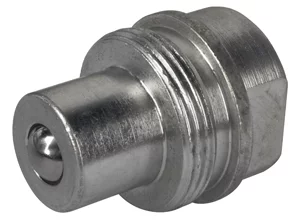
OTC 9798 Half Coupler for Automotive Tools & Equipment
Mfg: OTC Tools and Equipment
Part #: 9798
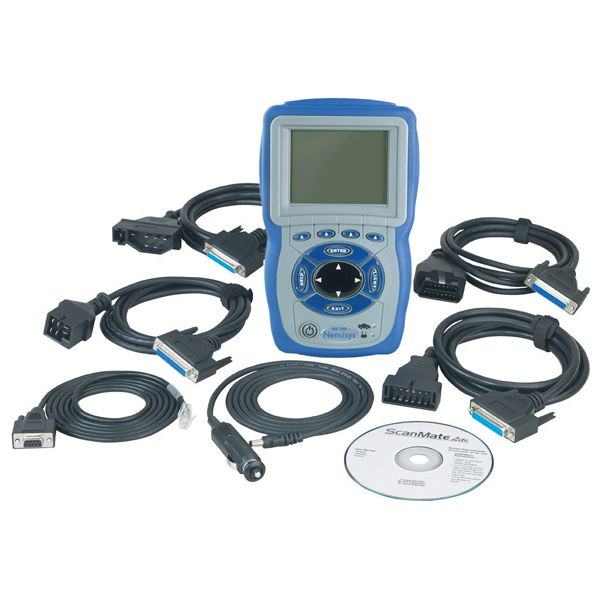
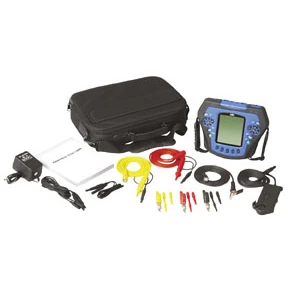
OTC 3797M07 Nemisys USA 07 Domestic Scan Kit
Mfg: OTC Tools and Equipment
Part #: 3797M07
Frequently Asked Questions
Can I diagnose a timing belt failure without removing the timing cover?
Not reliably. While certain symptoms strongly suggest timing belt failure—especially cam/crank correlation codes combined with cranks-but-won’t-start conditions—you cannot definitively diagnose belt condition without visual inspection. Remove at least the upper timing cover to verify belt presence and condition. Some engines allow you to rotate the crankshaft and check timing mark alignment through inspection windows, but nothing replaces direct visual confirmation.
Should I charge for diagnostic time if the customer specifically requested a different repair?
Absolutely. Your diagnostic expertise has value regardless of whether it confirms or contradicts the customer’s initial assumption. Most professional shops charge a diagnostic fee separate from repair labor for exactly this reason. Make this clear when the customer drops off the vehicle: “There’s a diagnostic fee to determine the actual cause of the no-start. If you authorize the recommended repairs, we typically apply this fee toward the repair cost.” Get this agreement upfront to avoid payment disputes later.
What if the customer refuses to believe my diagnosis and insists I install the part they requested?
Document everything in writing. Create a repair order that states: “Customer requests alternator replacement. Technician diagnosis indicates timing belt failure with likely internal engine damage. Customer has been informed of actual condition and chooses to proceed with alternator replacement only. Customer acknowledges this repair will not resolve the no-start condition.” Have the customer sign this document. Take photos of your findings. Then install their requested alternator, collect payment, and return the vehicle. You’ve protected yourself legally while respecting their autonomy to make bad decisions with their own money.
How do I handle the situation when I discover catastrophic damage beyond what the customer can afford?
Be honest and compassionate. Many people depend on their vehicles for work and survival. Present all options: engine replacement with used/rebuilt/new units at different price points, repair of the existing engine if possible, or retiring the vehicle. Some customers genuinely cannot afford major repairs and need to know their realistic options, which might include selling the car as-is to a salvage yard and using that money toward a different vehicle. Your job is to provide accurate information and fair pricing, not to judge their financial situation or push them toward decisions they can’t afford.
Are timing chains immune to the failures that affect timing belts?
No, though they fail differently and less frequently. Timing chains can stretch over time, jump teeth if tensioner fails, or break if severely neglected. Chain-equipped engines typically don’t have scheduled replacement intervals like belt-equipped engines, but they’re not maintenance-free. Chain stretch can cause timing errors, rough running, and codes. Catastrophic chain failure can damage interference engines just like belt failure. The main advantage is longevity—chains typically last 150,000-300,000 miles or more if oil changes are maintained, versus 60,000-105,000 miles for belts.
How can I prevent these diagnostic conflicts with better customer communication?
Set expectations from initial contact. When a customer calls describing a no-start and says “I think I need an alternator,” respond with: “No-start conditions can have many causes. We’ll need to perform diagnosis to determine the actual problem. Our diagnostic fee is [amount], and once we identify the cause, we’ll contact you with findings and a repair estimate before proceeding.” This establishes that diagnosis comes before parts replacement and that their initial assumption may be incorrect. When they drop off the vehicle, have them sign a work order authorizing diagnosis, not a specific repair. This gives you the authority to investigate properly and protects both parties when the actual problem differs from expectations.
Diagnostic Tools for No-Start Troubleshooting
Accurate diagnosis separates professional repair from parts-slinging guesswork. When customers arrive insisting on an alternator but the real problem is a timing belt, you need reliable equipment to verify the actual failure quickly and confidently. Our selection of Automotive Diagnostic Tools includes the instruments that let you confirm spark, fuel pressure, compression, and timing correlation without wasting time or customer money.
- Multimeters and voltage testers for electrical system verification
- Fuel pressure gauges to rule out fuel delivery issues
- Compression and leak-down testers to assess internal engine condition

The Toolsource Technical Team blends decades of real-world automotive service experience with up-to-date technical research. Our writers collaborate with professional mechanics, shop owners, and diagnostic specialists to deliver practical, workshop-ready guidance you can trust.


Follow us on social media