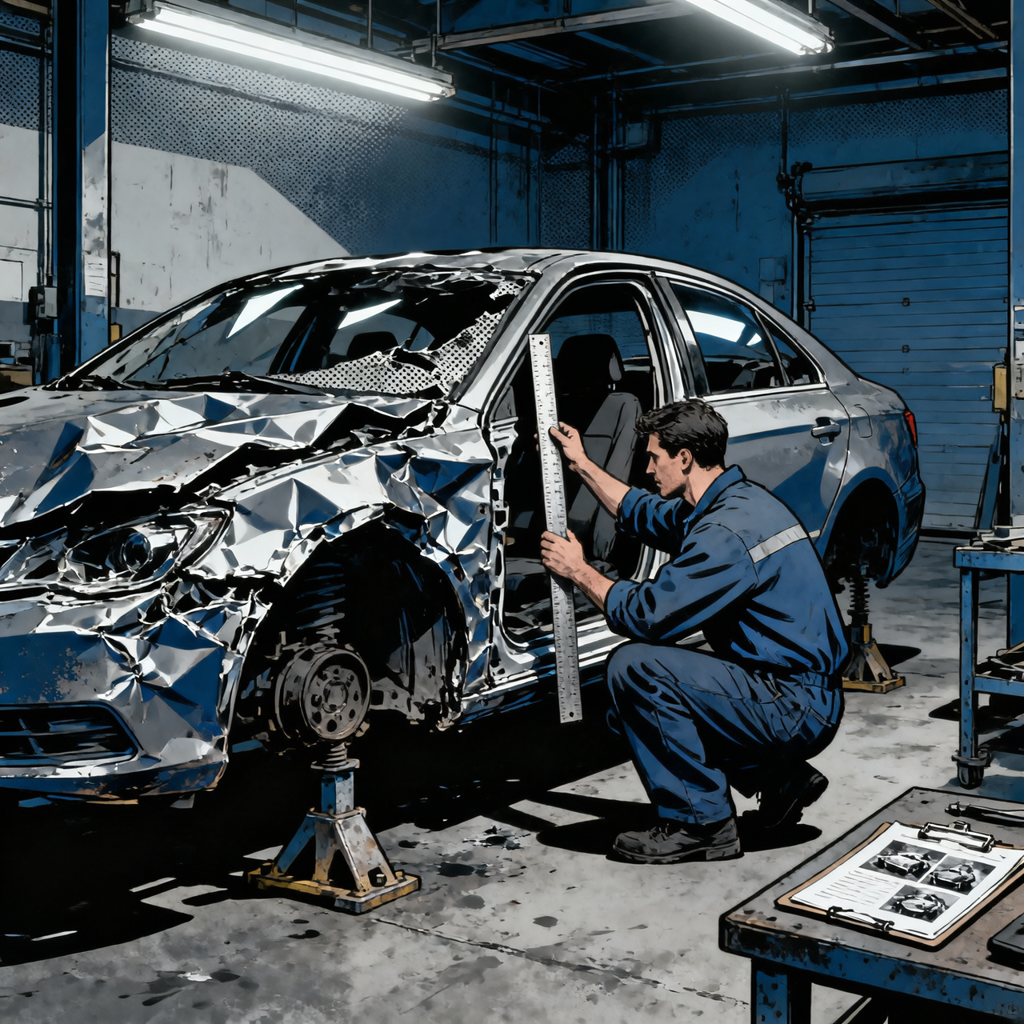
One of the most common questions in automotive repair shops is whether a damaged vehicle is worth fixing or if it’s a total loss. While insurance adjusters make the final determination, understanding the factors that influence total loss calculations helps technicians provide realistic expectations to customers and streamline the claims process. This guide breaks down the practical steps for assessing damage, calculating repair costs, and determining when a vehicle crosses the threshold from repairable to totaled.
Understanding Total Loss Thresholds and Insurance Calculations
A vehicle is declared a total loss when the cost of repairs plus salvage value equals or exceeds the actual cash value (ACV) of the vehicle. Insurance companies use specific formulas that vary by state, with total loss thresholds typically ranging from 65% to 100% of the vehicle’s ACV. The formula is straightforward: if estimated repairs + salvage value ≥ ACV × state threshold percentage, the vehicle is totaled.
Most states operate on a Total Loss Formula (TLF) rather than a strict percentage threshold. The TLF considers repair costs, salvage value, and vehicle worth. For example, if a vehicle has an ACV of $10,000, estimated repairs of $7,500, and a salvage value of $2,000, the total economic loss is $9,500—likely triggering a total loss declaration in most jurisdictions.
Key factors that affect total loss calculations include the vehicle’s pre-accident condition, mileage, local market value, and whether the state uses TLF or threshold percentage. Technicians should understand their state’s specific regulations, as this knowledge helps set customer expectations during initial damage assessments. Labor rates also play a critical role—higher regional labor costs mean vehicles total more easily in expensive markets compared to areas with lower shop rates.
Conducting a Preliminary Damage Assessment
Before customers pay for a full estimate, technicians can perform a visual assessment to identify obvious total loss indicators. Start by documenting all visible damage with photographs from multiple angles, including close-ups of structural components, suspension damage, and frame rails. Check for airbag deployment, as airbag replacement alone can cost $2,000-$5,000 depending on how many modules deployed.
Inspect the vehicle’s structure for frame damage, particularly on unibody vehicles where bent frame rails often mean economic totals. Look for gaps in body panels that indicate structural misalignment, doors that won’t close properly, and visible crumpling in the A, B, or C pillars. These structural issues require frame straightening equipment and extensive labor hours that quickly escalate repair costs.
Examine the undercarriage for suspension and subframe damage. A hard frontal impact that damages the engine cradle, transmission mounts, or suspension pickup points typically involves costly parts and labor. Check for fluid leaks indicating damage to the engine, transmission, fuel system, or cooling system. Powertrain damage combined with body damage almost always results in total loss on vehicles older than five years.
Document all pre-existing damage separately. Insurance companies only pay for accident-related damage, so distinguishing new damage from old rust, previous repairs, or wear is essential for accurate estimates. Take note of the vehicle’s overall condition—a high-mileage vehicle with worn interior, faded paint, and mechanical issues has lower ACV and totals more easily than a well-maintained example.
Using Estimating Software and Parts Pricing for Accurate Calculations
Professional body shops use estimating software like CCC ONE, Mitchell, or Audatex that contain manufacturer labor times and OEM parts pricing. These systems provide the standardized estimates insurance companies expect and include databases updated with current parts costs. Technicians cannot provide accurate ballpark figures from photos alone because every vehicle model has different parts costs, labor operations, and repair procedures.
When building an estimate, start with visible damage and add common hidden damage items based on the impact type. Front-end collisions typically involve radiator support, condenser, cooling fans, and headlight assemblies beyond the obvious bumper and hood damage. Side impacts frequently damage door intrusion beams, B-pillar reinforcements, and rocker panels that aren’t visible until disassembly.
Include all necessary procedures in the estimate: frame straightening time, panel replacement versus repair decisions, blending adjacent panels for paint match, and wheel alignment after suspension work. Modern vehicles with ADAS (Advanced Driver Assistance Systems) require calibration after any structural repairs, adding $300-$1,200 depending on the number of sensors and cameras affected.
Price OEM parts versus aftermarket alternatives, as this significantly impacts total loss calculations. Insurance companies typically allow aftermarket parts for non-luxury vehicles, but some states require insurers to use OEM parts if requested. On newer vehicles still under warranty, OEM parts may be mandatory to preserve warranty coverage, increasing repair costs and total loss probability.
Recognizing Common Total Loss Scenarios
Certain damage patterns almost always result in total loss declarations. Airbag deployment on vehicles worth less than $8,000 typically totals the vehicle because airbag modules, sensors, seatbelt pretensioners, and clocksprings quickly consume 30-40% of the vehicle’s value before addressing body damage. Modern vehicles with curtain airbags, knee airbags, and side-impact airbags can have $6,000+ in airbag components alone.
Flood-damaged vehicles are frequently totaled due to electrical system damage and interior contamination. Water reaching the dashboard level affects modules, wiring harnesses, HVAC components, and upholstery—repairs that require extensive disassembly and component replacement. Insurance companies understand flood damage creates long-term reliability issues and total these vehicles rather than risk ongoing claims.
Rear-end collisions that damage the rear body panel, trunk floor, and fuel system on unibody vehicles often total because the rear structure is expensive to repair. Quarter panel replacement requires cutting and welding, pulling the body on frame equipment, and extensive refinishing labor. Combined with fuel tank, bumper reinforcement, and trunk lid replacement, these repairs easily exceed 75% of vehicle value on older cars.
High-mileage vehicles (over 150,000 miles) with moderate damage total more easily than low-mileage examples because their ACV is significantly lower. A $3,500 repair on a vehicle worth $4,000 triggers total loss, while the same damage on a $15,000 vehicle is a straightforward repair. Age matters less than actual cash value—a well-maintained 10-year-old truck might have higher ACV than a poorly maintained 5-year-old sedan.
Quick Total Loss Assessment Checklist
- Check for airbag deployment—multiple airbags deployed often indicates total loss on vehicles under $10,000 value
- Inspect frame rails and unibody structure for bends, kinks, or buckles indicating structural damage
- Look for engine or transmission damage from severe frontal impacts—powertrain replacement typically totals the vehicle
- Examine suspension mounting points and subframes for damage requiring extensive welding and alignment
- Calculate visible damage costs using rough estimates: bumper cover $500-$800, hood $400-$900, fender $300-$600, door $800-$1,500
- Add typical hidden damage: 20-30% of visible estimate for moderate impacts, 40-60% for severe collisions
- Compare estimated total repairs to vehicle’s market value using NADA, KBB, or comparable sales data
- Consider state total loss threshold—if repairs exceed 70-75% of ACV, total loss is likely regardless of state formula
- Document pre-existing damage separately to avoid inflating the accident-related repair estimate
Communicating Repair Reality to Vehicle Owners
The hardest part of damage assessment is managing customer expectations, particularly when owners have sentimental attachment to vehicles. Explain that “totaled” is an insurance term meaning repair costs exceed the vehicle’s market value—it doesn’t mean the car can’t be fixed, only that insurance won’t pay more than the car is worth. Owners can keep their vehicle, accept the total loss payout minus salvage value, and repair it themselves if they choose.
Be clear that you cannot provide accurate estimates from photos alone. Professional estimating requires physical inspection, disassembly to identify hidden damage, and computer software with current parts pricing and labor times. What looks like $2,000 in damage from photos often becomes $5,000 once the vehicle is on the rack and parts are removed. Shops that give ballpark figures from photos risk either drastically underestimating (frustrating customers later) or overestimating (scaring customers away from repairable damage).
Educate customers that insurance estimates are not optional or negotiable—they’re free assessments required for claims processing. Many customers avoid shops because they fear commitment or cost, but estimates don’t obligate them to repair. Getting a professional estimate helps them understand their options: file a claim, repair out of pocket, sell as-is, or accept total loss settlement.
For obvious total loss situations, be straightforward about the vehicle’s condition. Explain specific damage that drives up costs: frame damage requires certified frame straightening, ADAS calibration adds $800+, airbag replacement is $3,000+, and hidden damage typically adds 30% to initial estimates. Customers appreciate honesty over false hope, especially when they’re already facing vehicle replacement decisions.

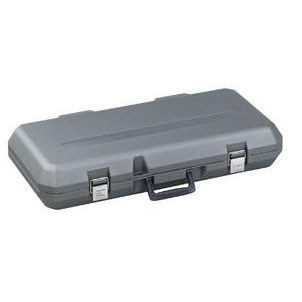
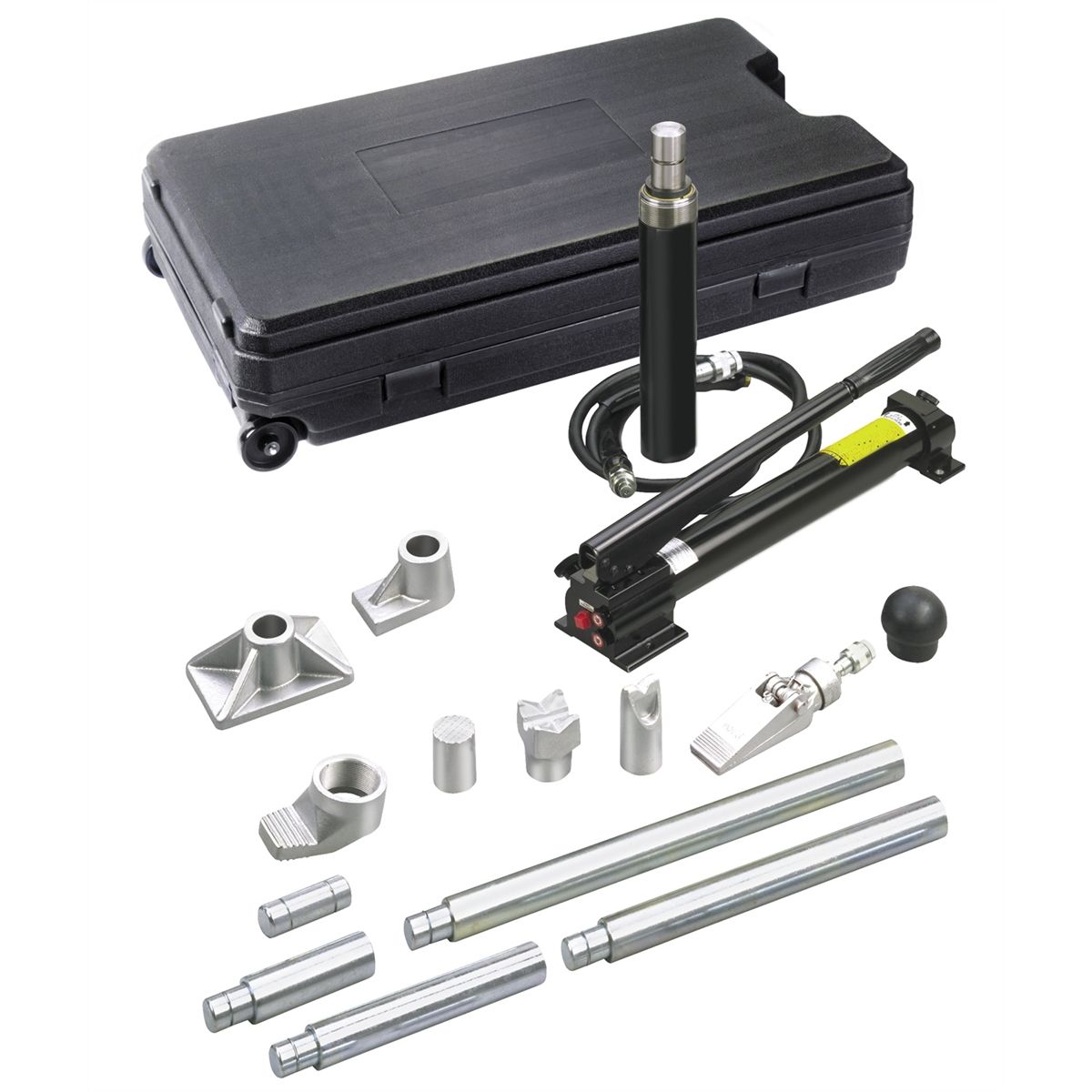
Cobra Series 10-Ton Collision Repair Set w/ 6 1/8 In Stroke Ram
Mfg: OTC Tools and Equipment
Part #: 1519A
Frequently Asked Questions
Can I get a repair estimate from photos without bringing my car to a shop?
While some insurance companies offer photo-based estimates through mobile apps, these are preliminary assessments only. Accurate estimates require physical inspection because hidden damage isn’t visible in photos. Suspension damage, frame misalignment, mechanical issues, and electrical problems only become apparent during hands-on evaluation. Professional body shops provide free estimates and can identify damage that photo-based systems miss, preventing supplement delays and lowballing.
What’s the difference between a ballpark figure and an actual estimate?
A ballpark figure is an educated guess based on visible damage, while an actual estimate uses estimating software with manufacturer labor times and current parts pricing. Ballpark figures might be accurate within 50% for minor damage, but they’re unreliable for structural damage, airbag deployment, or mechanical issues. Insurance companies require detailed estimates with line-item parts, labor operations, and procedure codes—not rough guesses. Experienced estimators can sometimes provide ranges (“likely $3,000-$5,000”) but won’t commit to specific numbers without inspection.
If my car is totaled by insurance, can I still fix it myself?
Yes. When insurance declares a total loss, you can retain the vehicle by accepting the settlement amount minus salvage value. The vehicle receives a salvage title, which affects resale value and insurability. You’re free to repair the vehicle yourself or hire a shop, but most insurance companies won’t provide full coverage on rebuilt salvage titles—only liability coverage. Before choosing this option, understand that salvage vehicles are harder to sell, may have inspection requirements for title rebranding, and could have hidden damage affecting long-term reliability.
How do shops calculate hidden damage before disassembly?
Estimators use impact type, severity, and experience to predict common hidden damage patterns. Front-end impacts typically damage radiator supports, condensers, and crash bars behind the bumper. Side impacts often bend door intrusion beams and B-pillar reinforcements. Initial estimates include probable hidden damage based on these patterns, then supplements are written during teardown when actual hidden damage is revealed. This is why insurance estimates come with disclaimers about additional damage—it’s normal for final costs to exceed initial estimates by 15-30%.
Why do labor costs vary so much between shops for the same repair?
Labor rates reflect regional operating costs, shop certification levels, and overhead expenses. Shops in high-cost urban areas charge $75-$125 per hour, while rural shops might charge $45-$65. Manufacturer-certified shops typically charge premium rates but guarantee OEM procedures and parts. Insurance companies negotiate prevailing rates with shops in their networks, which is why direct repair program shops often cost less than independent shops. Labor time itself is standardized by estimating databases, but the hourly rate varies significantly by location and shop type.
What should I do immediately after an accident to prepare for the estimate process?
Document the damage with photos from all angles, including close-ups of impact areas and overall vehicle shots showing the accident scene if safe to do so. Exchange insurance information with other parties and file a police report for significant damage. Contact your insurance company to start a claim, but don’t authorize repairs until you receive the estimate and approve it. Get estimates from multiple shops if you’re paying out of pocket, as prices can vary 20-30% between facilities. Don’t drive the vehicle if it has structural damage, leaking fluids, or deployed airbags—further damage may not be covered.
Diagnostic Tools for Damage Assessment
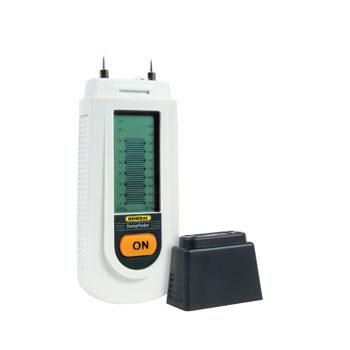
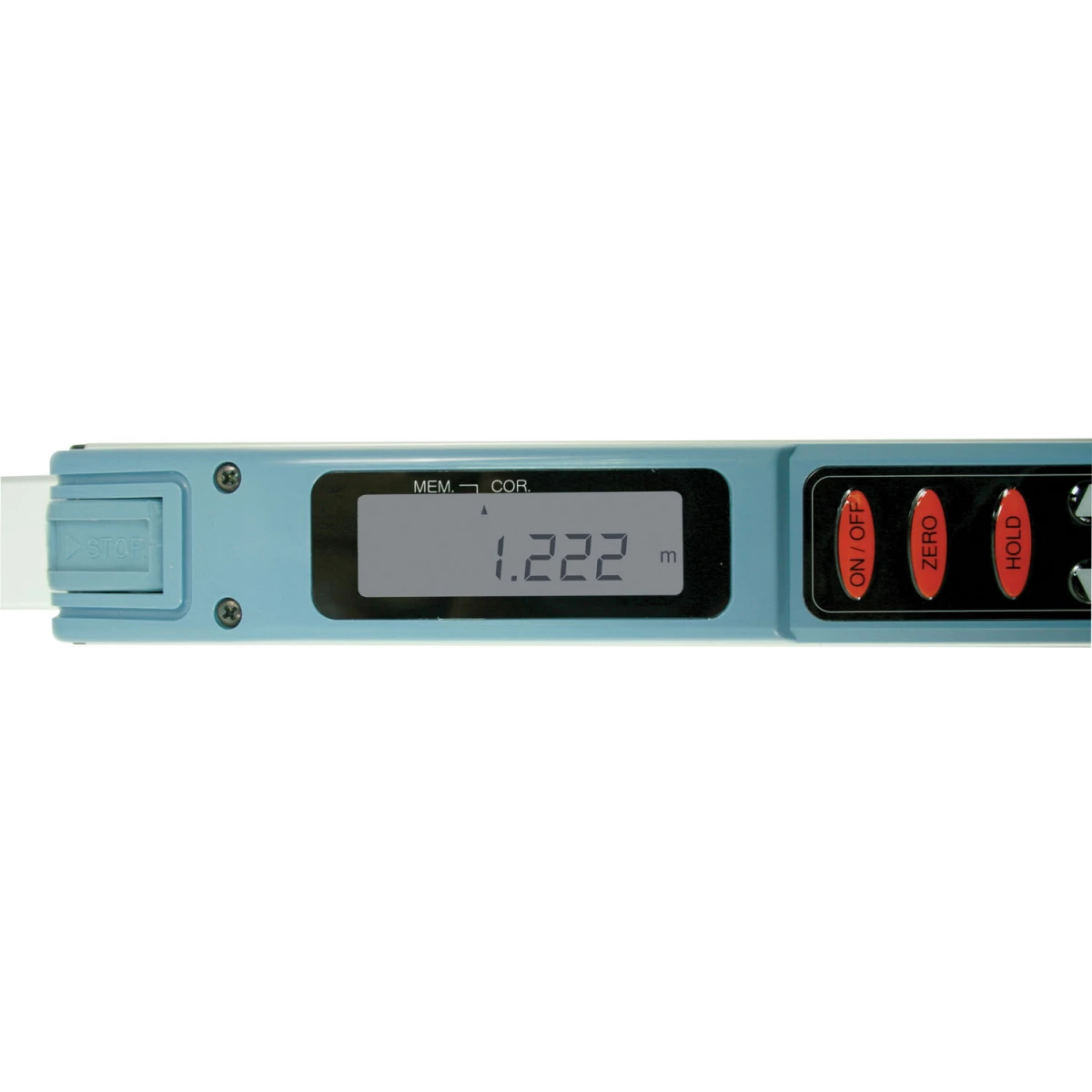
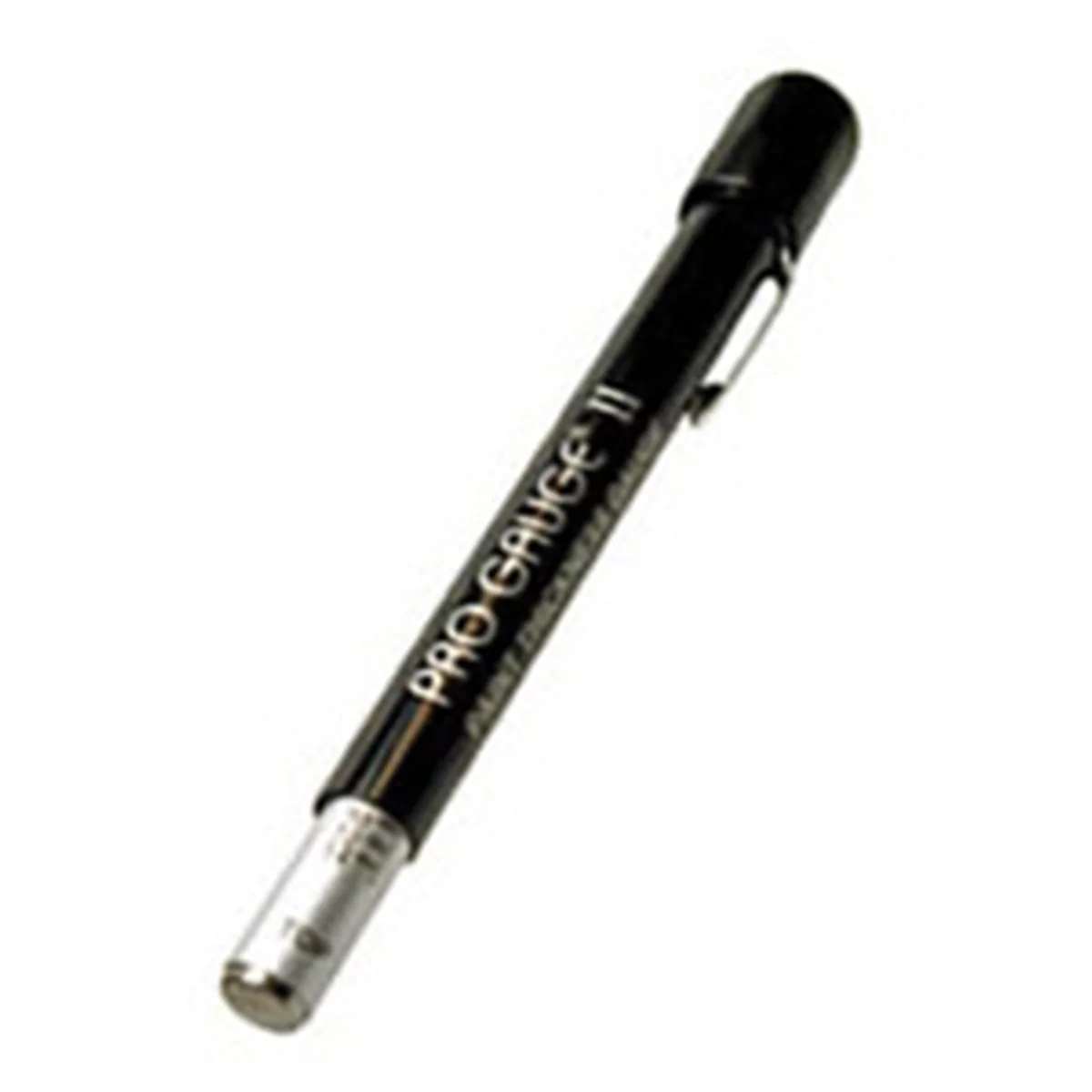
Accurate damage assessment starts with the right tools. Professional technicians rely on automotive diagnostic tools to identify hidden structural, mechanical, and electrical issues that determine whether a vehicle is truly totaled.
- Frame measurement and alignment equipment for detecting unibody damage
- Electrical testers for identifying wiring harness and module damage
- Compression and leak-down testers for assessing engine and transmission condition

The Toolsource Technical Team blends decades of real-world automotive service experience with up-to-date technical research. Our writers collaborate with professional mechanics, shop owners, and diagnostic specialists to deliver practical, workshop-ready guidance you can trust.


Follow us on social media