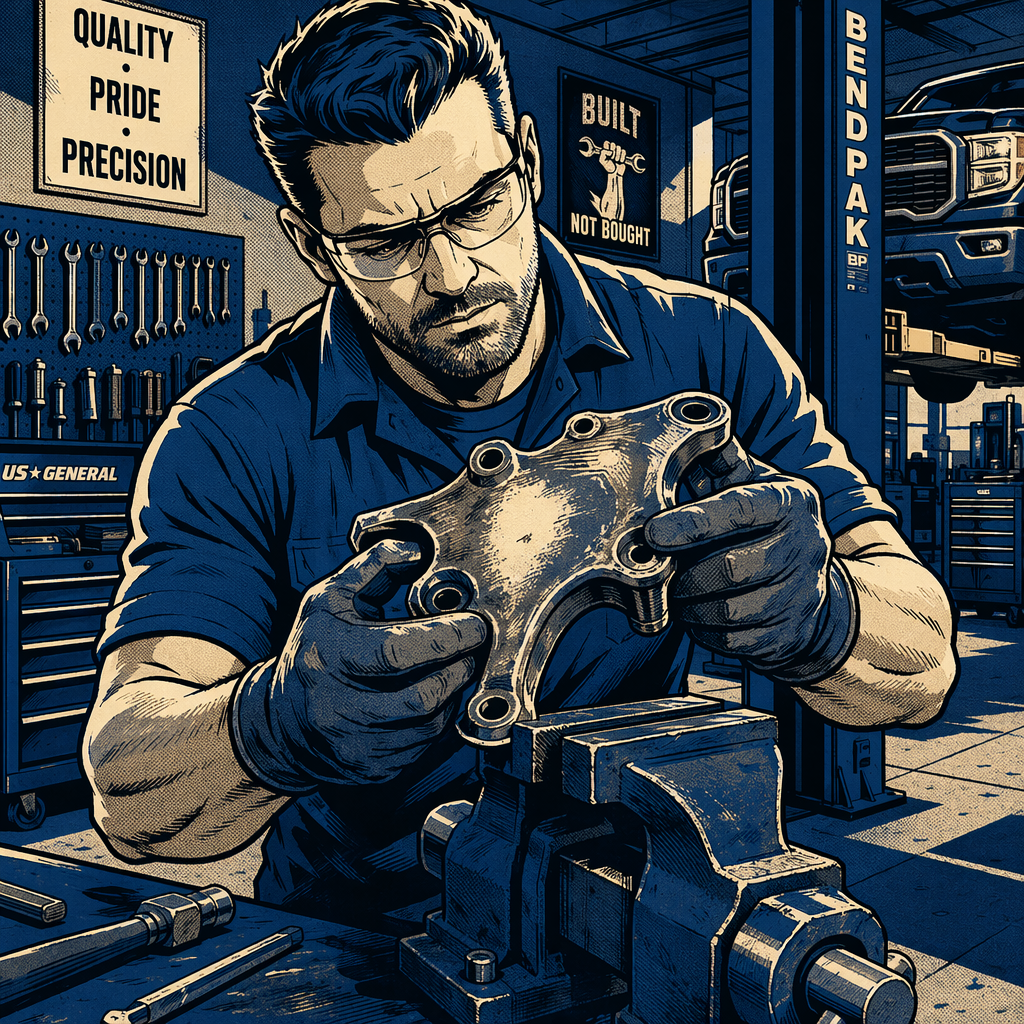
If you’ve ordered suspension or steering components from aftermarket suppliers and noticed rough grinding marks where a logo should be, you’re not alone. This practice—called neutralization or defacing—is standard procedure when Original Equipment (OE) manufacturers sell their parts outside the dealer network. Understanding why this happens, which brands do it, and what it means for part quality will help you make informed purchasing decisions and explain the practice to customers who question whether they’re getting genuine parts.
Why OE Manufacturers Grind Off Logos
The automotive parts supply chain operates on contractual agreements between vehicle manufacturers (like BMW, Volkswagen, or Ford) and their Tier 1 suppliers (like Lemförder, TRW, or Aisin). These suppliers manufacture the original parts that go into vehicles on the assembly line. However, the vehicle manufacturer owns the trademark rights to their logo, not the tooling or casting dies used to make the parts.
When a Tier 1 supplier produces parts for the OEM, the contract typically requires the manufacturer’s logo to be cast or stamped into the component. This same contract usually prohibits the supplier from selling parts bearing that logo through any channel except the OEM’s dealer network. The supplier owns the expensive tooling and dies—which can cost hundreds of thousands of dollars—so rather than create separate tooling for aftermarket sales, they simply remove the trademarked logos after casting.
This is completely legal. Harbor Freight faced a lawsuit from Snap-On years ago over this exact practice with floor jacks, and Harbor Freight won. The ruling confirmed that as long as the supplier owns the tooling and removes trademarked branding, they can sell functionally identical parts under their own name at whatever price they choose.
The grinding process is typically done by hand, often quickly, which explains why the removal area looks rough or inconsistent. Since these areas aren’t structural and the parts are often aluminum (which doesn’t rust), the cosmetic impact has no effect on performance or longevity.
Common Brands That Use Neutralization
Several major OE suppliers regularly sell neutralized parts into the aftermarket. Recognizing these brands helps you identify quality components even when they lack OEM branding:
Lemförder: A ZF Group company that supplies suspension components for Volkswagen, Audi, BMW, Mercedes-Benz, and other European manufacturers. Control arms, ball joints, tie rod ends, and engine mounts from Lemförder frequently show ground-off VW/Audi logos or BMW roundels. The parts sold through FCP Euro, RockAuto, or other aftermarket channels are identical to dealer parts except for the removed branding.
Aisin: A Toyota Group supplier that manufactures transmissions, water pumps, timing components, and other parts for Toyota, Lexus, and numerous other brands. Aisin parts purchased outside Toyota dealers often have the Toyota logo ground off but retain the Aisin branding. The part you buy on RockAuto for $89 may be identical to the $700 part at the dealer, minus the logo.
TRW: Supplies steering and suspension components for BMW, Ford, and other manufacturers. TRW-branded aftermarket parts frequently show evidence of removed BMW logos where the OEM version would have the manufacturer’s mark.
Melling: Manufactures oil pumps and engine components for Ford and other domestic manufacturers. Ford logo removal is common on aftermarket Melling parts.
Sankei: Supplies suspension components primarily for Honda and Acura. Aftermarket Sankei parts often have Honda branding neutralized.
Gates: Produces timing belts, tensioners, hoses, and cooling system components for virtually every manufacturer. While Gates is well-known as an aftermarket brand, their OEM-supplied parts sometimes appear in other brand packaging with or without logos.
On Ford products specifically, technicians report seeing “FOMOCO” (Ford Motor Company) ground off Hutchinson mounts, Lemförder mounts, Gates tensioners, and various TRW steering components. This is standard practice and indicates you’re getting the OE-quality part without dealer markup.
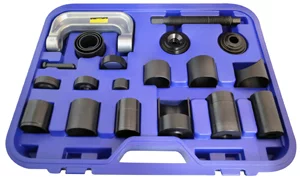
Ball Joint Service Tool and Master Adapter Set AST7897
Mfg: Astro Pneumatic
Part #: 7897
Identifying Quality in Neutralized Parts
Not every part with a ground-off logo is identical to its OEM counterpart. Understanding how to verify quality ensures you’re getting the value you expect:
Check the manufacturer name: Reputable OE suppliers like those listed above have established quality reputations. Lesser-known brands grinding off logos may indicate contract overruns or parts that failed OEM quality control.
Compare physical characteristics: Place the aftermarket part next to the original component if possible. Look for identical casting marks, witness marks from the mold, bolt hole placement, mounting geometry, and overall dimensions. Identical parts should match exactly except for the logo area.
Examine the grinding quality: While rough grinding is normal for hand-done neutralization, the underlying material should be consistent. On aluminum parts, you should see uniform aluminum beneath the grinding. Inconsistent material or excessive grinding depth might indicate something other than simple logo removal.
Review supplier documentation: Quality parts suppliers like FCP Euro clearly identify parts as “OE” (Original Equipment) versus “OEM” (Original Equipment Manufacturer) versus “Genuine” (dealer-branded). Their OE Academy materials explain these distinctions. Parts marked as OE from known Tier 1 suppliers with neutralized logos are typically the same quality as dealer parts.
Understand quality control variations: Some technicians report that neutralized parts occasionally represent production that didn’t quite meet OEM specifications. The same casting and similar alloy might be used, but tolerance variations could exist. Parts that fail OEM quality checks but still function acceptably may be binned separately, have identifying marks removed, and sold at discount. This doesn’t necessarily mean they’re defective, but they may not meet the exact same standards as parts that pass OEM inspection.
Watch for retooling differences: While rare, some aftermarket production uses the same molds but different alloys or slightly different finishing processes. One technician reported Lemförder parts that had identical witness marks but slightly rougher boring and tapping that required extra installation time. The parts functioned but weren’t quite as refined as true OEM parts.
Material and Corrosion Considerations
A common concern is whether grinding off material compromises structural integrity or accelerates corrosion. For the vast majority of neutralized parts, this isn’t an issue:
Aluminum components: Ball joints, control arms, and many suspension components use aluminum castings. Aluminum doesn’t rust—it forms a protective oxide layer that prevents further corrosion. Grinding away a logo on an aluminum part has no corrosion implications. The surface may oxidize slightly more than surrounding areas initially, but this self-limiting oxidation actually protects the underlying material.
Steel components: For steel parts with ground-off logos, surface rust can develop in the exposed area. However, these areas are typically non-structural. The logo placement is chosen for visibility and branding, not because that location bears significant stress. Any coating (paint, powder coat, or zinc plating) applied after neutralization covers the ground area just like the rest of the part.
Structural impact: Logo castings are intentionally shallow—typically just a few millimeters deep. Removing this surface detail doesn’t affect the part’s structural integrity. The component’s strength comes from its overall geometry, material thickness, and heat treatment, not from surface branding.
Additional protection: If you’re concerned about corrosion in particularly harsh environments (heavy road salt use), you can sand the ground area smooth and apply paint or rust preventive coating. In practice, most technicians report that ball joints and suspension components fail from wear at the articulating surfaces long before any corrosion becomes relevant, even in salt-belt states.
Cost Savings and Value Analysis
The primary advantage of purchasing neutralized OE parts is cost savings without sacrificing quality. Understanding the economics helps you offer customers better value:
Typical price differences: Dealer-branded OEM parts often cost 2-4 times what the identical OE part costs from aftermarket suppliers. A BMW control arm might retail for $400 at the dealer but sell for $120 from FCP Euro with the BMW logo ground off. The manufacturing cost is identical—you’re paying for the logo and dealer markup.
Warranty considerations: OEM parts sold through dealers typically include the manufacturer’s warranty. Aftermarket OE parts may have different warranty terms from the supplier. Companies like FCP Euro offer lifetime warranties on many OE parts, potentially exceeding OEM coverage. Review warranty terms when comparing prices.
Volume production economics: OEM contracts represent massive volumes—thousands or tens of thousands of parts. The supplier’s aftermarket sales are much smaller by comparison. It’s more economical to grind off logos on a few hundred parts than to modify expensive tooling, create separate production runs, and maintain different inventory.
Customer education value: When customers question why their “aftermarket” part looks like it had something ground off, explaining the OE relationship turns a potential concern into a selling point. They’re getting the same part the dealer sells, manufactured by the same company, from the same tooling, at a fraction of the cost. The ground-off logo proves authenticity rather than suggesting inferior quality.
Shop margin opportunities: The cost savings on OE parts with neutralized logos allows shops to maintain healthy margins while offering competitive pricing to customers. You can source quality parts at lower cost without sacrificing your labor warranty or reputation for using proper components.
Installation and Documentation Best Practices
When working with neutralized OE parts, follow these practices to ensure proper installation and documentation:
Verify fitment before installation: Always test-fit components before removing original parts completely. While OE parts should be direct replacements, confirm bolt patterns, mounting points, and clearances match exactly.
Photograph before and after: Document the ground-off logo area and overall part condition before installation. If any warranty claim arises, having installation photos proves the part’s condition and helps identify whether issues stem from manufacturing or installation.
Retain packaging and documentation: Keep the box, any included paperwork, and purchase receipts. Unlike OEM parts where the dealer tracks installation by VIN, aftermarket parts require your own documentation for warranty claims.
Follow OEM installation procedures: Since these are functionally OEM parts, use factory torque specifications, installation sequences, and any special procedures. Don’t assume aftermarket instructions apply—treat the part as OEM.
Note on repair orders: Document the specific brand and part number used. Rather than writing “aftermarket ball joint,” specify “Lemförder OE ball joint” to accurately reflect the quality level installed. This protects both your reputation and provides useful information for future service.
Address customer concerns proactively: If installing these parts during a service where customers might see them, explain the neutralization before they ask. A brief explanation that “this is the same part BMW uses, made by their supplier Lemförder—we’re just buying it direct instead of through the dealer” prevents concerns and builds trust.
Quick Reference Checklist for Neutralized Parts
- Confirm the supplier is a known OE manufacturer (Lemförder, Aisin, TRW, Melling, Sankei, etc.)
- Verify part numbers cross-reference correctly to OEM specifications
- Compare physical characteristics to original part if available
- Check that grinding appears limited to logo/branding area only
- Review supplier’s warranty terms and documentation requirements
- Test-fit before complete installation to verify exact fitment
- Photograph part condition and ground-off area before installation
- Apply OEM torque specs and installation procedures
- Document specific brand and part number on repair order
- Retain all packaging and purchase documentation for warranty purposes
Frequently Asked Questions
Is a part with a ground-off logo the same quality as the OEM part?
In most cases, yes—when sourced from reputable OE manufacturers like Lemförder, Aisin, or TRW. These companies produce parts from the same tooling used for OEM production. The ground-off logo is simply trademark removal required for aftermarket sales. However, some neutralized parts may represent production that didn’t meet exact OEM quality control standards but still functions acceptably. Buying from established suppliers with good reputations minimizes this risk.
Why does the grinding look so rough and unfinished?
Logo removal is typically done quickly by hand with an angle grinder. Since the area being removed isn’t structural and doesn’t affect function, manufacturers don’t invest time in making it cosmetically perfect. The rough appearance is normal and doesn’t indicate a problem with the part. It’s often described as a “Friday at 4:58 PM grind job”—quick and functional rather than pretty.
Will the ground-off area rust and cause the part to fail?
No. Most suspension components with neutralized logos are aluminum, which doesn’t rust. Aluminum forms a protective oxide layer that prevents corrosion. For steel parts, any surface rust in the ground area is cosmetic and doesn’t affect structural integrity since logos are placed in non-load-bearing locations. Parts typically fail from joint wear long before surface corrosion becomes relevant, even in harsh climates.
How can I tell if a part is truly OE or just cheap aftermarket with branding removed?
Check the manufacturer name on the packaging and part. Known OE suppliers have established reputations. Compare the part physically to the original—identical casting marks, witness marks, and geometry indicate the same tooling. Buy from reputable suppliers that clearly identify parts as OE rather than generic aftermarket. If a no-name brand has ground-off logos, that’s more suspicious than a Lemförder part with neutralized branding.
Are neutralized parts legal to sell and install?
Yes, completely legal. As long as the supplier owns the tooling and removes trademarked logos before sale, they can sell parts under their own brand name. This was confirmed in court when Snap-On sued Harbor Freight over identical floor jacks and lost. Trademark law protects logos, not the right to manufacture compatible parts from your own tooling.
Should I charge customers less for parts with ground-off logos since they’re “aftermarket”?
This depends on your pricing strategy, but consider that these are OE-quality parts, not inferior aftermarket alternatives. Your pricing should reflect the quality and warranty you’re providing. Many shops price OE parts from suppliers like FCP Euro between true cheap aftermarket and dealer OEM pricing—customers save money versus the dealer while you maintain margin and quality standards. Focus on the value proposition: same quality as dealer parts at better pricing.
Recommended Tools for Suspension and Steering Work
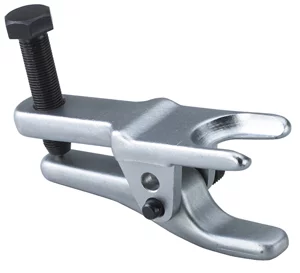
Working with suspension and steering components—whether OE or neutralized parts—requires proper tools for safe, accurate installation. Browse our Automotive Specialty Tools selection for the equipment needed to handle ball joints, control arms, tie rod ends, and related components.
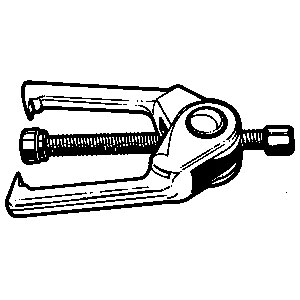
- Pullers and removal tools for suspension joints
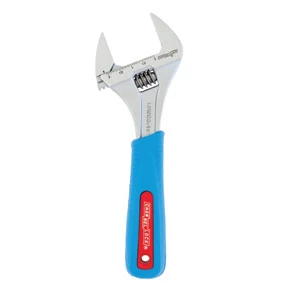
- Torque wrenches and socket sets for precise fastener tightening
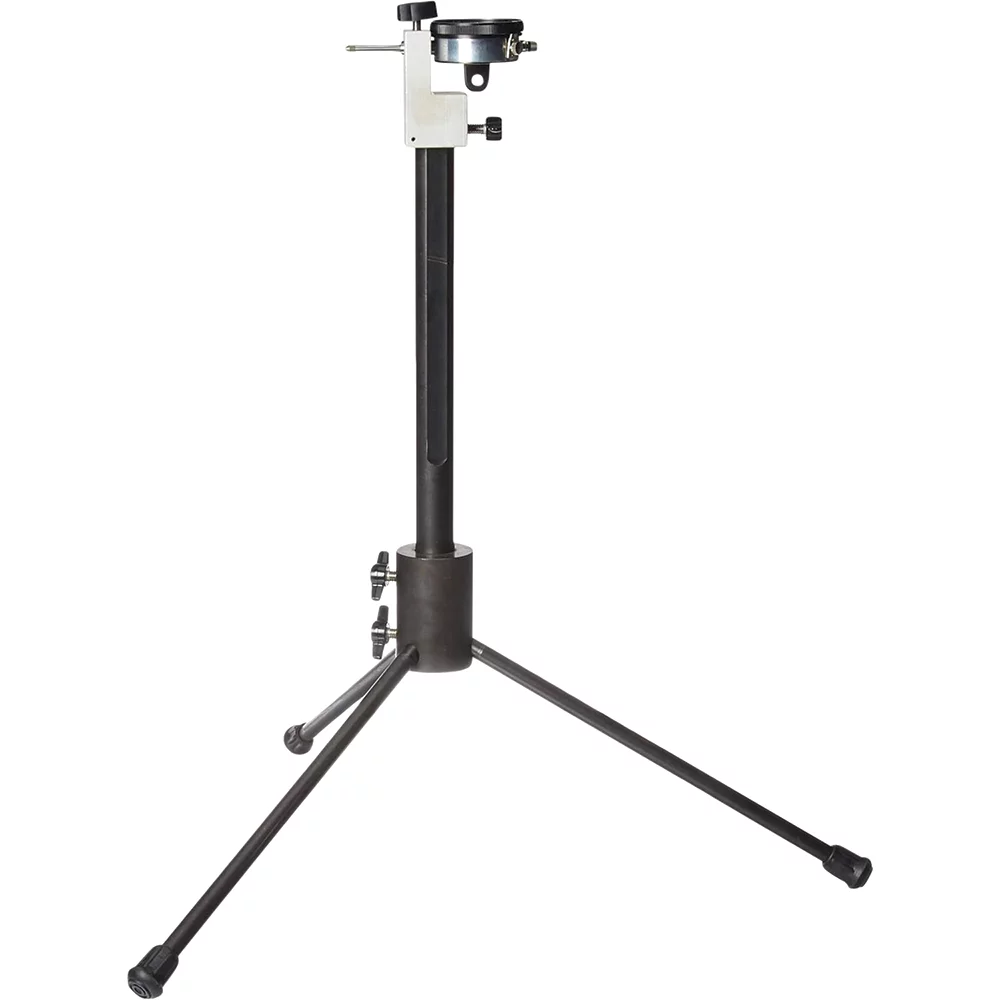
- Specialty fixtures for alignment and fitment verification

The Toolsource Technical Team blends decades of real-world automotive service experience with up-to-date technical research. Our writers collaborate with professional mechanics, shop owners, and diagnostic specialists to deliver practical, workshop-ready guidance you can trust.


Follow us on social media