Talk to any working technician for ten minutes and the conversation usually lands on the same three complaints: modern vehicles keep adding complexity, labor times haven’t kept pace with the extra steps, and good mentorship is hard to come by. None of that is going away soon, but there’s a lot a tech can control on the floor — from the tools in the box to how a job gets sequenced. This post pulls together practical, shop-tested tactics for handling the fastener headaches, the electronic gatekeeping, and the efficiency squeeze that come with working on today’s cars, plus a few notes on building skill when nobody’s volunteering to teach you.
Stop Fighting Plastic Push Pins and Trim Clips
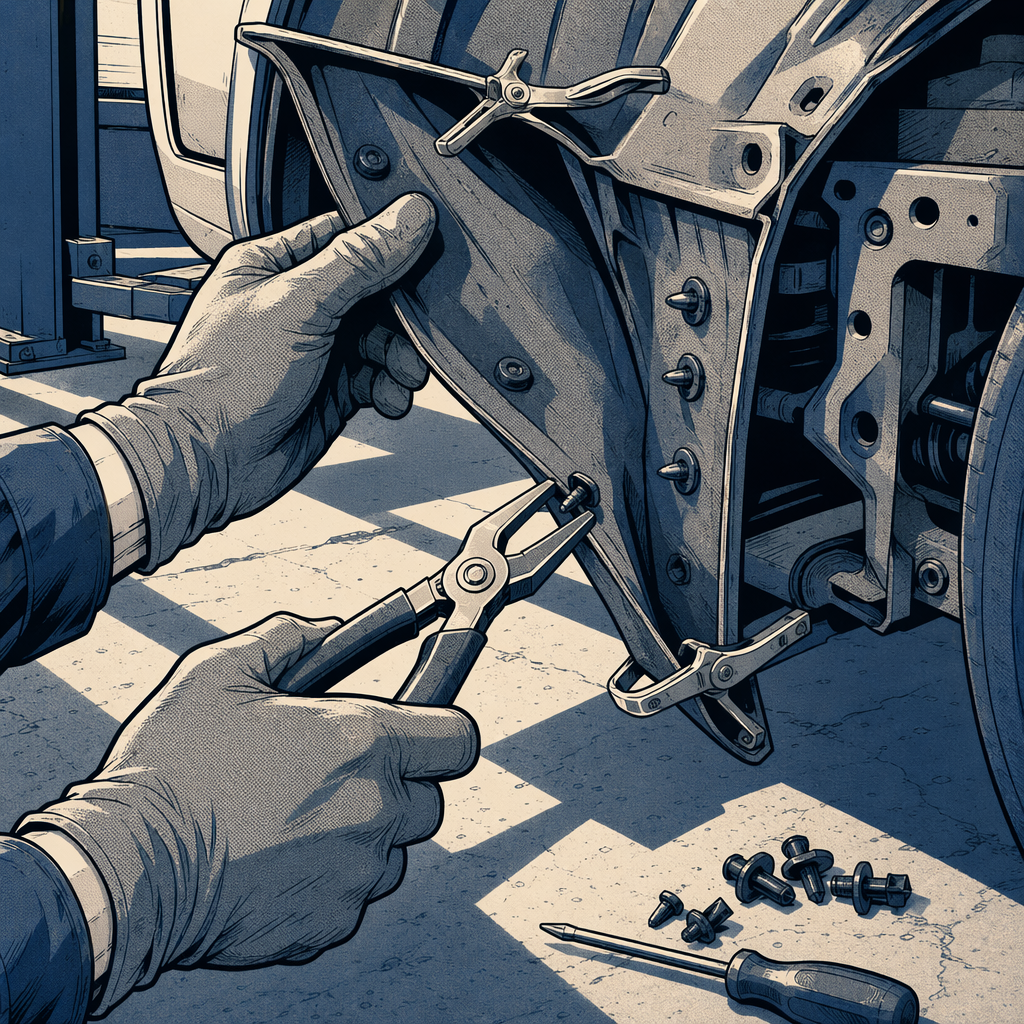
Push pins and plastic trim clips are the single most common source of wasted time and broken parts on late-model splash shields, fender liners, and interior trim. They get brittle with heat and age, snap on removal, and then you’re hunting for a replacement or improvising with a zip tie — which just creates the next tech’s problem. A few habits fix most of this:
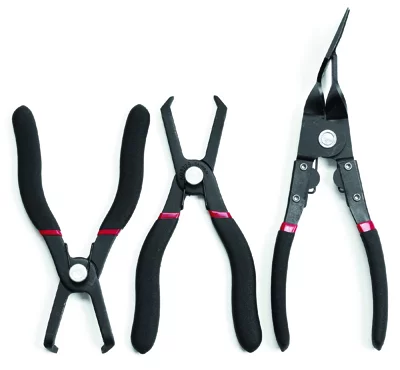
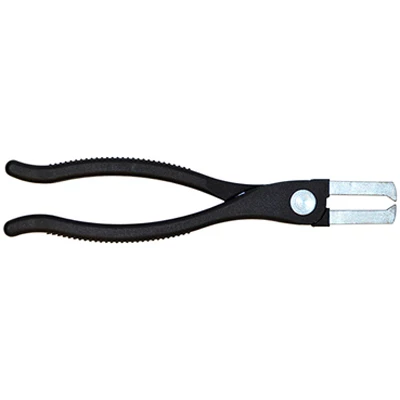
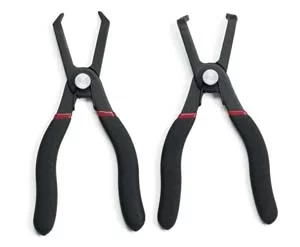
- Use dedicated push-pin pliers or a trim-clip removal tool instead of a flathead screwdriver or pick. A purpose-built tool grips the center pin without gouging the shield or snapping the pin’s shaft.
- On thick, brittle shields (later-model Nissan and Altima shields are a known offender), don’t fight a full removal. Undo the fasteners on one side, fold the shield back on its remaining pins, and prop it out of the way with a spring clamp or parts hanger. You get full access without the 50/50 odds of a broken clip.
- Keep an assortment box of common OEM-style push pins in the toolbox. Buying a $6 assortment beats a wasted trip to the parts counter mid-job, and it keeps you from sending a customer’s car out with a zip-tied shield.
- When a shield is already chewed up with mismatched clips or zip ties from a previous repair, flag it for the writer rather than re-hacking it. A five-minute conversation now saves a comeback later.
Keep Routine Services Fast Without Cutting Corners
Oil changes and multi-point inspections are where flat-rate pressure hits hardest. Labor guides often allow more time than shops actually pay out, and the gap between “guide time” and “shop time” is exactly where corners get cut or techs burn out chasing an impossible number. A few things help close that gap without sacrificing quality:
- Sequence the inspection around the car, not around a checklist read in order. Walk the vehicle once — fluids, belts, brakes, tires — instead of moving back and forth across the bay.
- Use a lift-mounted fluid evacuation and fill system where available; it cuts drain-and-fill time more than any single tool change.
- Don’t skip the walk-around to save two minutes. A missed obvious issue (worn tire, leaking shock, cracked belt) becomes a liability and a lost upsell that was actually warranted — not manufactured.
- If your shop’s posted time for an oil change and inspection is consistently below what the job actually takes, that’s a conversation for the service manager, backed by your own logged times over a couple of weeks. Numbers move that conversation further than complaints do.
===PRODUCT_SEARCH_1===
Modern Electronics Mean a Scan Tool Isn’t Optional Anymore
Jobs that used to be pure mechanical work now have an electronic gate in front of them. Electronic parking brakes need to be put in service mode before rear pad and rotor work. Some brake fluid flushes require bleeding through a scan tool to cycle the ABS module. Battery replacements on many late-model vehicles need a registration or relearn procedure or the charging system won’t manage the new battery correctly. Skipping these steps doesn’t just risk a comeback — it can damage the actuator motor on an EPB caliper or leave a battery management system permanently miscalibrated.
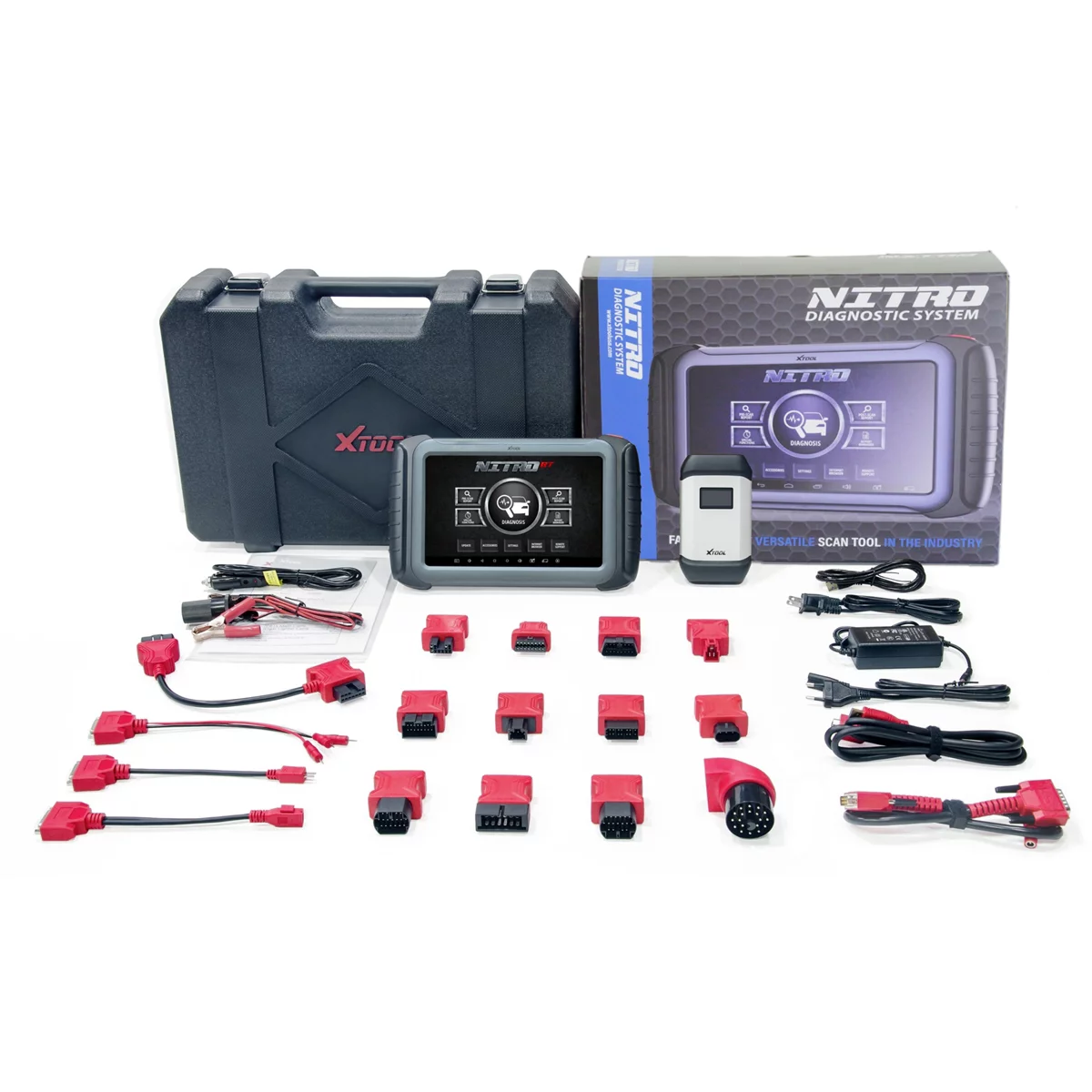
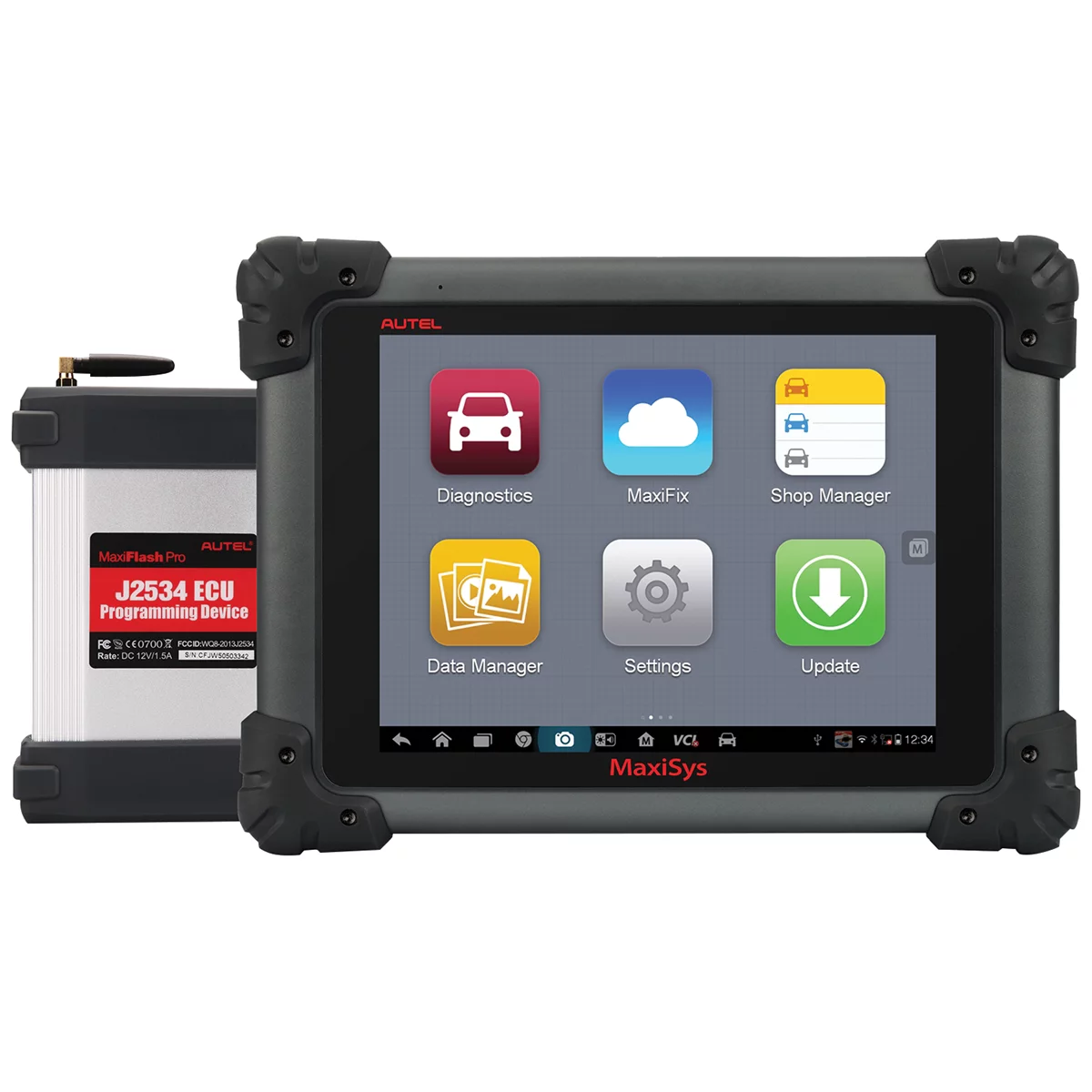
- A capable bidirectional scan tool pays for itself quickly once you’re doing more than one or two EPB brake jobs a month — the alternative is turning away work or improvising with a manual retraction tool, which doesn’t work on every application.
- Keep the tool’s software current. Manufacturers push module updates and new special-function coverage regularly, and an outdated scan tool will simply refuse to see or execute a procedure it can’t recognize.
- Learn which services on your regular vehicle mix require a scan tool step before you’re mid-job and discover it the hard way. A quick pre-check against the repair procedure saves a wheel-off, brake-apart situation from turning into a stalled bay.
Build Skill Even When Mentorship Is Thin
A lot of new techs report the same thing: the most useful teaching comes from techs a year or two ahead of them, not the senior guys, who are often too busy chasing their own flat-rate hours to slow down and explain something. That’s a real structural problem, but there are ways to keep learning even in a shop that isn’t set up to teach:
- Look at the next day’s schedule in advance and research likely diagnostic paths for the jobs on it. Even a rough idea of probable causes for a vague complaint like “clunk over bumps” speeds up the actual diagnosis and makes you faster on your feet.
- Never take a previous tech’s diagnosis as verified fact. Confirm the cause yourself before ordering parts or starting teardown — a wrong assumption inherited from someone else’s notes is still your comeback if it’s wrong.
- Always road test to confirm both the complaint and the fix, not just one or the other.
- Treat second- and third-year techs as a genuine resource, not just people to compete with for hours. Reciprocal troubleshooting between techs at a similar level is often where the real knowledge transfer happens.
- Use manufacturer training videos and documented repair procedures to fill gaps nobody in the building is going to fill for you. It’s not a replacement for hands-on mentorship, but it closes real knowledge gaps on your own schedule.
Protect Your Time and Your Numbers
Flat-rate and efficiency-based pay put a lot of pressure on individual decisions — how thorough to be, whether to push back on an unrealistic time, whether to take on a job that’s clearly going to run long. A few practices help techs stay both fast and accurate without burning out chasing numbers that were never realistic to begin with:
- Track your own actual time on repeat job types for a couple of weeks. That data is the strongest argument you have if you need to push back on a posted labor time that doesn’t reflect reality.
- Don’t let inspection quality slide to protect a time number. A rushed inspection that misses something creates liability and comebacks that cost far more time than the minutes saved.
- Keep your own tool inventory tuned to your actual job mix — trim tools, a reliable scan tool, and the fasteners you burn through most. Waiting on a shop tool or a parts-counter trip is dead time you can eliminate.
Quick Checklist Before You Start the Next Job
- Confirm whether the repair requires a scan tool step (EPB service mode, ABS bleed procedure, battery registration) before disassembly.
- Have trim-clip pliers and a spare push-pin assortment on hand before pulling a splash shield.
- Walk the vehicle once, in sequence, for inspections rather than backtracking.
- Confirm the actual complaint with a road test before diagnosing, and again after the repair.
- Log your real time on recurring job types so you have data, not just a feeling, when labor times come up.
===PRODUCT_SEARCH_2===

Frequently Asked Questions
Why do so many splash shields and fender liners break during routine service?
The plastic push pins used on most late-model shields get brittle with heat cycling and age. A flathead or pick concentrates force on one point and snaps the pin. A dedicated trim-clip removal tool spreads the load more evenly and preserves the pin for reuse.
Is it acceptable to only partially remove a splash shield for an oil change?
On thick, brittle shields, removing the fasteners on one side and folding the shield back is a widely used and accepted approach, as long as full access to the drain plug and filter is achieved and the shield is properly resecured afterward.
Do I really need a bidirectional scan tool for basic brake work now?
On vehicles with electronic parking brakes, yes — the caliper piston needs to be commanded into service mode before retraction, or you risk damaging the actuator. Check the repair procedure for the specific application before starting.
What’s the fastest way to get better at diagnostics without a strong mentor at my shop?
Pre-read the next day’s schedule and research likely causes in advance, lean on techs close to your experience level for reciprocal troubleshooting, and always confirm findings with your own road test rather than trusting a previous diagnosis.
How do I push back on unrealistic labor times without just complaining?
Track your own actual time on recurring job types for a few weeks and bring that data to the service manager. Specific numbers on real jobs carry more weight than a general complaint about pace.
Are cheap push-pin assortments worth keeping in the truck or toolbox?
Yes — a small assortment of common OEM-style clips avoids a parts-counter trip mid-job and prevents sending a vehicle out with a zip-tied or improperly secured shield.
Automotive Specialty Tools for Modern Repairs
The jobs covered in this guide — from handling plastic trim clips to performing scan-tool-dependent brake procedures — call for the right specialty equipment. Our Automotive Specialty Tools selection includes dedicated trim-clip removers, bidirectional scan tools, fluid evacuation systems, and other purpose-built equipment that pays for itself in time saved and comeback prevention.
- Trim and fastener removal tools designed to handle plastic push pins and clips without breaking them.
- Diagnostic and scan tools for modern electronic systems including EPB service, ABS procedures, and battery registration.
- Shop essentials like fluid evacuation systems, spring clamps, and specialized fastener assortments.

The Toolsource Technical Team blends decades of real-world automotive service experience with up-to-date technical research. Our writers collaborate with professional mechanics, shop owners, and diagnostic specialists to deliver practical, workshop-ready guidance you can trust.


Follow us on social media