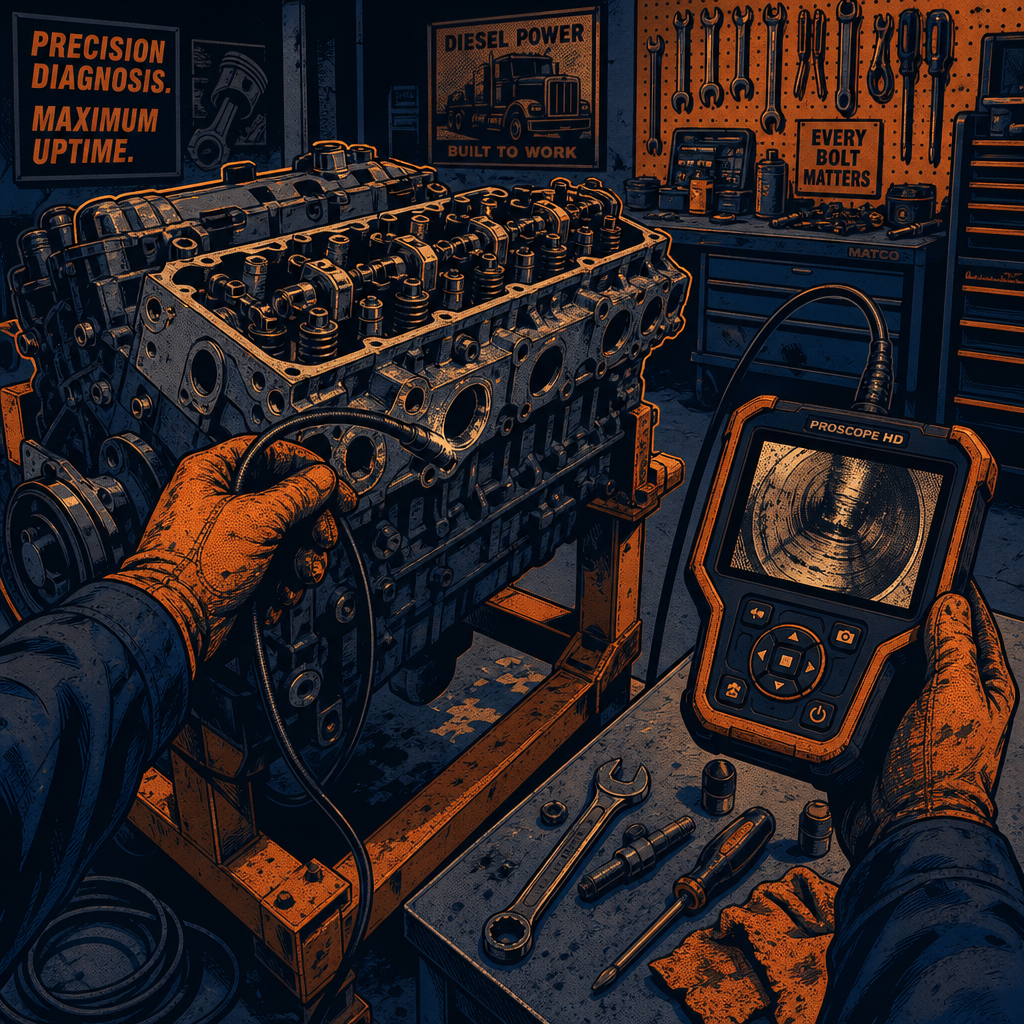
The crisis typically hits somewhere between year seven and year twelve. You’re making top-tier money as a heavy duty field tech, you’ve got the certifications, the experience, and the reputation—but Sunday night dread has become your constant companion. Weekend work is chipping away at your personal life, the physical toll is accumulating faster than your savings account, and you’ve started Googling “careers for mechanics” at 2 AM. This isn’t laziness or lack of work ethic. It’s a crossroads that thousands of skilled techs face, and navigating it intelligently can mean the difference between a calculated career evolution and a desperate financial nosedive.
Burnout vs. Bad Situation: Diagnosing the Real Problem
Before you hand in your notice, you need to distinguish between temporary burnout and genuine career incompatibility. Burnout often presents as Sunday anxiety, physical exhaustion that doesn’t resolve with time off, and a creeping resentment toward work that used to energize you. However, burnout can frequently be addressed without abandoning your entire career.
The critical question: Is it the work itself or the circumstances surrounding it? If you’re in heavy duty field service putting in 60-hour weeks, dealing with after-hours calls, and sacrificing every weekend, your issue might not be wrenching—it might be the specific role. A dealer tech working straight 40-hour weeks in a climate-controlled shop faces entirely different stressors than a field service tech crawling under equipment in January snowstorms.
Consider whether changing employers, shifting from field service to shop work, or moving from dealer to fleet maintenance could address your core complaints. Government fleet positions often offer 40-hour weeks, no weekends, solid benefits, and pension plans. Industrial maintenance roles in manufacturing plants typically provide climate-controlled environments, predictable hours, and comparable pay. If the fundamental act of diagnosing and repairing equipment still appeals to you when you work on your own projects, the career isn’t the problem—your current position is.
Many techs report that the weekend grind specifically destroys their quality of life. If you’re consistently working Saturdays or on-call rotations, negotiate for weekday-only schedules. In the current technician shortage, skilled mechanics have leverage. The worst your employer can say is no, and if they fire you for requesting reasonable boundaries, that’s confirmation you needed to leave anyway. In a market desperate for qualified techs, you’ll land another position quickly.
Financial Preparation: Building Your Exit Runway
The biggest mistake career-changers make is impulsive decisions driven by emotion rather than planning. The golden rule: reduce your cost of living as aggressively as possible while you’re still earning top-tier money. This means entering “grind mode” for 12-24 months with a singular focus—stack cash.
Your target should be one to two years of living expenses in liquid savings, plus a separate emergency fund covering three to six months. This war chest gives you the freedom to pursue training, education, or lower-paying entry positions in a new field without immediately facing financial catastrophe. If you’re currently grossing $80,000-$120,000 as an experienced heavy duty tech, this is achievable with discipline.
Cut every unnecessary expense. Delay vehicle upgrades, minimize eating out, cancel subscriptions you don’t actively use, and postpone major purchases. This isn’t forever—it’s a strategic sprint. Every dollar you bank now is freedom you’re buying for your future self. Many techs remain trapped not because they can’t do other work, but because they’ve inflated their lifestyle to match their income and can’t afford the temporary pay cut that career transitions often require.
If you’re considering paths requiring formal education—whether that’s a four-year degree, aviation mechanic certification, or pipefitter apprenticeship—research the realistic timeline and total cost. Factor in lost income during training periods. A physics degree leading to graduate school might take eight years with minimal income; an HVAC certification might take 18 months with part-time income potential throughout. Know the numbers before you commit.


22.5" Red Metal Portable Toolbox with Black Plastic Lid
Mfg: Homak Tool Storage
Part #: RD00122504

20" Industrial Steel Tool Tote Box - Durable & Lightweight
Mfg: Homak Tool Storage
Part #: BW00252200
Lateral Moves: Staying in the Mechanical Trades
The closest exit ramps from heavy duty mechanics leverage your existing skills while changing the context. These transitions typically require minimal retraining, allow you to maintain comparable income, and let you preserve the hands-on problem-solving work many techs actually enjoy.
Industrial Maintenance: Manufacturing facilities need technicians to maintain production equipment, forklifts, conveyor systems, and facility infrastructure. The work environment is indoors and climate-controlled. Many positions operate on straight day shifts with no weekends. The pace is often less frantic—you’re maintaining equipment on schedules rather than responding to roadside emergencies. Pay is comparable to heavy duty work, frequently in the $70,000-$100,000 range with excellent benefits.
Forklift Service: Significantly lighter-duty than heavy equipment work, forklift technicians still run service trucks and handle field calls, but the physical demands are reduced. Broken forklifts lack the urgency of broken highway tractors. Most companies have strict policies against weekend work, and overtime policies are more favorable. Experienced techs report first-year income of $85,000-$95,000, scaling to $120,000+ with bonuses and reasonable overtime. You’re also not working on the side of active highways, which eliminates one of the field service career’s most dangerous aspects.
Mining Equipment: If you’re in a region with active mining operations, this transition offers similar work with different cultural dynamics. The pace tends to be more measured, the equipment larger and more specialized, and many operations work rotation schedules—you’re on-site for extended periods then off for weeks at a time. This schedule appeals to some techs who prefer compressed work periods with extended time off, though it doesn’t suit everyone.
Aviation Maintenance: Requires additional certification (Airframe & Powerplant license), but many skills transfer. You’re working in hangars or on flight lines rather than in the field. The work culture differs significantly from trucking—more procedure-driven and documentation-heavy. Pay is strong, particularly with major airlines or cargo carriers, and the work remains hands-on troubleshooting and repair.
Property/Facilities Maintenance: Commercial properties, hotels, hospitals, and large residential complexes need maintenance directors and technicians. Your mechanical background, electrical knowledge, and problem-solving skills transfer directly. The work is more varied—you’re addressing HVAC, plumbing, basic electrical, and equipment issues rather than specializing. Hours are typically more predictable, though you’re generally on-call for emergencies. Pay varies widely based on property type and location, from $50,000 to $90,000+.
Complete Career Pivots: Leaving the Trades
Some techs reach the conclusion that they need to exit hands-on trades entirely. This path requires more planning, typically involves short-term income reduction, and demands honest assessment of your motivations and interests.
The most successful pivots leverage transferable skills. You’ve spent years diagnosing complex problems with incomplete information, working independently, managing your time, and delivering results under pressure. These are valuable competencies in countless fields.
Management and supervision roles within the industry offer one bridge. Moving into service manager, shop foreman, or fleet manager positions keeps you in the familiar environment while shifting from hands-on work to coordination and leadership. Pay can increase, though you’re trading wrenches for spreadsheets and personnel management. This suits some personalities and frustrates others.
Returning to formal education is viable if you’re strategic. The tech who transitioned from auto repair to physics and eventually astrophysics graduate school represents an extreme example, but illustrates that career reinvention is possible at any age. The key factors in his success: a supportive partner, tolerance for significant income reduction, and genuine passion for the destination field. He also noted that financial irresponsibility made it harder than necessary—someone with better money management would fare better.
The critical insight from that example: ten years will pass regardless. You can spend them resenting your current position or actively building toward something different. However, passion alone doesn’t pay bills. If you’re considering dramatic career changes requiring years of education, ensure you’ve got the financial foundation and family support to sustain it.
Other techs have successfully transitioned to sales roles (parts, equipment, tools), field service coordination, warranty administration, or technical training positions. These keep you connected to the industry while moving away from the physical demands and schedule disruptions that often drive burnout.
The Pipefitter Question: Weighing Tradeoffs
Pipefitting and welding frequently surface in these discussions as potential alternatives, and the picture is mixed. The appeal is clear: apprenticeships provide all tools, full benefits, pensions, and potentially higher total compensation than heavy duty work. Union positions can offer extended time off—some locals allow members to take entire summers off if they’ve banked sufficient hours.
However, the tradeoffs are substantial and often understated. Pipefitters in refinery and chemical plant work face brutal schedules during turnarounds, potential for extensive travel, and exposure to hazardous environments. The culture in many pipefitting locals skews toward bitterness and substance abuse. Health outcomes are concerning—multiple sources report average pension collection periods of just 13 months after retirement, meaning workers are dying within a year of leaving the trade.
The cancer rates are documented and significant. Welding fumes, exposure to petrochemicals, asbestos in older facilities, and other occupational hazards create serious long-term health risks. Some of this risk can be mitigated by seeking work in semiconductor facilities rather than petroleum refineries, and by maintaining clean living—avoiding tobacco, alcohol, and drugs. But the base risk remains elevated compared to many other trades.
If you’re considering pipefitting, go in with eyes open. Talk to people currently in the trade, not just recruiters. Ask about schedule expectations, travel requirements, workplace culture, and long-term health outcomes. For some techs, particularly those with young families who value the extended time-off periods, it’s a worthwhile tradeoff. For others, it’s exchanging one set of problems for another.
Practical Steps: Your 90-Day Action Plan
If you’ve determined that change is necessary, structured action beats impulsive decisions. Here’s a practical 90-day roadmap:
Days 1-30: Assessment and Research
- Document your current situation honestly: hours worked, pay, benefits, specific aspects you hate versus tolerate versus enjoy
- Identify whether the problem is the work itself or the circumstances (schedule, employer, environment, role type)
- Research three to five potential alternative paths, both lateral trades moves and complete pivots
- Join online communities and forums for those alternative careers; read candidly about day-to-day realities
- Calculate your current monthly expenses and identify reduction opportunities
Days 31-60: Testing and Planning
- Conduct informational interviews with people working in your target fields—buy them lunch and ask direct questions
- If possible, try related work as a side project (if considering property maintenance, take on a small landlord client; if eyeing HVAC, shadow a friend in the trade)
- Create a detailed financial plan including savings targets, timeline, and income gap strategies
- Implement aggressive expense reduction and begin building your exit fund
- Research required certifications, training programs, or education with specific costs and timelines
Days 61-90: Decision and Initial Action
- Make the call: stay with modifications, lateral move, or complete pivot
- If staying, negotiate schedule changes or begin searching for same-career but better-situation positions
- If leaving, enroll in necessary training or begin serious job searching in target field
- Set a concrete timeline with specific milestones
- Tell trusted people your plan for accountability
Before You Jump: A Reality Check
Every job has components that suck. The tech making $95,000 with full benefits who’s complaining about responsibilities is experiencing a universal truth—you get paid well because the job is hard. Before abandoning a career many people would envy, ensure you’re not romanticizing alternatives.
That said, quality of life matters. Money is a tool, not a purpose. If your high income comes at the cost of your health, family relationships, and mental wellbeing, it’s not a good deal. The question is whether you can adjust your current path or need to chart a new one entirely.
Consider taking significant time off before making permanent decisions. If you haven’t had a real vacation in years, book two weeks somewhere with no cell service. Mental clarity improves dramatically when you’re not operating in chronic exhaustion. Some employers will approve extended unpaid leave if you frame it correctly. The perspective gained might save you from a decision you’d regret.
Also recognize that the 28-32 age range is when this crisis typically hits across many careers, not just trades. It’s when the initial excitement and learning curve flatten, when you can see the next 30 years stretching ahead, when life outside work (relationships, kids, aging parents) starts demanding more attention. Some of what you’re experiencing is developmental stage, not career mismatch.
Quick Decision Checklist:
- Have you taken real time off in the past year? (Not long weekends—actual vacation)
- Have you attempted to negotiate schedule or role changes with current employer?
- Do you still enjoy wrenching when it’s your own projects and vehicles?
- Is your dissatisfaction primarily with specific job aspects (weekends, field service, particular employer) rather than the core work?
- Do you have 6-12 months of expenses saved for transition period?
- Have you researched realistic day-to-day conditions in alternative careers, not just the highlight reel?
- Can you identify specific interests or aptitudes pointing toward an alternative path?
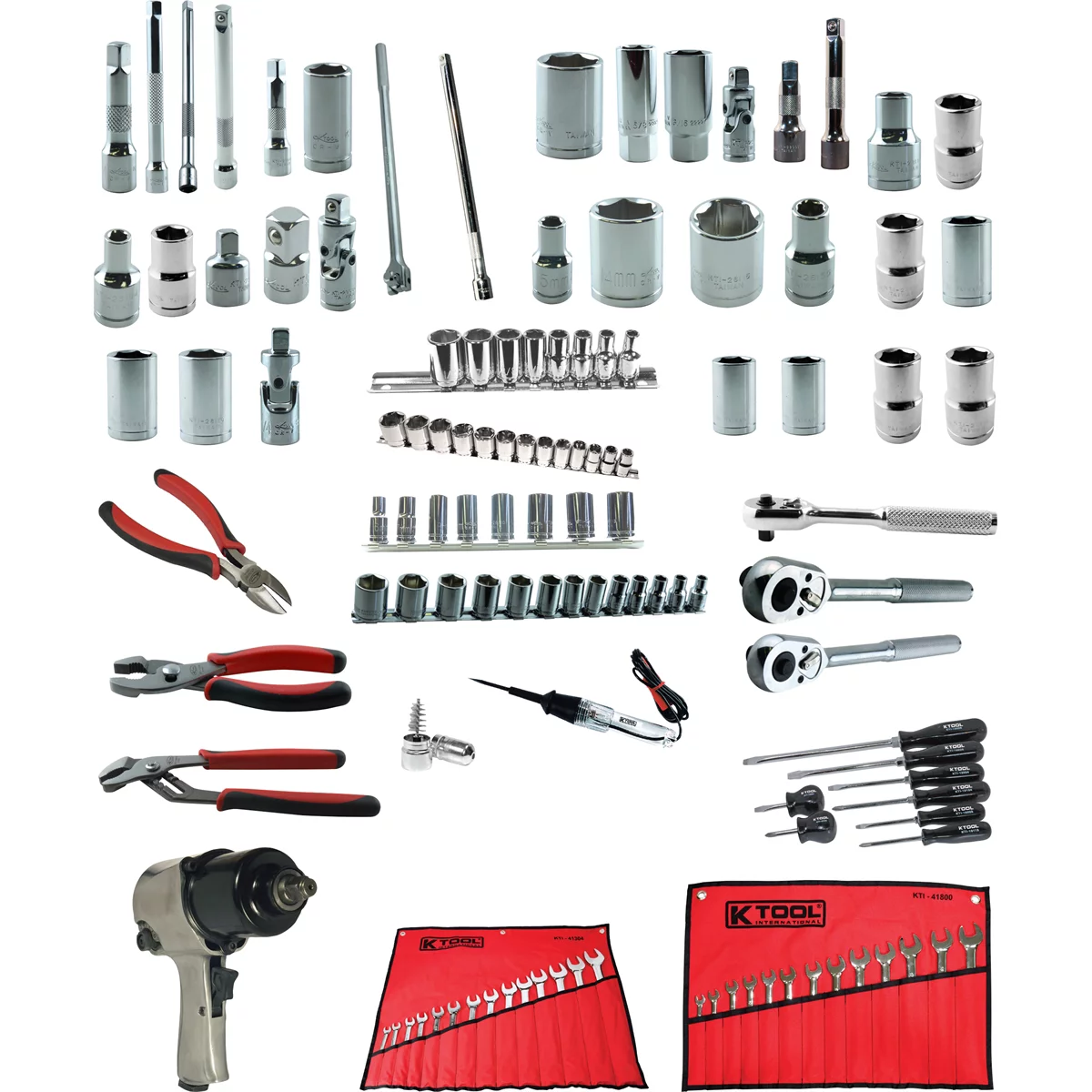
K Tool VoTech II Automotive Tool Kit 50-Piece Set
Mfg: K Tool International
Part #: VOTECH2
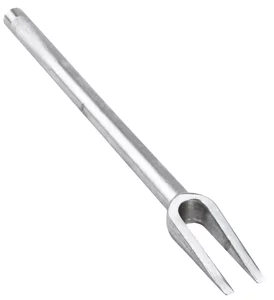
OTC 6534 Pickle Fork Tool - 16 x 11/16 Inch Fork Spread
Mfg: OTC Tools and Equipment
Part #: 6534
Frequently Asked Questions
How do I know if I’m genuinely burned out or just having a bad week?
Burnout persists despite time off and isn’t resolved by a vacation. If you’re still dreading work after a week completely disconnected from the job, and this feeling has lasted months rather than weeks, you’re looking at burnout rather than temporary stress. Also watch for physical symptoms—chronic fatigue, sleep disruption, increased illness—that don’t resolve with rest.
Will I have to take a massive pay cut if I change careers?
It depends entirely on the path. Lateral moves within mechanical trades (industrial maintenance, forklift service, mining equipment) typically maintain comparable income. Facilities maintenance and aviation mechanics offer solid pay after initial certification. Complete career pivots often involve temporary income reduction, particularly if they require education, but this can be strategic rather than catastrophic if you plan properly. Building 1-2 years of expenses before transitioning makes lower entry-level pay manageable.
Is it worth going back to school in my 30s?
Age alone shouldn’t disqualify the option, but be realistic about costs, timeline, and outcome. Research actual employment rates and starting salaries in your target field, not marketing materials from schools. Calculate total cost including lost income during school years. Ensure you’re pursuing education for a specific career goal, not as a way to avoid deciding what you actually want to do. Many successful transitions happen in people’s 30s and beyond, but they’re strategic decisions, not escape hatches.
Should I quit before finding another job?
Generally no, unless the position is causing acute health crises or safety concerns. Job searching while employed is harder but financially safer. You maintain income and benefits while exploring options, and you’re a more attractive candidate when you’re currently employed. If you absolutely must leave before securing the next position, ensure you have substantial savings—minimum six months of expenses, ideally more.
How do I explain a career change to potential employers?
Focus on transferable skills and genuine interest in the new field rather than what you’re running from. Emphasize problem-solving abilities, technical aptitude, work ethic, and reliability developed through your trades career. If you’ve taken relevant courses or certifications in the new field, highlight those as evidence of commitment. Employers value maturity, work history, and proven competence—your years as a successful tech demonstrate all three.
What if I leave and regret it?
The technician shortage means qualified mechanics can return to the field relatively easily if a career change doesn’t work out. Your certifications and experience don’t evaporate. Multiple techs report leaving for other work, trying it for a few years, and returning to wrenching when they realized the grass wasn’t actually greener. You’re not burning bridges permanently—you’re exploring options. Some perspective is only gained by trying something different, and that knowledge itself is valuable.
Specialized Tools for Your Next Role
Whether you’re transitioning to industrial maintenance, forklift service, or another mechanical trade, having the right equipment matters. Explore our Automotive Specialty Tools collection to find precision instruments and diagnostic equipment that support quality work across different mechanical fields.
- Diagnostic and testing equipment for troubleshooting
- Specialized hand tools for detailed work
- Professional-grade instruments for accuracy

The Toolsource Technical Team blends decades of real-world automotive service experience with up-to-date technical research. Our writers collaborate with professional mechanics, shop owners, and diagnostic specialists to deliver practical, workshop-ready guidance you can trust.


Follow us on social media