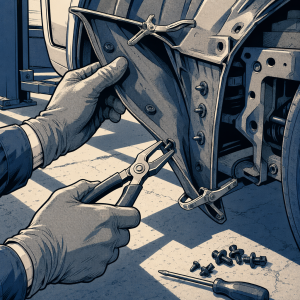
Working Smarter on the Line: Practical Tips for Automotive Techs Dealing With Modern Vehicles (and Old-School Shop Culture)
Modern vehicles pack more plastic fasteners, more electronics, and more time pressure into every job than they did a decade ago. This guide pulls together practical, floor-tested tactics — from splash shield tricks to scan tool basics — that help techs work faster without cutting corners.
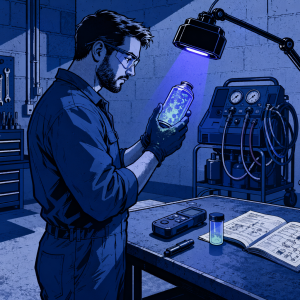
Why DIY A/C Recharge Cans Contain Stop Leak—And What Techs Need to Know
Walk into any auto parts store and you’ll find A/C recharge cans loaded with stop leak additives. Professional technicians warn these products can contaminate recovery equipment and cause long-term system damage. Here’s what you need to know before recommending—or refusing—these DIY solutions.
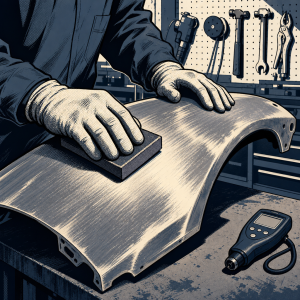
How to Diagnose and Fix Paint Delamination on Aluminum Body Panels
Paint delamination on aluminum body panels is a common repair failure caused by improper surface preparation, incorrect primer application, or inadequate curing time. This guide walks technicians through diagnosing the root cause and executing a proper repair that will last.
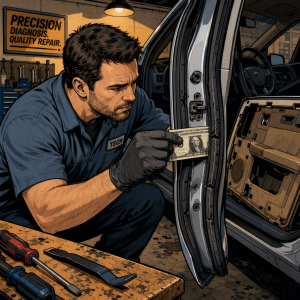
How to Diagnose and Fix Wind Noise in Your Vehicle: A Technician’s Guide
Wind noise above highway speeds is one of the most common customer complaints in automotive service bays. This guide walks technicians through systematic diagnostic procedures to identify whether door seals, weatherstripping, mirrors, or underbody components are causing whistling and buzzing sounds.
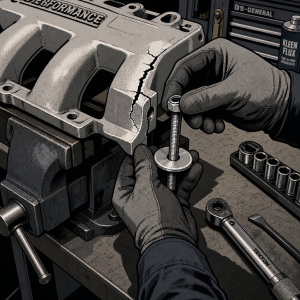
How to Repair a Broken Intake Manifold Mounting Tab: Technician’s Guide
Breaking a mounting tab on an intake manifold during removal is a common mistake that happens when a hidden bolt gets overlooked. This guide covers four proven repair methods—from epoxy bonding to welding—plus preventive measures to avoid the problem in the first place.
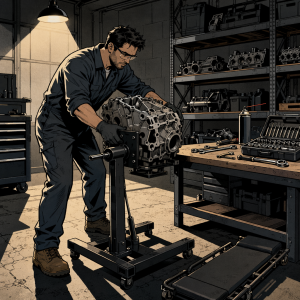
How to Stay Healthy as a Mechanic: Practical Steps to Protect Your Body
Many mechanics assume body breakdown is inevitable, but experienced techs who’ve worked 30+ years pain-free prove otherwise. The difference isn’t luck—it’s consistent habits around PPE, ergonomics, fitness, and knowing when to work smarter instead of harder.
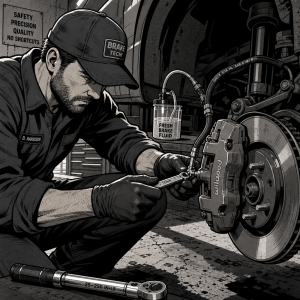
How to Fix Brake Line Leaks and Bleed Your System Correctly
Installing new brake hoses only to find fluid seeping at the fittings is a common frustration for DIY mechanics. This guide walks you through diagnosing thread issues, selecting the correct flare type, bleeding in the proper sequence, and addressing ABS-specific challenges that can leave your pedal spongy even after multiple bleed attempts.
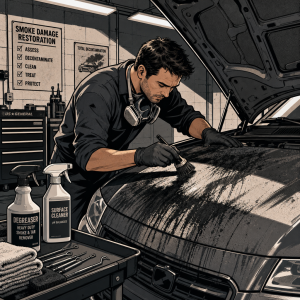
Smoke Damage Detailing: How to Restore Fire-Damaged Vehicles in Your Shop
Fire and smoke damage can devastate a vehicle’s interior and exterior, leaving behind stubborn odors and surface contamination. This guide walks technicians through the complete process of assessing, cleaning, and restoring smoke-damaged vehicles, from initial inspection to final detailing work.
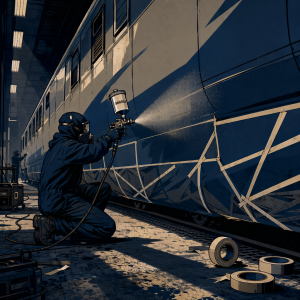
How to Paint Large Vehicles: A Professional Guide to Train and Heavy Equipment Refinishing
Painting trains and other large vehicles requires specialized techniques, equipment, and planning that go far beyond typical automotive work. Professional shops handle everything from 400-600 hour projects with strict deadlines to managing teams across massive spray booths, using industrial-grade paint systems designed to withstand years of abuse.
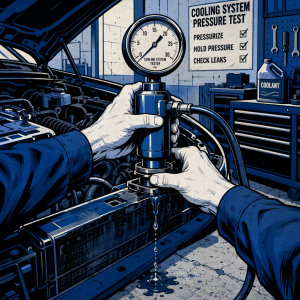
Diagnosing Coolant Reservoir Boil-Over: Pressure System Failures vs. Head Gasket Issues
When coolant boils over in the reservoir, technicians face a diagnostic fork: is it a simple pressure system leak, or a catastrophic head gasket failure? This guide walks through systematic testing to identify the root cause—from cracked coolant tanks and faulty caps to stuck thermostats and blown head gaskets—so you can fix it right the first time.


Follow us on social media