Talk to enough mechanics and you’ll hear the same refrain: this job destroys your body. Bad backs, blown knees, wrist injuries, hearing loss—the list goes on. But here’s what doesn’t get discussed enough: the techs who’ve been wrenching for 30, 40, even 50 years and still feel good. They’re not superhuman, and they didn’t get lucky. They made specific choices about how they approached the work, took care of their bodies, and refused to accept that physical breakdown was inevitable. If you’re early in your career or feeling the first warning signs of wear, understanding what separates the healthy veterans from the broken-down ones can add decades to your working life.
Why Heavy Equipment Is Actually Easier on Your Body Than Automotive
It sounds backwards, but multiple techs who’ve worked both automotive and heavy equipment report the same thing: heavy equipment is less taxing on the body. One tech with 20 years automotive and 10 years heavy equipment experience put it plainly—he never leaves work now thinking his back is killing him, something that happened regularly in automotive.
The reason comes down to design philosophy and available tooling. Automotive manufacturers prioritize compact, lightweight designs. Everything lands in that dangerous middle zone where it’s technically light enough to lift manually but heavy enough to wreck your back if you do it repeatedly. You’re constantly bent over at the waist, reaching into tight spaces, and contorting your body into positions no spine was designed for. There’s pressure to move quickly, limited space for proper equipment, and an expectation that you’ll muscle through it.
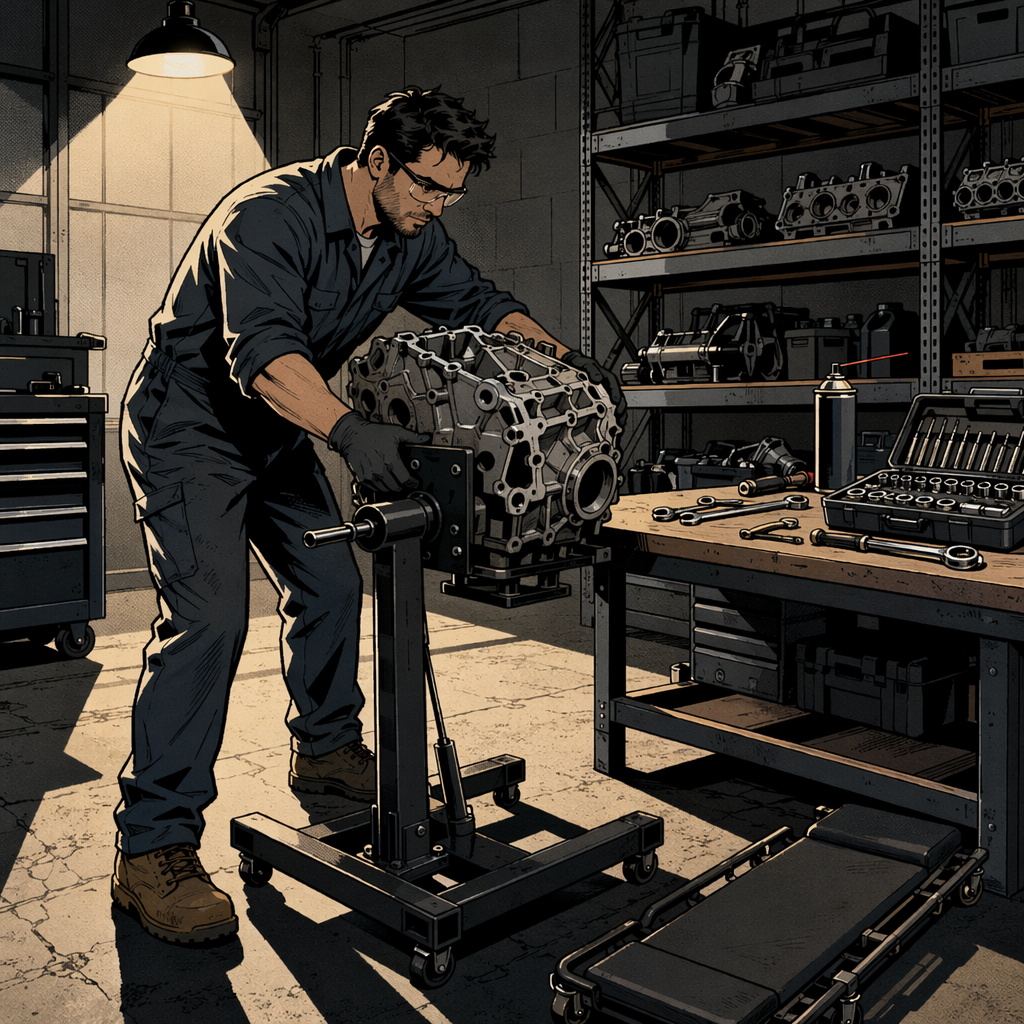
Heavy equipment, by contrast, is designed with serviceability in mind. Yes, components are heavier, but that’s actually protective—nothing is light enough to attempt a manual lift. You’re forced to use hoists, cranes, engine stands, and transmission jacks for everything. Most heavy equipment shops are better equipped because the work demands it. When you work mobile heavy equipment, you typically have a service truck with a crane. The job physically can’t be done without proper lifting equipment, which means your back isn’t the weak link.
Even light industrial settings often involve team lifts and proper rigging for anything heavy. Automotive has almost everything small enough to move by hand, by yourself, which means you probably will—even when you shouldn’t. If you’re feeling the strain in automotive and considering a switch, heavy equipment or industrial maintenance often provides better ergonomics despite the heavier components.
The Real Culprits Behind Mechanic Health Problems
When veteran techs talk about colleagues with serious health issues, they point to the same patterns: smoking, terrible diets, energy drink dependence, chronic sleep deprivation, and daily alcohol consumption. These lifestyle factors compound the physical stress of the job and sabotage your body’s ability to recover.
One retired tech worked 50 years, smoked and drank daily, and still came out reasonably healthy—but he’s the exception that proves the rule. Most people can’t abuse their bodies that way and expect to stay functional. The techs thriving into their 50s and 60s consistently report cleaner living: no smoking, moderate or no drinking, real food instead of gas station meals, and consistent sleep schedules.
Hydration and nutrition matter more than most techs realize. Swapping energy drinks for electrolyte supplements, meal prepping instead of relying on vending machines, and actually drinking water throughout the day reduces inflammation, improves recovery, and keeps energy levels stable. One tech in his early 30s reported eliminating body soreness entirely after a few months of cutting caffeine, drinking electrolytes, staying hydrated, and meal prepping. The work didn’t change—his recovery capacity did.
Chemical exposure is another under-discussed health factor. Mechanics regularly handle strong carcinogens—brake dust, solvents, exhaust fumes, oils, and coolants. Even with PPE, you’re exposed to these substances at far greater concentrations than most professions. There’s no way to eliminate this risk entirely, but you can minimize it by using nitrile gloves for every fluid contact, wearing respirators when working with solvents or around exhaust, and never eating in the shop. The cancer risk is real, documented, and rarely mentioned during training.

Fitness and Mobility: The Non-Negotiable Foundation
The job itself provides plenty of activity, but it’s not the right kind. Wrenching involves repetitive movements, awkward positions, and unbalanced loading. You need dedicated fitness and mobility work to counteract these patterns and keep your body resilient.
Stretching is the bare minimum. Multiple techs credit daily stretching routines—especially first thing in the morning—with keeping their backs, hips, and knees functional. Flexibility allows you to get into and out of positions safely. Tight hamstrings and hip flexors contribute directly to lower back pain. Spending 10-15 minutes on basic stretches before work pays immediate dividends.
Strength training builds the structural support your body needs. You don’t need to be a bodybuilder, but having a strong core, posterior chain, and stabilizer muscles protects your spine and joints under load. Techs who hit the gym regularly—even just 3-4 days a week—report fewer injuries and faster recovery when they do get sore. Early morning sessions (5 AM) work well for many because the shop schedule makes evening workouts unreliable.
Cardiovascular fitness improves recovery and stamina. One tech swims weekly for cardio and noticed major improvements in lung capacity and overall endurance. Others bike, run, or hike. The specific activity matters less than doing something that gets your heart rate up consistently. Better cardiovascular health means better oxygen delivery to tissues, faster healing, and more energy throughout the day.
Balancing shop work with family and fitness takes planning. Techs with young kids often can’t carve out gym time, but they find ways to stay active—playing with kids, doing yard work, taking family walks or bike rides. The point isn’t perfection; it’s consistent movement that isn’t just wrenching patterns.
PPE and Ergonomics: Work Smarter, Not Harder
Using personal protective equipment isn’t optional if you want a long career. Gloves, safety glasses, hearing protection, respirators, knee pads, and proper footwear all serve specific protective functions. The problem is that PPE takes time, and under flat-rate pay structures, time is money. This creates perverse incentives to skip protection in order to work faster.
Hearing protection is one of the most commonly skipped items. Techs report getting strange looks or even mockery for grabbing ear protection before using an air hammer for a few seconds. But tinnitus and hearing loss are cumulative and irreversible. Every exposure adds up. Quality earplugs or earmuffs are cheap and take seconds to use. Protect your hearing now or pay for it the rest of your life.
Footwear is another area where techs try to save money, and it’s a mistake. Your feet, knees, hips, and back form a kinetic chain—problems at the bottom affect everything above. High-quality steel-toed or composite-toed work boots with proper arch support and cushioning make a measurable difference. One retired truck mechanic attributes his pain-free retirement directly to never cheaping out on boots. Athletic shoes or hiking boots don’t provide the support or protection needed for shop floors.
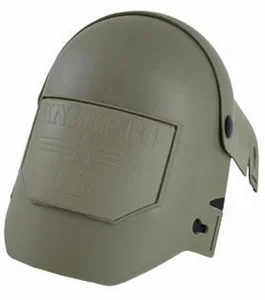
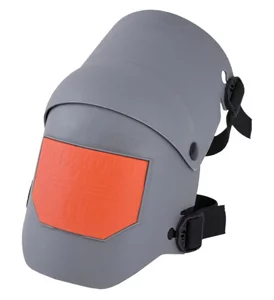
Knee pads, creepers, and padded mats reduce repetitive stress injuries. If you’re spending significant time kneeling or lying on concrete, use protection. Your knees will thank you in 20 years. Anti-fatigue mats at your workstation reduce leg and back fatigue during long jobs.
Ergonomic principles matter as much as equipment. Use jackstands at proper heights to avoid unnecessary bending. Position parts and tools within easy reach. Don’t twist while lifting—pivot your feet instead. Take the extra 30 seconds to grab a creeper or knee pads. Every shortcut you take today is an injury you’re scheduling for later.
Work smarter, not harder. Experienced techs consistently emphasize this. Know your tools and use them correctly. A new guy might muscle a transmission into place; a veteran uses the right jack, positions it carefully, and lets the equipment do the work. Use penetrating oil and heat instead of forcing frozen fasteners. Take the time to set up properly rather than rushing into a job that will take twice as long and hurt you in the process.
Setting Boundaries and Recognizing Warning Signs
Never let anyone pressure you into unsafe work. Your number one rule should be going home healthy at the end of the day. Shops that push numbers over safety aren’t worth your long-term health. Good techs always have options—if a manager pressures unsafe practices, start looking for better employers.
Pay attention to your body’s warning signs. Soreness is normal; persistent pain is not. A 24-year-old tech developed a repetitive motion wrist injury (tendon tear) despite using proper technique and no extreme activities—just normal daily use. Sometimes injuries happen despite precautions, but ignoring early warning signs always makes them worse. If something hurts consistently, address it before it becomes a chronic problem.
Age changes the equation. Multiple techs in their early-to-mid 30s report feeling great, then finding things get harder in their early 40s. Recovery takes longer. Old injuries start acting up. What worked at 25 might not work at 45. This isn’t a reason to panic, but it is a reason to be proactive about health habits now.
Plan for career transitions. One tech approaching 50 acknowledged not wanting to do manual labor past that age. That’s smart planning. You can transition into diagnostic work, shop foreman roles, mobile service, inspection work, or teaching. Your mechanical knowledge doesn’t expire, but your body’s tolerance for physical work does decline. Building skills in diagnostics, GPS machine control, electrical troubleshooting, or management creates exit ramps from the most physically demanding work.
Shop Culture and Support Systems Matter
The best shops provide proper PPE, adequate tooling, reasonable time expectations, and don’t penalize you for working safely. The worst shops provide nothing, expect you to supply your own safety equipment, and create cultures where taking precautions is seen as weakness or wasting time.
Flat-rate pay structures create systemic problems. When your income depends on speed, every minute spent on PPE, proper setup, or safe work practices costs money. This creates pressure to take shortcuts that lead directly to injuries. Shops paying hourly remove this perverse incentive. If you’re struggling in a flat-rate environment, consider switching to hourly pay. Your body is worth more than the extra few dollars you might make rushing.
Workplace support for veterans matters too. Experienced techs passing knowledge to new guys—showing them the easier way, the right tool, the technique that saves your back—builds a culture of longevity. Shops where old-timers watch new guys struggle without helping create unnecessary injuries. Good mentorship includes teaching people how not to destroy themselves.
Don’t stay somewhere that’s grinding you down. This subreddit is full of complaints about terrible working conditions, but fewer people actually leave bad situations. If your shop is destroying your health, your pay is terrible, and management doesn’t care—leave. Every year you stay is damage you’re banking against your future. The fewer people willing to work in exploitative conditions, the more leverage good techs have.
Essential Daily Habits Checklist
- Stretch for 10-15 minutes before starting work, focusing on hamstrings, hip flexors, and lower back
- Wear proper safety glasses and hearing protection for every task that requires it
- Use nitrile gloves when handling any fluids, solvents, or chemicals
- Drink water consistently throughout the day, not just when you’re thirsty
- Use proper lifting techniques: bend at the knees, keep loads close to your body, pivot feet instead of twisting
- Take the time to grab the right tool or equipment rather than forcing a job manually
- Wear high-quality work boots with proper support—replace them when they wear out
- Use knee pads, creepers, or mats when working on the ground
- Never skip meals—bring real food instead of relying on vending machines
- Get adequate sleep—chronic sleep deprivation destroys recovery capacity
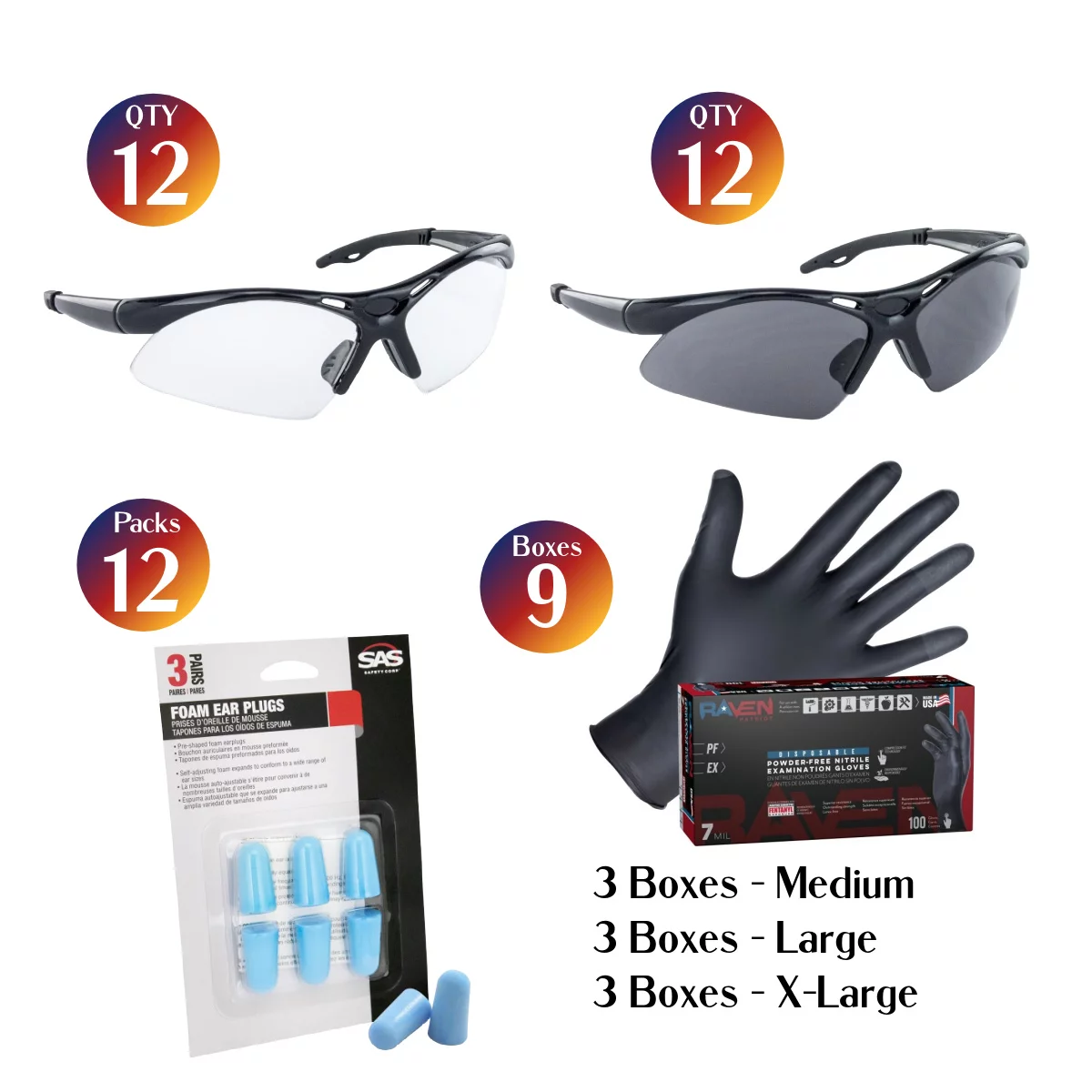
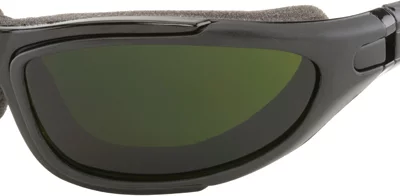
SAS Safety PPE Kit - Diamondback Glasses, Raven Gloves and E
Mfg: SAS Safety Corp
Part #: MACSAFETY001
Frequently Asked Questions
Does working on heavy equipment really cause fewer injuries than automotive?
Multiple techs who’ve worked both report that heavy equipment is easier on the body despite heavier components. The reason is that heavy equipment requires proper lifting tools for every job—cranes, hoists, stands, and jacks. Automotive work involves many components light enough to lift manually but heavy enough to injure you, creating constant temptation to skip proper equipment. Heavy equipment also typically offers better access and serviceability.
What’s the most commonly skipped PPE that causes long-term damage?
Hearing protection. Air tools, impact guns, air hammers, and shop noise cause cumulative hearing damage that’s irreversible. Many techs skip ear protection because jobs only take “a few seconds,” but those exposures add up over years. Tinnitus and hearing loss are nearly universal among older techs who didn’t protect their ears consistently.
Should I go to the gym if my job already keeps me active?
Yes. Shop work provides activity but in repetitive, unbalanced patterns. You need dedicated strength training to build supporting muscles, cardio for recovery capacity, and stretching for mobility. Techs who work out regularly report fewer injuries, less soreness, and better stamina. Even 3-4 gym sessions per week makes a measurable difference.
Is flat-rate pay really worse for your health than hourly?
Flat-rate creates financial incentives to skip safety steps, rush jobs, and avoid taking time for proper setup. When every minute costs you money, PPE and safe practices feel expensive. Hourly pay removes this pressure, allowing you to work at a sustainable pace. Many techs report better health outcomes after switching to hourly positions.
At what age do most mechanics start feeling the effects of the job?
Experiences vary, but many techs report a noticeable shift in their early 40s. Recovery takes longer, old injuries resurface, and work that felt easy at 30 becomes harder. This doesn’t mean your career is over—it means you need to be more intentional about fitness, recovery, and potentially transitioning toward less physically demanding roles like diagnostics or supervision.
What are the biggest lifestyle factors that determine whether mechanics stay healthy long-term?
Smoking, poor diet, energy drink dependence, inadequate sleep, and heavy alcohol consumption are the common threads among techs with serious health problems. Techs who stay healthy into their 50s and 60s consistently report not smoking, eating real food, staying hydrated, getting adequate sleep, and drinking moderately or not at all. These factors affect your body’s ability to recover from the physical demands of the job.
Recommended Safety Gear for Mechanics
Protecting your body starts with the right equipment. Proper PPE—gloves, hearing protection, safety glasses, respirators, work boots, and knee pads—aren’t optional if you want a long career. Check out our Shop Safety and Apparel selection to find the gear that works for your specific tasks.
- Hearing protection and safety glasses for shop work
- High-quality work boots and knee pads for ground-level jobs
- Gloves, respirators, and protective apparel for fluid and chemical handling

The Toolsource Technical Team blends decades of real-world automotive service experience with up-to-date technical research. Our writers collaborate with professional mechanics, shop owners, and diagnostic specialists to deliver practical, workshop-ready guidance you can trust.


Follow us on social media