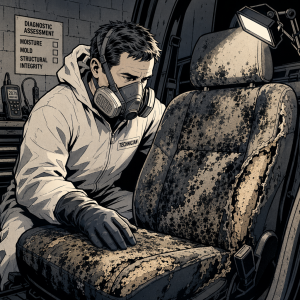
Biohazard Vehicle Interior: When to Walk Away from a Detailing Job
Not every vehicle interior is salvageable, and some present serious health hazards that no amount of money justifies taking on. Understanding when to walk away from a biohazard restoration job protects your health, your shop’s reputation, and your bottom line.
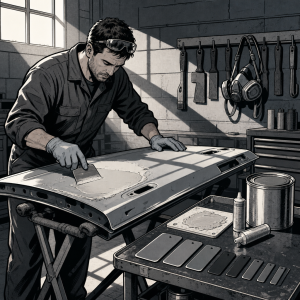
Body Filler Spreader Safety: A PPE Guide for Auto Body Techs
Body filler work looks simple until the resin, hardener, and dust start working against your skin, eyes, and lungs. This guide covers the PPE and technique choices that keep spreader work safe, clean, and repeatable on a busy shop floor.
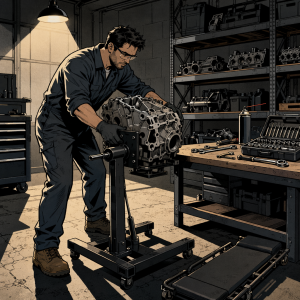
How to Stay Healthy as a Mechanic: Practical Steps to Protect Your Body
Many mechanics assume body breakdown is inevitable, but experienced techs who’ve worked 30+ years pain-free prove otherwise. The difference isn’t luck—it’s consistent habits around PPE, ergonomics, fitness, and knowing when to work smarter instead of harder.
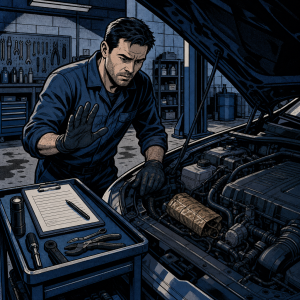
What Mechanics Find in Customer Cars: A Tech’s Guide to Handling Hazardous and Unusual Discoveries
Every shop technician eventually encounters something unexpected in a customer’s vehicle. This guide covers professional protocols for handling biohazards, weapons, contraband, and other discoveries that go beyond routine maintenance—helping you protect yourself legally and physically while maintaining customer relationships.
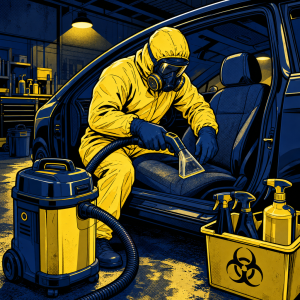
Biohazard Vehicle Detailing: How to Clean Vomit and Bodily Fluids from Car Interiors
When a vehicle comes in covered in vomit or other bodily fluids, standard detailing procedures won’t cut it. Learn the proper biohazard cleanup protocols, PPE requirements, and pricing strategies for these high-risk jobs.
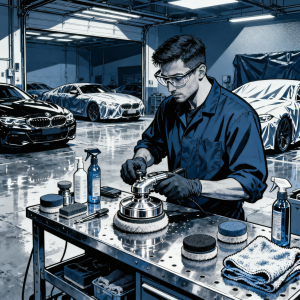
Preventing Damage During Detailing: Best Practices and Safety Tips
Detailing vehicles can lead to accidental damage if not done correctly. Discover practical steps to prevent issues and ensure safe operations in your workshop.


Follow us on social media