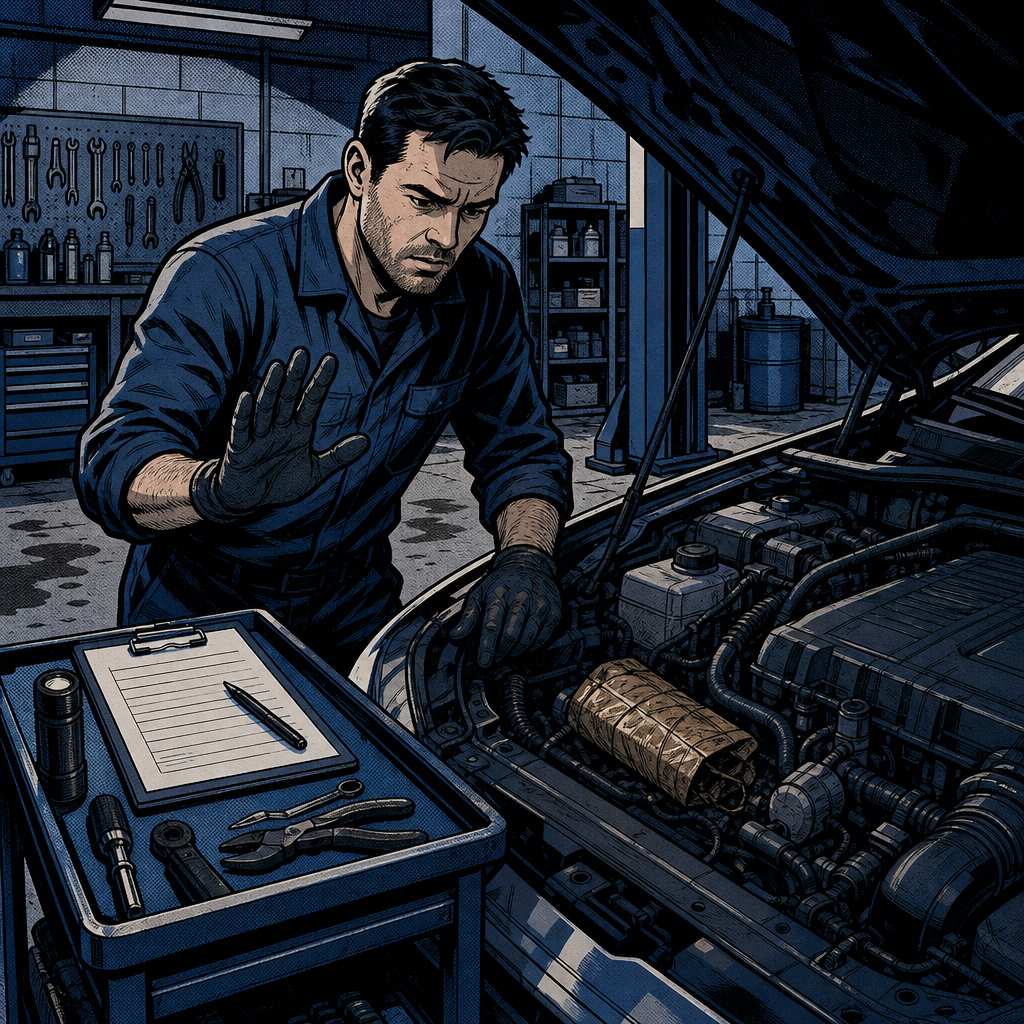
Every automotive technician will eventually open a customer’s door and find something that stops them cold. Whether it’s a vehicle interior filled with biological waste, forgotten contraband in a trunk, or conditions that pose genuine health risks, these discoveries test both your professional boundaries and your shop’s protocols. Understanding how to handle these situations protects your health, limits your shop’s liability, and maintains professional standards. This guide outlines practical steps for managing the unexpected discoveries that come with the territory.
Recognizing Biohazard Conditions That Require Refusal of Service
Biohazards represent the most common—and most serious—category of unacceptable vehicle conditions. These aren’t minor cleanliness issues; they’re genuine health threats that can expose you to bloodborne pathogens, airborne contaminants, and infectious materials.
The most frequently encountered biohazards include human waste (urine containers, feces), bodily fluids (blood from accidents, vomit), medical waste (used syringes, soiled dressings), and decomposing organic matter (forgotten food, animal remains). Vehicles used as living spaces by unhoused individuals or private investigators on extended surveillance often accumulate multiple gallon jugs of urine, sometimes alongside fecal matter in containers. Rental returns after accidents may contain blood, tissue, or in extreme cases, severed body parts that weren’t fully removed during initial cleanup.
The threshold for refusal should be clear: if the vehicle contains any biological material that could transmit disease, cause infection, or require specialized handling, it exceeds normal service conditions. This includes vehicles where the sheer volume of garbage creates pest infestations or mold growth. A car filled to the windows with trash—including used diapers, feminine hygiene products, food waste, and spilled liquids that have fermented for weeks—falls into this category.
Document the condition immediately with photos from multiple angles, but do not continue working. Close the vehicle and notify your service advisor or shop manager before the customer leaves the premises if possible. The key phrase to use is simple: “This vehicle requires professional decontamination by a certified hazmat service before we can perform any work.” Don’t negotiate, don’t make exceptions for “quick jobs,” and don’t let anyone pressure you into exposure.
OSHA regulations support your right to refuse work in these conditions under General Duty Clause provisions. Your shop’s insurance may explicitly exclude liability for technician exposure to biohazards in customer vehicles, making refusal a business necessity, not just a health preference. If management pushes back, document your concerns in writing and reference specific visible hazards.
Establishing Clear Customer Communication Protocols
How you communicate refusal determines whether the situation escalates or resolves professionally. The service advisor should handle this conversation, not the technician, but you need to provide them with clear, factual information they can relay.
Avoid judgmental language or personal commentary about the customer’s lifestyle. Instead, frame it as a standard shop policy: “Our facility is not equipped to service vehicles containing biohazardous materials. We can schedule your service once the vehicle has been professionally cleaned and decontaminated.” Provide references to local detailing shops that handle biohazard cleanup or hazmat-certified cleaning services if available in your area.
Some customers will offer to clean the vehicle themselves in your parking lot. This is almost never acceptable. One service manager recounts a private investigator who, when told his car couldn’t be serviced due to multiple five-gallon jugs of urine, proceeded to dump them in the parking lot. The correct response is immediate: ask the customer to leave and refuse future service. Dumping biohazards on your property creates liability for your shop and potential environmental violations.
For borderline cases—vehicles that are extremely dirty but don’t contain active biohazards—you can offer conditional service: “We can perform the work if you remove all personal items and have the interior cleaned first. We’ll need to see the vehicle again before scheduling.” This puts the responsibility on the customer while maintaining professional standards.
Always document refused service in your shop management system with specific reasons. This protects you if the customer complains to corporate (for dealerships) or posts negative reviews. Your documentation should note: date/time, specific hazards observed, photos taken, communication with customer, and shop policy referenced.
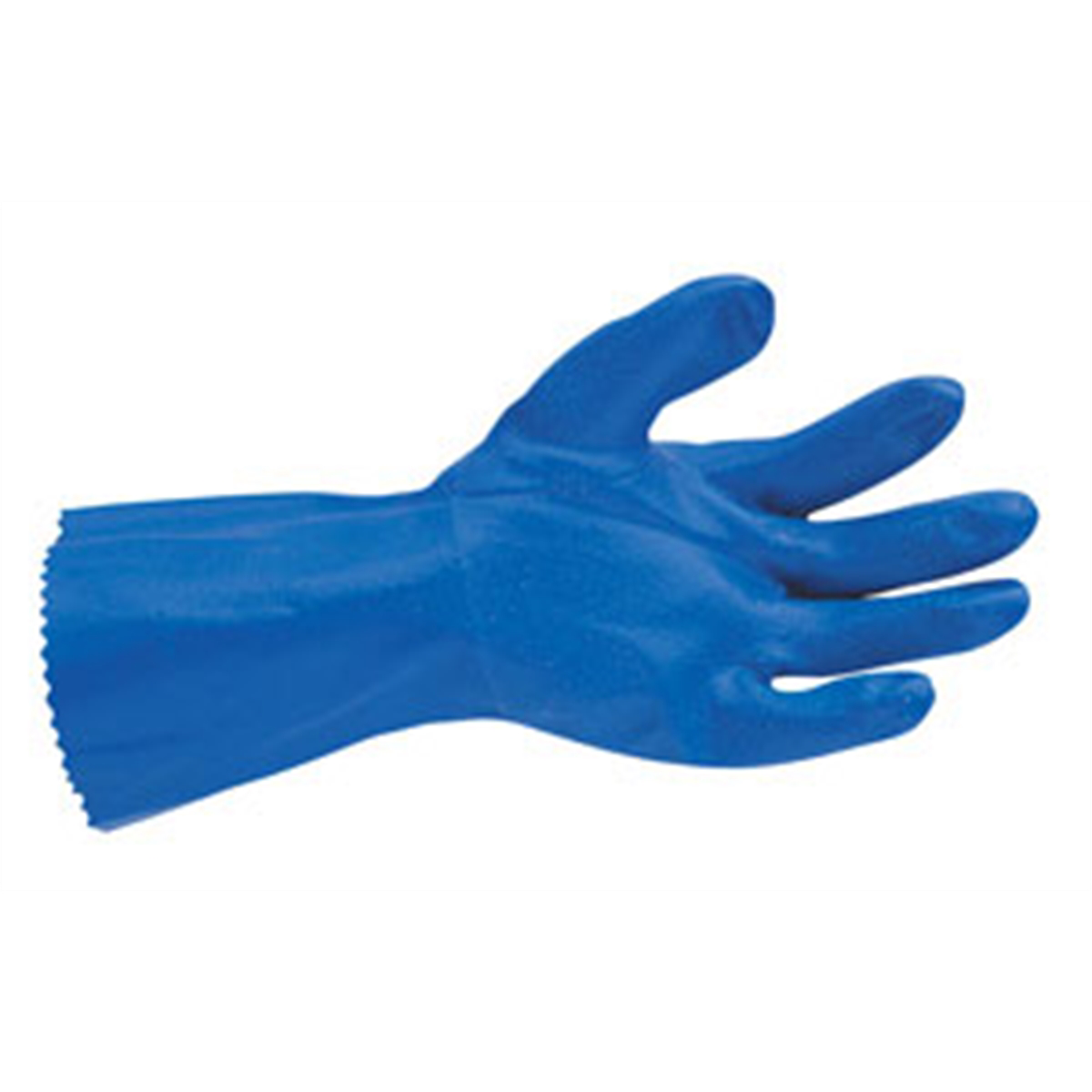
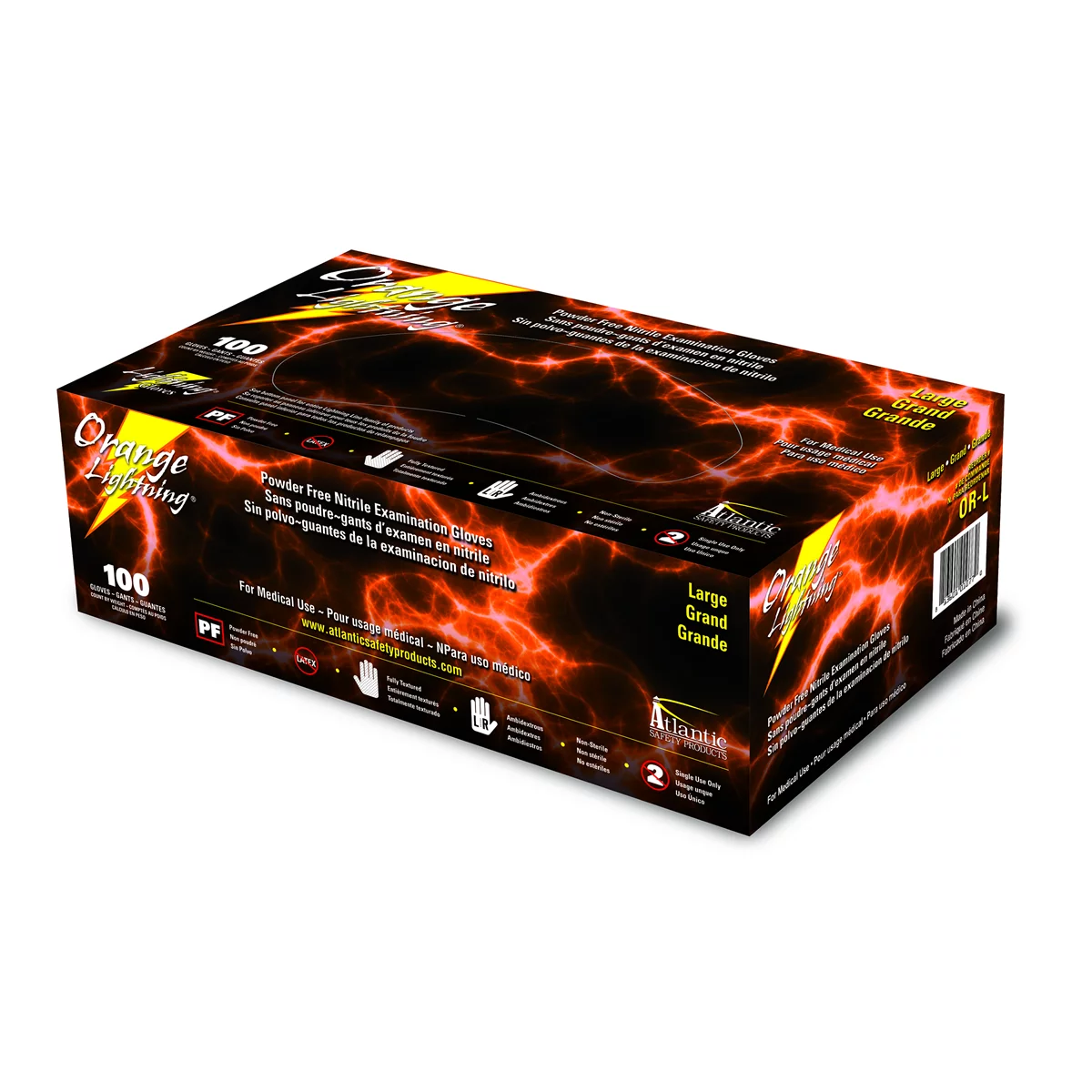
Orange Lightning Powder Free Nitrile Gloves 100/Box Medium
Mfg: Atlantic Safety Products
Part #: OR-M
Handling Weapons and Large Amounts of Cash
Firearms and significant cash present different challenges than biohazards—they’re legal to possess but create theft liability and safety concerns for your shop.
Loaded firearms in glove boxes, center consoles, and under seats are remarkably common, especially in trucks and SUVs. The legal landscape varies by state: some require notification, others don’t. The practical approach remains consistent: don’t touch them, don’t unload them, and notify management immediately. If you must move the vehicle (onto a lift, into the bay), inform other technicians in the area that there’s a loaded weapon in the vehicle.
Your shop should have a standard notation system for firearms—a discrete flag in the work order that alerts everyone who might access the vehicle. Some shops use a simple “SECURED ITEMS” tag without specifics to avoid advertising valuables. Never remove a weapon from a vehicle, even to “secure” it. This creates liability if anything happens to it and potentially puts you in possession of a weapon that may be illegal for you to handle.
Large amounts of cash (typically in glove boxes or trunks alongside weapons) require similar protocols. One technician reported finding a MAC-10 submachine gun with $20,000 cash in a car with bullet holes—clearly connected to illegal activity. In cases where weapons are combined with evidence of criminal activity (bullet holes, blood, drug paraphernalia), contact management before continuing any work. Your shop may need to refuse service entirely or, in extreme cases, contact authorities.
Document everything. If you discover a weapon while performing legitimate work (pulling a transmission, accessing a spare tire), note it on the work order with location and type if identifiable. This protects you if the weapon disappears and the customer claims theft. For cash, the same principle applies: document but don’t touch. The moment you handle someone’s money, you become liable for its security.
Navigating Drug and Contraband Discoveries
Finding drugs in a customer vehicle puts you in an awkward legal position. Small amounts of marijuana, especially in states where it’s legal, generally warrant the same approach as any other personal item: ignore it and continue working. It’s not your job to enforce drug laws while rotating tires.
The line shifts with harder drugs, drug paraphernalia indicating active use in the vehicle (used syringes, burnt spoons, pipes with residue), or quantities suggesting distribution rather than personal use. Used syringes represent a biohazard first and contraband second—they’re a legitimate reason to refuse service on health grounds alone.
For significant drug discoveries, the conservative approach is to stop work and consult management. Some shops have explicit policies requiring notification to authorities; others prefer to simply refuse service and ask the customer to remove their belongings before continuing. Neither approach is wrong, but you need to know your shop’s policy before you’re in the situation.
Never confiscate, dispose of, or relocate drugs yourself. This exposes you to criminal liability (possession, tampering with evidence) and creates complex he-said-she-said scenarios if the customer claims you stole their property. Yes, even their illegal property. Document what you found, where you found it, and let management make the call.
Other contraband—stolen parts, obviously burgled goods, weapons that may be illegal in your jurisdiction—follows the same principle: document, stop work, and escalate. You’re not a law enforcement officer, but you also don’t want your shop becoming known as a place where criminals can service getaway cars without questions.
Protecting Yourself from Accidental Exposure
The worst discoveries often happen accidentally. You reach into a center console for a wheel lock key and grab something wet. You pop a hood and get hit with a smell that makes you gag. You pull a transmission and find a bag that definitely isn’t spare parts.
Immediate decontamination is critical for any skin contact with unknown substances. The technician who grabbed what looked like a laser pointer from a trash-filled console and accidentally pepper-sprayed himself directly in the face learned this lesson the hard way. He tried to tough it out and continue working, but the heat from the engine bay intensified the burning. Flush with water immediately, then seek proper medical attention if you’ve been exposed to anything that could be a chemical weapon, biological material, or unknown substance.
For biological exposure (touching urine, feces, blood, or decomposed organic matter), wash with soap and water for at least 20 seconds, then apply sanitizer. Document the exposure and file an incident report with your shop’s workers’ compensation system that day, even if you feel fine. Bloodborne pathogen exposure can have delayed symptoms, and you need documentation if you develop hepatitis or other infections weeks later.
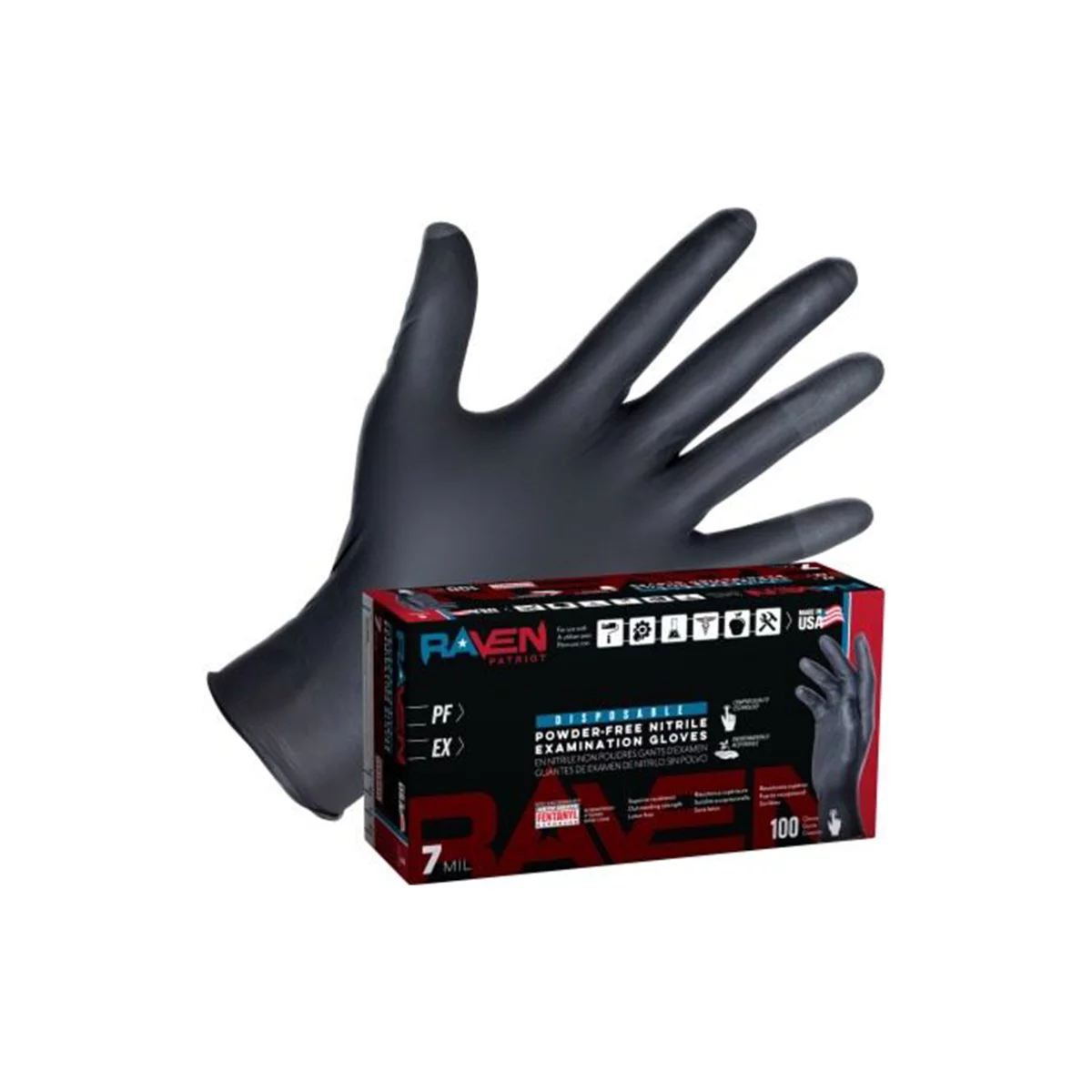
Shops should maintain basic PPE for unusual situations: disposable nitrile gloves (heavier than standard mechanic gloves), N95 respirators for odor and particulate hazards, and eye protection. These aren’t for routine work—they’re for those moments when you open a trunk and realize something died in there weeks ago.
The dead cat pulled from an F-250’s fan, the decomposed turkey forgotten in a trunk during a two-week vacation, the rodent nests in air filters—these aren’t biohazards in the infectious disease sense, but they’re still health hazards. Decomposition produces ammonia, cadaverine, and putrescine, which can cause respiratory irritation and nausea. Wear a respirator, use gloves, and dispose of remains in sealed bags in your shop’s dumpster, not the customer’s vehicle.
When to Involve Authorities and Legal Considerations
Most unusual discoveries don’t require police involvement. Personal items, even embarrassing ones (the bag of sex toys in the spare tire well, the adult materials in the glove box), are simply ignored as part of professional courtesy. But some situations cross into territory where you may have legal obligations or liability exposure.
Human remains—even a severed limb from an accident—require immediate law enforcement notification. The technician who found a human leg in a crashed rental Mustang couldn’t just throw it in the dumpster and move on. Accident scenes sometimes aren’t fully cleared by first responders, and body parts remaining in vehicles need proper chain-of-custody handling. Stop work, secure the area, and call your manager to contact police.
Evidence of crimes in progress or immediate danger (blood spatter patterns suggesting violence, restraints, weapons combined with suspicious damage) may create a duty to report depending on your jurisdiction. Consult with your shop’s legal counsel about local requirements. In most states, you don’t have a legal duty to report evidence of past crimes you discover incidentally, but you may have an ethical obligation in cases involving violence.
Child safety issues occupy a special category. If you discover evidence of child neglect or abuse (restraints designed for children, situations suggesting a child is living in an uninhabitable vehicle), many states classify automotive technicians as mandatory reporters. Know your state’s laws and your shop’s reporting protocols.
For everything else—drugs, weapons, cash, stolen property—your obligation is to your employer first. Report to management and let them decide whether to involve authorities. Document your discovery and notification in writing to protect yourself from accessory or conspiracy allegations if the situation later proves criminal.
Creating Shop-Wide Protocols and Standards
Individual technicians shouldn’t be making judgment calls about biohazards and contraband on the fly. Your shop needs clear, written policies that everyone understands before the situation arises.
A basic discovery protocol should include: (1) Stop work immediately upon discovering hazardous materials, weapons, or significant contraband. (2) Do not touch, move, or handle the discovery beyond what’s necessary to identify it. (3) Photograph the discovery in situ if safe to do so. (4) Notify your immediate supervisor or service manager. (5) Document the discovery, notification, and outcome in the work order notes.
Management protocols should address: who makes the decision to refuse service (service manager, shop foreman, or technician discretion), how to communicate refusal to customers (standard scripts for service advisors), what discoveries require law enforcement notification, and how to document refused service for liability protection.
Training should cover recognizing biohazards, basic PPE use for unexpected situations, and your state’s laws regarding mandatory reporting, firearms in vehicles, and workplace safety rights. Many of the worst situations escalate because young technicians don’t know they can refuse work or don’t understand the health risks they’re accepting.
Finally, support your technicians when they refuse service. The service manager who gave his tech the rest of the day off (paid) after removing a decomposed turkey that made him vomit for fifteen minutes sent a clear message: we value your wellbeing over a repair order. Shops that pressure technicians to work in unsafe conditions lose good employees and face expensive workers’ compensation claims.
Quick Reference Checklist for Unusual Discoveries
- Stop work immediately—don’t try to push through and finish “just this one thing”
- Don’t touch the discovery more than necessary for identification
- Photograph from a safe distance if possible (for documentation, not social media)
- Close the vehicle and step away from immediate area if biohazard or chemical exposure risk exists
- Wash hands and exposed skin thoroughly if you touched anything questionable
- Notify supervisor or service manager before customer leaves if possible
- Document discovery in work order with specific details: what, where, condition
- Follow shop protocol for customer notification (usually through service advisor, not technician)
- File incident report for any personal exposure to biological or chemical materials
- Don’t discuss discoveries on social media or with customers from other jobs
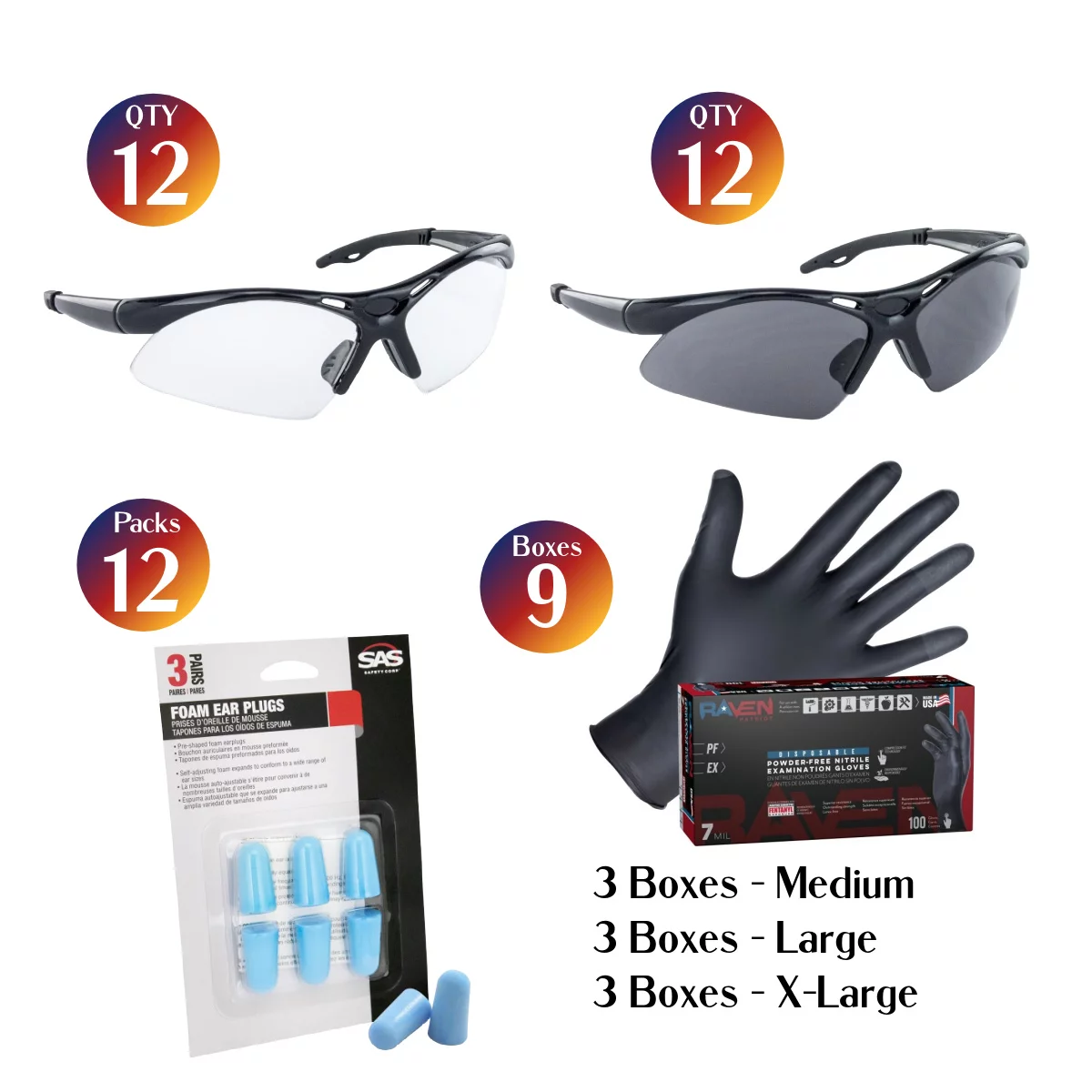
SAS Safety PPE Kit - Diamondback Glasses, Raven Gloves and E
Mfg: SAS Safety Corp
Part #: MACSAFETY001
Frequently Asked Questions
Can my shop force me to work on a car with biohazards?
No. OSHA’s General Duty Clause requires employers to provide a workplace free from recognized hazards. Biohazards in customer vehicles fall under this protection. You have the right to refuse work that exposes you to infectious materials, and retaliation for refusal is illegal. Document your concerns in writing if management pressures you.
What do I do if I find a loaded gun while doing routine work?
Don’t touch it or attempt to unload it. Note its location and inform your service advisor or manager so they can notify the customer. Mark the work order to alert other technicians. In most states, lawfully owned firearms in vehicles are legal, and you have no duty to report them. Focus on preventing accidental discharge and protecting the shop from theft liability.
Am I legally required to report drugs I find in a customer’s car?
In most jurisdictions, no. You’re not a law enforcement officer, and you have no general duty to report crimes you discover incidentally while performing your job. The exception is if your state has specific reporting requirements for certain crimes or if you’re a mandatory reporter for child safety issues. Check with your shop’s legal counsel about local laws.
How do I handle a customer who refuses to clean their car after I’ve refused service?
Stand firm. Explain that it’s shop policy, not personal discretion, and offer to reschedule once the vehicle is professionally cleaned. Don’t accept promises to “clean it real quick” in your parking lot. If the customer becomes aggressive, ask them to leave the property and note the interaction in your records. Some customers aren’t worth the liability exposure.
What protection does my shop have if something goes missing from a customer’s car?
Documentation. This is why you note valuable items, weapons, and large amounts of cash in the work order. Most shops post signs disclaiming liability for items left in vehicles, but these aren’t bulletproof. The best protection is a clear paper trail showing what was in the vehicle when you received it and a policy of not handling customer valuables.
Should I confront a customer about embarrassing items I found?
Never. Professional discretion means ignoring personal items that don’t affect the repair. Whether you found adult materials, medications, or intimate items, act as if you never saw them. If you must move something to access a repair area, do so without comment and return it to approximately where it was. Your job is fixing cars, not judging customers’ private lives.
Protect Yourself: Essential Shop Safety Equipment
Working with unexpected discoveries—biohazards, contaminated interiors, or unknown substances—requires proper protective equipment. Having the right gear on hand helps you handle unusual situations safely and professionally.
- Heavy-duty gloves, respirators, and eye protection for hazardous exposures
- PPE for biohazard situations and decomposition cleanup
- Decontamination supplies and first-aid essentials
Browse our Shop Safety and Apparel selection to stock your bay with the protection you need for these unexpected moments.

The Toolsource Technical Team blends decades of real-world automotive service experience with up-to-date technical research. Our writers collaborate with professional mechanics, shop owners, and diagnostic specialists to deliver practical, workshop-ready guidance you can trust.


Follow us on social media