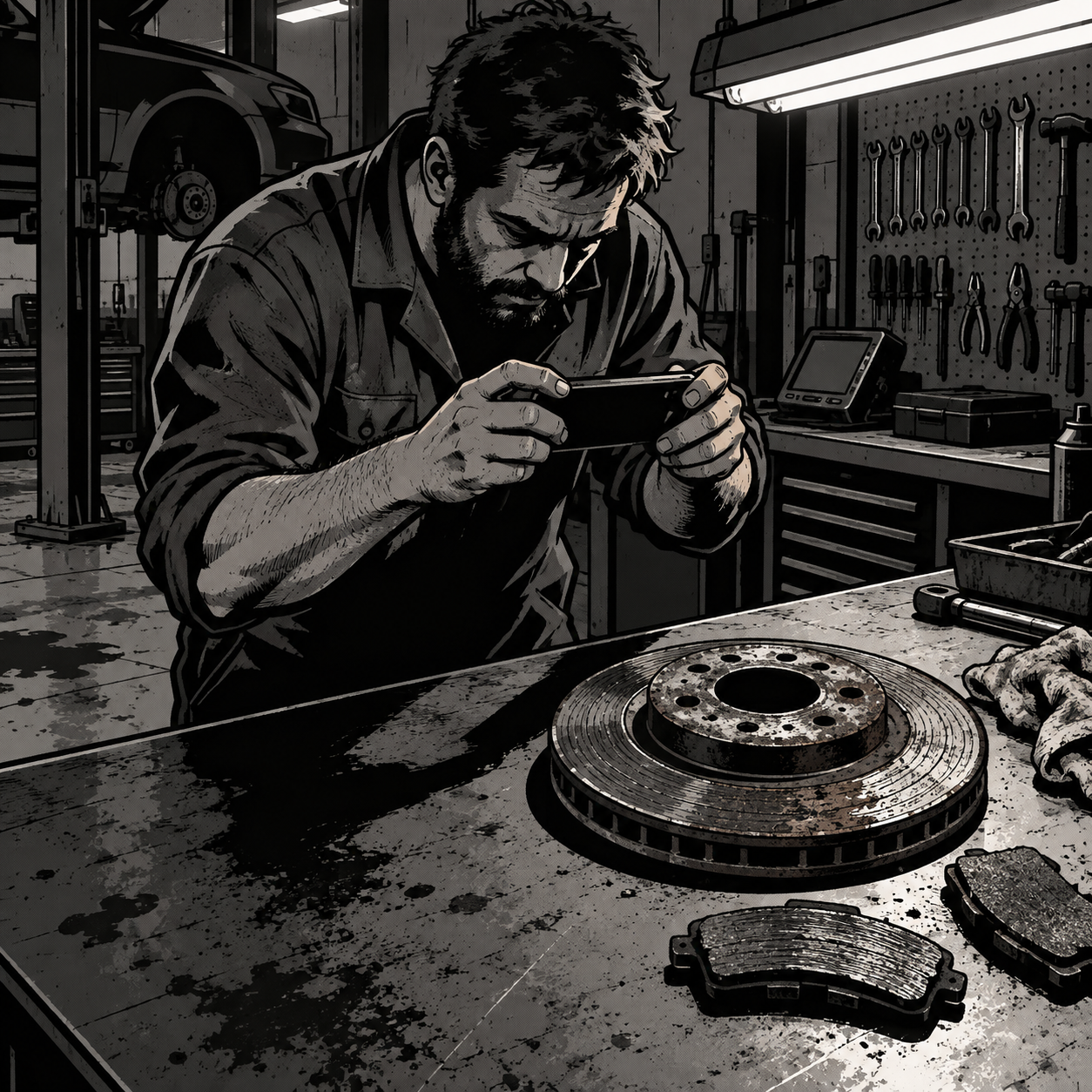
A thread about technicians wearing novelty t-shirts and “I fix cars” gear turned into a much bigger argument about professionalism, shop image, and what actually earns respect (and pay) in this trade. Strip away the back-and-forth and there’s a useful set of practical lessons for shop owners, service managers, and techs themselves — about dress code, brand representation, certifications, and how work gets communicated to customers. None of this requires a culture overhaul. It requires a few clear policies and some consistency.
Why Appearance Became a Flashpoint
The disagreement wasn’t really about t-shirts. It was about two different ideas of professionalism colliding. One camp argued that what a tech wears off the clock, or even on it, has no bearing on their skill — grease-stained shirts and a sharp diagnostic mind aren’t mutually exclusive. The other camp argued that clothing that pokes fun at the trade, or looks sloppy in front of customers, undercuts the shop’s credibility and, by extension, everyone’s paycheck.
Both points are defensible, and that’s exactly why shops need a written policy instead of leaving it to individual judgment. Ambiguity is what turns a clothing choice into a workplace argument. A simple rule — branded or neutral clothing on the floor, personal choice off the clock — resolves 90% of the friction before it starts.
Setting a Dress Code That Actually Works
A workable dress code for a repair shop balances safety, brand consistency, and the reality that this is dirty, physical work. Steps that hold up in practice:
- Define what’s required on the shop floor: closed-toe boots, no loose jewelry, shirts with sleeves, nothing with offensive or self-deprecating slogans that undercut the trade in front of customers.
- Separate “customer-facing” standards from “bay work” standards. A tech pulling a transmission doesn’t need the same presentation as one walking a customer to their car.
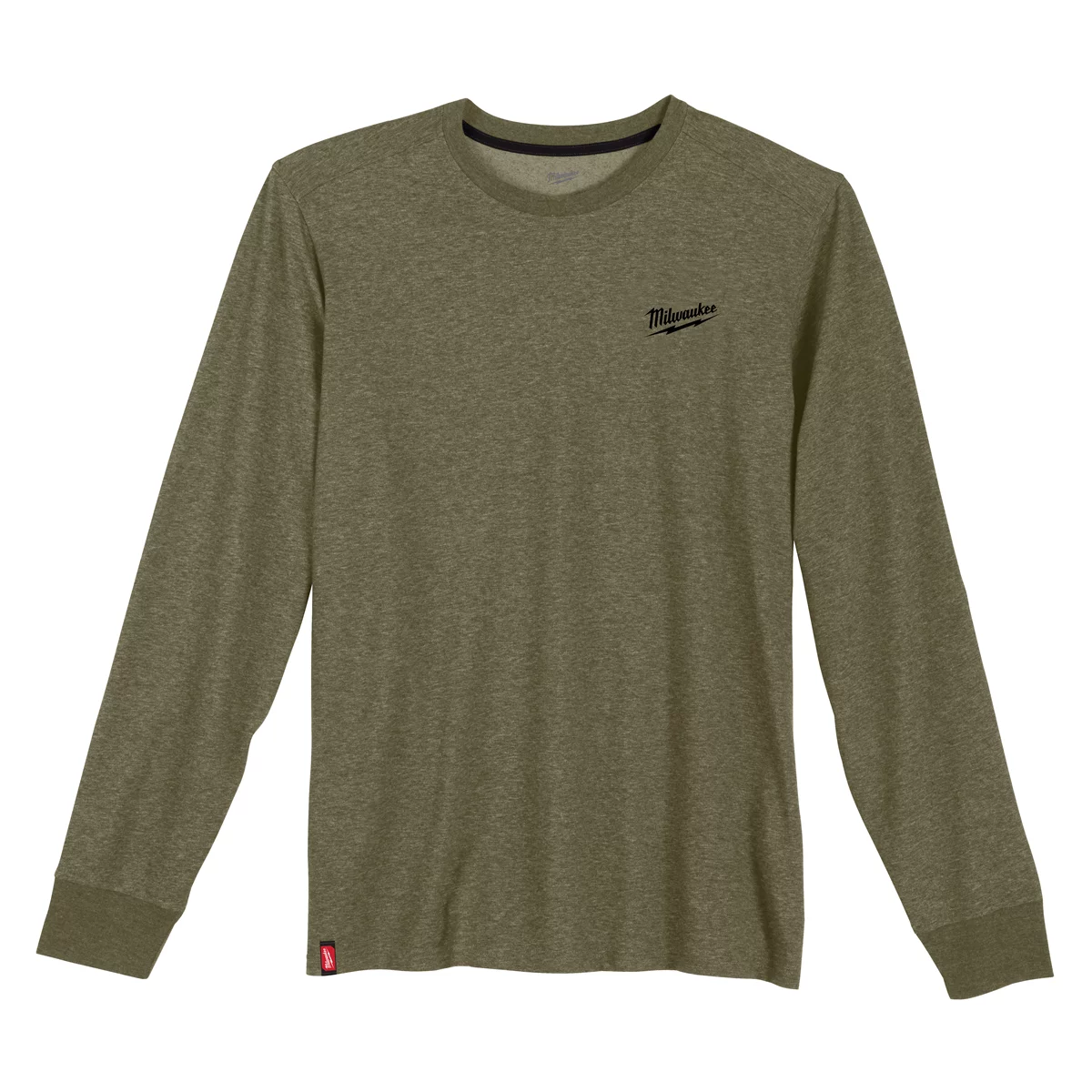
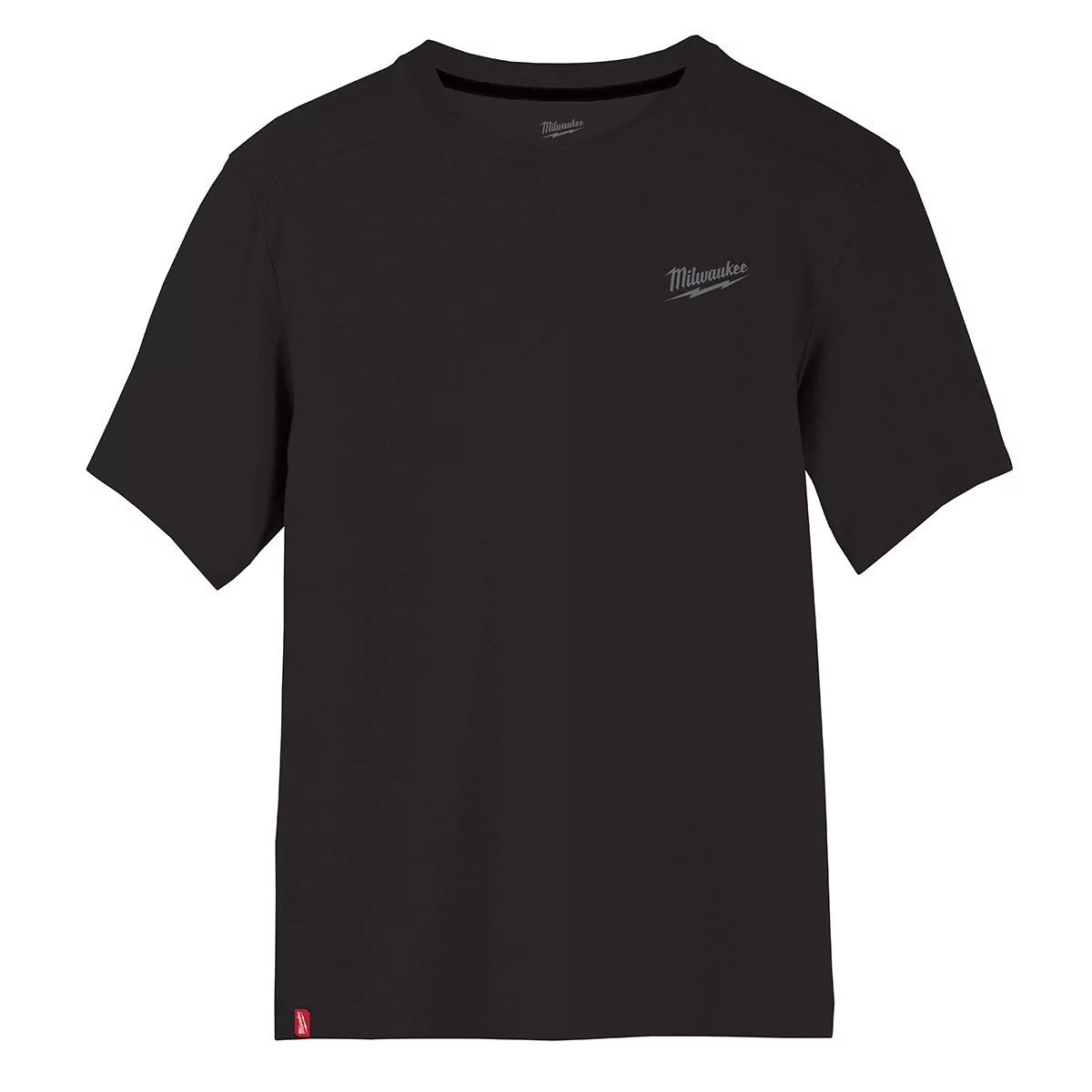
- Provide at least one piece of branded or neutral apparel (shirt, polo, or jacket) free or subsidized. Techs are far more likely to wear it if they didn’t have to buy it themselves.
- Put the policy in writing and apply it evenly. Inconsistent enforcement is what breeds resentment, not the policy itself.
Shops that supply durable, weather-appropriate uniforms tend to see fewer dress-code conflicts than shops that just post a sign. Budgeting for a basic uniform program — a few shirts, a jacket for cold bays, slip-resistant boots — pays for itself in reduced turnover friction and a more consistent look for customers walking through the lobby.
Separating Work Identity From Personal Time
A recurring point from veteran technicians was about boundaries: many deliberately avoid wearing anything tool-brand or shop-branded outside of work, not because they’re ashamed of the trade, but because they treat the end of a shift as a hard stop. That’s a personal choice, not a professionalism issue, and shops shouldn’t try to legislate what employees wear on their own time.
Where it does become a shop issue is swag and gifted apparel — tool-truck shirts, vendor hats, branded gear from manufacturers. If a tech wants to wear it in public representing the shop (at a car show, a charity event, a golf outing with customers), that’s a legitimate use of a polo or branded piece. If they don’t, nothing should be owed. The mistake some shops make is assuming every employee wants to be a walking billboard. Most don’t, and forcing it creates exactly the kind of eye-rolling seen in that thread.
What Actually Builds Pay: Certs vs. Real Skill
The conversation around ASE certification got heated, and the honest takeaway is that certifications and pay aren’t directly linked — competence and diagnostic ability are. Techs without ASE certs who can independently handle electrical, driveability, and communication-system diagnostics commonly out-earn certified techs who can’t. That doesn’t make certification worthless; it’s a credible baseline for insurance requirements, warranty work, and some franchise agreements. But it is not a substitute for hands-on reps.
For shop owners building pay scales or hiring criteria, the practical move is to weight certifications as one input among several — alongside a practical skills test, diagnostic case studies, and reference checks — rather than as the primary gate. For techs, the lesson is that continuing education (manufacturer-specific training, OEM diagnostic courses, scan tool certifications) tends to move the needle on pay faster than stacking general ASE categories alone.
Communicating Repairs Like a Professional
One comment thread detail is worth pulling out on its own: a tech who can’t explain why a part failed makes it nearly impossible for a service advisor to sell the job. “Brakes are bad” or “repaired broken wire” doesn’t give the advisor anything to work with when a customer asks why a four-hour diagnostic charge is justified.
Practical fixes for this are process, not personality:
- Require a one-line cause-and-effect note on every repair order: what failed, why it failed, and what happens if it’s not fixed.
- Photograph or video worn components before replacement — this does more to justify a job than any verbal explanation.
- Train advisors and techs together periodically so each side understands what information the other needs to close a sale or satisfy a warranty audit.
This kind of clear, specific write-up is also what separates a shop that looks professional from one that just dresses the part. Customers remember that their invoice made sense, not what shirt the tech was wearing.
Quick Checklist: Shop Presentation Basics
- Written dress code covering safety gear, shirts, and customer-facing standards
- At least one subsidized branded or neutral uniform piece per tech
- No off-the-clock apparel requirements — participation in shop branding should be optional
- Hiring criteria that weight hands-on skill tests alongside (not instead of) certifications
- Standard repair-order language: failure, cause, consequence, documented with photos
- Consistent enforcement of whatever policy is adopted — written down, applied evenly
None of this requires expensive consulting or a rebrand. It requires a short written policy, a modest uniform budget, and a documentation habit that makes every repair order defensible. Shops that get these basics right spend a lot less time refereeing arguments about t-shirts.
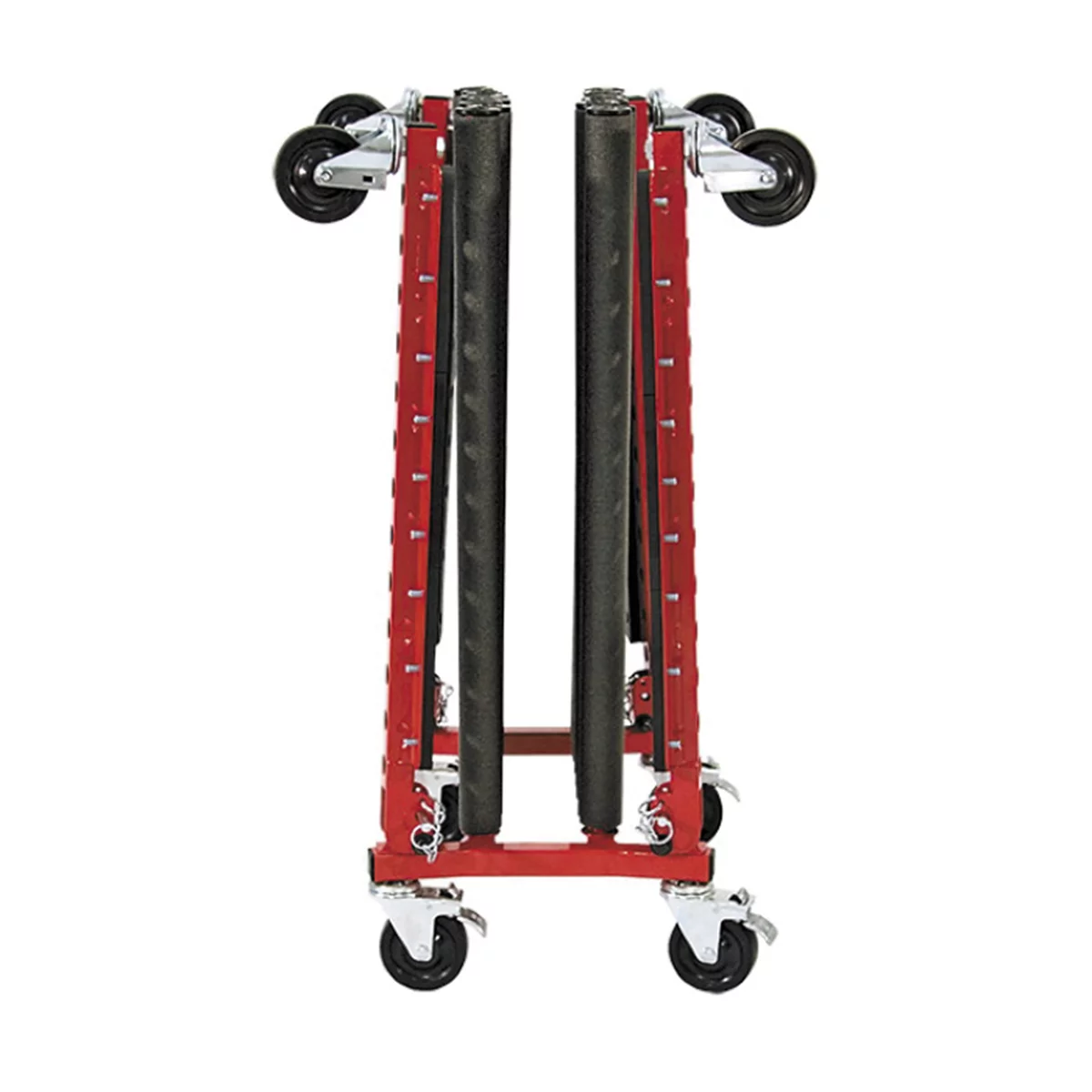
Innovative Tools & Tech I-PC Mobile Panel Storage Cart, 15 in L
Mfg: Innovative Tools and Tech
Part #: I-PC
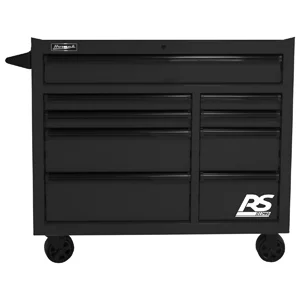
Homak 41" RS Pro 9-Drawer Rolling Tool Chest
Mfg: Homak Tool Storage
Part #: BK04004193
Frequently Asked Questions
Should a shop require technicians to wear branded apparel at work?
A reasonable middle ground is requiring neutral or branded clothing (not personal choice, novelty, or offensive shirts) on the shop floor, while leaving off-the-clock apparel entirely up to the individual.
Do ASE certifications actually increase a technician’s pay?
Certifications can open doors for warranty work, insurance compliance, and some franchise requirements, but they’re not a reliable predictor of pay on their own. Diagnostic skill, electrical competence, and the ability to work independently tend to drive compensation more directly.
How can a shop reduce dress-code conflicts among staff?
Put the policy in writing, apply it the same way to every technician regardless of tenure, and provide at least one subsidized uniform piece so compliance isn’t an out-of-pocket cost.
What’s the best way to help techs communicate repairs to customers?
Standardize repair-order language around failure, cause, and consequence, and pair it with photo or video documentation of the failed part. This gives service advisors the specifics they need to justify the job.
Is it reasonable for a shop to ask employees to wear branded gear outside of work?
Generally no. Most experienced technicians draw a hard line between work identity and personal time, and requiring off-the-clock branding tends to create resentment rather than goodwill.
What should hiring criteria weigh more heavily than certifications?
Practical, hands-on skills assessments and real diagnostic case studies tend to be better predictors of on-the-job performance than certification counts alone.
Shop Safety and Apparel
A sound dress code requires appropriate protective gear and work attire. Shop safety and apparel covers boots, shirts, gloves, and related gear for professional shop environments.
- Protective footwear, gloves, and eyewear for shop safety
- Work apparel: branded and neutral shirts and jackets
- Safety compliance equipment and accessories

The Toolsource Technical Team blends decades of real-world automotive service experience with up-to-date technical research. Our writers collaborate with professional mechanics, shop owners, and diagnostic specialists to deliver practical, workshop-ready guidance you can trust.


Follow us on social media