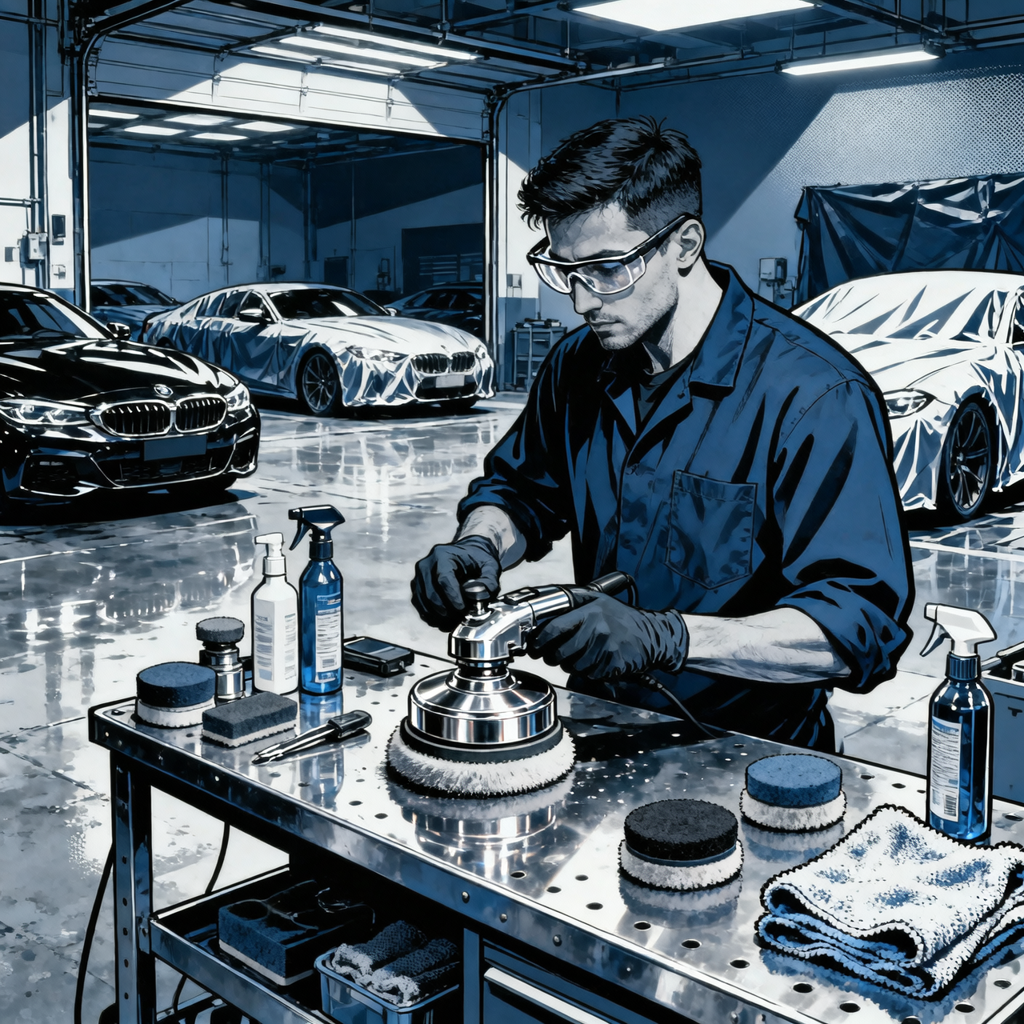
When detailing vehicles, accidents can occur if proper techniques and safety measures are not followed. This guide will cover essential practices to help you avoid damage—both to the vehicle and to yourself—while performing detailing tasks.
Understanding Common Hazards
The detailing environment presents multiple risks, including equipment malfunctions, overheating pads, and unauthorized movements that can lead to vehicle damage. Familiarizing yourself with these hazards is the first step in prevention.
1. Equipment Maintenance
Regularly inspect and maintain your detailing equipment to ensure it is in good working condition. A malfunctioning polisher can lead to accidents:
- Check for loose components, especially backing plates on polishers.
- Always use pads suitable for the job at hand and ensure they’re appropriately matched to the polisher.
- Replace worn or damaged pads to prevent failure during use.
2. Working Environment Setup
Organizing your workstation effectively can help mitigate risks:
- Keep the work area clear of unnecessary items that could cause accidents.
- Ensure that vehicles are parked safely, keeping movement within the workspace controlled.
- Use protective barriers or cardboard to shield sensitive areas of the vehicle (like mirrors) during polishing.
3. Safety Precautions
Implementing thorough safety protocols is essential:
- Always wear personal protective equipment (PPE), including gloves and safety glasses.
- Train all staff on equipment handling and emergency procedures.
- Make sure that workmen’s compensation and insurance are up to date to protect against potential accidents.
4. Effective Communication and Training
Educating your team can significantly reduce risks:
- Conduct regular training sessions focused on safe operating practices.
- Encourage open communication among staff about any equipment issues or safety concerns.
- Use checklists to ensure all safety measures are adhered to before starting work.
5. Monitoring and Adaptation
Performance review and feedback loops can prevent recurrence of issues:
- Monitor detailing processes regularly and refine techniques based on observed outcomes.
- Solicit feedback from staff on potential improvements in safety procedures.
- Adapt operations based on the types of vehicles being serviced, especially luxury or electric cars which may have different vulnerabilities.
Checklist: Pre-Detailing Safety Steps
- Inspect equipment for signs of wear and tear.
- Secure the work area and identify potentially vulnerable vehicle parts.
- Communicate with all staff about the jobs planned for the day.
- Have safety equipment ready and available at the workstation.
- Review emergency contact information and procedures.
Frequently Asked Questions
What should I do if a damage occurs during detailing?
Immediately assess the situation and take responsibility. Discuss options with the vehicle owner for repair, and handle the incident professionally.
How often should I replace polishing pads?
Replace pads after every few heavy uses or sooner if you notice them losing their shape, hardness, or starting to break down.
Is insurance necessary for detailing businesses?
Yes, liability insurance is crucial for protecting your business against claims related to damage or accidents incurred during service.
Can I use any polisher for detailing?
Not all polishers are suited for every task. Make sure to match the polisher’s specifications and pads to the detailing job.
How can I ensure my team is trained properly?
Develop a comprehensive training program that includes hands-on training, regular assessments, and refresher courses on safety protocols and equipment handling.
Recommended Tools
To ensure the highest safety standards while detailing, explore our Shop Safety and Apparel. These tools are essential for a safe working environment.
- Personal protective equipment (PPE) like gloves and safety glasses.
- Workplace safety gear for accident prevention.
- Protective barriers to safeguard vehicles during detailing.

The Toolsource Technical Team blends decades of real-world automotive service experience with up-to-date technical research. Our writers collaborate with professional mechanics, shop owners, and diagnostic specialists to deliver practical, workshop-ready guidance you can trust.


Follow us on social media