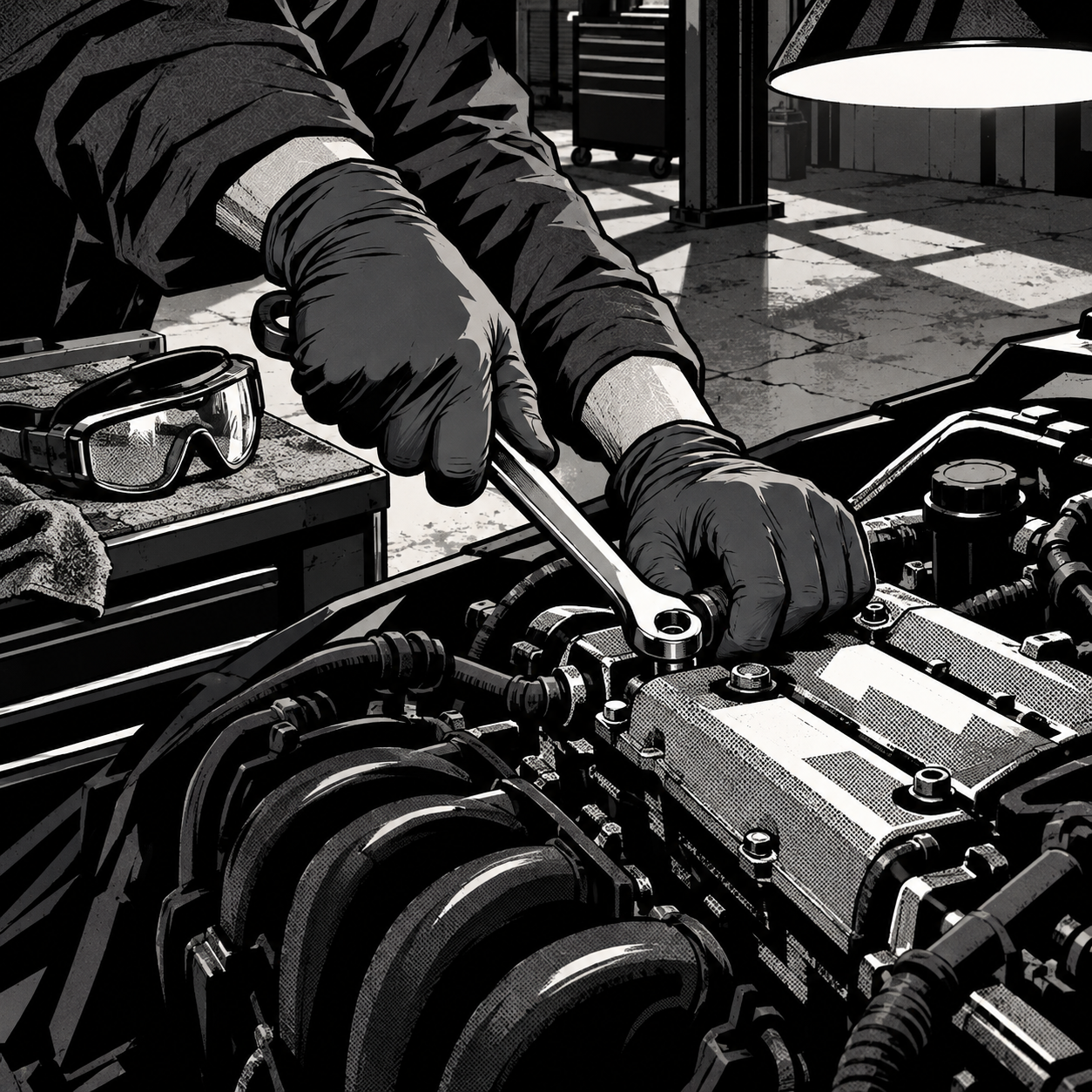
Talk to any mechanic who’s been turning wrenches for 20-plus years and you’ll hear a version of the same regret: hearing that doesn’t come back, skin that feels like 80-grit sandpaper, eyes that have been through surgery, and a running tally of coworkers dealing with cancer or nerve damage traced back to shop chemicals. None of this is news to techs who’ve been around long enough — it’s just that PPE habits form early, get mocked as “soft,” and the consequences don’t show up for a decade or two. This guide pulls together what working mechanics actually recommend for gloves, eye and hearing protection, respiratory gear, and hand care, with practical steps you can start using today instead of waiting for the damage to show up first.
Why Skin Protection Matters More Than You Think
Skin isn’t a sealed barrier — it absorbs chemicals, and solvents like brake cleaner, degreaser, and used motor oil are especially good at carrying other chemicals through it. Techs who spent years cleaning their hands with brake cleaner instead of soap report the same pattern: it feels effective in the moment, and the long-term cost shows up as chemical sensitization, nerve damage, and elevated cancer risk. Brake cleaner in particular often contains chlorinated solvents that are absorbed rapidly through skin and have documented links to long-term health effects.
The fix isn’t complicated, it’s just inconvenient in the moment:
- Never use brake cleaner, carb cleaner, or similar solvents to clean skin — use proper hand soap and a nail brush instead.
- Wear nitrile gloves for anything involving fluids, solvents, or chemical contact — brake fluid, coolant, oil, and cleaners all qualify.
- Switch to mechanic’s gloves (leather or synthetic) for abrasive work — exhaust, suspension, sheet metal — where nitrile would tear instantly.
- Know when gloves genuinely don’t work (tight spaces, fine fastener work) and use a barrier cream for those jobs instead of going bare-handed by default.
Picking the Right Glove for the Job
One pair of gloves doesn’t cover a shop’s worth of tasks, and the biggest reason techs abandon gloves altogether is trying to force one type to do everything. Match the glove to the task instead:
- Nitrile disposable gloves — fluids, brake work, anything with chemical exposure. Cheap enough to change often; change them the moment they tear or saturate.
- Mechanic/work gloves — abrasive or impact-heavy jobs: exhaust swaps, underbody work, sheet metal, anything with sharp edges or heat.
- Welding gloves — any hot work, full stop.
- Bare-hand exceptions — tight clearance jobs (parking brake valves, transmission linkage in cramped cabs) where gloves cost you feel and dexterity. This is the 10% exception, not the default.
A barrier cream — sold under names like Invisible Glove or Liquid Glove — isn’t a substitute for gloves on chemical or abrasive jobs, but it’s a reasonable middle ground for bare-hand tasks: it’s water-soluble, dries to an invisible layer, and washes out with soap instead of sitting in your pores all day. Several techs who switched report it noticeably reduced cracking and the “sandpaper hands” effect that comes from repeated solvent exposure.


Chem Defender Nitrile Chemical Resistant Gloves - L/XL
Mfg: SAS Safety Corp
Part #: 6701802
Eye and Hearing Protection: The Damage You Don’t Notice Until It’s Permanent
Eye and ear injuries share a pattern: the damage is often silent in the moment and permanent later. Metal fragments from grinding, cutting, or air hammering can land in an eye even through standard safety glasses — gaps around the frame are enough. Techs who’ve had metal removed from an eye, or gone through eye surgery despite wearing basic glasses, consistently recommend upgrading to glasses with a foam eye seal or, for extended grinding/cutting sessions, a full face shield over a welding-style mask frame.
Hearing damage follows the same arc. Air hammers, die grinders, and impact guns run loud enough to cause measurable hearing loss and tinnitus after repeated exposure — and once tinnitus sets in, it’s permanent. Multiple veteran techs describe the same regret: skipping ear protection as apprentices because it “looked soft,” followed by decades of ringing that never stops. The fix is layering protection for the loudest tasks:
- Foam or silicone earplugs as a baseline for any pneumatic tool use.
- Earmuffs over plugs for sustained air hammer, die grinder, or impact work — doubling up noticeably reduces the ringing afterward compared to either alone.
- Safety glasses with foam seals, or a full face shield, for grinding, cutting, and wheel-well work where debris can come from any angle.
{{PRODUCT_SEARCH_1}}
Respiratory Protection for Dust, Brake Debris, and Fumes
Brake dust, grinding particulate, and road grime kicked up during cleaning don’t feel dangerous in the moment the way a chemical burn would, which is exactly why they get ignored. The damage is cumulative — years of inhaled particulate catches up as reduced lung function, and older brake dust in particular carried asbestos risk on top of the metal and friction material dust still common today. A basic disposable dust mask handles light work, but for serious grinding, sanding, or brake cleaning sessions, a proper 3M-style half-face respirator with particulate cartridges is the realistic minimum. If you’re working in a bay with limited ventilation, treat that as a reason to upgrade the respirator, not a reason to skip it.
Daily Hand Care: Undoing What the Shop Does to Your Skin
Even with gloves and barrier cream in regular use, shop work still dries out and roughens hands faster than most jobs. Techs who’ve managed to keep their hands in reasonable shape long-term follow a fairly consistent routine rather than relying on any single product:
- Wash with a dedicated hand soap (not solvent) at breaks and end of shift — something that cuts grease without stripping skin as aggressively as dish soap or solvent does.
- Use a stiff nail brush to get under nails and into cracked knuckles where grime hides and skin splits start.
- Apply a heavy-duty hand lotion after washing and before bed — this is the step most techs skip and most regret skipping once cracking and split fingernails set in during winter.
- Treat early cracking or splitting seriously; it’s a sign skin barrier is already compromised and chemical absorption is easier, not just a cosmetic issue.
None of this reverses years of existing damage, but techs who started the routine earlier consistently report fewer cracked knuckles and less winter cracking than those who didn’t.
Daily PPE Checklist
- Nitrile gloves on hand and used for any fluid, solvent, or chemical contact
- Mechanic gloves for abrasive or impact work; welding gloves for hot work
- Safety glasses with foam seal, or face shield for grinding/cutting
- Earplugs plus muffs for air tools and sustained noise exposure
- Respirator with particulate cartridge for dust-heavy jobs
- Dedicated hand soap and nail brush at the sink — not brake cleaner
- Lotion or barrier cream applied after washing, not just when hands already hurt
{{PRODUCT_SEARCH_2}}
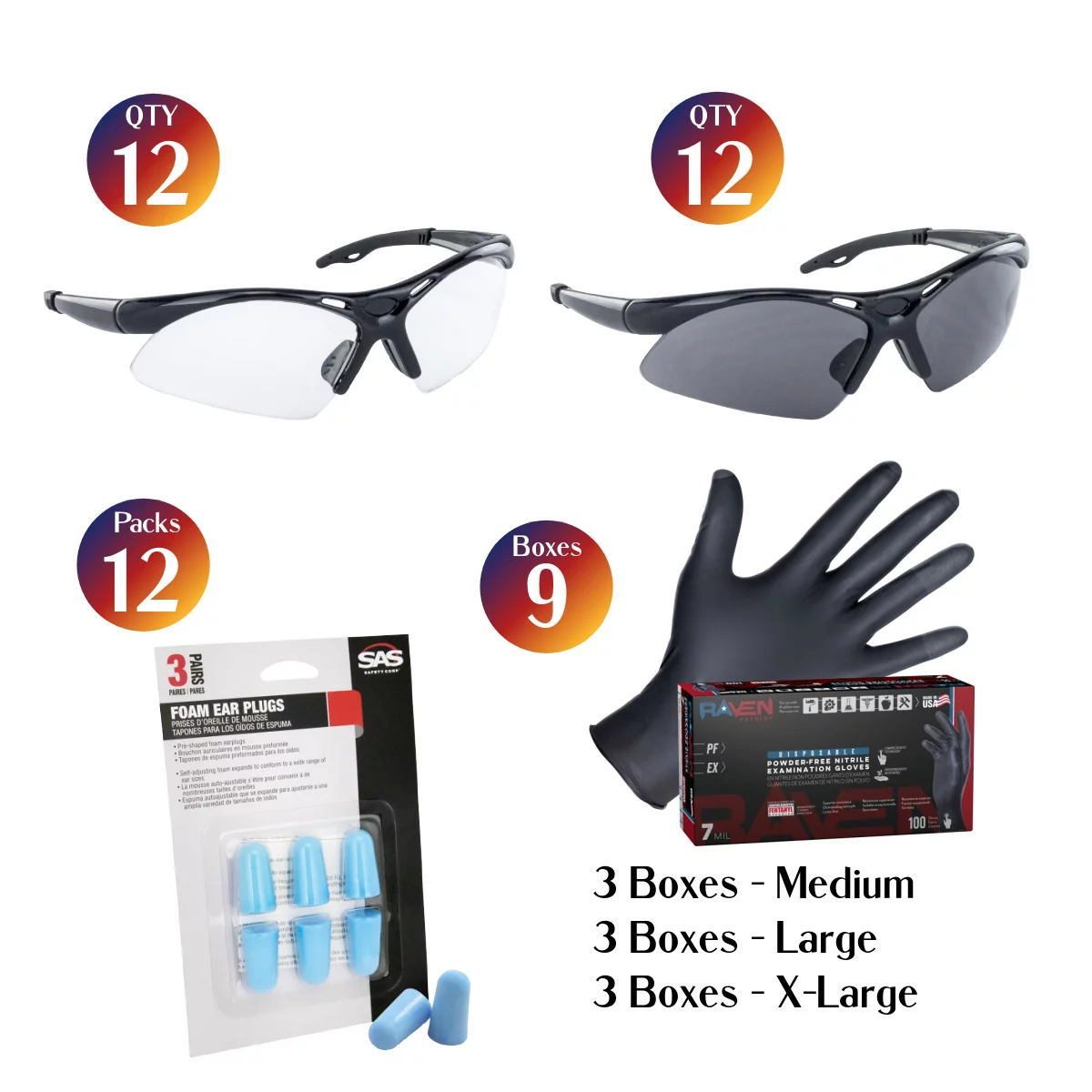
SAS Safety PPE Kit - Diamondback Glasses, Raven Gloves and E
Mfg: SAS Safety Corp
Part #: MACSAFETY001


FAQs
Is it really that bad to clean grease off hands with brake cleaner?
Yes. It strips skin oils, causes cracking, and the solvents are absorbed through skin more readily than most techs assume. Use hand soap and a brush instead, even if it takes longer.
Do nitrile gloves protect against brake fluid and brake cleaner?
Nitrile holds up reasonably well against brief contact with most automotive fluids, including brake fluid and coolant, but gloves saturated with solvents like brake cleaner should be changed immediately — don’t treat one pair as good for a full shift of heavy solvent work.
What’s actually effective against metal fragments during grinding or cutting?
Standard safety glasses leave gaps. Glasses with a foam eye seal block peripheral entry, and a full face shield adds protection for the rest of the face during extended grinding or cutting sessions.
Why do so many mechanics end up with tinnitus?
Repeated exposure to air hammers, impact guns, and die grinders without hearing protection causes cumulative hearing damage that often shows up as permanent ringing. Doubling up plugs and muffs for the loudest tasks measurably reduces the exposure.
Can a barrier cream replace gloves?
No — it’s a supplement for bare-hand tasks where gloves genuinely don’t work, not a substitute for gloves on chemical or abrasive jobs. Think of it as reducing damage on the exceptions, not replacing the rule.
What respirator do I actually need for brake dust and grinding?
A disposable dust mask is fine for light, occasional work. For regular grinding, sanding, or brake cleaning, a half-face respirator with particulate cartridges is the realistic minimum, especially in bays with limited airflow.
Shop for Protection Gear
All the safety equipment covered in this guide is available in our Shop Safety and Apparel category, from work gloves and respirators to safety glasses and hand care products.
- Work gloves: nitrile disposables, mechanic gloves, welding gloves for different tasks
- Eye and ear protection: safety glasses with foam seals, face shields, earplugs, earmuffs
- Respiratory protection and hand care: respirators, barrier creams, hand soap, lotions, nail brushes

The Toolsource Technical Team blends decades of real-world automotive service experience with up-to-date technical research. Our writers collaborate with professional mechanics, shop owners, and diagnostic specialists to deliver practical, workshop-ready guidance you can trust.


Follow us on social media