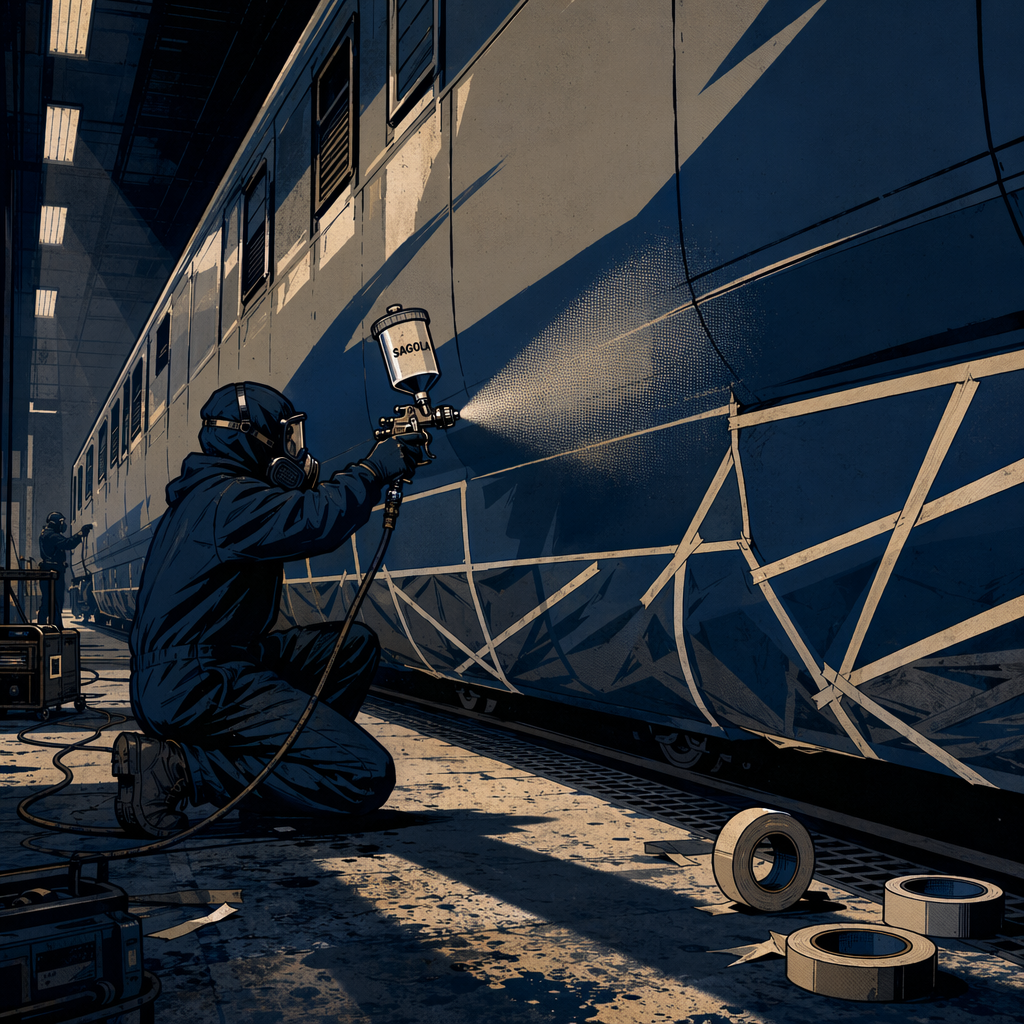
Large vehicle painting represents one of the most challenging segments of the refinishing industry. Whether you’re working on trains, buses, aircraft, or heavy equipment, these projects demand different approaches than standard automotive work. The scale alone changes everything—what works on a sedan becomes impractical on a 100-foot locomotive. Professional shops that specialize in this work have developed specific workflows, use industrial-grade materials, and employ techniques that keep projects on schedule despite the enormous surface areas involved. This guide breaks down the real-world processes used by professionals who paint trains and other large vehicles daily.
Understanding the Scope and Timeline of Large Vehicle Projects
The first reality check for anyone considering large vehicle work is the time investment. A complete train refinishing typically requires 400-600 man hours from start to finish. That’s not calendar time—it’s the combined hours of your entire crew. A team of five people working full weeks represents 200 hours, so a single train might take 2-3 weeks with proper staffing. Commercial shops often handle two trains per month when running efficiently.
The timeline pressure is real. Many contracts include penalty clauses—$10,000 per day is not uncommon for late delivery on rail projects. This means your workflow must be bulletproof. You can’t afford to discover masking problems after you’ve started spraying, and you certainly can’t have paint failures that require rework. Every phase needs to be planned, and your team needs clear responsibilities.
Breaking down the hours gives you a realistic picture: prep work and masking typically consume the majority of time. Two full days just for masking is standard on a train. The actual painting, while technically demanding, moves relatively quickly once you’re set up. Body repairs, decal removal, power washing, and surface prep happen before you even think about paint. If you’re quoting these jobs, remember that most of the labor isn’t trigger time.
Essential Equipment and Paint Systems for Large-Scale Work
Your standard automotive spray gun won’t cut it for large vehicles. Professional train painters typically use guns like the Sagola 4100 Extreme—industrial-grade equipment designed for continuous use and large coverage areas. You’ll need different tip sizes: 1.0mm tips for clear coat work and 1.3mm tips for base coat application. These larger tips move more material and help you maintain wet edges across enormous panels.
Paint systems for this work need to meet industrial durability standards. Sikkens is a common choice in commercial rail shops, with products like UHS 251 primer, Autobase color systems, and 300 ASG clear coat. The ASG clear is particularly noteworthy—it’s formulated to withstand chemical cleaning and graffiti removal while maintaining gloss for months or years. Some formulations include graffiti-resistant additives that allow solvents to be used for cleaning without damaging the finish.
The clear coat approach differs from automotive work. Using slow reducers is standard because you need extended open time to maintain wet edges. On a train, painters often apply one coat to the first two carriages, then circle back for a second coat while another team member works on subsequent carriages. This leapfrog method prevents dry edges and ensures uniform appearance across the entire vehicle. Booth setup matters too—some shops use mobile cages or scaffolding that move along walls, allowing painters to work at height while maintaining consistent gun distance from vertical surfaces.
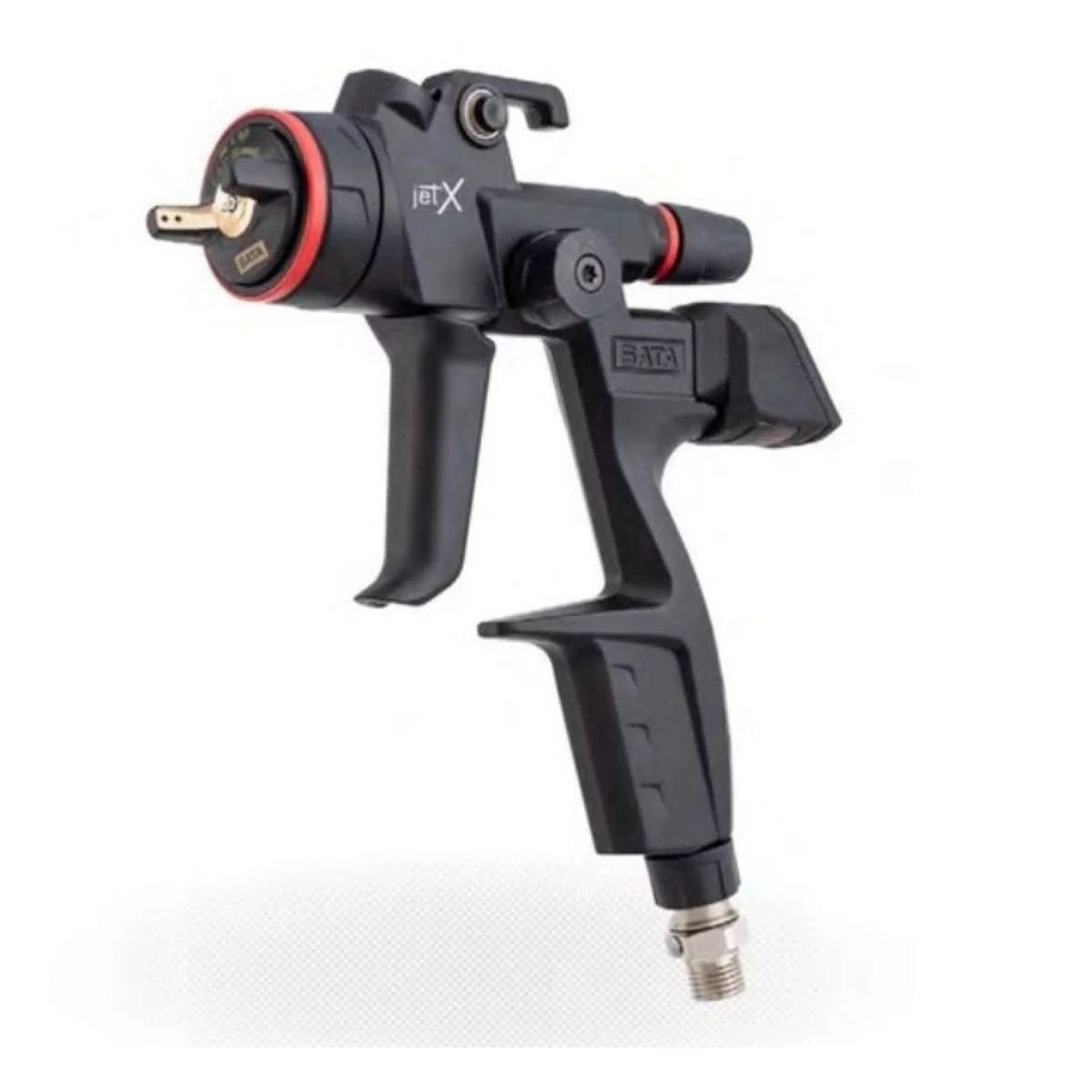
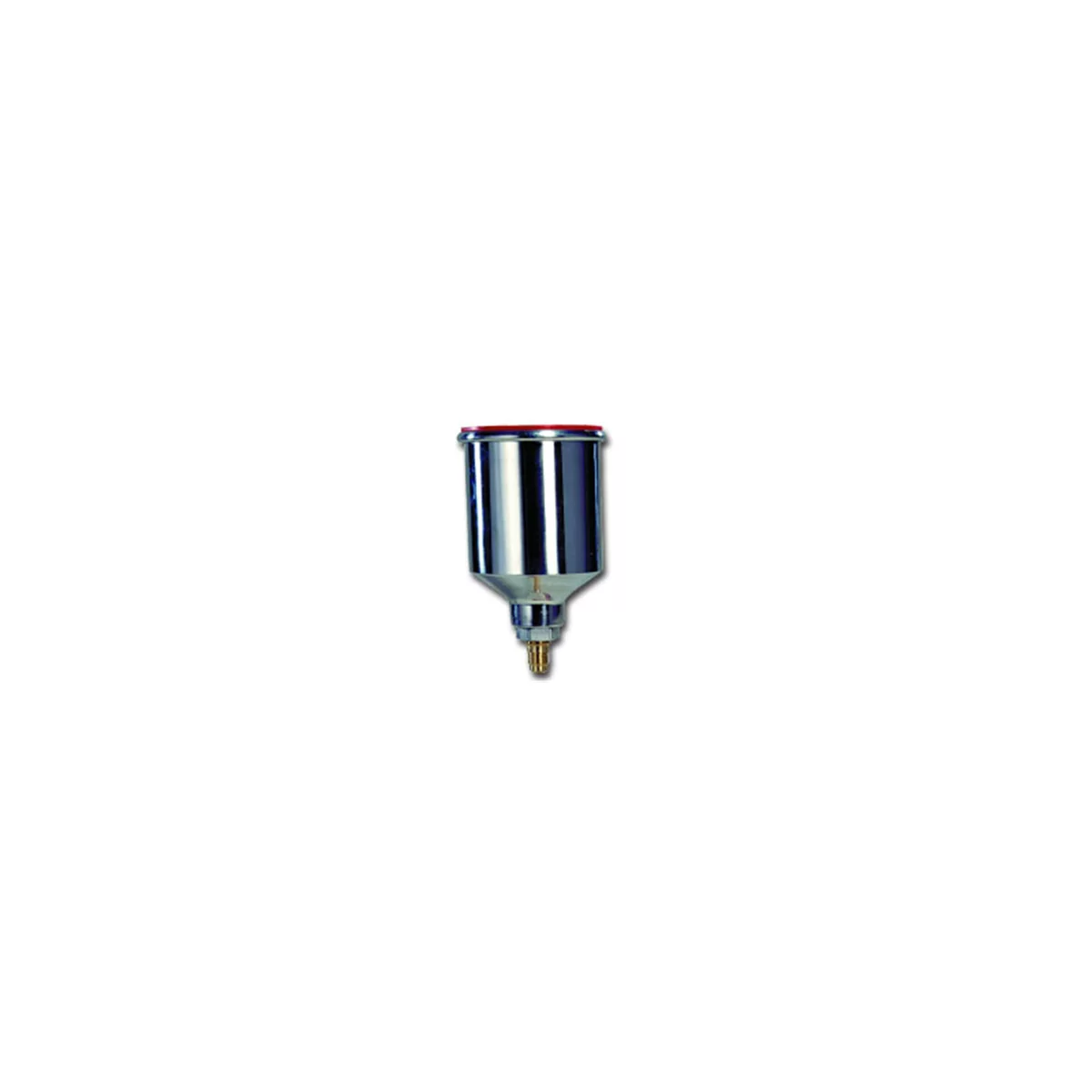
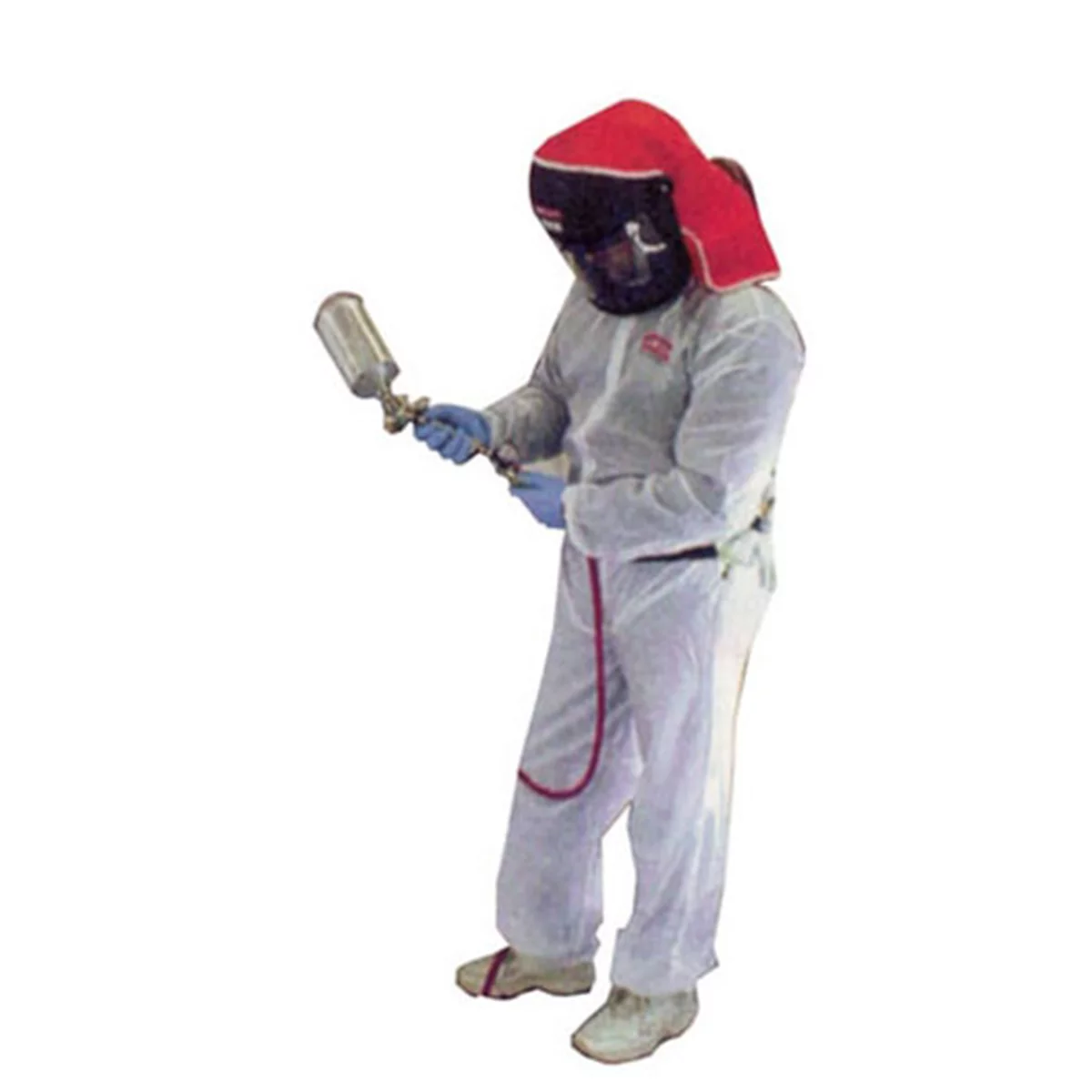
SATA Aluminum 1.0L Gravity Spray Gun Cup Female Fitting
Mfg: Sata Spray Equipment
Part #: 46631
Masking and Prep Work: Where Most Time Goes
Prep work on large vehicles starts with power washing to remove road grime, diesel residue, and environmental contamination. This isn’t a quick rinse—you’re dealing with vehicles that may have traveled thousands of miles through all weather conditions. Old decals and graphics must be removed completely, which can take days depending on the adhesive used and age of the graphics.
Surface preparation follows automotive standards but on a massive scale. You’re looking for rust, previous repair areas, and any surface defects that will telegraph through paint. Body repairs are common—even well-maintained trains accumulate dents and damage. These repairs must be completed and properly primed before masking begins. Unlike automotive work where you might work panel by panel, large vehicle prep requires staging. You can’t have different areas at different stages of preparation without creating workflow bottlenecks.
Masking takes approximately two days with an experienced crew. You’re not just masking windows and trim—you’re dealing with doors, vents, mechanical components, undercarriages, and anything else that shouldn’t be painted. The masking must be secure enough to withstand air movement in the booth and potential overspray from multiple painters working simultaneously. Poor masking discovered mid-project can shut down painting and cost you those penalty fees, so this phase gets careful attention and quality checks before any paint is mixed.
Painting Techniques for Massive Surfaces
Painting a train requires coordination between multiple painters working simultaneously. A common approach uses two painters, one on each side of the locomotive, working in parallel. This prevents one side from drying while the other is being sprayed. Communication between painters is critical—you need to maintain similar progress to avoid timing issues with multi-stage coatings.
The “snow blindness” phenomenon is real when spraying large white vehicles. Without reference points, painters can lose track of what’s been covered. The solution is systematic overlap patterns and using surface features as guides. Some painters work in sections defined by doors or windows, ensuring each section is complete before moving on. Having a clear mental map of your progress prevents missed areas and excessive overlap.
Clear coating presents the biggest challenge for maintaining quality. Wet edges are critical, and on a 100-foot vehicle, that requires strategy. The technique mentioned earlier—coating two carriages, circling back for the second coat, then moving to the next two carriages—ensures wet edge overlap while giving each section appropriate flash time. You’re essentially working in a continuous loop, and timing becomes everything. Slow reducers buy you the time needed, but you still need to maintain consistent gun technique, distance, and speed across hundreds of square feet of surface area.
Multi-color schemes add complexity. Some trains feature 6-7 different colors, requiring additional masking phases. Each color must be planned so you’re working from light to dark when possible, and masking between colors must be precise. Registration between colors—where they meet—is highly visible on large flat surfaces, so taping must be laser-straight and paint edges must be sharp.
Project Management and Workflow Optimization
Successful large vehicle painting is as much about project management as painting skill. With 400-600 hours at stake and daily penalty clauses, you need systems. Many shops assign specific roles: some crew members handle prep and bodywork, others specialize in masking, and your most experienced painters handle the actual spraying. This specialization increases efficiency and quality.
Quality checkpoints throughout the process catch problems early. After power washing, inspect for damage. After body repairs, check for proper primer coverage. After masking, do a final walk-around before mixing paint. After base coat, inspect for coverage before clear. Each checkpoint prevents compounding errors that cost time and money.
Material planning matters more than in automotive work. Running out of clear coat halfway through a train is not an option. Calculate your coverage rates conservatively and have extra material on hand. Paint systems should be batch-consistent—getting color variations because you switched batches mid-project is unacceptable on a large visible surface.
Pricing these jobs requires understanding all costs. Professional shops charge €150,000-€250,000 ($165,000-$275,000) for complete train refinishing, with variation based on model complexity and color scheme. These prices reflect not just labor and materials, but also facility costs (heated spray booths large enough for trains aren’t cheap), insurance, overhead, and the risk of penalties. Smaller projects like buses, dump trucks, or motorhomes scale down proportionally but still command premium pricing compared to automotive work.
Essential Checklist for Large Vehicle Painting
- Power wash vehicle completely and remove all decals/graphics
- Complete all body repairs and prime properly before masking begins
- Allow two full days for masking with quality checks before painting
- Use industrial-grade spray guns with appropriate tip sizes (1.0mm clear, 1.3mm base)
- Mix sufficient paint and clear coat for entire project—don’t risk batch variations
- Coordinate multiple painters to prevent timing issues with wet edges
- Use slow reducers in clear coat for extended open time on large surfaces
- Apply clear in sections with overlap strategy to maintain wet edges
- Implement quality checkpoints at each phase to catch problems early
- Build penalty clause buffer time into your schedule
Career Considerations and Compensation
The large vehicle painting sector offers steady work for skilled professionals. Rail maintenance never stops—trains need refinishing every few years, and commercial fleets represent ongoing business. Specializing in this niche means less competition than general automotive work, and the projects are substantial enough that shops maintain consistent workloads.
Compensation varies by region and experience. European rail painters report salaries around €3,400 per month ($3,800) with benefits including 25 paid vacation days. North American rates differ based on location and whether you’re working for a dedicated rail facility or a general commercial shop. The trade-off compared to automotive work is the physical demand—you’re working at heights, handling large equipment, and dealing with more physical labor during prep phases.
Health considerations are significant. Any painting damages your respiratory system over time, but large vehicle work involves extended exposure to solvents and paint vapors. Proper respiratory protection is non-negotiable, and shops should have adequate ventilation systems. The physical demands include climbing, reaching, and maintaining consistency while working from scaffolding or lifts. It’s not a career for everyone, but for those who enjoy the challenge of large-scale projects and take pride in visible results, it offers a unique niche.
Career advancement opportunities exist within specialized shops. Starting as a prep technician, you can move into masking, then painting, and eventually project management or ownership. Some painters branch into related areas like aircraft refinishing or industrial equipment coating, using similar skills on different platforms.
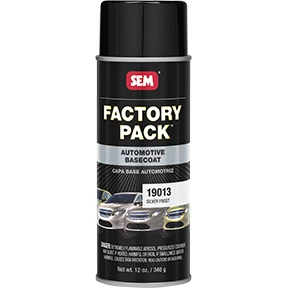
Factory Pack Automotive Basecoat FORD TS Silver Frost 16 Oz Aero
Mfg: Sem Products
Part #: 19013
Frequently Asked Questions
What’s the biggest difference between painting cars and painting trains?
Scale changes everything. You need different equipment, longer-lasting paint systems, team coordination, and strategies for maintaining wet edges across massive surfaces. A single train might have more surface area than 50 cars, and you can’t work on it panel-by-panel like automotive work.
How much does it cost to paint a train?
Professional refinishing runs $165,000-$275,000 depending on the model and complexity. This includes all prep work, bodywork, materials, and labor for 400-600 man hours of work. Multi-color schemes and complex graphics increase costs.
What paint system is best for large vehicles?
Industrial systems like Sikkens with graffiti-resistant clear coats are common in rail work. You need products formulated for durability, chemical resistance, and extended gloss retention. Automotive paint systems don’t have the longevity required for commercial vehicles that won’t be repainted for years.
How long does it take to paint a train?
With a proper crew, 2-3 weeks from arrival to delivery. This represents 400-600 total man hours split among your team. Two days for masking, several days for prep and bodywork, and the remainder for actual painting and curing time.
Do you need special certification to paint trains?
Requirements vary by region and whether you’re working on passenger rail versus freight. Some jurisdictions require specific certifications for working on rail equipment, while others just require standard paint shop qualifications. Check local regulations and contract requirements.
How do you prevent overspray when painting such large surfaces?
Proper booth design with adequate airflow is essential. You also use technique—working in sections, maintaining appropriate gun distance, and coordinating with other painters to avoid interfering with each other’s work. Industrial spray guns with proper tip sizes help control overspray compared to automotive HVLP guns.
Paint & Body Systems for Large Vehicle Projects
Large vehicle refinishing demands industrial-grade paint systems and specialized equipment. Our Paint & Body category stocks the professional-grade materials and tools needed for projects of this scale.
- Industrial spray guns and tip sizes for large surface coverage
- High-durability paint systems formulated for commercial vehicles
- Primers, base coats, and clear coats rated for extended durability

The Toolsource Technical Team blends decades of real-world automotive service experience with up-to-date technical research. Our writers collaborate with professional mechanics, shop owners, and diagnostic specialists to deliver practical, workshop-ready guidance you can trust.


Follow us on social media