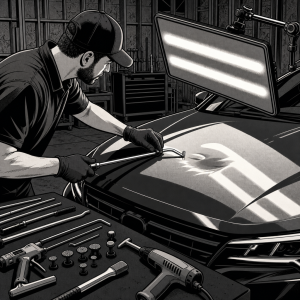
Falling-Debris Dents: A Technician’s Guide to PDR, Panel Sourcing, and Insurance Claims
Falling debris — pinecones, branches, hail — can put surprisingly large dents in modern thin-gauge panels. This guide covers how to assess PDR candidacy, source matching used panels when replacement makes more sense, and document the job for a comprehensive insurance claim.
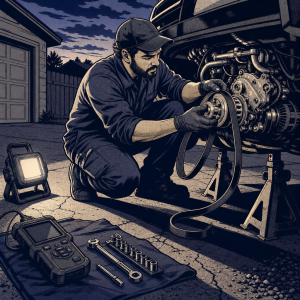
Mobile Mechanic Customer Management: When to Walk Away From Problem Clients
Running a successful mobile mechanic business isn’t just about technical skills—it’s about knowing which customers deserve your time. Learn how to spot red flags early, establish professional boundaries, and build a client base that respects your expertise and time.
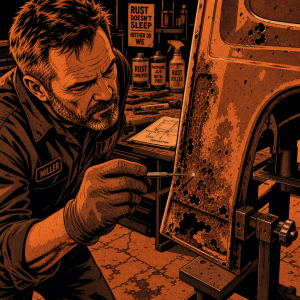
DIY Rust Repair: Patch Panels, Welding, and Rustproofing Done Right
Rust repair separates the shops from the hacks, and the gap between a patch that lasts and one that fails in two winters comes down to prep, welding technique, and what goes on after the metal work. This guide walks through assessing damage, sourcing or fabricating panels, welding thin sheet metal without warping it, and rustproofing the repair so the rust doesn’t come back.
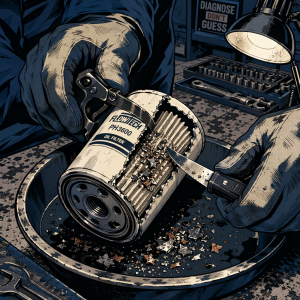
Metal Shavings in Oil Filter: What Every Technician Needs to Know
Finding metal debris in an oil filter is never a good sign, but the size, type, and magnetism of those particles tell you everything about what’s failing inside the engine. This guide walks technicians through proper diagnosis, immediate next steps, and realistic repair options when bearing material shows up in the filter media.
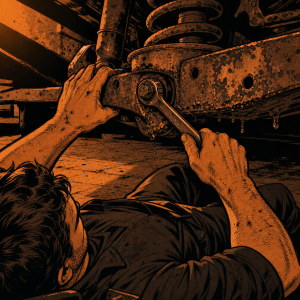
Should You Become a Mechanic? A Straight Answer for Shop Techs
The automotive trade gets painted in extremes—either a dream job or a nightmare. This guide cuts through the noise with practical advice from veteran techs on specialization, compensation models, and building a career that doesn’t destroy your body or bank account.
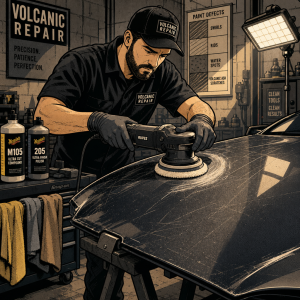
How to Remove Volcanic Ash from Your Car Without Damaging Paint
Volcanic ash isn’t ordinary dirt—it’s abrasive mineral particles that can permanently scratch your vehicle’s clear coat if removed improperly. Whether you’re dealing with ashfall from a distant eruption or live in a volcanic region, understanding the correct removal process and recognizing when professional paint correction is necessary can save you from costly mistakes.
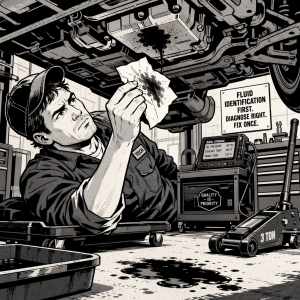
How to Identify and Fix Fluid Leaks Under Your Vehicle: A Technician’s Guide
Finding fluid under your vehicle can range from completely normal AC condensation to a serious leak requiring immediate attention. This guide walks technicians and DIYers through systematic identification methods using visual inspection, smell tests, and simple fluid analysis to determine whether that puddle is harmless water or a problem demanding urgent repair.
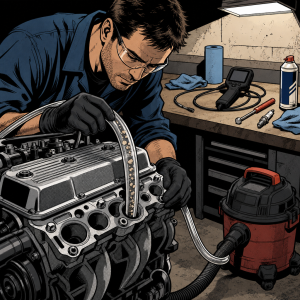
How to Remove Broken Spark Plug Debris From Your Engine Cylinder
Dropping spark plug debris into an engine cylinder is a common shop mishap that can cause serious damage if not handled properly. This guide covers field-tested techniques professional technicians use to safely remove ceramic fragments and foreign objects from cylinders without disassembly.
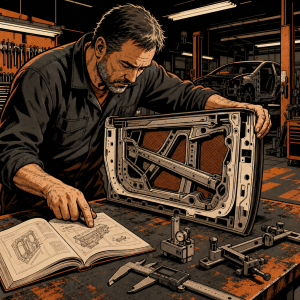
Should You Work for a Tesla Body Shop? Pay, Benefits, and Career Impact
Tesla’s expansion into in-house collision repair is reshaping the automotive body shop landscape. For technicians weighing opportunities at Tesla-owned facilities versus independent certified shops, understanding the true compensation picture—including hourly rates, benefits, and long-term market impact—is critical to making an informed career decision.
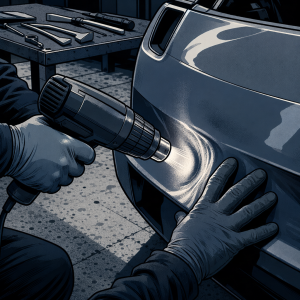
Minor Bumper Damage: A Technician’s Guide to Repair vs. Cash-Settlement Quotes
When a customer rolls in with a small bumper dent and asks “what’s this really worth to fix,” the answer isn’t a guess — it’s a repair-cost breakdown. Here’s how to assess the damage, pick the right repair method, and give a number that holds up.


Follow us on social media