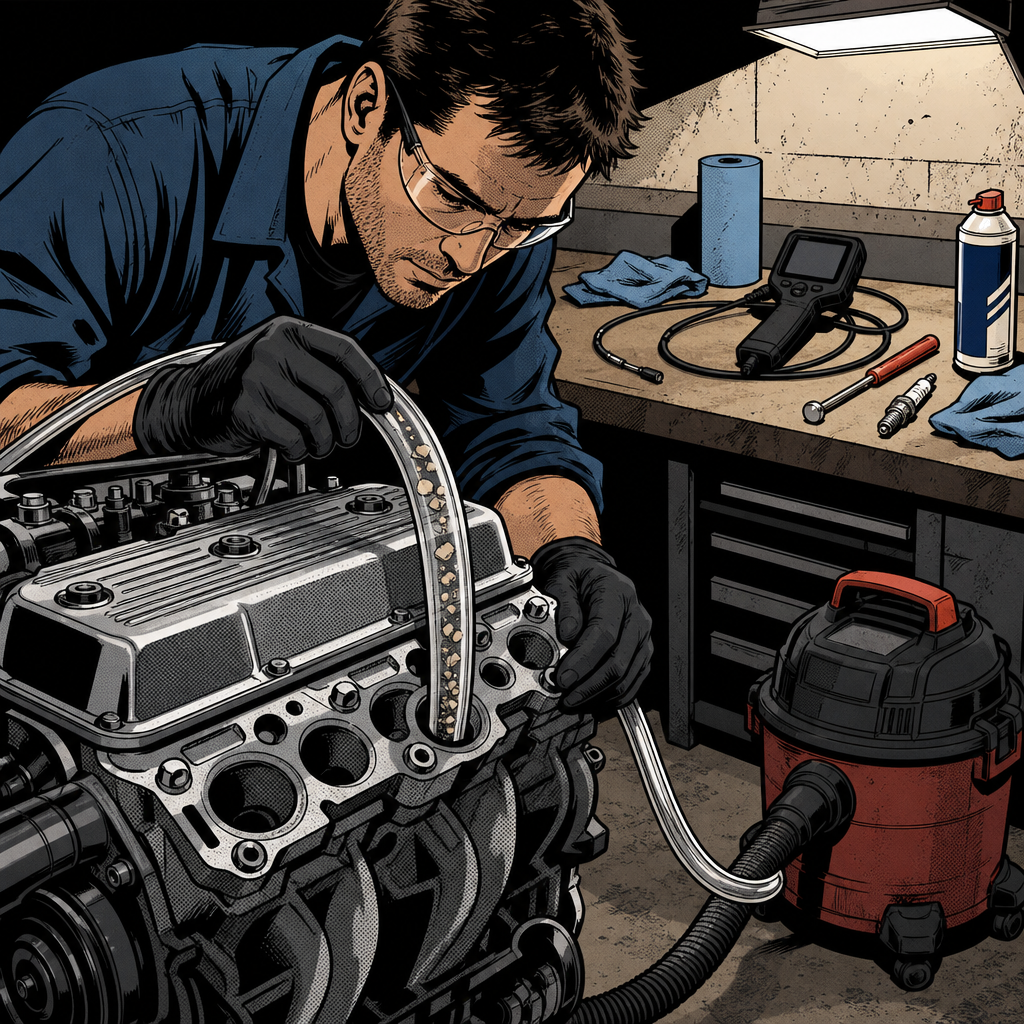
Every technician has experienced that sinking feeling when debris falls into an open spark plug hole. Whether it’s a shattered ceramic insulator, dirt from around the ignition coils, or the rare dropped tool piece, foreign objects in your cylinder can mean the difference between a routine maintenance job and a catastrophic engine failure. The good news is that several proven field techniques can extract debris without tearing down the engine. This guide synthesizes methods used by professional technicians to safely recover foreign objects from cylinders and prevent contamination in the first place.
Understanding the Risk: Why Cylinder Contamination Matters
Modern engines operate with incredibly tight tolerances, especially high-compression and turbocharged powerplants. A ceramic fragment measuring just a few millimeters can score cylinder walls, damage piston rings, embed itself in the piston crown, or worse—get caught between the valve and seat. The consequences range from minor compression loss to complete engine failure requiring replacement.
Ceramic spark plug insulators are particularly problematic because they shatter into sharp, irregular pieces that don’t compress. Unlike metal shavings that might deform, ceramic fragments act like grinding compound between moving parts. They’re also difficult to see against aluminum or iron surfaces, making visual confirmation of complete removal challenging.
The location of contamination matters significantly. Debris that falls past an open valve into the combustion chamber when the piston is at bottom dead center presents the most challenging scenario. Material resting on top of a piston at TDC is considerably easier to extract. Understanding piston position before beginning removal attempts will guide your technique selection.
Prevention: Keeping Debris Out of Cylinders
The most effective solution is preventing contamination entirely. Before removing any spark plug, use compressed air to blow away road grime, oil residue, and debris from around the ignition coils and plug wells. This simple step eliminates the most common source of cylinder contamination.
Pay particular attention to valve cover areas on engines where plugs mount through or near the valve cover. Oil accumulation in these areas can trap dirt particles that gravity will pull directly into the open cylinder once the plug is removed. On some Ford applications and other designs with recessed plug wells, a quick wipe with a shop towel after blowing out debris adds another layer of protection.
When working with older plugs or those subjected to extreme heat cycles, handle them carefully during removal. Porcelain insulators become brittle over time and can fracture from thermal stress or impact. Support the plug body rather than gripping the ceramic insulator, and avoid dropping plugs onto hard surfaces where they can shatter.
Work clean. Keep your work area organized so plugs aren’t rolling around where they can fall into open holes. Some technicians use magnetic parts trays or foam organizers to secure removed plugs immediately. On multi-cylinder jobs, this organization also prevents mixing up plugs from different cylinders during inspection.


The Shop Vacuum Method: First Line of Defense
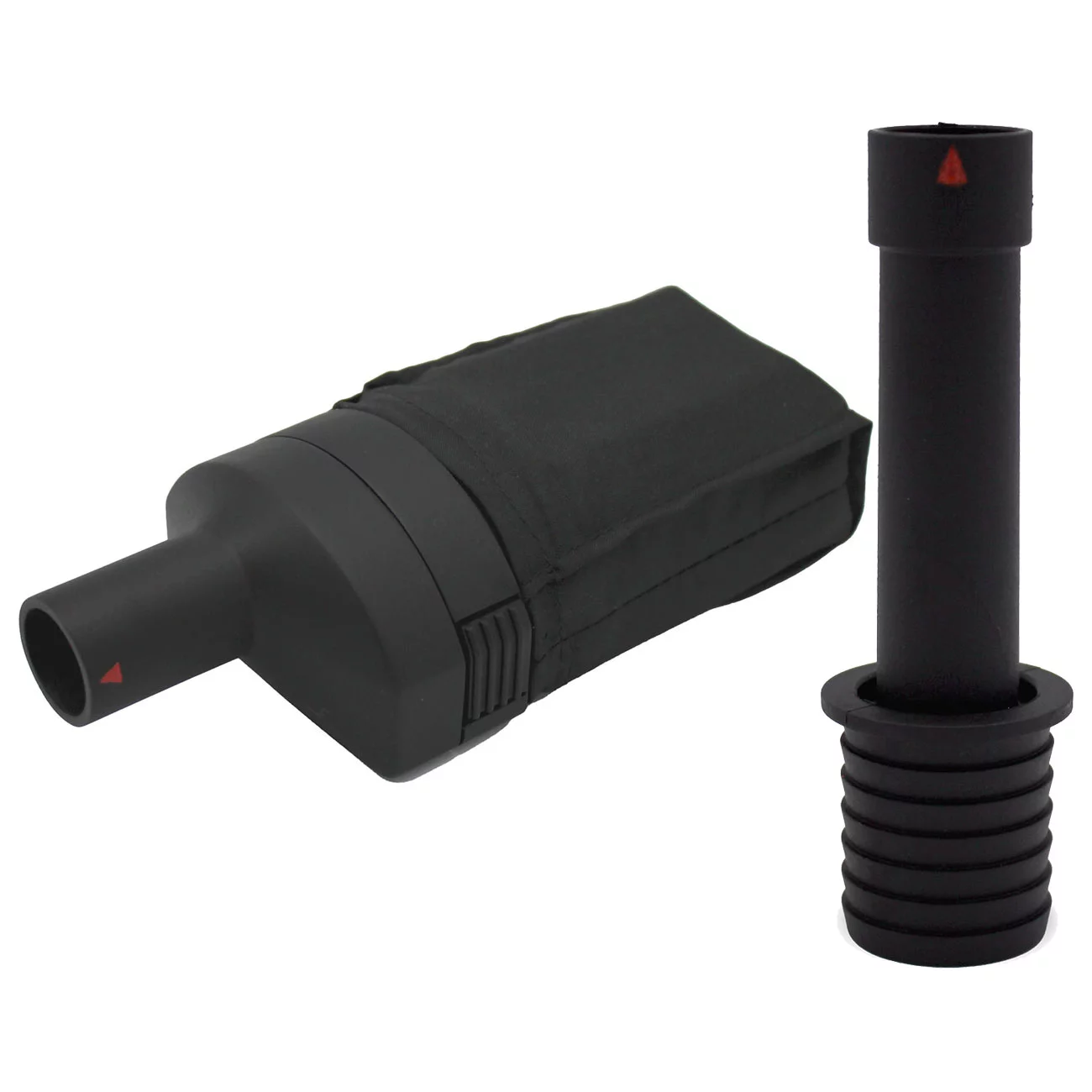
For debris resting on top of the piston or visible in the plug hole, a shop vacuum provides the safest and most straightforward extraction method. The key is creating a seal that concentrates suction directly into the cylinder rather than drawing air from around the plug hole.
Use a length of clear vinyl tubing—typically 1/4 inch to 5/16 inch inside diameter—that fits snugly into the spark plug hole. Hardware stores stock various sizes of flexible tubing that work perfectly for this application. Cut a piece approximately two feet long to give yourself working room. Attach the opposite end to your shop vacuum nozzle using duct tape to create a secure seal. Wrapping tape around the tubing end builds up diameter until it friction-fits into the vacuum nozzle opening.
With the piston at top dead center (rotate the engine by hand if necessary), insert the tubing into the spark plug hole and activate the vacuum. The concentrated suction should pull small debris directly up and out. Work systematically, moving the tubing around to access different areas of the combustion chamber. You may hear ceramic pieces rattling up through the clear tubing—visual confirmation that material is being extracted.
For enhanced effectiveness, some technicians modify a solo cup by cutting a small hole in the bottom, inserting a short length of tubing through the hole, and sealing it with hot glue or tape. Tape the cup opening to the shop vacuum hose. This creates a debris collection chamber where you can verify what’s been removed without it traveling all the way into your vacuum canister.
The Shaving Cream Trick: Old-School Effectiveness
When vacuum alone won’t capture all debris—particularly pieces that have fallen below the piston or into crevices around the cylinder—the shaving cream method offers a time-tested solution. This farm-country trick uses the adhesive properties of traditional shaving cream (not gel) to trap particles for extraction.
You’ll need a can of basic shaving cream—Barbasol is the traditional choice because it’s soap-based rather than glycol-based, meaning it rinses cleanly without leaving residue. You’ll also need your vacuum setup from the previous method and a way to introduce the shaving cream into the cylinder. Some technicians use a large-bore straw (like boba tea straws), while others fashion a funnel from vacuum hose pieces that fits over the shaving cream nozzle.
Position the piston at bottom dead center to maximize cylinder volume. Introduce shaving cream through the spark plug hole until the cylinder is approximately half full. The foam expands to fill the space and its sticky consistency captures ceramic fragments, metal shavings, and other debris. Let it sit for 30-60 seconds to ensure complete coverage.
Connect your shop vacuum with tubing adapter and extract the foam. You’ll likely need two or three cycles—foam in, vacuum out, repeat—to capture all debris. The extracted foam will contain visible particles, confirming removal. Once you’ve completed the foam extraction cycles, spray a small amount of brake cleaner into the cylinder to dissolve any remaining shaving cream residue, then crank the engine over (with the plug still out) to blow out any remaining cleaner vapor.
This method has proven effective even on modern high-compression engines, including turbocharged applications. The key is complete extraction of the shaving cream—you don’t want foam residue burning in your combustion chamber. The brake cleaner rinse and purge crank ensure a clean cylinder before reinstallation.
Mechanical Extraction: When Vacuum and Foam Aren’t Enough
Some scenarios require physically grabbing debris rather than vacuuming it out. Several tools and techniques address this need, from specialized equipment to improvised solutions that work remarkably well.
Borescope cameras with articulating claw or hook attachments are available for under $50 and provide both visualization and retrieval capability. The camera function lets you locate debris precisely, while the grabber attachment allows you to physically extract it. Look for models with LED illumination and flexible cables that can navigate the tight confines of a spark plug hole. Coating hook attachments with a thin layer of honey or petroleum jelly adds adhesion that helps capture ceramic pieces.
For improvised mechanical extraction, several shop techs report success with these approaches:
- Grease on a dowel: Apply wheel bearing grease or heavy petroleum jelly to the end of a wooden dowel, long zip tie, or flexible retrieval tool. The sticky substance adheres to ceramic and metal fragments. Lower it carefully into the cylinder, press against the debris, and extract slowly. The grease holds materials that tape won’t grip effectively.
- Chewing gum method: Chew a piece of gum briefly to soften it, then mount it on the end of a chopstick, dowel, or similar tool. The tackiness grabs onto debris. This works particularly well for larger ceramic chunks that present adequate surface area for adhesion.
- Magnetic retrieval: For ferrous metal debris (not ceramic), flexible magnetic pickup tools or telescoping magnetic wands can extract fragments without adhesive needed. These don’t work on ceramic spark plug material but are invaluable for dropped washers, metal shavings, or other magnetic contaminants.
Regardless of which mechanical method you employ, work with the piston at top dead center to minimize the depth you need to reach and reduce the risk of pushing debris past the piston rings. Move slowly and deliberately—rushing increases the chance of breaking fragments into smaller, harder-to-retrieve pieces.
Critical Precautions and Best Practices
Certain techniques that seem intuitive can actually worsen the situation or cause additional damage. Avoid compressed air for debris removal when valves might be open. Blasting air into a cylinder with an open intake or exhaust valve can drive particles into the valve train, intake manifold, or exhaust system where they’re exponentially more difficult to extract.
Never attempt to start or crank the engine with known debris in a cylinder. The immediate result will be scored cylinder walls, damaged rings, and potentially bent valves or cracked pistons. If you discover debris after the fact—hearing unusual rattling or finding a missing piece of a dropped tool—stop immediately and address the contamination before further operation.
Verify complete debris removal before reinstalling spark plugs. This means visual inspection with a borescope if available, and methodical vacuuming even after you think you’ve captured everything. It’s worth spending an extra ten minutes on verification versus risking engine damage from a missed fragment.
Consider the cylinder’s condition throughout this process. If you’re extracting debris from a cylinder with already-compromised compression or known wear issues, this might be the opportunity to address larger problems rather than simply removing the foreign object and reinstalling the plug. Use your judgment based on the engine’s service history and overall condition.
Quick Reference Checklist
- Stop immediately if debris falls into cylinder—don’t crank the engine
- Determine piston position (TDC preferred for most extraction methods)
- Attempt shop vacuum extraction first with appropriately sized tubing
- Progress to shaving cream method for stubborn or embedded debris
- Use mechanical extraction (grease dowel, gum stick, or borescope tool) as needed
- Rinse with brake cleaner and purge by cranking with plug out
- Visually verify complete removal before reinstalling plug
- Document the incident and any unusual findings for vehicle records
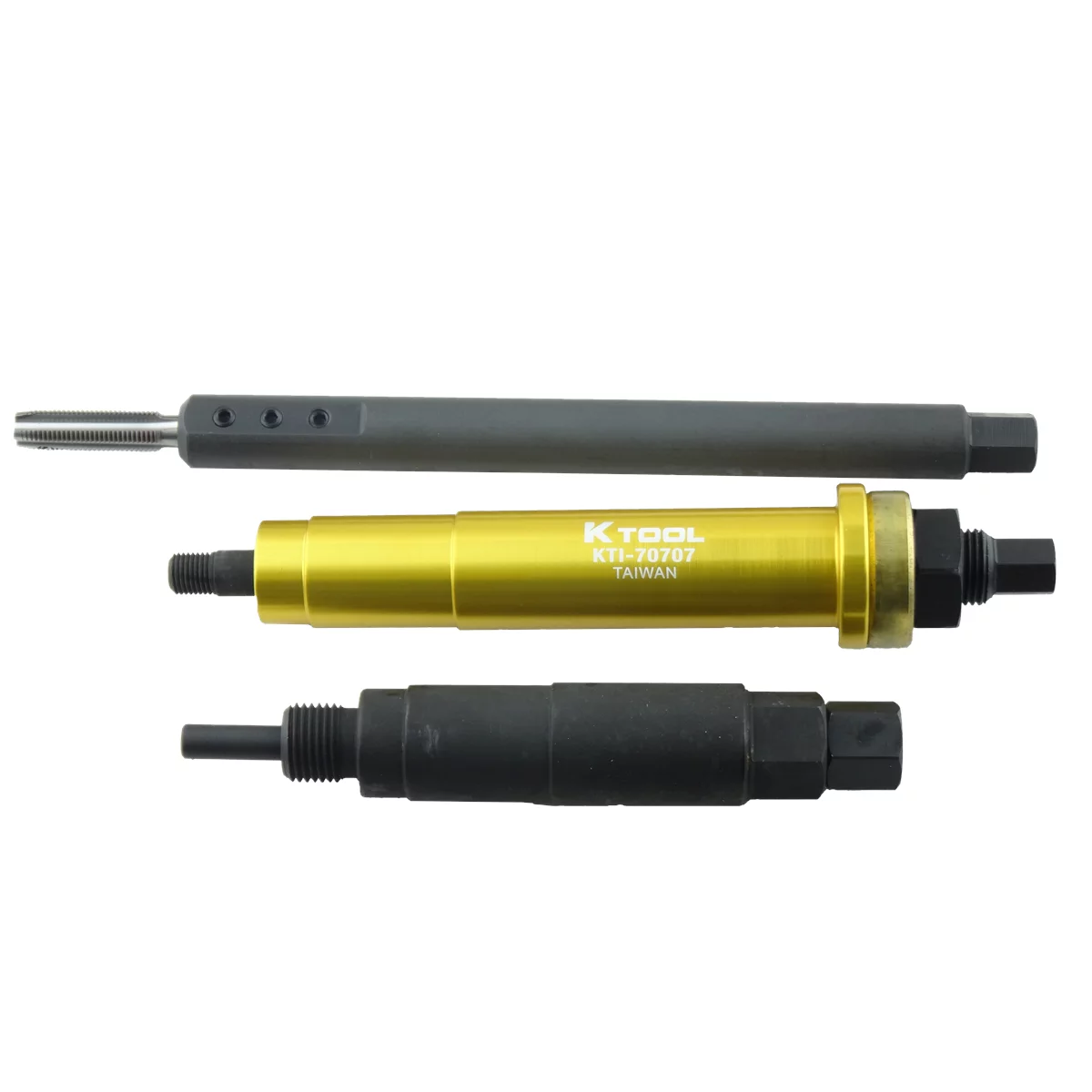
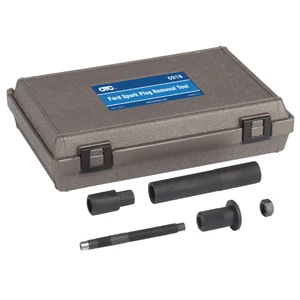
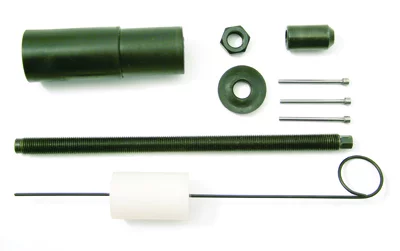
Ford Broken Spark Plug Remover Tool Kit 14mm 16mm
Mfg: K Tool International
Part #: KTIF0003
Frequently Asked Questions
Will shaving cream damage my engine or leave harmful residue?
Traditional soap-based shaving cream like Barbasol washes away cleanly and won’t harm engine components when properly rinsed. Follow the extraction with brake cleaner spray and purge the cylinder by cranking the engine with the plug out. Avoid glycol-based shaving gels which can leave residue.
Can I use compressed air to blow debris out of the cylinder?
Compressed air is excellent for cleaning around spark plugs before removal, but dangerous for removing debris from inside the cylinder. If a valve is open, air pressure can drive debris into the intake or exhaust system. Vacuum extraction is far safer for material already in the combustion chamber.
How do I know if I’ve removed all the debris?
Visual inspection with a borescope provides the highest confidence. Otherwise, perform multiple vacuum extraction cycles and examine what you’re pulling out. When several consecutive vacuum attempts produce no additional debris, and you’ve accounted for all visible pieces, you’ve likely achieved complete removal. Err on the side of caution with an extra vacuum cycle.
What if debris falls past the piston rings into the crankcase?
Small amounts of ceramic dust that migrate past the rings will typically be captured by the oil filter. However, larger fragments that bypass the rings indicate a more serious problem—likely worn rings—and may require oil pan removal to extract. This scenario is rare but justifies an oil change and careful monitoring after the incident.
Should I attempt this on a turbocharged or high-compression engine?
Yes, these methods work on modern high-compression and turbocharged engines. In fact, these engines are most at risk from debris damage due to tighter tolerances, making proper extraction even more critical. The shaving cream method has been successfully used on turbocharged applications including late-model Ford EcoBoost engines.
How can I prevent spark plug debris from falling into cylinders?
Always blow out plug wells with compressed air before removing plugs. Clean oil and debris from around ignition coils and valve covers. Handle old or heat-stressed plugs carefully as ceramic insulators become brittle. Keep your work area organized to prevent dropped plugs or tools from bouncing into open holes.
Engine Repair Tools for Debris Extraction
Safely removing foreign objects from your cylinders requires the right equipment. Our Engine Repair Tools selection includes shop vacuums, borescope cameras, magnetic retrievers, and specialized extraction implements that make debris removal efficient and reliable.
- Shop vacuum systems and tubing for first-line debris extraction
- Borescope cameras with articulating attachments for precise visualization and retrieval
- Magnetic pickup tools and mechanical extraction devices

The Toolsource Technical Team blends decades of real-world automotive service experience with up-to-date technical research. Our writers collaborate with professional mechanics, shop owners, and diagnostic specialists to deliver practical, workshop-ready guidance you can trust.


Follow us on social media