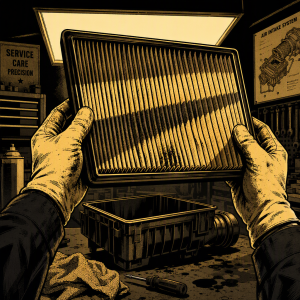
Dirty Engine Air Filter? Here’s How to Tell When It’s Time to Replace It
A clogged air filter is one of the cheapest, fastest fixes a shop can make — and one of the most commonly ignored. Here’s a practical, no-nonsense guide to inspecting, testing, and replacing an engine air filter correctly.
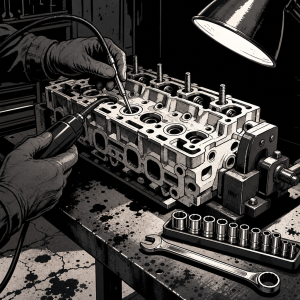
GM 2.4L Ecotec Rocker Arm Failure: Diagnosing Timing Chain Damage Before You Tear Down the Engine
When a GM 2.4L Ecotec shows up with broken rocker arms, the real story is almost always a stretched timing chain and piston-to-valve contact. This guide walks technicians through the correct diagnostic sequence—borescope first, leak-down second—before committing a customer to a teardown or a replacement engine.
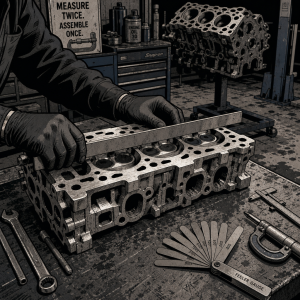
Blown Head Gasket Diagnosis: What Technicians Need to Know Before Quoting the Job
Coolant disappearing with no visible leak, white smoke on startup, and an oily dipstick all point to one dreaded diagnosis. Here’s how to confirm a blown head gasket, avoid wasting a customer’s money on stopgap fixes, and decide when the engine itself is the real problem.
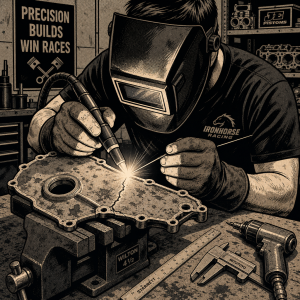
Cracked Timing Cover After a Front-End Hit: Diagnose It Right Before You Weld or Replace
A cracked timing cover rarely shows up alone — front-end impact usually damages more than what’s visible. Here’s how to inspect the surrounding structure, decide between welding and replacing the cover, and avoid chasing a warranty claim that was never going to fly.
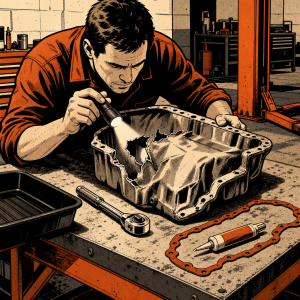
Oil Pan Damage After Hitting Road Debris: Diagnose It Right and Repair It Safely
A crumpled oil pan on the highway shoulder raises two questions fast: is the engine actually damaged, and is this a job to do right there? Here’s how to sort debris damage from internal failure, get the car home safely, and repair the pan correctly.
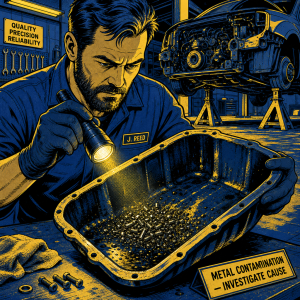
What to Do When You Find Metal Debris in Your Oil Pan: A Technician’s Guide
Discovering metal debris during an oil change can trigger immediate concern about engine damage. While pieces of broken dipstick tubes are among the most common findings, understanding what you’re looking at and how it got there is critical to determining your next steps and preventing catastrophic failure.
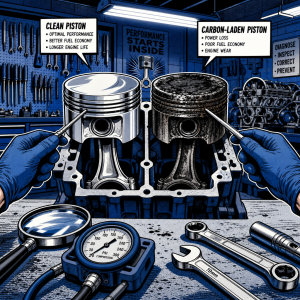
Head Gasket Diagnosis: What Clean vs. Carbon-Covered Pistons Tell You
When you pull a cylinder head and find one suspiciously clean piston surrounded by carbon-covered neighbors, you’re looking at textbook coolant intrusion. Understanding what piston condition reveals about head gasket failure helps you diagnose the problem correctly and avoid comeback jobs.
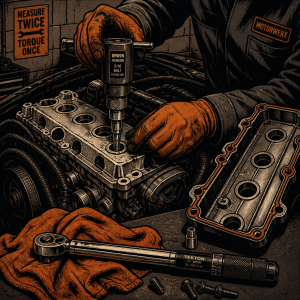
Broken Valve Cover Bolt: Safe Temporary Fixes and Proper Repair Steps
A snapped valve cover bolt is a common shop and driveway problem that usually causes only a slow oil seep, not a breakdown. This guide walks through safe temporary measures, proper bolt extraction, and how to decide whether the gasket needs to come out too.
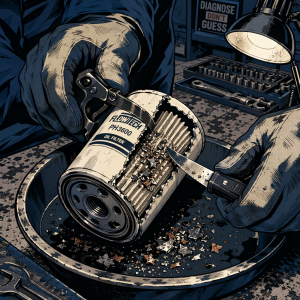
Metal Shavings in Oil Filter: What Every Technician Needs to Know
Finding metal debris in an oil filter is never a good sign, but the size, type, and magnetism of those particles tell you everything about what’s failing inside the engine. This guide walks technicians through proper diagnosis, immediate next steps, and realistic repair options when bearing material shows up in the filter media.
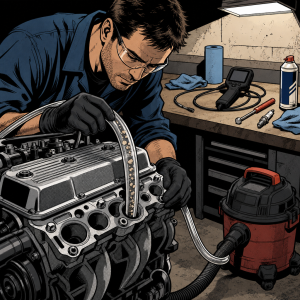
How to Remove Broken Spark Plug Debris From Your Engine Cylinder
Dropping spark plug debris into an engine cylinder is a common shop mishap that can cause serious damage if not handled properly. This guide covers field-tested techniques professional technicians use to safely remove ceramic fragments and foreign objects from cylinders without disassembly.


Follow us on social media