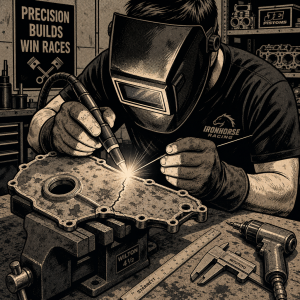
Cracked Timing Cover After a Front-End Hit: Diagnose It Right Before You Weld or Replace
A cracked timing cover rarely shows up alone — front-end impact usually damages more than what’s visible. Here’s how to inspect the surrounding structure, decide between welding and replacing the cover, and avoid chasing a warranty claim that was never going to fly.
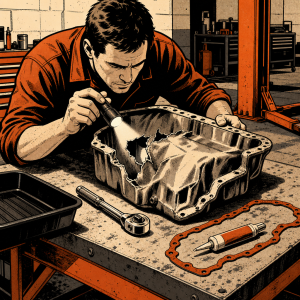
Oil Pan Damage After Hitting Road Debris: Diagnose It Right and Repair It Safely
A crumpled oil pan on the highway shoulder raises two questions fast: is the engine actually damaged, and is this a job to do right there? Here’s how to sort debris damage from internal failure, get the car home safely, and repair the pan correctly.
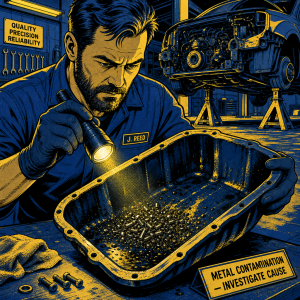
What to Do When You Find Metal Debris in Your Oil Pan: A Technician’s Guide
Discovering metal debris during an oil change can trigger immediate concern about engine damage. While pieces of broken dipstick tubes are among the most common findings, understanding what you’re looking at and how it got there is critical to determining your next steps and preventing catastrophic failure.
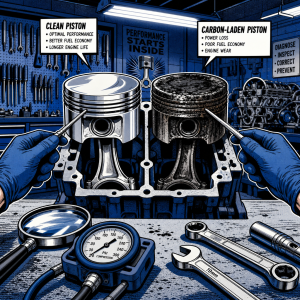
Head Gasket Diagnosis: What Clean vs. Carbon-Covered Pistons Tell You
When you pull a cylinder head and find one suspiciously clean piston surrounded by carbon-covered neighbors, you’re looking at textbook coolant intrusion. Understanding what piston condition reveals about head gasket failure helps you diagnose the problem correctly and avoid comeback jobs.
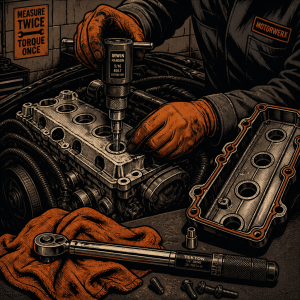
Broken Valve Cover Bolt: Safe Temporary Fixes and Proper Repair Steps
A snapped valve cover bolt is a common shop and driveway problem that usually causes only a slow oil seep, not a breakdown. This guide walks through safe temporary measures, proper bolt extraction, and how to decide whether the gasket needs to come out too.
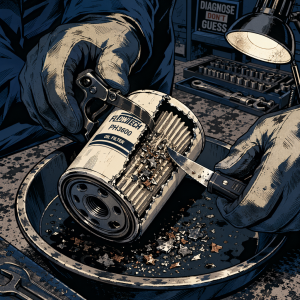
Metal Shavings in Oil Filter: What Every Technician Needs to Know
Finding metal debris in an oil filter is never a good sign, but the size, type, and magnetism of those particles tell you everything about what’s failing inside the engine. This guide walks technicians through proper diagnosis, immediate next steps, and realistic repair options when bearing material shows up in the filter media.
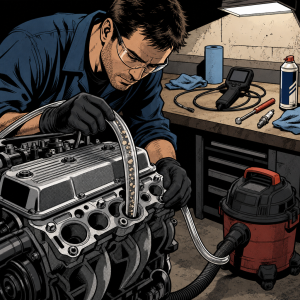
How to Remove Broken Spark Plug Debris From Your Engine Cylinder
Dropping spark plug debris into an engine cylinder is a common shop mishap that can cause serious damage if not handled properly. This guide covers field-tested techniques professional technicians use to safely remove ceramic fragments and foreign objects from cylinders without disassembly.
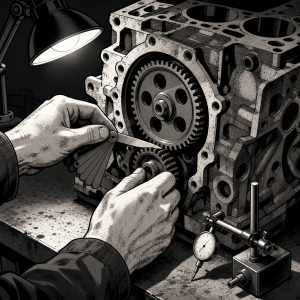
Gear-Driven vs Chain-Driven Timing Systems: What Technicians Need to Know
Gear-driven timing systems offer exceptional reliability and longevity, particularly in heavy-duty diesel applications where engines routinely exceed a million miles. However, noise, manufacturing costs, and tight machining tolerances have pushed most automotive manufacturers toward chain and belt systems for modern passenger vehicles.
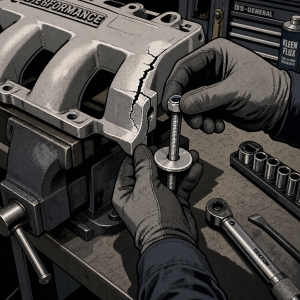
How to Repair a Broken Intake Manifold Mounting Tab: Technician’s Guide
Breaking a mounting tab on an intake manifold during removal is a common mistake that happens when a hidden bolt gets overlooked. This guide covers four proven repair methods—from epoxy bonding to welding—plus preventive measures to avoid the problem in the first place.

Timing Belt Replacement Intervals: How Long Can You Really Push It?
Timing belts don’t last forever, but how far can you push them? This guide examines real-world mileage data, the risks of delayed replacement, and why interference engines demand strict adherence to maintenance schedules.


Follow us on social media