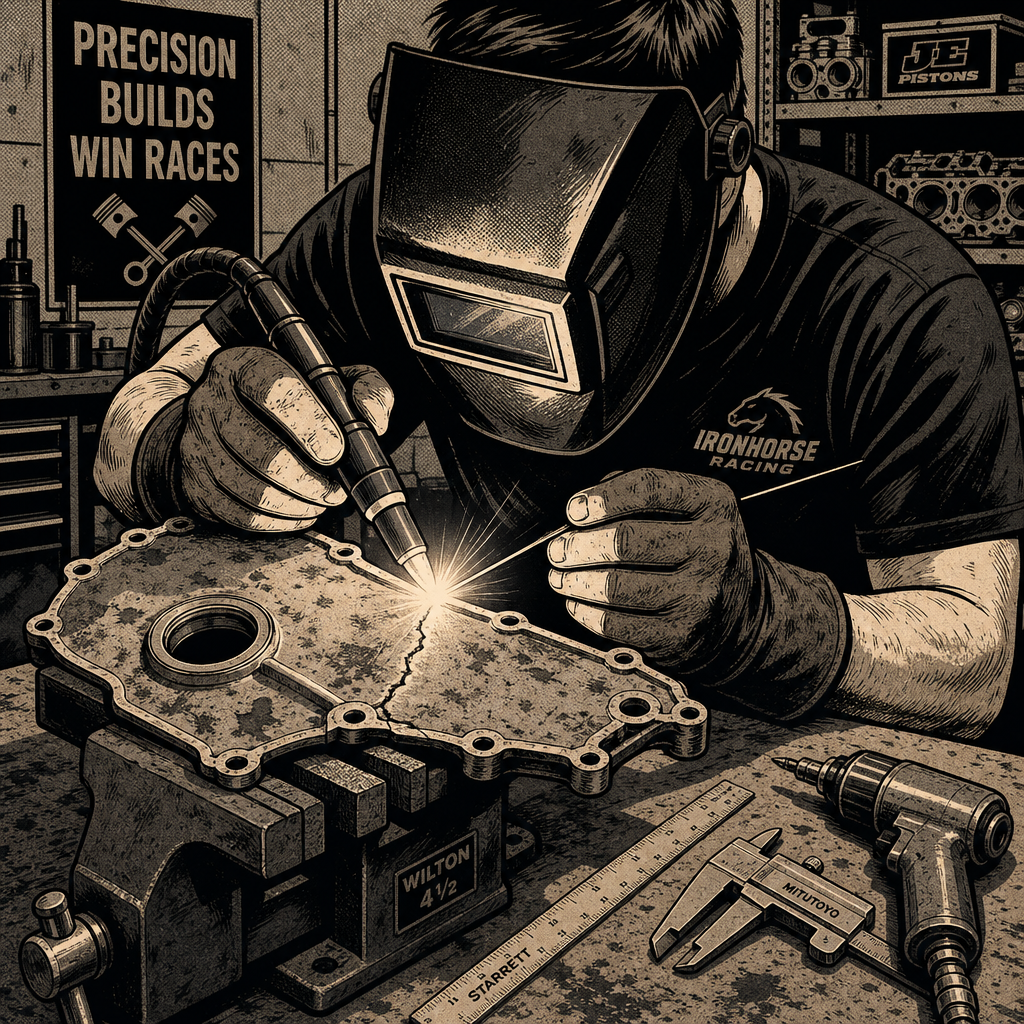
A photo of a cracked timing cover with a chunk missing off the bottom edge tells you two things immediately: something hit that corner hard, and the cover is the least of the diagnostic work ahead. Whether it lands on your bench as a customer complaint, a pre-purchase inspection, or a “it just started ticking” job, the process is the same — figure out what actually happened before you decide whether to weld, replace, or walk away. This guide covers the inspection sequence, the realistic repair options for cast-aluminum covers, and where warranty and insurance actually stand once impact damage is confirmed.
Start With the Bigger Picture: What Else Got Hit
A cracked timing cover with material missing is almost never an isolated failure — cast aluminum accessory covers don’t spontaneously shatter from vibration or heat cycling. That kind of damage pattern (a hard crack plus a broken-out chunk) points to impact, and impact energy doesn’t stop at the first part it reaches. Before you touch the cover itself, walk the damage path:
- Check the radiator support and core support for misalignment, bowing, or fresh paint/body filler that doesn’t match factory finish.
- Inspect the crash bar / bumper reinforcement behind the fascia for deformation.
- Look at the lower control arms, sway bar end links, and steering components on the side closest to the crack — a hit hard enough to crack a cast cover can bend suspension components too.
- Check for fluid trails or fresh sealant around the oil pan, front cover gasket, and any brackets bolted near the crack.
- Pull codes and check crank/cam sensor readings if the cover houses either sensor — a hairline shift in sensor position from impact can cause intermittent misfire or no-start complaints that show up weeks later.
Document all of this with photos before disassembly. If this vehicle has any history of import, export, or a rebuilt/salvage title, a clear damage record protects you and the owner if the vehicle’s history gets questioned later.
Confirm the Crack Is on the Timing Cover, Not a Bracket
Not every crack in that area is on a load-bearing, oil-sealing surface. Some accessory brackets, sensor mounts, and cosmetic shrouds bolt to the timing cover but aren’t part of the sealing surface itself. Before quoting a repair or replacement, pull the part and confirm exactly what’s cracked:
- Is the crack on the actual timing cover casting that seals against the block, or on a bolt-on bracket/tab?
- Does the crack intersect a bolt hole, dowel location, or sensor bore? These need to hold precise tolerances after any repair.
- Is there any oil weep at the crack line with the engine running and warm? A dry crack under no load is a different risk profile than one that’s actively leaking.
If the damaged piece is a non-sealing accessory bracket and it isn’t causing a leak, rattle, or sensor fault, it’s reasonable to leave it alone until it actually causes a problem — don’t sell a customer on unnecessary work. But if it’s part of the sealing surface, plan on either a proper repair or replacement; don’t send a leaker back out the door.
===FYP-PRODUCT-SEARCH-1===
{“query”: “TIG welding cast aluminum filler rod and cleaner kit”, “context”: “mid-article”}
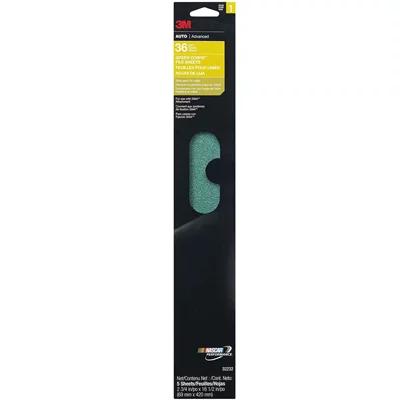
Stikit Green Corps File Sheet, 36 grade, 2 3/4 Inches x 16 1/2
Mfg: 3M Automotive
Part #: 32232

Purple Clean Sanding Hookit Disc, 6 Inch, 500 Grade 50/Box
Mfg: 3M Automotive
Part #: 1810
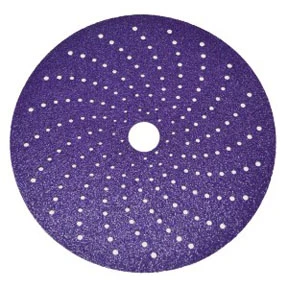
3M Cubitron II 6" 80+ Clean Sanding Discs for Automotive
Mfg: 3M Automotive
Part #: 31371
Repairing a Cracked Cast-Aluminum Cover With TIG Welding
If the cover is otherwise structurally sound and the crack is a single clean line without extensive secondary fracturing, TIG welding is a legitimate repair — but only if it’s done in the right order:
- Remove the cover. Welding in place risks heat damage to seals, sensors, and nearby wiring, and you can’t properly clean the back side of the crack with it installed.
- Drill stop holes. Drill a small hole at each end of the crack before welding. This relieves stress concentration and keeps the crack from propagating further during heating and cooling.
- V-groove the crack. Grind a shallow V along the crack line on both sides if the casting thickness allows it, so the filler penetrates fully instead of just bridging the surface.
- Clean thoroughly. Degrease and remove all oil-soaked aluminum along the joint — cast aluminum parts that have seen engine oil for years are notoriously porous and will contaminate a weld if not properly cleaned, sometimes requiring a preheat cycle to bake out trapped oil.
- Use the correct filler alloy for cast aluminum (commonly 4043) and weld with AC TIG, not a general-purpose aluminum wire process.
- Redrill and retap any bolt holes that were part of the repair area, and check flatness of the sealing surface against a straightedge before reinstalling.
Where the missing chunk (not just a crack) is involved, welding gets significantly harder — you’re now fabricating a repair section rather than closing a seam, and the odds of a clean, leak-free result drop. That’s the point where most experienced techs will tell you to stop chasing a weld repair and price out a replacement cover instead.
When Replacement Beats Repair
Replacement is the safer call when any of the following apply:
- Material is missing, not just cracked — there’s nothing to weld back to without fabricating a patch.
- The crack runs through a sensor bore, dowel pin location, or multiple bolt holes where tolerance matters.
- The part is inexpensive and readily available. Labor to properly prep, weld, machine, and pressure-test a cast cover often costs more than a new or quality reman part once you total the shop hours.
- There’s any doubt about hidden secondary cracking. Cast aluminum can have micro-fractures radiating from an impact point that aren’t visible until the part is stressed again — and by then it’s leaking or has failed under load.
A straightforward rule that holds up in most shops: weld it if the fix is a clean crack repair on a part that’s otherwise expensive or hard to source; replace it if material is missing, tolerances are critical, or the part is cheap relative to labor.
Field and Temporary Fixes — What’s Acceptable, What Isn’t
Epoxy products (JB Weld and similar) come up constantly in these discussions, and they have a real but limited place:
- Acceptable as a stop-gap on a non-sealing, non-structural bracket to stabilize it until a proper part arrives.
- Not acceptable as a permanent fix on any oil-sealing surface — cast epoxy repairs don’t hold up long-term against engine heat cycling and oil exposure, and a failure here means an oil leak or worse, oil starvation.
- Never use epoxy as a substitute for addressing a genuine structural concern, like a bent crash bar or shifted core support, uncovered during your inspection.
If a customer wants the cheapest possible fix and understands it’s temporary, be explicit in the write-up that it’s a stop-gap, not a repair, and note the follow-up work still needed.
Warranty, Insurance, and Paper Trail Considerations
Impact damage of this kind — a crack paired with a missing chunk near the front of the engine — is not a manufacturing defect, and manufacturers routinely (and successfully) deny warranty claims once impact is documented. If the vehicle has no active warranty and no applicable insurance policy, that’s a straight out-of-pocket repair, and it’s worth telling the customer that plainly rather than letting them pursue a claim that won’t go anywhere. A few practical notes:
- Photograph the full damage pattern (not just the cracked cover) before starting work — it supports either an insurance claim or a resale disclosure.
- If the vehicle was imported/exported or carries an auction or salvage history, pull the VIN report yourself; don’t rely on the owner’s account of prior damage.
- If a customer insists on a warranty claim on a car that clearly shows impact damage, don’t be the one who tells them it’ll work — set expectations before they waste time at the dealer.
===FYP-PRODUCT-SEARCH-2===
{“query”: “engine timing cover replacement and gasket kits”, “context”: “end-article”}
Quick Reference Checklist
- Inspect core support, radiator support, and crash bar for hidden impact damage before quoting the cover repair.
- Check suspension and steering components on the impacted side.
- Confirm whether the crack is on a sealing surface or a non-critical bracket.
- Pull codes and verify sensor alignment if the cover houses a crank/cam sensor.
- Choose weld vs. replace based on missing material, hole/tolerance involvement, and part cost vs. labor.
- Document everything with photos and pull the VIN history on imported or salvage-flagged vehicles.
- Set clear expectations on warranty vs. insurance before the customer chases a claim that won’t be approved.
Frequently Asked Questions
Can a cracked timing cover be driven on temporarily?
Only if there’s no active oil leak and the crack doesn’t affect a sealing surface. Monitor oil level and check for weeping regularly, and don’t delay the real repair.
Is TIG welding cast aluminum timing covers reliable?
Yes, when done correctly — proper cleaning, stop-hole drilling, correct filler alloy, and post-weld machining of bolt holes and sealing surfaces. It’s unreliable when any of those steps are skipped, especially cleaning oil-soaked porous casting.

Can JB Weld or epoxy fix a timing cover crack permanently?
No. Epoxy products aren’t rated for sustained engine heat and oil exposure on a sealing surface. They’re a short-term stabilizer at best, appropriate mainly for non-sealing brackets.
Will a manufacturer honor a warranty claim on impact damage like this?
No. A crack combined with a missing chunk of material is a clear impact signature, and manufacturers investigate and deny these claims. This falls under insurance or out-of-pocket repair, not warranty.
How do I know if the damage goes beyond the timing cover?
Inspect the radiator support, core support alignment, and crash bar behind the bumper fascia. If any of these show deformation or fresh repair work, treat this as a collision-repair job, not a simple part replacement.
Should I always replace instead of weld?
Not always — a clean crack on an expensive or hard-to-source cover is often worth welding. Replace when material is missing, when bolt holes or sensor bores are involved, or when the part is cheap enough that labor costs make welding a poor value.
Tools for Timing Cover Repair & Replacement
Whether you’re welding a cracked cast-aluminum cover or swapping in a replacement, having the right tools and equipment on hand makes the job faster and more reliable. Our Engine Repair Tools selection includes the TIG welding supplies, cleaning systems, gasket kits, and specialized fixtures needed to handle timing cover work from inspection through reinstallation.
- TIG welders and filler rods for cast-aluminum repair
- Gasket kits and sealing compounds for reinstallation
- Specialized engine and timing cover removal tools

The Toolsource Technical Team blends decades of real-world automotive service experience with up-to-date technical research. Our writers collaborate with professional mechanics, shop owners, and diagnostic specialists to deliver practical, workshop-ready guidance you can trust.


Follow us on social media