A customer walks in with a vague complaint: coolant keeps disappearing, there’s a sweet smell from the tailpipe, and the temp gauge creeps up in traffic. Every experienced tech’s stomach drops a little, because there’s a good chance this is a head gasket job — and depending on the engine underneath, it might be the start of a much bigger conversation than a gasket set and a torque wrench. Here’s a practical rundown of how to diagnose it correctly, what not to recommend, and which engines make this diagnosis especially painful.
Recognizing the Symptoms: Is It Really a Head Gasket?
Head gasket failure rarely announces itself with one obvious symptom — it’s usually a pattern. Watch for these together, not in isolation:
- Coolant level dropping with no visible external leak (no puddles, no wet hoses, no weeping water pump)
- White or blue-white smoke from the exhaust, especially heavy on cold start and easing off as the engine warms
- Milky, frothy residue on the oil cap or dipstick (coolant contaminating the oil)
- Overheating under load or in stop-and-go traffic, sometimes with the heater blowing cold intermittently
- A rough idle or bubbling in the coolant reservoir when the engine is running
- Sweet coolant smell from the tailpipe or cabin
Be careful with the smoke color call — blue smoke usually means oil burning (worn rings, valve seals, or turbo seals), while white smoke usually means coolant. On some failures you’ll get both, because a bad enough breach lets combustion pressure push coolant into the cylinder and, over time, contaminated oil starts affecting ring sealing too. Don’t diagnose off smoke color alone.
Confirming the Diagnosis Before You Tear Anything Down
Guessing wrong here costs the shop money and the customer trust, so confirm before you sell the job. Standard diagnostic sequence:
- Combustion leak test (block test): Draw vapor from above the coolant in the radiator neck through a chemical test kit. A color change confirms combustion gases in the cooling system — this is the fastest, cheapest confirmation.
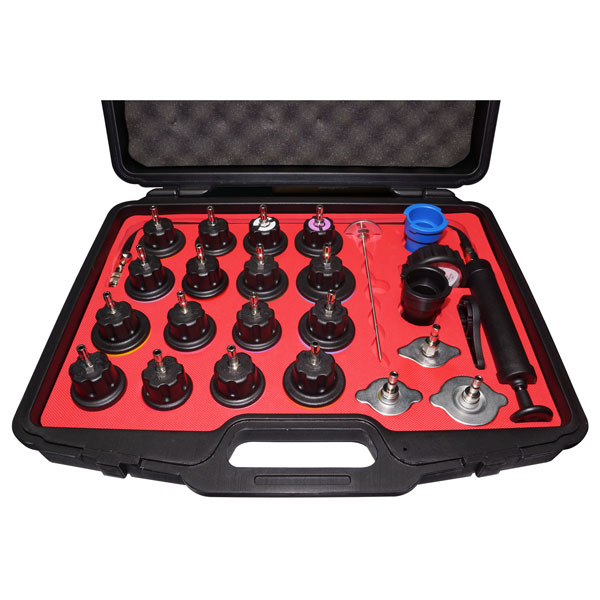
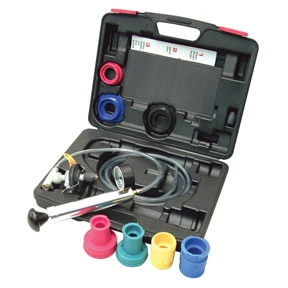
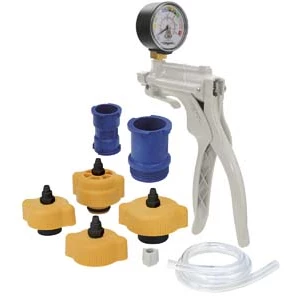
- Cooling system pressure test: Pressurize the system and watch for a drop with no external leak, or for pressure building on its own with the engine running (a sign of combustion pressure entering the system).
- Compression or leak-down test: A leak-down test that shows air escaping into the coolant passages (bubbles in the radiator) or between adjacent cylinders pinpoints the breach and tells you whether it’s a straightforward gasket or a cracked head/block.
- Visual inspection once apart: Look for the failure path — between cylinders, into a coolant jacket, or breaching to the outside. Where it failed matters for whether the head or block also needs attention.
Don’t skip the compression/leak-down step even when the block test is positive. It tells you whether you’re dealing with a simple gasket failure or a cracked head, warped deck, or scored cylinder — information that changes the whole estimate.
===PRODUCT_SEARCH_1===
The Truth About Liquid Head Gasket Sealants
Customers will ask about the bottled “liquid head gasket” products sold at auto parts stores, and it’s worth having a straight answer ready. These sealants work by circulating particulate that lodges in and seals small breaches when it hits the heat differential at the leak point. They can genuinely work — there are documented cases of high-mileage, low-value vehicles running for months or even years afterward — but the outcome is inconsistent. On some engines the product clogs coolant passages, heater cores, or the radiator instead of sealing the actual leak, making the overheating worse rather than better.
The honest framing for a customer: this is a stopgap for a vehicle they don’t plan to keep long and can’t justify a real repair on, not a fix for a daily driver they want reliable for years. If they choose to try it, warn them it can make a proper repair harder later (clogged passages, sealant residue on sealing surfaces) and that a repeat overheat or coolant loss means the engine now needs real diagnosis, not a second bottle.
Known Problem Engines: Where This Failure Is More Than Bad Luck
Some engine families have a reputation for head gasket and related coolant-into-cylinder failures well before high mileage, and it changes how you should scope the estimate:
- Ford EcoBoost 1.0L and 1.6L: Both have a documented history of head gasket failure tied to the cylinder block design — the 1.6L’s open-deck block is a known weak point, and the 1.0L has had similar coolant-into-cylinder issues. On these, also check for oil dilution and a coolant-soaked accessory belt, since a failed gasket can contaminate more than just the coolant system.
- PSA/Stellantis PureTech (1.2L three-cylinder): Known for timing belt-in-oil wear debris and separate head gasket/cylinder liner concerns; treat any coolant loss on these as a full-system inspection, not a spot repair.
- Any turbocharged, small-displacement engine running high boost pressure and tight tolerances: These generally run hotter and under more thermal stress per cylinder than larger naturally aspirated engines, which shortens gasket life industry-wide.
On these platforms, set expectations early: a head gasket replacement that goes smoothly on a simple four-cylinder can turn into a much larger job if the block deck is warped, if there’s already ring or bearing wear from oil dilution, or if the design itself makes a clean repair unlikely to hold. Quote the diagnosis first, and be upfront that a second estimate for engine replacement may follow.
Doing the Job Right: Replacement Procedure Essentials
Once you’ve confirmed it’s a genuine gasket failure and the customer wants a proper repair, the basics that separate a lasting fix from a comeback:
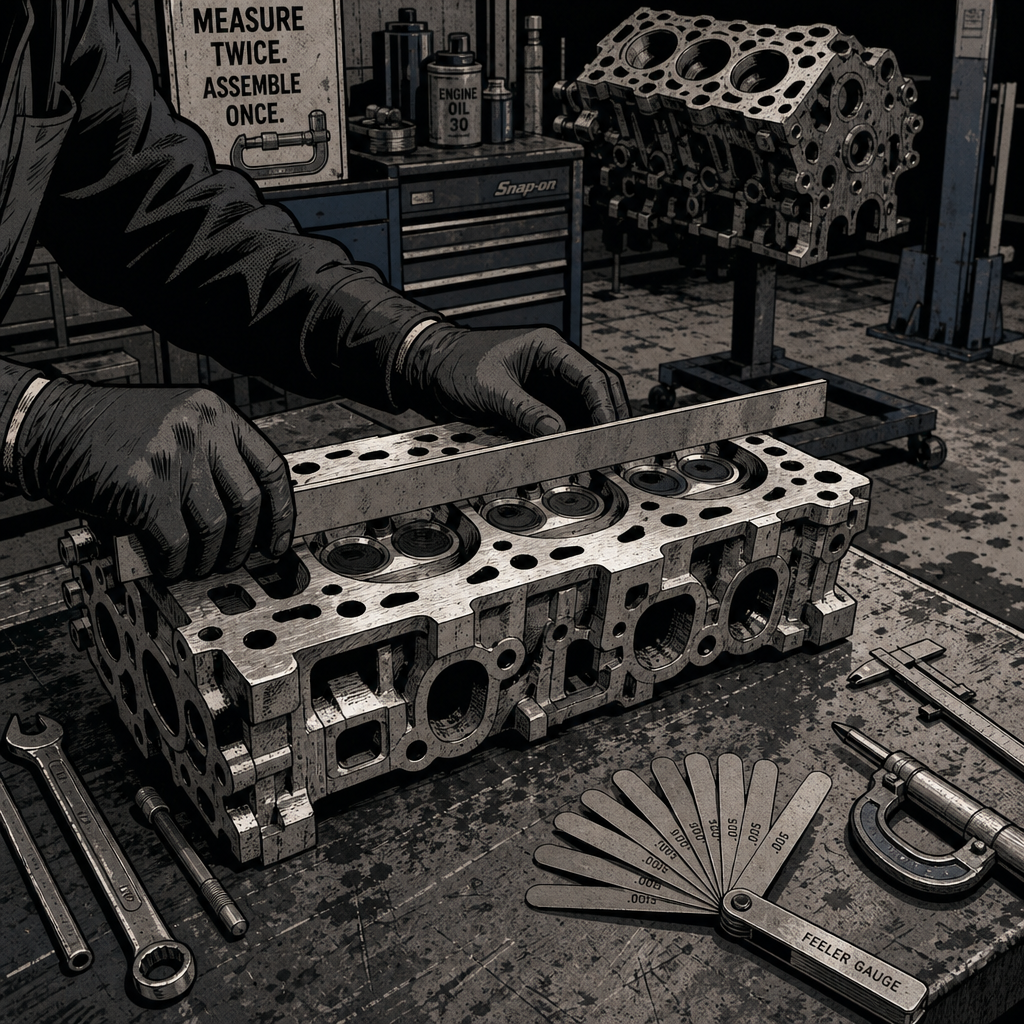
- Check the head for warpage with a straightedge and feeler gauge before reassembly — resurface or replace if out of spec, don’t just reuse it on the assumption the gasket alone caused the failure.
- Inspect for cracks, especially between valve seats or around injector bores on direct-injection engines.
- Replace head bolts if they’re torque-to-yield (TTY) — reusing stretched TTY bolts is a common cause of repeat failures.
- Follow the OEM torque sequence and specification exactly, including any specified angle-torque steps.
- Flush the cooling system fully — old coolant contaminated with combustion byproducts or sealant residue will undermine a new gasket.
- Change the oil and filter, and inspect for continued contamination after the repair; coolant-fouled oil that isn’t changed can carry acidic byproducts into fresh bearings.
- Bleed the cooling system completely before startup and monitor closely through the first heat cycles for leaks or trapped air.
===PRODUCT_SEARCH_2===
Repair vs. Replace: Setting the Right Expectations
Before committing labor hours, walk through this with the customer:
- Vehicle value vs. total repair cost — if the gasket job plus any related machine work approaches or exceeds the car’s value, a used engine or the vehicle’s replacement may be the better math.
- Evidence of secondary damage — oil dilution, bearing wear, or a cracked head/block changes this from a gasket job to an engine rebuild or replacement.
- Known problem engine — on platforms with a documented pattern of repeat failures, a straight gasket swap may not hold long-term without additional machine work or design workarounds.
- How the vehicle has been driven — was it run low on coolant or overheated repeatedly before now? That history predicts how much collateral damage to expect once it’s apart.
Quick Diagnostic Checklist
- Confirm with a combustion leak test before quoting
- Pressure test the cooling system for external leaks first
- Run compression/leak-down to check for head or block damage
- Check oil for coolant contamination
- Identify the engine family and check for known failure patterns
- Discuss repair vs. replace based on value and collateral damage
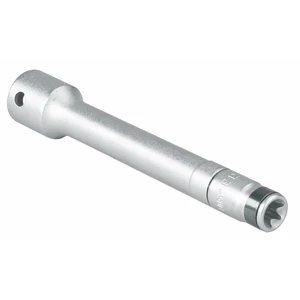
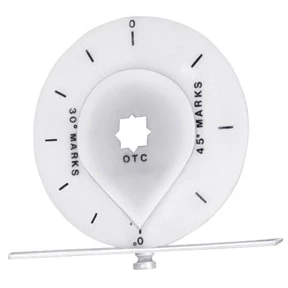
OTC 7415 Torque Angle Gauge for Precise Fastener Tightening
Mfg: OTC Tools and Equipment
Part #: 7415
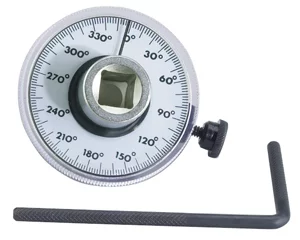
OTC 4554 Stinger 1/2" Drive Torque Angle Gauge
Mfg: OTC Tools and Equipment
Part #: 4554
Frequently Asked Questions
How much coolant loss indicates a head gasket problem?
There’s no fixed number — what matters is coolant disappearing with no visible external leak. Even a slow, steady loss over weeks with a dry engine bay and no puddle under the car is a red flag worth testing.
Can I drive a car with a suspected blown head gasket?
Short trips at low load with careful temperature monitoring are sometimes possible short-term, but continuing to drive risks warping the head, damaging the catalytic converter with unburned coolant/oil, or hydro-locking a cylinder. Advise against extended or highway driving until it’s diagnosed.
Is a liquid head gasket sealant ever a legitimate fix?
It’s a temporary measure at best, most reasonable for a low-value vehicle the owner plans to retire soon. It’s not a substitute for proper repair on a vehicle they intend to keep driving daily.
Why do small turbocharged engines seem to fail more often?
Higher combustion pressures and thermal loads packed into a smaller block put more stress on the head gasket and deck surface than a larger, naturally aspirated engine sees, and some designs (like open-deck blocks) have less material supporting the gasket between cylinders.
Does a head gasket failure always mean the head or block is also damaged?
No, but it’s common enough that you should always check. A leak-down and straightedge check on the head, plus a look at the deck surface, tells you whether you’re dealing with a gasket-only repair or something more involved.
What’s the biggest mistake techs make on these jobs?
Skipping the compression/leak-down check after a positive block test, reusing torque-to-yield head bolts, and not fully flushing the cooling system before refill — all of which lead to comebacks even when the gasket itself was installed correctly.
Recommended Tools
Properly diagnosing and repairing a head gasket requires the right test equipment and service tools. Browse our engine repair tools to find what you need for the job.
- Combustion leak testers and block test kits
- Compression and leak-down diagnostic equipment
- Cooling system pressure test kits

The Toolsource Technical Team blends decades of real-world automotive service experience with up-to-date technical research. Our writers collaborate with professional mechanics, shop owners, and diagnostic specialists to deliver practical, workshop-ready guidance you can trust.


Follow us on social media