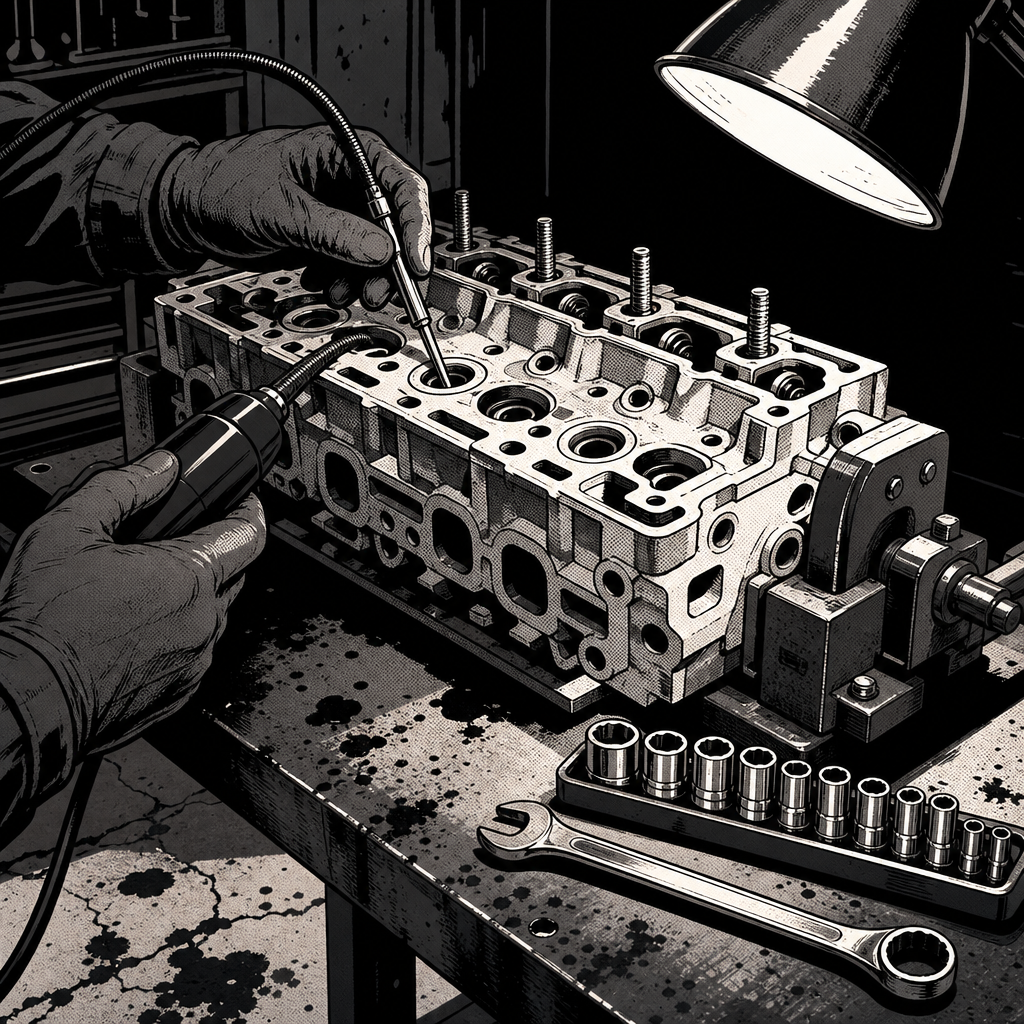
If you’ve pulled a valve cover off a GM 2.4L Ecotec (LAF, LE9, LEA family — Equinox, Terrain, Malibu, and related platforms) and found rocker arms snapped in half, you’re looking at one of the most common catastrophic failures on this engine family. The pattern is well documented among techs who work on these regularly: a stretched or failed timing chain lets valve timing drift far enough that pistons contact valves, and the shock of that contact travels up through the valvetrain and shatters the rocker arms. This is not a “replace the rockers and move on” repair. This article walks through how to diagnose the actual extent of damage, what tools to use before you commit to a teardown, and how to decide between a head repair and a full engine replacement.
Why the 2.4L Ecotec Is Prone to This Failure
The 2.4L Ecotec is an interference engine, meaning there is not enough clearance between valves and pistons to survive a timing error. Two design and maintenance factors combine to make chain-related failures common on this engine:
First, these engines have a well-known oil consumption problem, often tied to piston ring design and PCV system behavior. Oil control rings can lose tension or the PCV passages can clog with sludge, and owners who don’t check oil level between changes can run the engine dangerously low without warning. Second, low oil pressure and poor lubrication accelerate wear on the timing chain, guides, and tensioner. Once a chain stretches past its tolerance, valve timing shifts, and on an interference engine that means metal-to-metal contact between valves and piston crowns.
When that contact happens, the force doesn’t stay contained at the piston. It transfers back through the valve stem, into the rocker arm (follower), and often into the roller and needle bearing assembly, snapping the rocker in two. If you’re seeing broken rockers, assume valve-to-piston contact happened — the rockers are a symptom, not the root cause.
Confirm the Failure Mode Before Removing Anything
Before pulling a cylinder head, get a clear picture of what you’re dealing with. Two checks tell you almost everything you need to know without hours of teardown labor:
- Borescope inspection. Pull all spark plugs and run an articulating inspection camera through each spark plug hole. Look for scoring on cylinder walls, dents or gouges on piston crowns, and any visible debris. A 360-degree articulating scope is worth the extra cost here — a fixed-angle scope will miss damage on the piston edges where valve contact typically occurs.
- Visual check of the upper timing chain guide. On these failures, it’s common to find that the upper guide has been partially or completely sawn through by a loose chain, with a chunk of guide material now loose in the engine. If you see this, the timing chain, tensioner, and guides are compromised regardless of what the borescope shows in the cylinders.
These two checks alone are usually enough to tell a customer whether they’re looking at a head repair or a total loss. Don’t skip straight to teardown — a full disassembly to “see what’s wrong” costs the customer three to five hours of labor before you’ve even confirmed whether the block is salvageable.
For the inspection step, having the right camera on the bench makes the difference between a five-minute look and a guess.


M10 Spark Plug Hole Repair Set - 10-1.0mm HEL5523-10
Mfg: Heli Coil Products
Part #: 5523-10

Run a Cylinder Leak-Down Test
Once the borescope confirms there’s no obvious catastrophic debris blocking a teardown decision, a cylinder leak-down test gives you a quantitative read on valve and ring sealing. This engine will typically fail a compression test outright if valves are bent, so leak-down is the more informative test because it tells you where the air is escaping — past the intake valve, exhaust valve, or rings.
Procedure:
- Remove all spark plugs and bring the cylinder under test to top dead center on the compression stroke (both valves closed).
- Connect the leak-down tester to the spark plug hole and pressurize with shop air per the tool’s calibration procedure.
- Listen at the throttle body/intake for air escaping past the intake valve, at the exhaust outlet for air past the exhaust valve, and at the oil fill cap or dipstick tube for air past the rings.
- Repeat for each cylinder and record percentage leakage. High leakage concentrated at the intake or exhaust confirms bent valves; leakage at the oil fill points to ring or cylinder wall damage.
Combine the leak-down results with your borescope findings. Bent valves plus visible piston crown damage plus a compromised timing chain guide is a strong signal that this isn’t a bolt-in-new-rockers repair.
Repair vs. Replacement: Making the Call
Once you know the extent of damage, the decision usually comes down to three scenarios:
Rockers only, no piston contact confirmed. Rare on this failure pattern, but if leak-down comes back clean and the borescope shows no piston or cylinder wall damage, you may be able to replace the timing chain kit, guides, tensioner, and rocker arms/followers, then inspect camshaft lobes for scoring caused by the failed needle bearings often found in these rocker failures.
Bent valves, head repair needed. If leak-down shows valve leakage but the piston crowns and cylinder walls are undamaged, a new or reconditioned cylinder head plus a full timing chain kit is the repair path. Budget for the PCV passage in the intake manifold to be cleaned while the head is off — clogged PCV oilers are a known contributor to the oil consumption problems that start this failure chain in the first place.
Piston and cylinder wall damage present. This is the most common outcome techs report on this engine. Once valve contact has scored a cylinder wall or dented a piston crown, a head-only repair won’t resolve it, and a full rebuild often isn’t cost-effective given machine shop backlogs and parts cost. A used or remanufactured long block is typically the more economical and faster path back to a running vehicle. Shops report all-in repair costs (chain, guides, tensioner, and head) in the $4,000–$5,000 range when a head repair is viable — a number worth having ready when you scope the estimate for a customer.
Preventing a Repeat Failure
Whatever repair path you take, address the root cause or you’ll see this vehicle again. Set the customer’s expectations around:
- Checking oil level manually every two weeks, not relying on the dash oil life monitor alone, since these engines can consume oil faster than the monitor accounts for.
- Shortening oil change intervals below the OEM recommendation if the vehicle shows any consumption tendency.
- Inspecting or replacing the PCV valve and cleaning the intake manifold PCV passage at every major service, since clogged oilers directly contribute to lubrication starvation at the timing chain and cam bearings.
- Listening for early warning signs — a rattling or ticking noise on cold start, or a new noise that appears suddenly before the engine goes quiet, both reported as precursors to this failure.
Quick Diagnostic Checklist
- Pull all spark plugs before doing anything else
- Run a 360° borescope through each cylinder to check piston crowns and cylinder walls
- Visually check the upper timing chain guide for wear-through or missing material
- Perform a cylinder leak-down test on all cylinders and record percentages and leak locations
- Inspect camshaft lobes and rocker/follower needle bearings for scoring or debris
- Decide repair path only after borescope + leak-down results are both in hand
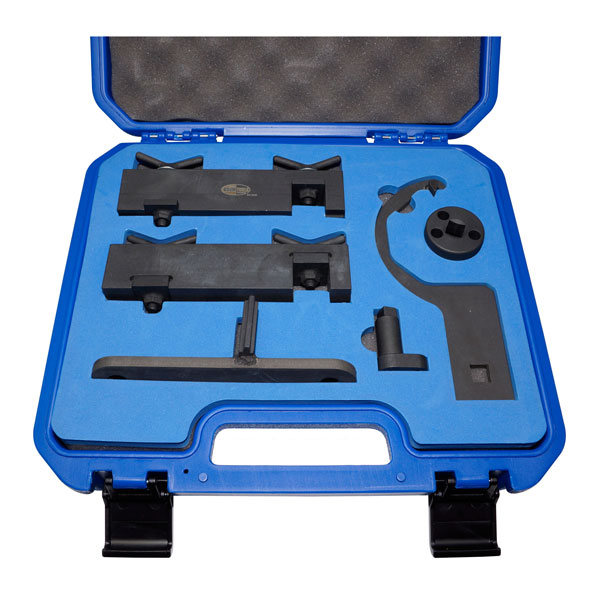
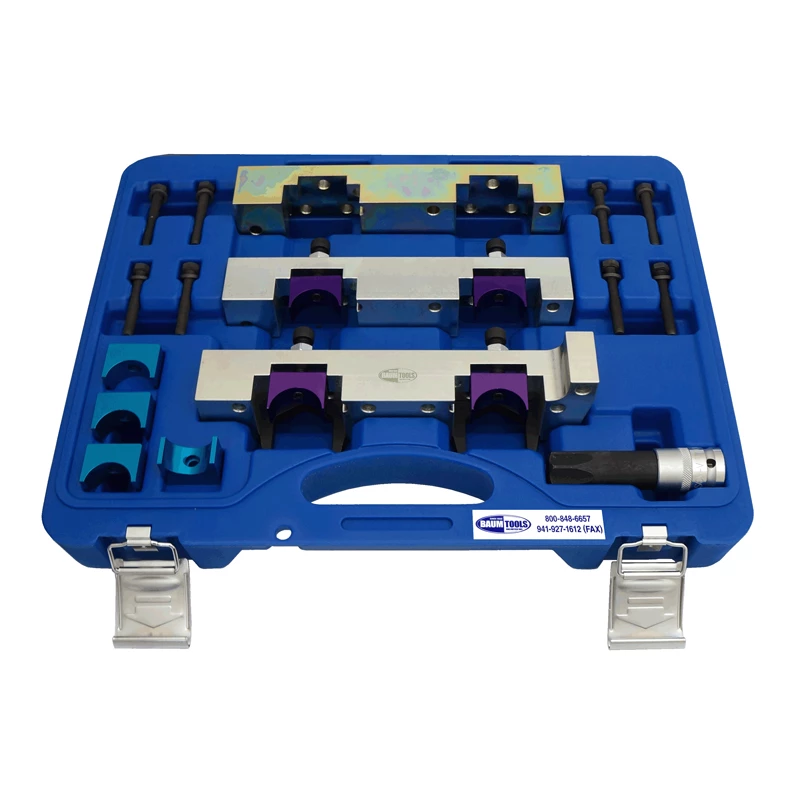
Once you’ve scoped the repair — whether it’s a chain kit and rockers, a head swap, or a full engine — make sure the shop is stocked with the right diagnostic and teardown tools for Ecotec-family jobs.

FAQs
Q: Can I just replace the broken rocker arms and put the engine back together?
A: Not without confirming valve and piston condition first. Broken rockers on this engine almost always indicate the valves contacted the pistons. Reassembling without a leak-down test and borescope inspection risks handing back a vehicle that fails again immediately or runs poorly.
Q: Is a compression test enough, or do I need a leak-down test?
A: A compression test will likely show low or zero compression on affected cylinders, but it won’t tell you why. Leak-down testing pinpoints whether the leakage is at the intake valve, exhaust valve, or rings, which is essential information for scoping the repair.
Q: Do I need to pull the cylinder head to know if this is repairable?
A: Not initially. A 360-degree borescope through the spark plug holes combined with a leak-down test will tell you most of what you need to know without the labor cost of a teardown. Pull the head only once you’ve decided a head-level repair is the right path.
Q: What causes the timing chain to fail on these engines in the first place?
A: The dominant contributing factor is oil consumption combined with missed oil changes or low oil level. Low oil pressure accelerates wear on the chain, guides, and tensioner, which eventually stretches the chain enough to shift valve timing on this interference engine.
Q: Is it worth rebuilding the engine or better to source a replacement?
A: If the borescope and leak-down confirm piston or cylinder wall damage, a used or remanufactured long block is usually faster and more cost-effective than a rebuild, especially given typical machine shop turnaround times.
Q: How do I prevent this from happening again after the repair?
A: Shorten oil change intervals, have the customer check oil level manually every couple of weeks, clean or replace the PCV passage in the intake manifold, and address any cold-start ticking or rattling noise immediately rather than waiting for the next scheduled service.
Engine Repair Tools
Diagnosing timing chain and rocker arm damage requires the right inspection equipment. Borescopes, leak-down testers, and specialty timing chain tools help determine repair scope without unnecessary teardown. Our Engine Repair Tools category covers the diagnostic and replacement equipment needed for Ecotec and other complex engine work.
- Articulating borescope cameras for cylinder inspection
- Cylinder leak-down testers and gauges
- Timing chain kits, guides, tensioners, and specialty tools

The Toolsource Technical Team blends decades of real-world automotive service experience with up-to-date technical research. Our writers collaborate with professional mechanics, shop owners, and diagnostic specialists to deliver practical, workshop-ready guidance you can trust.


Follow us on social media