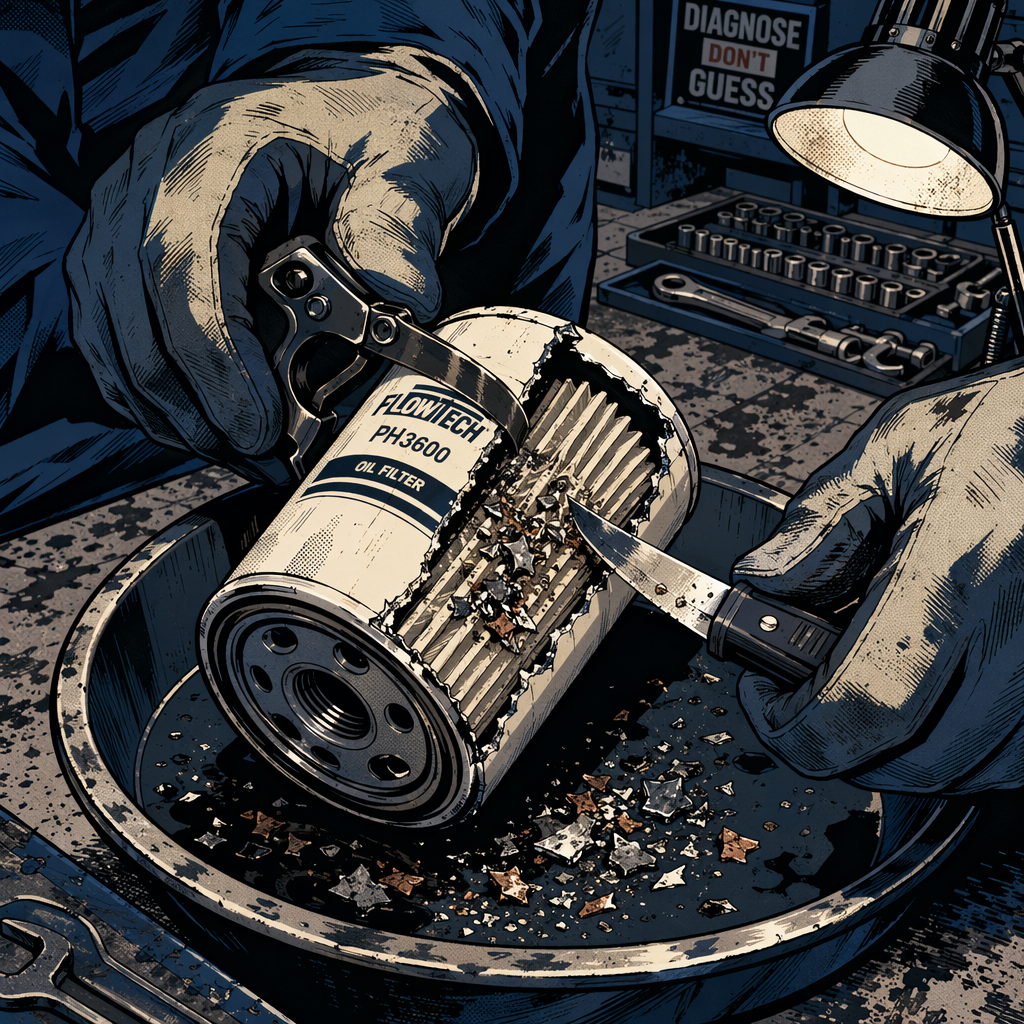
When you cut open an oil filter during routine maintenance and find metal debris, you’re looking at evidence of internal engine wear that’s already happening. The question isn’t whether something is wrong—it’s how bad the damage is, whether it’s progressing, and what your realistic options are. For technicians, this discovery triggers a specific diagnostic protocol that can mean the difference between a manageable repair and a complete engine replacement. Understanding what those metal particles tell you, how to test them, and what immediate steps to take can save your customer thousands of dollars or help them make an informed decision to cut their losses.
Identifying the Type and Source of Metal Debris
Not all metal shavings indicate the same problem. The first diagnostic step is determining whether the particles are magnetic. Use a strong magnet to test the debris—if it sticks, you’re dealing with ferrous material like steel, which typically comes from camshafts, crankshafts, or valve train components. If the particles don’t respond to a magnet, they’re likely aluminum from pistons or the block itself, or they could be bearing material.
The appearance and size of the debris matter significantly. Fine, glitter-like particles often indicate normal wear that’s accumulated over time, especially in higher-mileage engines. Larger flakes or chunks, particularly those with a silvery or coppery appearance, point to bearing material that’s delaminating from connecting rod or main bearings. Babbitt bearing material—the soft metal layer that provides the bearing surface—typically shows up as larger flakes when it begins to fail, and this is a critical failure mode that demands immediate attention.
Look closely at the color and texture. Bronze-colored material suggests thrust bearing wear. Dark, almost black metallic particles might indicate piston ring or cylinder wall material. If you see actual chunks rather than shavings, you’re likely looking at catastrophic component failure that’s already in progress. Document everything with photos—you’ll need this evidence when discussing options with the vehicle owner.
Immediate Actions: Stop Before It Gets Worse
The moment you identify significant metal debris in the filter, the engine should not be started or driven again until you’ve completed further diagnosis. Every revolution of the crankshaft with compromised bearings accelerates the damage. What might be a bearing replacement can quickly become a complete engine rebuild if metal particles circulate through the oil system and score journals, cam lobes, and cylinder walls.
If the vehicle is still running normally without knocking or unusual noises, you’re in a narrow window where intervention might prevent total failure. A connecting rod bearing that’s just starting to shed material hasn’t necessarily damaged the crankshaft journal yet. But the moment you hear knocking—particularly a rhythmic knock that increases with RPM—bearing material is gone and metal-on-metal contact is happening. At that point, the crank will need machining or replacement.
Your immediate diagnostic checklist should include dropping the oil pan for visual inspection. This allows you to examine the bearings directly without committing to a full teardown. Check the bearing surfaces for scoring, discoloration, or missing babbitt material. Inspect the oil pickup screen for debris. If you find heavy contamination or obvious bearing damage, you’ll need to present the customer with realistic repair options before proceeding.

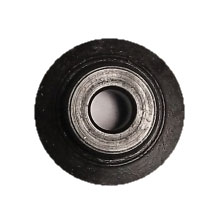
Replacement Blade for AT3391 Oil Filter Cutter
Mfg: K-Line Industries
Part #: AT50102G
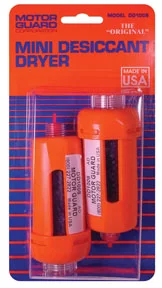
Diagnostic Protocol: Assessing the Extent of Damage
Once the pan is dropped, systematically check each bearing. Main bearings and rod bearings should show a consistent, smooth babbitt surface without scoring, discoloration, or flaking. Any bearing showing copper-colored substrate means the babbitt layer has worn through—that bearing has failed. Check the corresponding journal surface on the crankshaft. If the journal shows scoring or discoloration, it will need machining, which means a full crankshaft removal.
Perform a oil analysis if the debris type is unclear or if you’re trying to establish a baseline for ongoing monitoring. Commercial oil analysis services can identify specific metals, contamination levels, and wear patterns that aren’t visible to the naked eye. However, if you’ve already found large bearing material flakes, oil analysis will primarily confirm what you know—something is failing—rather than provide new diagnostic information.
Check the oil pressure. Low oil pressure in combination with metal debris almost always indicates bearing clearances have opened up beyond specification. You can perform a manual clearance check using Plastigage on accessible bearings, but if you’ve found significant debris, you’re likely beyond the point where simple measurement will change the repair approach.
Inspect the oil pump and pickup screen. Metal debris can damage the pump’s internal gears or block the pickup screen, which creates a cascading failure. Even if the primary bearing problem is repairable, a compromised oil pump means the entire lubrication system is suspect. Document all findings with measurements and photos for the estimate.
Repair vs. Replace: Making the Economic Decision
For professional technicians, the repair-versus-replace decision often comes down to vehicle value versus repair cost. An engine with bearing debris can range from a few hundred dollars for a single bearing replacement (if caught extremely early) to $12,000 or more for a complete rebuild or replacement. The customer’s situation matters—a vehicle purchased recently from a dealer may have warranty recourse, while a high-mileage project car requires a different cost-benefit analysis.
If you’ve caught the problem early—large flakes in the filter but no knocking, no journal damage, and bearings that show wear but haven’t completely failed—a bearing replacement is feasible. This requires removing the crankshaft, inspecting and possibly machining the journals, installing new bearings with proper clearances, and thoroughly flushing the entire oil system. Budget 12-20 hours of labor for this approach, and understand that you’re gambling on whether unseen damage exists elsewhere in the engine.
If there’s journal damage, knocking, or evidence that debris has circulated extensively, a complete rebuild is the only reliable repair. This means machining the block and crank, replacing all bearings, and often addressing other wear items like piston rings and valve seals while the engine is apart. For most engines, this approaches or exceeds the cost of a remanufactured engine, which comes with a warranty and known service life.
The used engine route is tempting but carries significant risk, particularly with performance or European engines that may have unknown maintenance histories. A reman engine from a reputable supplier costs more upfront but eliminates the variables. For a customer facing a $10,000+ repair on a vehicle worth $8,000, the honest recommendation is often to cut losses rather than chase good money after bad.
Prevention and Customer Education
Most bearing failures stem from oil starvation, contamination, or extended service intervals. When presenting an estimate, educate the customer about why this happened. Low oil level—even temporarily—can wipe out bearings in minutes of operation. Using incorrect oil viscosity, particularly too-thin oil in a worn engine, accelerates bearing wear. Contaminated oil from a failed component or poor-quality filter can introduce abrasives that damage bearing surfaces.
Extended oil change intervals are particularly problematic in turbocharged engines, direct-injection engines, and performance applications where oil degradation happens faster. A 10,000-mile oil change interval might be acceptable for a naturally aspirated commuter engine in ideal conditions, but it’s a death sentence for a high-performance turbocharged engine that sees hard use. If the failed engine had a documented history of 15,000-mile oil changes, the failure is entirely predictable.
For fleet or high-mileage applications, implement oil analysis as a preventive measure. Testing oil every 5,000 miles can catch bearing wear while it’s still in the “elevated metals” range rather than the “large chunks in the filter” range. This gives you the option to plan a repair during scheduled downtime rather than dealing with a catastrophic failure that strands the vehicle.
When a customer purchases a used vehicle—particularly a high-mileage performance or European vehicle—the first service should include cutting open the oil filter to establish a baseline. If you find concerning debris immediately after purchase, most states have lemon laws or dealer warranty requirements that apply within 30 days. Documenting that evidence early gives the customer legal recourse rather than being stuck with a failed engine and a loan on a worthless vehicle.
Quick Reference Checklist: Metal in Oil Filter
- Stop operation immediately – Do not start or drive the vehicle until diagnosis is complete
- Test debris with a magnet – Determines ferrous vs. non-ferrous material and narrows source
- Document with photos – Capture debris size, color, and quantity for estimates and potential warranty claims
- Drop the oil pan – Visual bearing inspection is essential before committing to repair approach
- Check oil pressure – Low pressure confirms bearing clearance problems
- Inspect crankshaft journals – Scoring or discoloration means machining or replacement required
- Examine oil pump and pickup – Debris can damage the pump or block the screen
- Provide realistic cost estimates – Include best-case and worst-case scenarios with parts and labor
- Discuss vehicle value – Help customer make economic decision about repair vs. replacement
- Check warranty status – Recent purchases may have dealer or lemon law recourse
Special Considerations for Recently Purchased Vehicles
When metal debris appears in a vehicle purchased within the past 30-60 days, the diagnostic approach must include documentation for potential legal action. Most states provide some level of lemon law protection for used vehicles, and many dealers offer short-term warranties ranging from 30 days to 90 days. If the customer financed the vehicle, they may have additional leverage through the lender.
Before contacting the dealer, complete a thorough diagnosis and obtain a written estimate from a reputable shop. The dealer’s first response will likely be to claim the problem is “wear and tear” or that the customer caused the damage. Counter this with evidence: photographs of bearing material in the filter, documentation of the oil’s condition, and expert testimony that this type of failure develops over time, not in a few weeks of ownership.
Present the dealer with options: they can repair the engine under warranty, they can replace the vehicle with a comparable unit, or they can unwind the sale and refund the purchase price. Start cordially—many dealers will make things right to avoid legal problems and negative reviews. If they refuse, escalate by filing a complaint with your state’s consumer protection agency and consulting an attorney who specializes in automotive lemon law.
Do not accept a dealer’s offer to “put heavier oil in it” or “just drive it and see.” This is a delay tactic that runs out the warranty clock. Insist on proper diagnosis and repair, or walk away from the deal entirely while you still have legal standing. A vehicle with bearing failure at 175,000 miles is a known liability, and the dealer’s willingness to sell it without disclosure may constitute fraud depending on your jurisdiction.
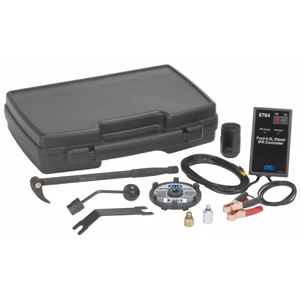
Ford 6.0L Diesel Service Tool Kit - OTC 6770
Mfg: OTC Tools and Equipment
Part #: 6770
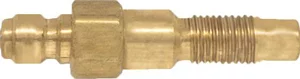
Diesel Engine Compression Test Adapter - 8mm - 1.00 - Kubota
Mfg: S & G Tool Aid
Part #: 35500

Frequently Asked Questions
Q: Can I just change the oil and keep driving if the metal shavings are small?
A: No. Even fine metal particles indicate wear that’s actively occurring. Continued operation accelerates the damage and distributes metal throughout the oil system, contaminating components that might otherwise be salvageable. Stop driving immediately and complete a proper diagnosis.
Q: How much does it cost to fix an engine with bearing material in the oil?
A: If caught extremely early, a bearing replacement might run $500-$1,500 in parts and labor. If the crankshaft needs machining, expect $2,000-$4,000. A complete rebuild typically costs $4,000-$8,000 for common engines, and $8,000-$15,000 or more for performance or European engines. A remanufactured engine replacement often costs less than a rebuild and includes a warranty.
Q: Will thicker oil stop the metal shavings?
A: No. Thicker oil might temporarily reduce noise from worn bearings by filling larger clearances, but it doesn’t repair the underlying damage. In fact, oil that’s too thick can reduce flow to critical components and accelerate wear. Use the manufacturer’s specified viscosity and focus on repairing the mechanical failure.
Q: Is it safe to drive the car to a shop if I found metal in the oil filter?
A: It depends on severity, but generally no. If you’ve already found significant bearing material, the engine is at risk of catastrophic failure. Have the vehicle towed rather than risk a thrown rod or complete seizure, which will turn a $3,000 repair into a $10,000 replacement.
Q: Can an oil analysis tell me what’s failing?
A: Oil analysis identifies which metals are present and in what quantities, which can narrow the source—iron suggests cam or crank, aluminum suggests pistons or block, copper/lead suggests bearings. However, once you’ve found visible debris in the filter, analysis mainly confirms what you already know. It’s most useful for early detection before visible particles appear.
Q: What should I do if I just bought the car and found metal shavings?
A: Document everything immediately with photos and a written diagnosis. Contact the dealer within any warranty period (typically 30 days) and demand repair or replacement. If they refuse, file complaints with your state consumer protection agency and consult a lemon law attorney. Do not continue driving the vehicle, as this may void your legal claims.
Engine Repair Tools for Bearing Diagnostics
When you’re diagnosing bearing wear and metal debris, having the right tools on hand makes the difference between a thorough inspection and missed details. Our Engine Repair Tools selection includes everything needed to drop pans, inspect bearings, measure clearances, and document findings for accurate estimates.
- Oil pan gaskets, pickup screens, and oil pumps for complete lubrication system service
- Bearing inspection tools, Plastigage, and calipers for precision measurement
- Crankshaft and journal inspection equipment for damage assessment

The Toolsource Technical Team blends decades of real-world automotive service experience with up-to-date technical research. Our writers collaborate with professional mechanics, shop owners, and diagnostic specialists to deliver practical, workshop-ready guidance you can trust.


Follow us on social media