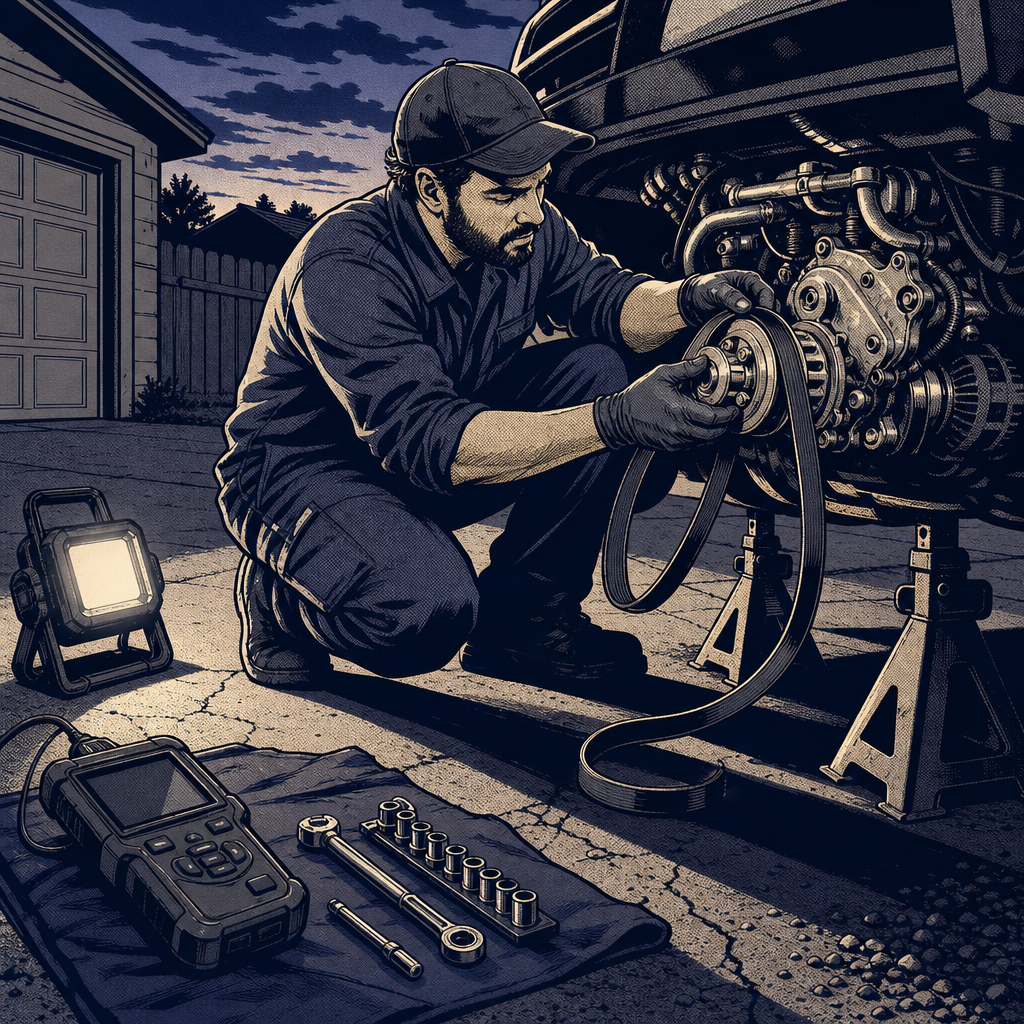
Running a mobile mechanic business puts you in direct contact with customers in ways that shop-based technicians rarely experience. Without the buffer of service writers or shop managers, you’re handling everything from initial contact through final payment. This direct relationship can be incredibly rewarding with the right clients, but it also exposes you to problem customers who can drain your time, energy, and profitability. Understanding how to identify and handle difficult clients isn’t just good business practice—it’s essential for long-term success and maintaining your sanity in this demanding field.
Recognizing Red Flags During Initial Contact
The first phone call with a potential customer tells you almost everything you need to know about whether they’ll be worth your time. Customers who start conversations with disrespect, unrealistic demands, or attempts to get free diagnostics over the phone are showing you exactly how the entire relationship will proceed. When someone calls asking you to essentially fix their car remotely by walking them through diagnostics without any intention of paying for your expertise, they’re already demonstrating that they don’t value your time or knowledge.
Pay attention to how potential customers respond when you explain your rates, scheduling constraints, or the scope of work needed. A customer who immediately pushes back on reasonable after-hours timing—like arriving at 8:30 PM when that’s the only slot available after a full day of booked jobs—is signaling future problems. In northern latitudes during summer months, working until 9:00 or 9:30 PM is completely feasible with proper lighting, but customers who react with hostility to accommodations you’re making for them rarely improve once the work begins.
Another critical warning sign is the customer who has already attempted the repair themselves and made it worse. While there’s nothing inherently wrong with DIY attempts, customers who damage components during disassembly—like cutting a water pump belt instead of properly removing it—and then expect you to fix their mistakes at a discount demonstrate both poor judgment and unrealistic expectations. The VW/Audi 2.0 TSI water pump job is a perfect example: the small belt driving the water pump off the balance shaft looks like a timing belt but isn’t under the same tension. An experienced tech would simply slide it off the old pump pulley and let it dangle, then roll it back onto the new pump pulley by rotating the crank. A customer who cuts this belt has added significant difficulty and potential for improper installation to a straightforward job.
The Economics of Problem Customers
Not all revenue is good revenue. A customer who drops $10,000 without questioning your expertise or nickel-and-diming every line item is far more valuable than someone who brings regular small jobs but complains about every charge, questions every diagnosis, and demands your attention at all hours. The time you spend managing a difficult customer’s expectations, defending your pricing, and dealing with their attitude is time you can’t spend on marketing, training, or serving good customers.
Calculate the true cost of problem customers by factoring in all the hidden time drains. Every follow-up call where they question your work, every text message demanding immediate responses, every moment spent justifying standard procedures—this is unbillable time that directly impacts your bottom line. One effective strategy is implementing what some shops call the “asshole tax”—charging difficult customers 50% more per hour until they either adjust their behavior or take their business elsewhere. However, the cleaner solution is often to simply fire the customer outright.
Consider the opportunity cost as well. Every hour you spend dealing with a problem customer is an hour you can’t spend cultivating relationships with good customers who refer their friends, pay promptly, and trust your expertise. Building a sustainable mobile mechanic business means being selective about who you work with, especially in the early stages when you might be tempted to take any job that comes your way.

Setting and Enforcing Professional Boundaries
Establishing clear boundaries starts with your first interaction and continues throughout the customer relationship. When you receive a call from someone who immediately becomes hostile or uses abusive language, you have every right to end the conversation. A simple “I don’t believe I’m able to meet your service expectations. I’d recommend finding another shop that’s a better fit” is a complete response. You don’t owe anyone an explanation for refusing to be treated disrespectfully.
Your scheduling policies should be clear and firm. If you’re booked solid and can only accommodate an emergency call after 8:00 PM, that’s the offer. Customers who respond with hostility to your availability are showing you they don’t respect your time or your other customers. Similarly, establish clear policies about diagnostics, estimates, and payment terms. The customer who wants you to diagnose their issue over the phone for free is the same customer who will dispute your invoice when the job is complete.
For mobile mechanics, boundary-setting also includes physical workspace considerations. Customers who insist on “helping” or offering unsolicited advice while you work—especially dangerous suggestions like using SharkBite fittings on brake lines—need to be redirected firmly. Your workspace, even if it’s their driveway, is your domain while you’re working. Make it clear that observation is fine, but interference isn’t acceptable. If they can’t respect that boundary, complete the current job and decline future work.
The Mobile Mechanic Reality Check
Mobile mechanic work comes with inherent challenges that go beyond customer management. Working on asphalt streets in 90+ degree heat without a lift, proper drainage, or climate control is physically demanding in ways that shop work isn’t. Many experienced mobile mechanics eventually transition to handling only diagnostics and straightforward repairs—brakes, suspension components, belts, radiators, and basic electrical work. Complex jobs like transmission or engine swaps in a customer’s driveway simply aren’t worth the physical toll or the liability.
The nature of mobile work also attracts a specific customer type: people looking to save money by avoiding shop labor rates. While many of these customers are reasonable people on tight budgets—particularly in areas near military bases or lower-income neighborhoods—others are simply cheap and will never be satisfied regardless of the quality of your work or the fairness of your pricing. Learning to distinguish between customers who genuinely need a break and those who are professional complainers is a skill that develops with experience.
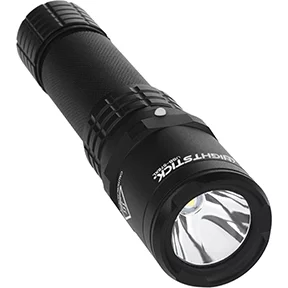
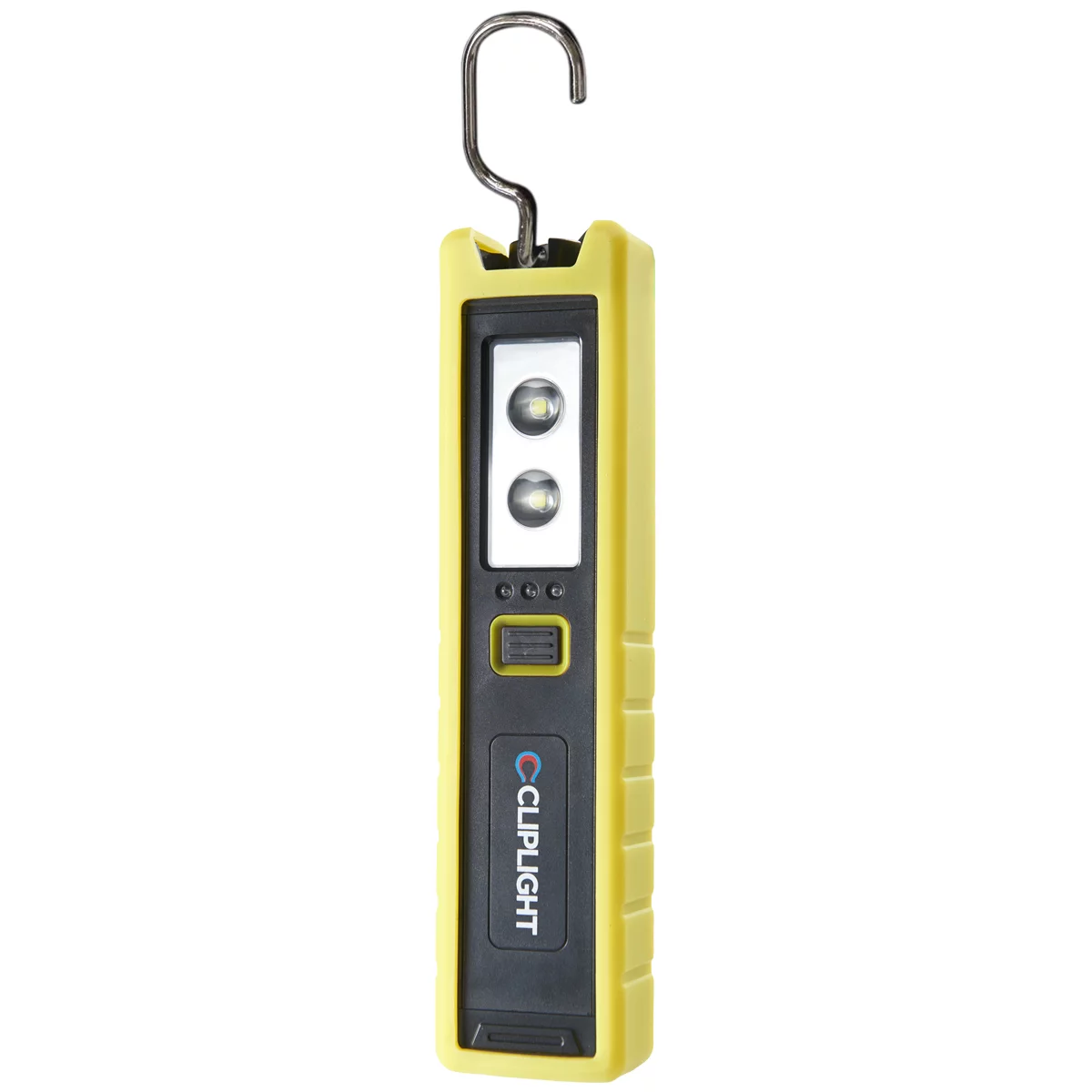
Environmental factors matter too. In Washington State during summer, the sun doesn’t set until after 9:30 PM, making late evening work feasible. In winter, you’re losing daylight by 3:30 PM, making van spotlights essential equipment. Understanding your realistic working hours and communicating them clearly to customers prevents the kind of conflict that arises when expectations don’t match reality.
When and How to Fire a Customer
The decision to fire a customer should be immediate once certain lines are crossed. Physical threats, verbal abuse, or refusal to pay for completed work are all grounds for immediate termination of the relationship. Block their number, document the interaction, and if necessary, involve law enforcement. Shop managers and service writers deal with threats of violence more often than most people realize—if you’re working independently, you can’t afford to tolerate this behavior even once.
For less extreme situations, the decision to fire a customer should be based on a simple calculation: does this relationship add value to my business, or does it detract from it? A customer who consistently complains, demands immediate service, questions every charge, and makes your life difficult isn’t worth keeping, regardless of how much work they bring. The stress and time drain outweigh any revenue they generate.
When you do fire a customer, keep it professional and brief. “I don’t believe I’m able to meet your service expectations. I’d recommend finding another shop” is sufficient. You don’t need to enumerate their faults or get into an argument about who’s right. Simply decline future work and move on. Some customers will be genuinely surprised—they may not realize their behavior is unreasonable—but that’s not your problem to solve.
Building the Right Customer Base
The flip side of firing bad customers is actively cultivating good ones. Customers who pay promptly, trust your expertise, understand that quality work costs money, and refer their friends are worth their weight in gold. These are the customers who will sustain your business long-term and make the mobile mechanic lifestyle sustainable.
Develop filtering skills early in your business. Ask qualifying questions during initial calls: What’s the issue? What’s your timeline? Have you gotten other estimates? How did you hear about me? The answers tell you a lot about whether this customer is a good fit. Someone referred by an existing good customer is much more likely to be reasonable than someone who found you through a bargain-hunting app.
Consider specializing in specific types of work or specific customer segments. Mobile mechanics who focus on fleet maintenance for small businesses, dealership overflow work, or serving a particular geographic area often find more consistent, less problematic customers than those who try to be everything to everyone. Building relationships with local shops for overflow or specialty work can also provide steadier income than purely retail mobile work.
Professional Development Beyond Wrenching
Technical skills will only take you so far in a mobile mechanic business. Customer service training, basic business management, and financial literacy are equally important. If you’re using the GI Bill to pursue a business degree while building your mobile operation, you’re on the right track. Understanding profit margins, customer lifetime value, and business scaling will help you make better decisions about which customers to pursue and which to avoid.
Invest in proper equipment that makes mobile work safer and more efficient. Quality lighting for after-hours work, proper jack stands and wheel chocks for safety, and diagnostic tools that allow you to work efficiently all contribute to professionalism that attracts better customers. The mechanic working out of a beat-up van with minimal tools attracts bargain hunters. The professional who shows up with proper equipment, clear communication, and documented processes attracts customers who value quality.
Network with other mobile mechanics and independent shop owners. They’ve dealt with the same problem customers you’re encountering and can offer advice on handling specific situations. Some shops even coordinate to send their problem customers to competitors they don’t like—while this might seem petty, it’s actually a form of market efficiency. Problem customers eventually run out of options and either adjust their behavior or give up on getting professional service.
Customer Management Checklist
- Establish clear pricing, scheduling, and payment policies before accepting any job
- Listen for red flags during initial phone calls: hostility, unrealistic demands, requests for free diagnostics
- Be willing to decline work from customers who don’t respect your time or expertise
- Document all interactions with problem customers in case disputes arise
- Set firm boundaries about workspace interference and unsolicited advice
- Calculate the true cost of difficult customers including unbillable time and stress
- Have a standard script for firing customers professionally and briefly
- Block numbers and refuse future contact after terminating problem relationships
- Focus marketing and networking efforts on attracting ideal customers
- Invest in professional equipment and presentation to attract quality clients
850-Pc Senior Mechanics Tool Set - supersedes 86850
Mfg: SK Hand Tool
Part #: 86850A
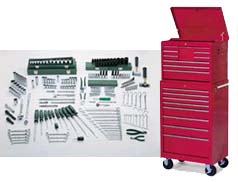
SK 86033J 215-Pc Mechanics Tool Set w/ 8-Dr Cabinet and 10-Dr Ch
Mfg: SK Hand Tool
Part #: 86033J
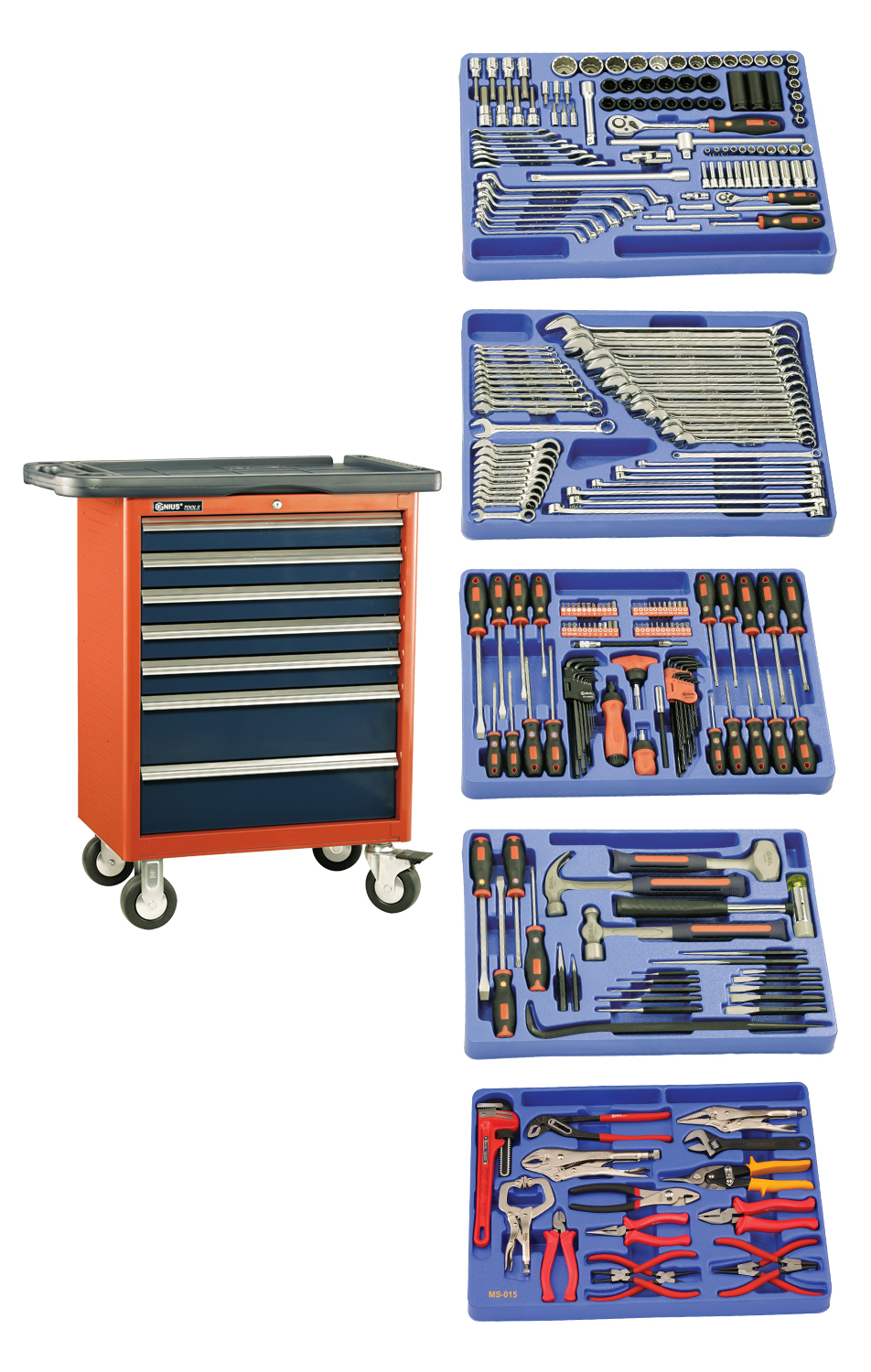
266PC Metric Mechanics Tool Set with Roller cabine
Mfg: Genius Tools
Part #: MS-266TS
Frequently Asked Questions
How do I know if a customer is worth my time?
Evaluate customers based on respect, payment reliability, and total value to your business. A customer who pays promptly, doesn’t question every charge, and refers others is valuable regardless of job size. Someone who brings regular work but complains constantly, demands immediate service, and nickels-and-dimes every invoice is costing you more than they’re worth.
Should I charge problem customers more?
Some mobile mechanics successfully use an “asshole tax” of 50% or more for difficult customers, which either encourages them to go elsewhere or compensates you for the extra hassle. However, simply declining their business is often cleaner and less likely to result in negative reviews or disputes.
What should I say when firing a customer?
Keep it brief and professional: “I don’t believe I’m able to meet your service expectations. I’d recommend finding another shop that’s a better fit for your needs.” Don’t elaborate, argue, or enumerate their faults. Simply decline future work and end the conversation.
How late should I be willing to work for mobile calls?
Your working hours depend on your location, season, and equipment. In northern areas during summer, working until 9:00 or 9:30 PM is feasible with proper lighting. In winter when darkness comes early, you’ll need quality spotlights to work safely after hours. Set clear expectations with customers about timing and don’t apologize for schedule constraints.
Should I help DIY customers who got in over their heads?
This depends on their attitude and the damage they’ve caused. A humble customer who admits they need help and is willing to pay fairly for your expertise to fix their mistakes can be a good client. Someone who damaged components through carelessness and expects a discount because they “did half the work” is showing you they’ll be a problem throughout the job.
How do I build a better customer base?
Focus on referrals from existing good customers, specialize in specific types of work or vehicle brands, and maintain professional standards in equipment and communication. Join local business networks, build relationships with shops for overflow work, and don’t be afraid to turn down customers who don’t fit your ideal profile. Quality over quantity builds sustainable business.
Recommended Tools for Mobile Mechanic Work
Proper equipment is fundamental to professional mobile work. Quality diagnostic tools, lighting systems, and specialized equipment not only make your job safer and more efficient—they also signal to customers that you take your work seriously. Browse our Automotive Specialty Tools to find the right equipment for your mobile setup.
- Diagnostic and electrical testing equipment for accurate troubleshooting
- Lighting and work station solutions for after-hours jobs
- Specialized tools for common mobile repair tasks like belt and hose work

The Toolsource Technical Team blends decades of real-world automotive service experience with up-to-date technical research. Our writers collaborate with professional mechanics, shop owners, and diagnostic specialists to deliver practical, workshop-ready guidance you can trust.


Follow us on social media