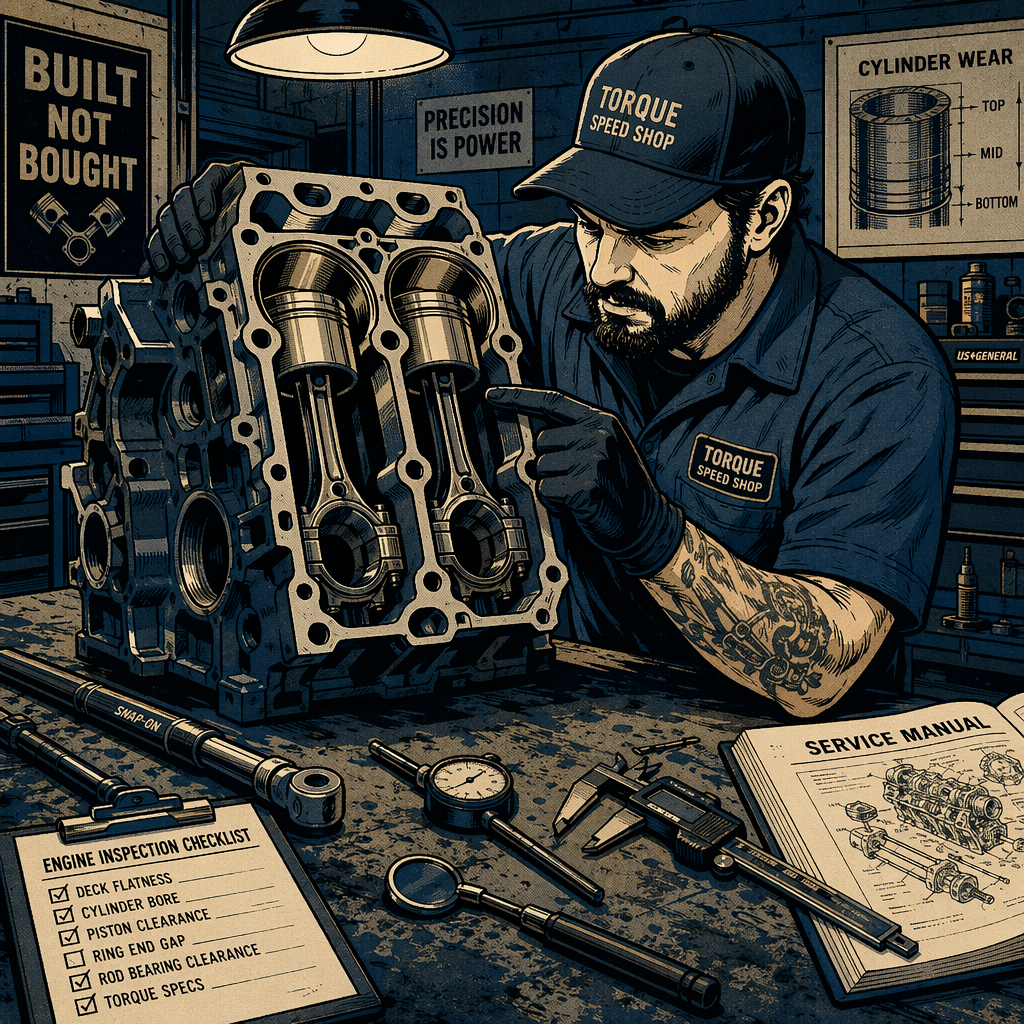
The question comes up in every shop: “Can I daily drive this?” Usually it’s asked by someone standing next to a modified performance car—turbocharged, supercharged, built motor, sticky tires, the works. The short answer is yes, you can daily drive almost anything with four wheels and an engine. The better question is whether you should, and more importantly, whether you understand what you’re signing up for. Modified performance vehicles demand a different ownership mindset than stock commuter cars. They require higher maintenance intervals, larger budgets for consumables, real driving discipline, and honest self-assessment about your habits behind the wheel. Here’s what technicians see when modified cars become daily drivers, and what you need to know before making that decision.
Understanding the Maintenance Reality
The first rule of dailying a modified performance car is budgeting for maintenance that happens more frequently and costs more than a stock vehicle. This isn’t speculation—it’s physics and engineering reality. Higher performance engines run higher compression, generate more heat, and place greater stress on every component in the drivetrain. That means shorter service intervals across the board.
Oil changes need to happen more frequently, especially if you’re running forced induction or a built motor. Where a stock engine might go 5,000-7,500 miles between changes, a modified performance engine should see fresh oil every 3,000-5,000 miles maximum, and sooner if you’re getting on the throttle regularly. High-performance synthetic oil isn’t optional—it’s mandatory, and it costs more than conventional oil. Factor that into your annual budget.
Consumables wear faster on performance vehicles. Brake pads, rotors, and fluid degrade more quickly under spirited driving. If you’ve upgraded to performance brake components, replacement parts cost significantly more than OEM equivalents. Tires are another major expense—sticky performance tires wear faster than all-seasons, especially if you’re putting power down hard. A set of performance tires might last 15,000-25,000 miles depending on compound and driving style, compared to 40,000-60,000 for standard tires. If you’re running staggered fitments or larger wheels, multiply those costs accordingly.
Expect to deal with more frequent minor issues. Modified vehicles have more potential failure points—aftermarket components, custom tuning, modified wiring, upgraded fuel systems. Each modification introduces variables that can cause problems down the road. Keep a contingency budget for unexpected repairs, because they will happen. Four out of five technicians report that customers who daily modified vehicles complain about things breaking or not working reliably, often because they underestimated the maintenance commitment.
Fuel Economy and Operating Costs
Modified performance engines are thirsty, and if you can’t resist the throttle, fuel costs will shock you. Real-world examples tell the story: technicians have seen supercharged V8 daily drivers average single-digit miles per gallon—one owner reported consistent 9 mpg tanks on a four-mile commute that included sitting in the car during lunch breaks with the engine running for climate control. That’s not a typo. High-performance engines burn fuel at astonishing rates, especially during cold starts, idling, and any time you put your foot into the throttle.
Even more efficient performance engines like turbocharged inline-sixes will see significantly worse fuel economy than their stock counterparts. Expect fuel costs to double or triple compared to a standard commuter car, depending on your driving habits. If you don’t have “sponsored fuel”—meaning someone else is paying for it—you need to run realistic numbers on your commute distance and frequency before committing to daily driving a modified performance vehicle.
The temptation factor compounds fuel costs. That 10% of the time when you give in and put your foot down burns disproportionate amounts of fuel and accelerates wear on every component. Tires, brakes, clutches, differentials—everything experiences accelerated degradation during hard acceleration and spirited driving. Resisting that temptation 90% of the time requires genuine discipline that many enthusiasts overestimate in themselves.
Driving Discipline and Safety Considerations
Here’s the uncomfortable truth: overpowered rear-wheel-drive cars require real driver discipline, especially in adverse conditions. If you’re the type to try putting all the power down when pulling out into traffic, you will bin the car the first time you drive after rain. This isn’t hyperbole—it’s a pattern technicians see repeatedly. High-powered RWD vehicles demand respect and mature driving habits, or they will bite you hard.
The fundamental rule: overpowered RWD cars cannot be trusted to accelerate safely when cornering, especially on wet or cold pavement. Physics doesn’t care about your confidence or experience. Throttle discipline during turns isn’t optional—it’s survival. If you can’t commit to driving like a grown-up 90% of the time, keeping your foot out of it during normal commuting, a high-powered RWD daily driver is a terrible idea.
Weather conditions multiply the risk. Rain, snow, ice, and even cold pavement reduce traction dramatically. Performance summer tires become outright dangerous in cold weather. Many technicians report that modified performance cars “sucked in the snow” because they’re fundamentally not designed for adverse conditions. If you live in a climate with real winter weather, you need winter tires at minimum, and realistically you should consider whether a RWD performance car makes sense as a daily driver at all.
Some owners solve this problem by switching to all-wheel-drive platforms, accepting the performance compromises in exchange for year-round usability and safety margins. That’s a legitimate solution if daily drivability in all conditions matters more than ultimate performance. Know yourself honestly—if you can’t resist showing off or putting the power down at inappropriate times, you’re a crash waiting to happen.
Quick Pre-Decision Checklist
Before committing to daily driving a modified performance car, honestly assess these factors:
- Can you afford 2-3x normal fuel costs for your commute?
- Do you have budget for oil changes every 3,000-5,000 miles?
- Can you replace performance tires every 15,000-25,000 miles?
- Do you have a contingency fund for unexpected repairs?
- Can you resist hard acceleration 90% of the time?
- Do you have the discipline to respect RWD power in wet conditions?
- Is your commute short enough that reduced reliability is acceptable?
- Do you have backup transportation if the car needs service?
If you answered “no” to more than two of these questions, seriously reconsider daily driving a modified performance vehicle.
When It Works: The Right Circumstances
Despite the challenges, daily driving a modified performance car absolutely works for some people in the right circumstances. Short commutes are ideal—if you’re only driving four to ten miles each way, the reliability concerns matter less because you’re not stranded far from home if something breaks. Living close to work means you can enjoy the car without racking up massive mileage that accelerates wear.
Solid drivetrains make a huge difference. Certain engine platforms have earned reputations for reliability even under modification—inline-six turbo engines, LS-platform V8s, and some naturally aspirated engines can handle daily duty if properly maintained. If the core drivetrain components are forged internals rather than stock cast pieces, durability improves significantly. Ask technicians familiar with your specific platform about known weak points and necessary upgrades for daily use.
Having backup transportation changes the equation entirely. If you have another reliable vehicle available when the performance car needs service or isn’t appropriate for conditions, daily driving becomes much more practical. You can take the performance car when weather and circumstances allow, and switch to the backup when needed. This flexibility eliminates most of the stress and risk.
Financial comfort matters enormously. If you can truly afford the maintenance, fuel, and tire costs without stress—meaning these expenses don’t impact your ability to pay other bills or save money—the experience can be worth it. Many enthusiasts report that driving something fun daily is worth the tradeoff compared to a boring commuter car, as long as they went in with realistic expectations about costs.
Making the Decision
The consensus from technicians who work on these vehicles daily is straightforward: you can daily drive a modified performance car if you understand you’re choosing higher maintenance, more issues, and greater costs compared to a stock commuter vehicle. This tradeoff is acceptable to some enthusiasts and completely unworkable for others. The critical factor is honest self-assessment.
If you keep your foot out of it 90% of the time like a reasonable person, perform the higher level of maintenance that performance engines require, budget realistically for consumables and repairs, and drive with discipline appropriate to the vehicle’s power and drivetrain layout, it can work. Many enthusiasts successfully daily modified performance cars for years by following these principles.
The owners who struggle are those who underestimate the commitment, can’t resist the throttle, skip maintenance to save money, or lack the driving discipline these vehicles demand. If you’re honest about your habits and finances, you’ll know which category you fall into. Your life has finite time—the “you’re going to die one day” philosophy suggests treating yourself to something you enjoy if you can truly afford it. Just make sure you’re making that decision with clear eyes about what it actually costs and requires.
For most technicians, the pattern is clear: modified performance cars make better weekend toys than daily drivers for the majority of owners. But if your circumstances align—short commute, solid platform, realistic budget, genuine discipline—there’s no technical reason you can’t make it work. Just don’t fool yourself about which category you’re in, because the car won’t forgive optimistic self-assessment when you’re sideways in the rain or staring at a repair bill you can’t afford.

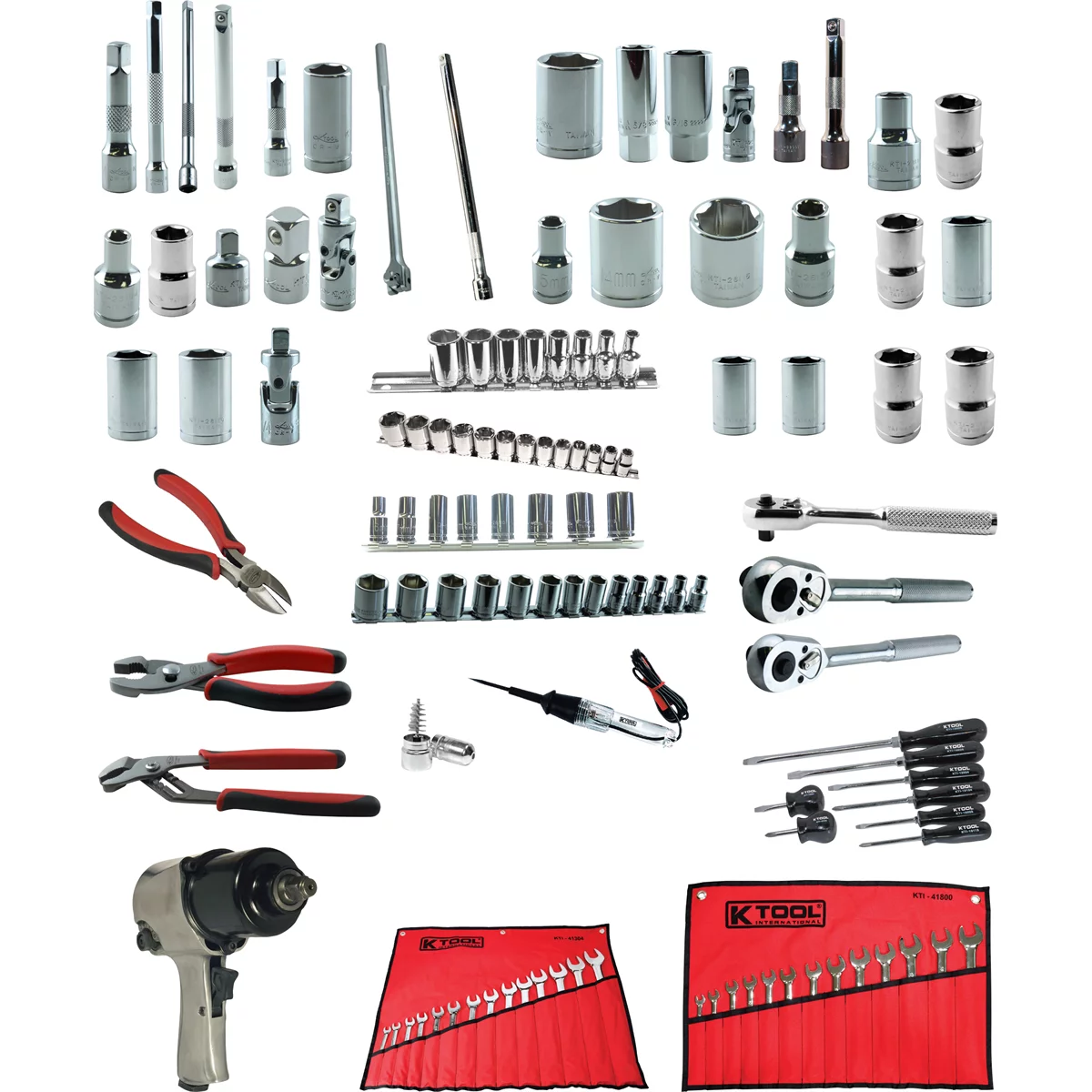
K Tool VoTech II Automotive Tool Kit 50-Piece Set
Mfg: K Tool International
Part #: VOTECH2
Frequently Asked Questions
How much more does it cost to daily drive a modified performance car versus a stock commuter?
Expect operating costs to double or triple depending on the modifications and your driving habits. Fuel costs alone can double, while consumables like tires, brakes, and oil changes add thousands annually. Budget an extra $3,000-$7,000 per year for a moderately modified vehicle, more for heavily built platforms.
What’s the most important maintenance item for modified performance engines?
Frequent oil changes with high-quality synthetic oil are non-negotiable. Modified engines generate more heat and stress, breaking down oil faster. Every 3,000-5,000 miles maximum, sooner if you drive hard regularly. Skipping or extending oil changes is the fastest way to destroy a performance engine.
Can you daily drive a high-powered RWD car in winter climates?
It’s possible but requires winter tires, exceptional driving discipline, and realistic expectations. Many owners find it impractical and stressful. If your area sees significant snow and ice, seriously consider whether a RWD performance car makes sense as your only vehicle, or whether you need backup transportation for winter months.
How long do tires last on a modified performance daily driver?
Performance tires typically last 15,000-25,000 miles on a daily-driven modified car, compared to 40,000-60,000 for standard all-season tires. If you regularly put the power down hard, expect the lower end of that range or even less. Staggered fitments and larger wheel sizes increase replacement costs significantly.
Is it better to daily drive a turbocharged or supercharged car?
Both have tradeoffs. Turbocharged engines typically offer better fuel economy during light-throttle driving but require careful heat management and oil cooling. Supercharged engines provide more consistent power delivery but generally consume more fuel at all times. Reliability depends more on build quality and maintenance than forced induction type.
What should I look for in a modified car to make it reliable for daily driving?
Prioritize quality over power—professional tuning, forged internals if built, upgraded cooling systems, and a platform with strong reliability reputation. Avoid cars with poorly documented modification history, multiple owners, or evidence of hard track use. A well-built moderate-power car will be more reliable than a sketchy high-power build.
Recommended Tools for Performance Maintenance
Keeping a modified performance car reliable requires specialized tools and equipment beyond what most home mechanics own. Whether you’re performing frequent oil changes, upgrading cooling systems, or diagnosing issues that arise from custom tuning, having access to the right tools makes maintenance faster and more accurate. Check out our Automotive Specialty Tools selection for equipment designed to handle modified engines and performance work.
- Professional-grade diagnostic and measurement tools for modified engines
- Specialized equipment for cooling system upgrades and heat management
- Tools for high-performance oil changes and fluid work on built motors

The Toolsource Technical Team blends decades of real-world automotive service experience with up-to-date technical research. Our writers collaborate with professional mechanics, shop owners, and diagnostic specialists to deliver practical, workshop-ready guidance you can trust.


Follow us on social media