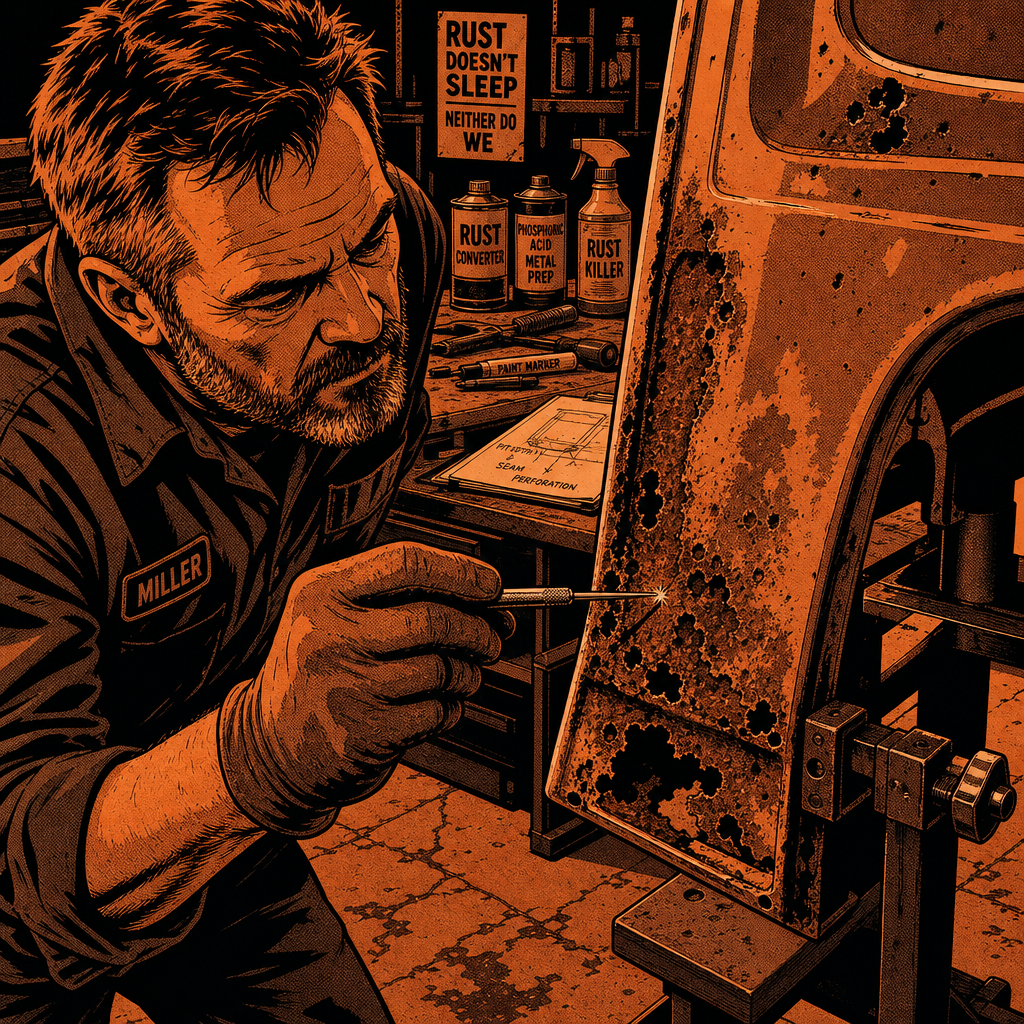
Rust repair is one of those jobs where the difference between a shop and a hack has nothing to do with the tools on the bench and everything to do with what happens before the welder is even turned on. A clean-looking patch panel over rust that wasn’t fully cut out will bubble again within a season or two, while a rougher-looking repair on completely clean metal, properly sealed, can outlast the rest of the car. This guide covers the practical sequence experienced body techs and serious DIYers actually follow: assessing the damage, sourcing or fabricating panels, welding thin sheet metal without warping it, and rustproofing the repair afterward so the work holds.
Assess the Damage Before You Cut Anything
Surface rust and structural rust-through are two different jobs, and mixing them up is the most common reason repairs fail. Before cutting, probe the affected area with a pick or screwdriver to find the true perimeter of the corrosion — rust undermines metal well past where it’s visible on the surface, especially around seams, wheel arches, rocker panels, and floor pans where moisture sits longest.
A few rules of thumb:
- If a pick sinks through the metal or crumbles it, that section is compromised and needs to be removed, not just sanded and painted over.
- Check the backside of the panel where accessible. Rust often perforates from the inside out, so the visible damage is usually smaller than the actual damage.
- Look at adjacent panels and structural members. Rust that reaches a frame rail, rocker, or floor brace changes this from a cosmetic repair to a structural one, and that’s a different risk calculation.
- Don’t underestimate how far rust travels under seam sealer and undercoating. Strip these back generously before deciding where your cut line goes.
Cut out all of the compromised metal, not just what looks bad from three feet away. Leaving even a small pocket of rust under a new patch guarantees it comes back, and it will be hidden under fresh metal and paint when it does, making the next repair harder.
Source or Fabricate the Right Patch Panels
For common rust spots — rocker panels, quarter panel lowers, floor pans, cab corners on trucks — reproduction patch panels are available for a lot of popular vehicles and are worth buying rather than fabricating from scratch. They save time, match factory contours, and are usually made from the correct gauge steel. For anything custom, oddly shaped, or for a car with no aftermarket support, you’ll be fabricating the panel yourself from sheet stock, which means matching gauge thickness to the original panel (typically 18-20 gauge for exterior body panels) and taking the time to form compound curves rather than forcing flat stock into a curved opening.
A mixed approach is normal and fine: buy the outer skin panel where one exists, fabricate the inner reinforcement or brace pieces yourself since those are rarely reproduced. When fabricating, make cardboard or paper templates first, transfer them to metal, and cut oversized so you can trim to a tight fit rather than coming up short.
Fit is everything here. Panels should sit flush with a consistent gap for welding, not overlapped in a way that traps moisture between layers, and not forced into place under stress, which will show up as distortion once it’s painted.
===FYP-PRODUCT-SEARCH-1===
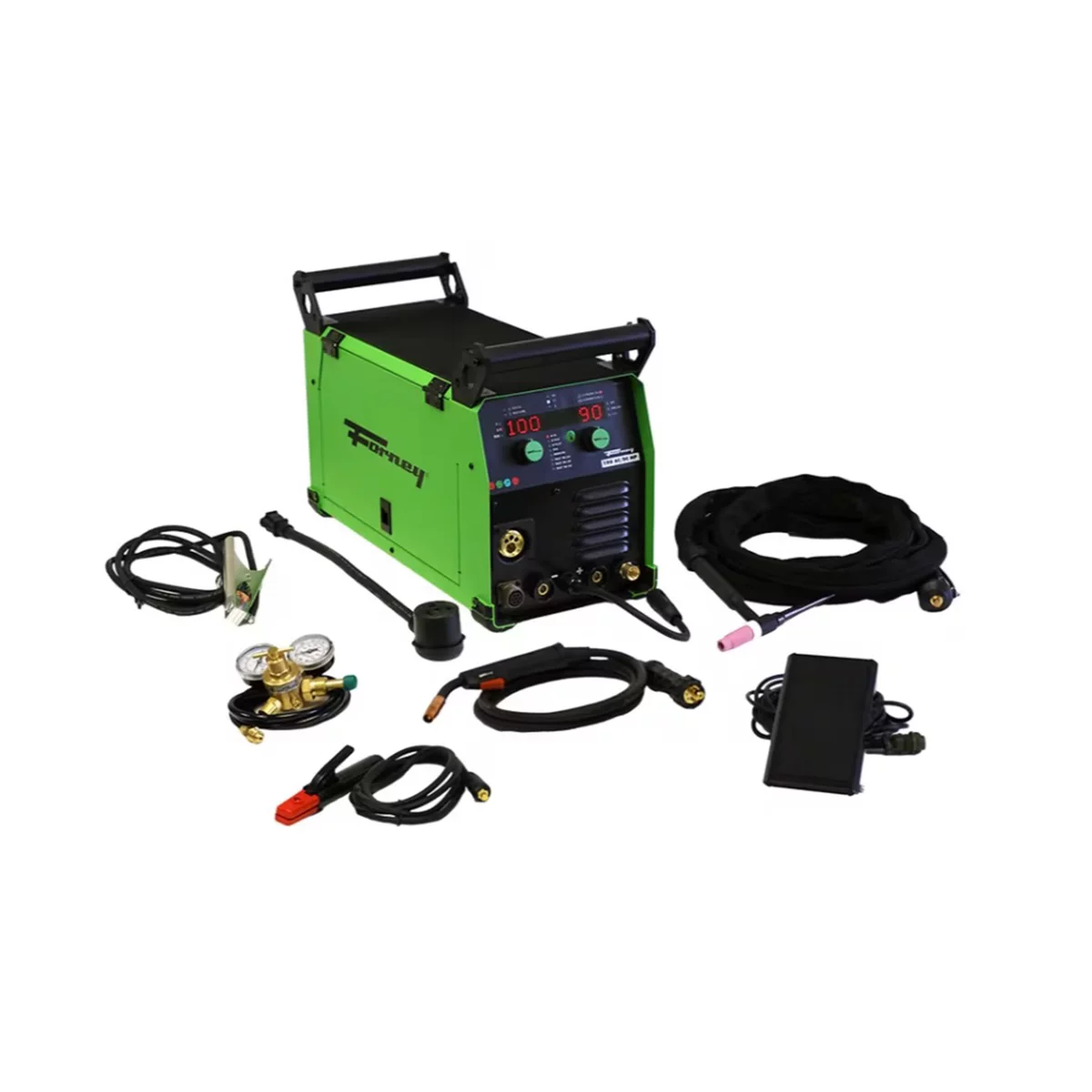
Forney 300 190 AC/DC Multi-Process MIG/TIG/Stick Welder
Mfg: FORNEY INDUSTRIES
Part #: 300
Welding Thin Sheet Metal Without Warping It
Welding auto body sheet metal is a different skill than structural or heavy fabrication welding, even for people with a strong welding background. Thin gauge steel moves and warps easily from heat, and the tight spaces, awkward angles, and poor lighting typical of rust repair make it harder than it looks on a flat bench.
Practical technique points:
- Use a MIG welder set for thin gauge steel. Too much heat blows through the panel or causes visible warping on the finished side.
- Tack weld, don’t run long beads. Place tacks around the perimeter of the panel, skipping around to different sections rather than working in one continuous line, so heat has time to dissipate between welds.
- Leave a small gap between the patch and the original metal before welding — a slight gap actually helps control heat and shrinkage compared to a perfectly tight butt joint.
- Cool between tacks. A damp rag or a quick blast of compressed air on the weld area keeps the surrounding metal from building up enough heat to distort.
- Grind welds flush carefully. Take light passes and check panel straightness frequently rather than grinding aggressively in one go, which can thin the metal and reintroduce distortion.
Working in cramped panel gaps, in poor light, at odd angles, is normal for this kind of repair and is the main reason it takes longer than people expect on a first attempt. Slowing down and doing more, shorter tacks beats trying to power through with fewer, longer welds.
Seal and Rustproof the Repair Before Paint
This step is where a lot of otherwise solid repairs get undone. Bare, freshly welded metal is more vulnerable to rust than the original factory-coated panel was, so treating it correctly before and after paint matters as much as the welding itself.
- Treat surface rust on adjacent original metal with a rust converter or stabilizer product before priming, especially in areas you can’t fully strip to bare metal.
- Seal seams where the new panel meets the original with seam sealer, matching the factory application method so water doesn’t find a path behind the repair.
- Coat inner cavities — rocker interiors, door bottoms, structural box sections — with a cavity wax product after the repair is painted. This is easy to skip because it’s invisible, but it’s one of the most effective ways to slow future corrosion in the exact areas that rusted the first time.
- Be selective with underbody coatings. Undercoating that doesn’t adhere properly traps moisture against the metal and accelerates rust rather than preventing it. A rubberized or paintable body schutz-style coating that bonds well is a safer choice for rocker and underbody areas than a cheap spray-on undercoat, and it also helps resist rock chips.
The specific product brand matters less than the application: full coverage, into seams and cavities, on clean and properly primed metal.
Common Mistakes That Bring Rust Back
Most repeat rust failures trace back to a handful of avoidable errors: cutting out only the visibly bad metal and leaving hidden rust under the patch, welding directly over paint or seam sealer instead of clean bare metal, skipping cavity wax and seam sealer because the repair “looks done” once it’s painted, and using an undercoating product that doesn’t bond well and ends up holding moisture against the panel instead of shedding it. None of these show up immediately — they show up twelve to twenty-four months later, which is exactly why they’re easy to overlook the first time through.
Quick Checklist
- Probe and mark the full extent of rust, not just the visible surface damage
- Cut back to clean, solid metal on all sides
- Match patch panel gauge and form to the original contour
- Tack weld in short sections, cooling between tacks to control warping
- Seal seams and treat any remaining surface rust before priming
- Apply cavity wax to enclosed sections and a bonded underbody coating where needed
===FYP-PRODUCT-SEARCH-2===
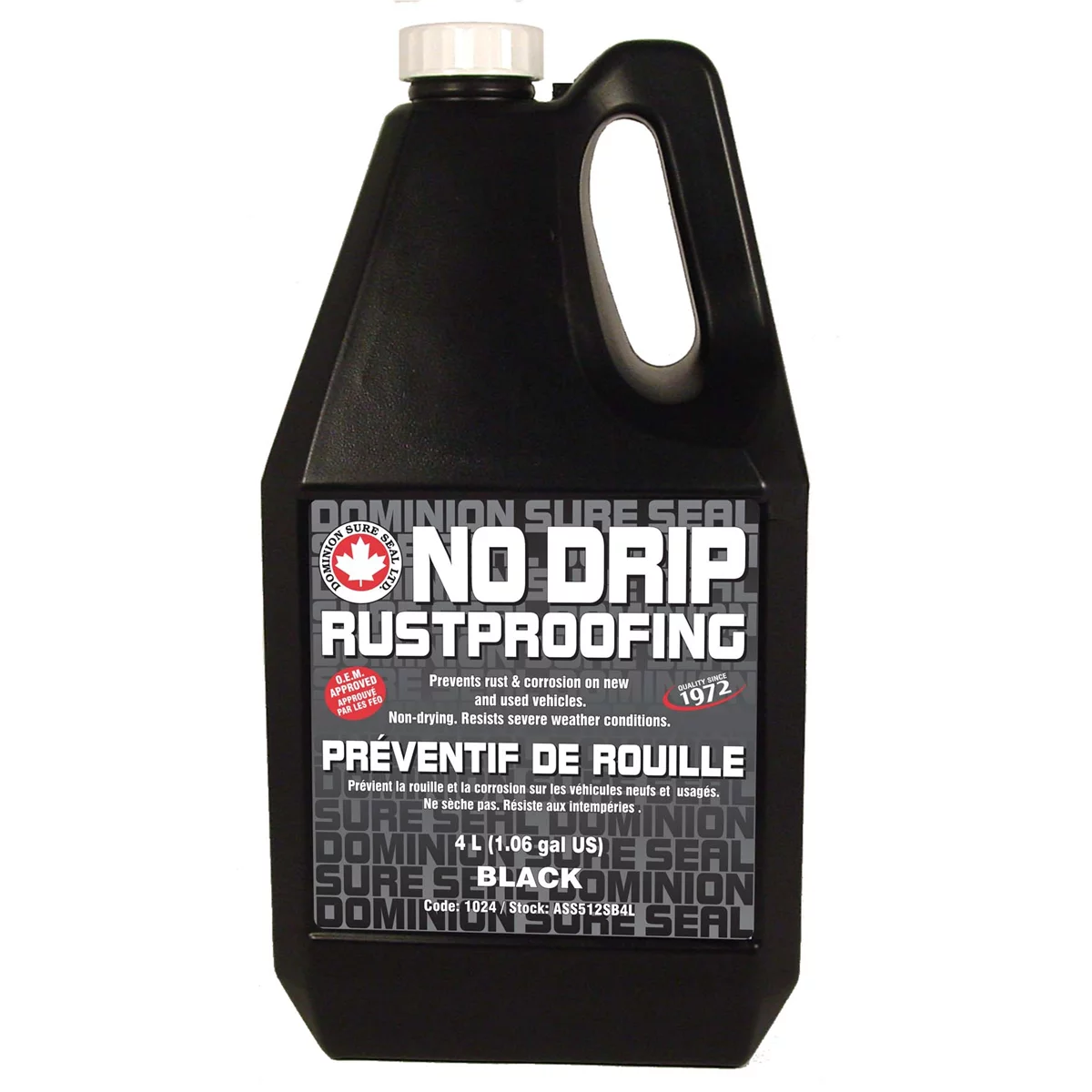
ASS512SB4L No Drip Rust Proofing, 4 L Jug, Black, Liquid
Mfg: Dominion Sure Seal
Part #: ASS512SB4L
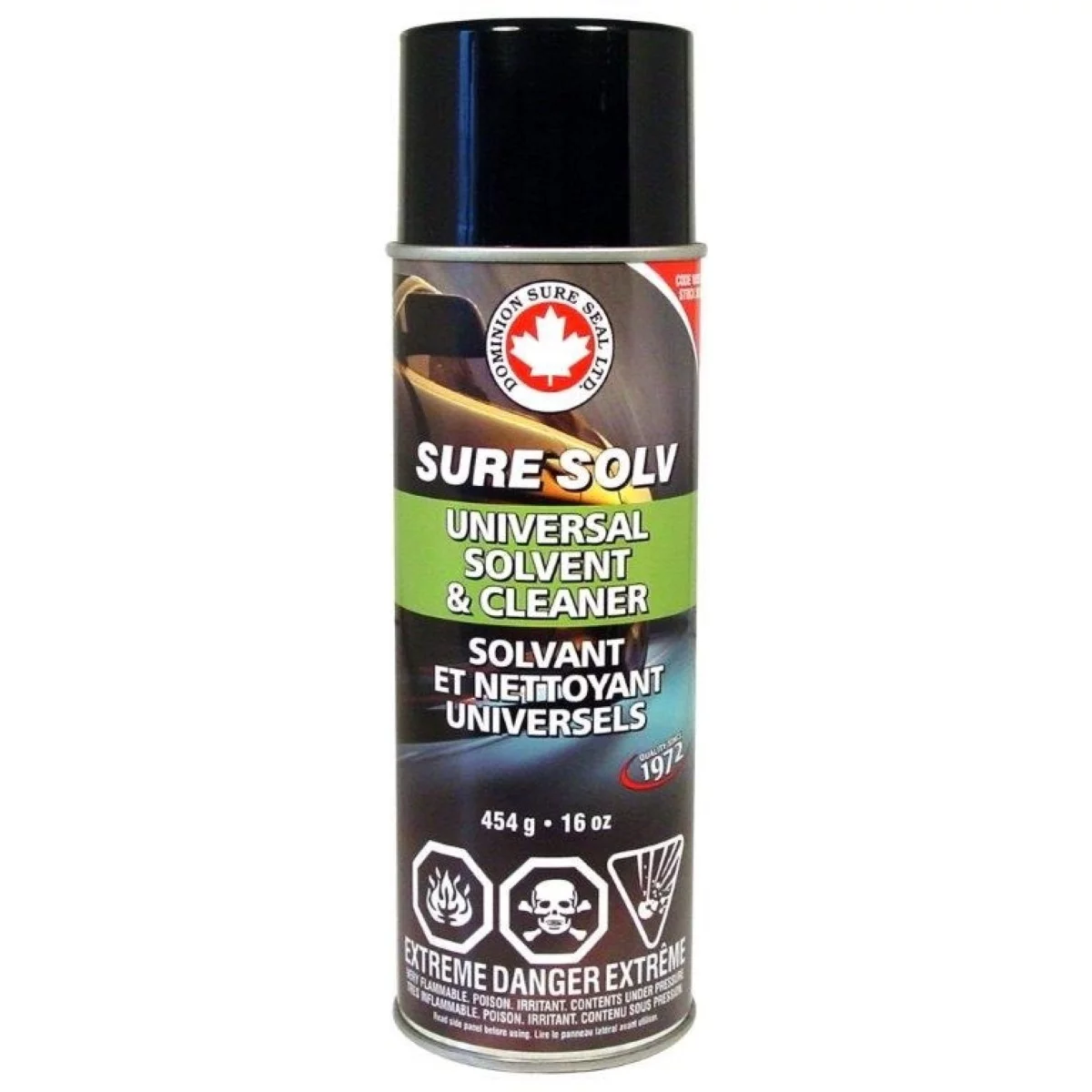
10050 Universal Solvent and Cleaner, 454 g Spray, Aerosol
Mfg: Dominion Sure Seal
Part #: SUS
FAQs
Is it okay to weld over surface rust if it’s not perforated yet?
No. Even light surface rust on the weld area contaminates the joint and gets sealed in, where it continues to spread. Grind back to bare, shiny metal before welding.
Should I buy a patch panel or fabricate one?
Buy one if a correct reproduction panel exists for your vehicle and repair area — it saves time and matches factory contours. Fabricate for custom shapes, inner reinforcement pieces, or vehicles without aftermarket support.
What welder settings should I use for auto body sheet metal?
Settings vary by machine and wire diameter, but the general goal is the lowest heat and wire speed that still gives good penetration, paired with short tack welds rather than continuous beads, to limit heat buildup and warping.
Do I need to treat the backside of a patch panel, not just the visible side?
Yes. The backside is often harder to reach after the panel is welded in, so treat and seal it before final installation wherever possible, and use cavity wax afterward for enclosed sections.
Is undercoating always a good idea after a rust repair?
Not automatically. Undercoating that doesn’t adhere properly traps moisture against the panel and can make corrosion worse. A properly bonded rubberized coating or body schutz-style product is safer than a generic spray-on undercoat.
How do I know if a rust repair is beyond a DIY patch job?
If the corrosion has reached structural members like frame rails, rocker reinforcements, or suspension mounting points, treat it as a structural repair and get it evaluated before deciding whether a patch panel is sufficient.
Tools & Materials for Rust Repair
A solid rust repair depends on the right tools and materials at each stage. Browse our Paint & Body selection for welding equipment, primers, sealers, cavity wax, and underbody coatings.
- MIG welders and accessories for thin gauge sheet metal
- Primers and surface preparation products
- Cavity wax, seam sealers, and corrosion protection coatings

The Toolsource Technical Team blends decades of real-world automotive service experience with up-to-date technical research. Our writers collaborate with professional mechanics, shop owners, and diagnostic specialists to deliver practical, workshop-ready guidance you can trust.


Follow us on social media