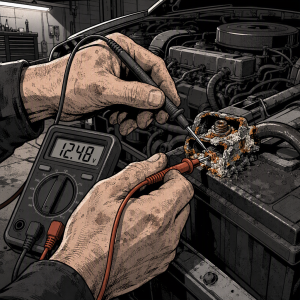
Chasing Intermittent Electrical Gremlins: A Technician’s Diagnostic Workflow
Intermittent electrical faults are some of the most time-consuming comebacks in the shop. This guide walks through a repeatable diagnostic workflow—confirming the complaint, checking basics, isolating circuits, and wire tracing—so you spend less time chasing ghosts and more time fixing the actual fault.
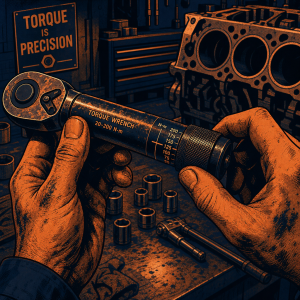
How to Read (and Trust) Your Click-Type Torque Wrench
Misreading a torque wrench scale is one of the most common shop mistakes, and it’s rarely the tech’s fault — cheap collars and worn springs make it worse. Here’s how to read the scale correctly, store your wrench so it stays accurate, and cross-check it without sending it out for calibration.
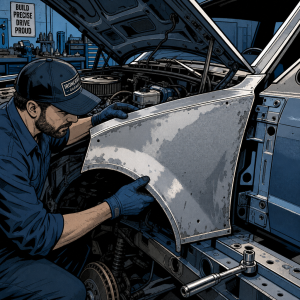
Fender Damage Repair: Why Panel Replacement Beats the Bondo-and-a-Prayer Fix
A damaged fender doesn’t need a mystery repair job from a guy in a parking lot. This guide walks through evaluating panel damage, sourcing a matching used fender through a VIN lookup, and swapping it in correctly — with the tools and steps that keep the job clean.
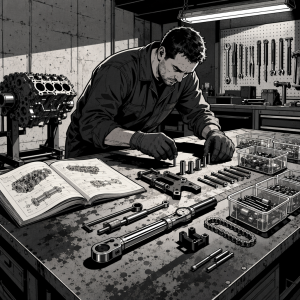
Working on Exotic and JDM Engines: Lift Setup, Special Tools, and Lessons from the Shop Floor
Pulling and rebuilding engines in high-value JDM and European exotics takes more than horsepower knowledge — it takes the right lift setup, specialty timing tools, and a disciplined teardown process. Here’s what independent techs and home-shop owners need to know before taking on that first R34 or 911 Turbo job.
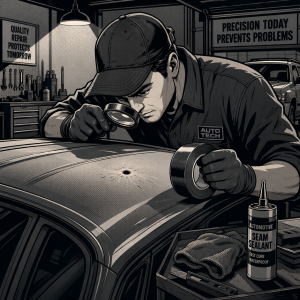
How to Repair Small Roof Punctures: A Technician’s Guide to Paint-Safe Temporary and Permanent Fixes
Small punctures in vehicle roofs—whether from road debris, projectiles, or unknown sources—require careful assessment before repair. While quick fixes are tempting, many common solutions create serious problems for future bodywork, particularly when paint adhesion is involved.
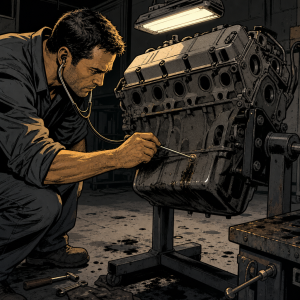
Theta II Engine Knock in Kia/Hyundai 2.4L GDI: A Technician’s Diagnostic Guide
Theta II 2.4L GDI engines in Kia and Hyundai models are notorious for piston slap, oil consumption, and knock sensor codes like P1326. This guide walks technicians through a repeatable diagnostic sequence to separate real bottom-end knock from injector noise and eCVVT failures.
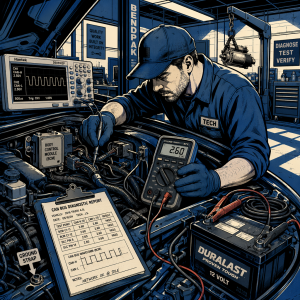
How to Diagnose Complex Electrical No-Start Conditions: A Technician’s Guide
Complex electrical no-start conditions require methodical diagnostic procedures that go beyond parts replacement. This guide walks technicians through systematic testing protocols, common failure points in body control modules, and decision-making strategies when facing intermittent electrical gremlins.
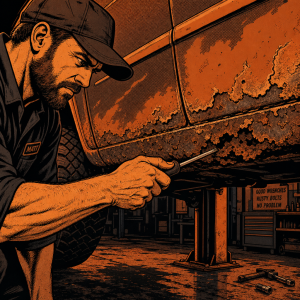
Rusted Rocker Panels: DIY Patch or Body Shop? A Technician’s Repair Guide
Rusted rocker panels aren’t just a cosmetic problem — they’re part of the vehicle’s structural cage and impact protection. This guide walks through assessing rocker rust severity, what DIY repair realistically requires, and when the damage crosses the line into “call a body shop” territory.
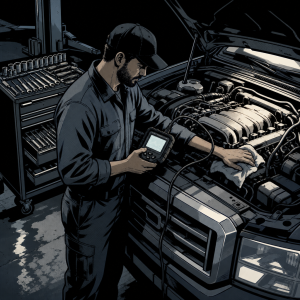
Flat Rate, Percentage of Door Rate, or Hourly? A Technician’s Guide to Understanding Shop Pay Structures
Pay debates among technicians usually boil down to confusion over flat rate math, labor rate percentages, and gross vs. net profit. This guide breaks down how shop compensation actually works and how to build a case for better pay.
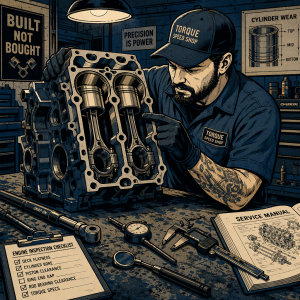
Can You Daily Drive a Modified Performance Car? What Technicians Need to Know
Technicians regularly see enthusiasts struggle when dailying modified performance vehicles. The reality isn’t about whether you can—it’s about understanding the maintenance burden, fuel costs, and discipline required to make it work without grenading your investment or wrapping it around a pole.


Follow us on social media