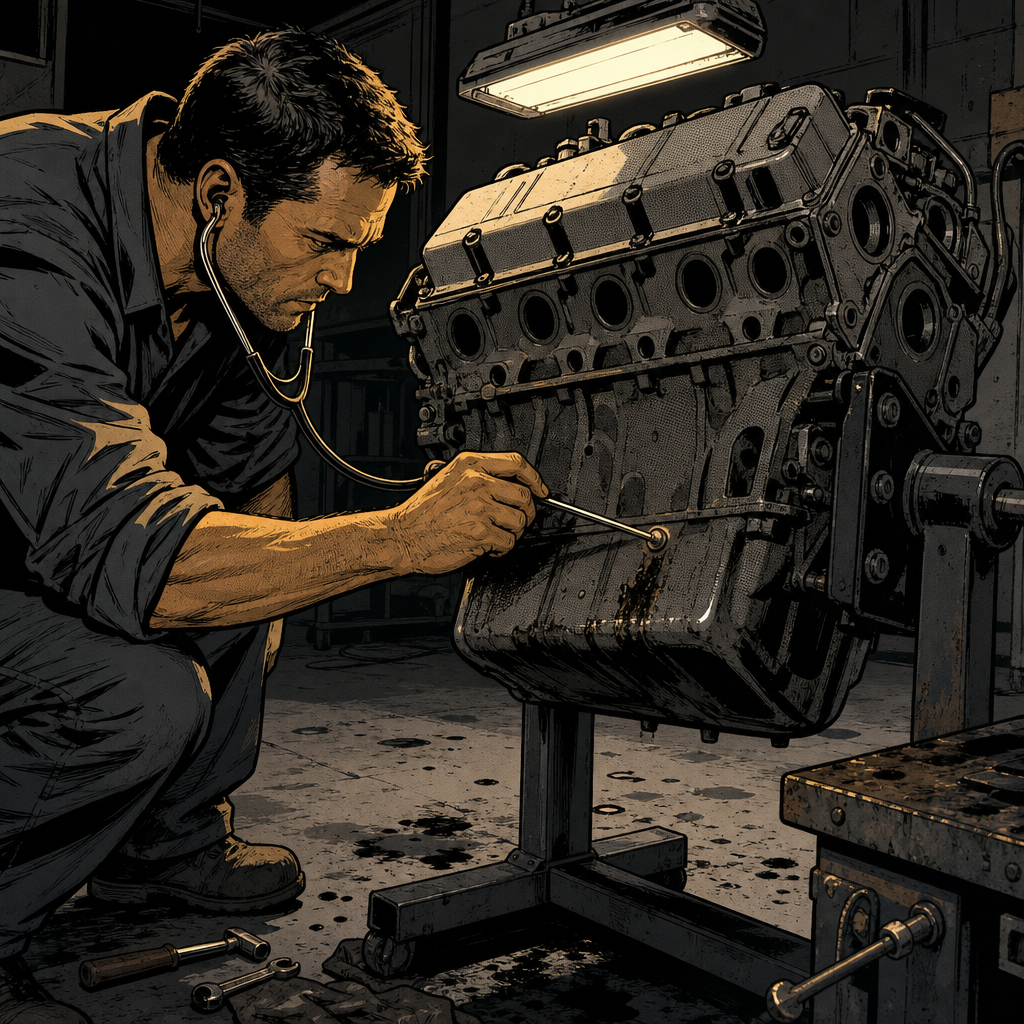
The Theta II 2.4L GDI engine found across a wide range of Kia and Hyundai models has earned a reputation in service bays for developing internal knock, excessive oil consumption, and a handful of related failure codes well before the engine reaches high mileage. Owners often report the same pattern: a knock sensor code shows up, the vehicle goes into limp mode, and a warranty claim that should be straightforward turns into a drawn-out dispute. For technicians, the real work is separating genuine rotating-assembly failure from noises and codes that mimic it, so the shop isn’t recommending a $6,000 engine replacement when the actual fix is a lot cheaper — or confirming with confidence when it truly is time for a new short block.
Why the Theta II 2.4L Develops Knock and Piston Slap
The core issue with this engine family traces back to machining debris left in the crankshaft oil galleys during production, which restricts oil flow to the connecting rod bearings. Starved bearings wear prematurely, clearances open up, and the result is audible knock — most noticeable on cold start and under load. This isn’t a fringe complaint; it’s well documented enough that it drove multiple recalls and a class-action settlement covering various model years. Age and mileage aren’t reliable predictors either. Technicians have seen bearing failure on vehicles with under 40,000 miles alongside others that make it past 150,000 miles without issue, so mileage alone should never be used to rule the problem in or out.
Because bearing wear and oil starvation go hand in hand, oil consumption is frequently part of the picture. A car that’s burning a quart every 1,000-2,000 miles combined with an intermittent knock on cold start is a strong candidate for internal bottom-end wear, not a simple sensor or gasket fix.
Step One: Confirm the Fault Code Before You Touch a Wrench
Before any teardown, pull codes with a capable scan tool and don’t stop at the first hit. The knock sensor code P1326 (or P1327/P1328 depending on bank and model year) is common on this platform, but that code alone doesn’t confirm a mechanical failure — it just means the ECM detected a knock signal frequency it didn’t expect and pulled timing or limited power in response. Check freeze frame data for the conditions present when the code set: engine temperature, load, and RPM. A code that sets consistently on cold start under light load points toward mechanical knock. A code that only sets under high load or during aggressive acceleration can sometimes be injector or valvetrain noise being misread by the sensor, though this is less common than genuine bearing wear.
Also check for related codes stored alongside the knock code — a coolant temperature sensor fault or an overheat-related code logged shortly before the knock code appeared is worth noting, since overheating events can accelerate bearing damage on an engine that was already marginal.
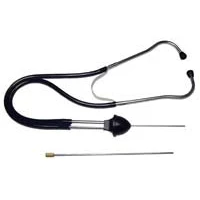
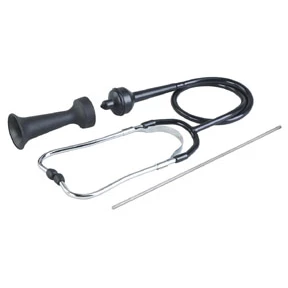
Mechanic's Stethoscope Precision Noise Detection Tool
Mfg: S & G Tool Aid
Part #: 32000
Product spotlight
[[PRODUCT_SEARCH: mechanic’s stethoscope engine noise diagnostic tool]]
Distinguishing Piston Slap from GDI Injector Noise
This is where experience and the right tools matter most, because the two noises are easy to confuse over the phone or in a quick test drive. GDI injectors are mechanically noisier than port injectors by design — the high-pressure pump and injector solenoids produce a distinct clicking or ticking that’s most audible at idle and tends to be fairly consistent regardless of engine temperature. Piston slap and rod knock, by contrast, are typically loudest cold and quiet down (though don’t fully disappear) as the engine warms and oil viscosity changes. Rod knock in particular has a deeper, more metallic double-knock character that changes pitch with RPM under load, whereas injector ticking stays relatively steady.
Use a mechanic’s stethoscope or a long screwdriver against the block near each cylinder to localize the sound. Injector noise will be sharpest right at the injector body or fuel rail. Bearing knock transmits through the block and is harder to pinpoint to one exact spot, often sounding louder from the oil pan side. If you have access to a lab scope, a current ramp test on the injectors can rule them in or out definitively before you commit to a bottom-end diagnosis.
Checking for eCVVT Solenoid Failure on Gen 2 Theta Engines
Second-generation Theta II engines (the GDI variant with electric continuously variable valve timing) have their own known failure point separate from bearing knock: the eCVVT oil temperature sensor and its wiring can fail, particularly in cold weather, and this has been linked to stalling and rough running complaints. If a customer reports a stumble or stall on a cold morning along with — or instead of — a knock noise, check for CVVT-related codes (P0011, P0012, P0014 and similar) before assuming the knock sensor code is the whole story. A failed eCVVT sensor or connector is a far cheaper repair than an engine, so it’s worth ruling out any time you see cold-weather driveability complaints on these engines.
Running an Oil Consumption Test
If knock is present and you suspect bearing wear, document oil consumption as part of your case file — this matters both for your own diagnosis and for any warranty claim the owner may file. The standard procedure: fill to the proper level, reset at a documented mileage, and have the customer check and log the level every 1,000 miles without topping off in between, noting exact quarts added at each interval. Kia and Hyundai’s own consumption test protocols typically flag anything consuming a quart within 1,200 miles as abnormal. Combine this data with the knock symptom and cold-start behavior when writing up the repair order — vague notes like “customer states knocking noise” are far weaker than “cold knock present at start, disappears at operating temp, 1 qt oil consumed per 1,500 miles, P1326 stored with freeze frame at 45°F coolant temp.”
Quick Diagnostic Checklist
- Pull all codes and record freeze frame data (temp, load, RPM) — don’t stop at the first knock code
- Road test cold and note whether noise is present at startup and fades with temperature
- Localize noise with a stethoscope: injector body/rail vs. lower block/pan area
- Check for eCVVT-related codes (P0011/P0012/P0014) if there’s a cold-stall or rough-idle complaint
- Start or review an oil consumption log if consumption is suspected
- Cross-check VIN against active recalls and any class-action settlement coverage before quoting repair costs
Documentation and Warranty Considerations
Given how often these engines end up in warranty disputes, thorough documentation protects both the shop and the customer. Photograph any visible metal in the oil, save old oil filters if bearing material is suspected, and keep printed freeze frame data with the repair order. If the vehicle is inside its powertrain warranty period or covered by a recall/settlement extension, note that up front — some owners have been told a “150,000-mile warranty” only to have the claim denied on a technicality, and a well-documented diagnosis from an independent shop can matter if the dispute escalates. Encourage customers to keep every service record and oil top-off receipt; it’s the difference between a quick warranty approval and a drawn-out fight.
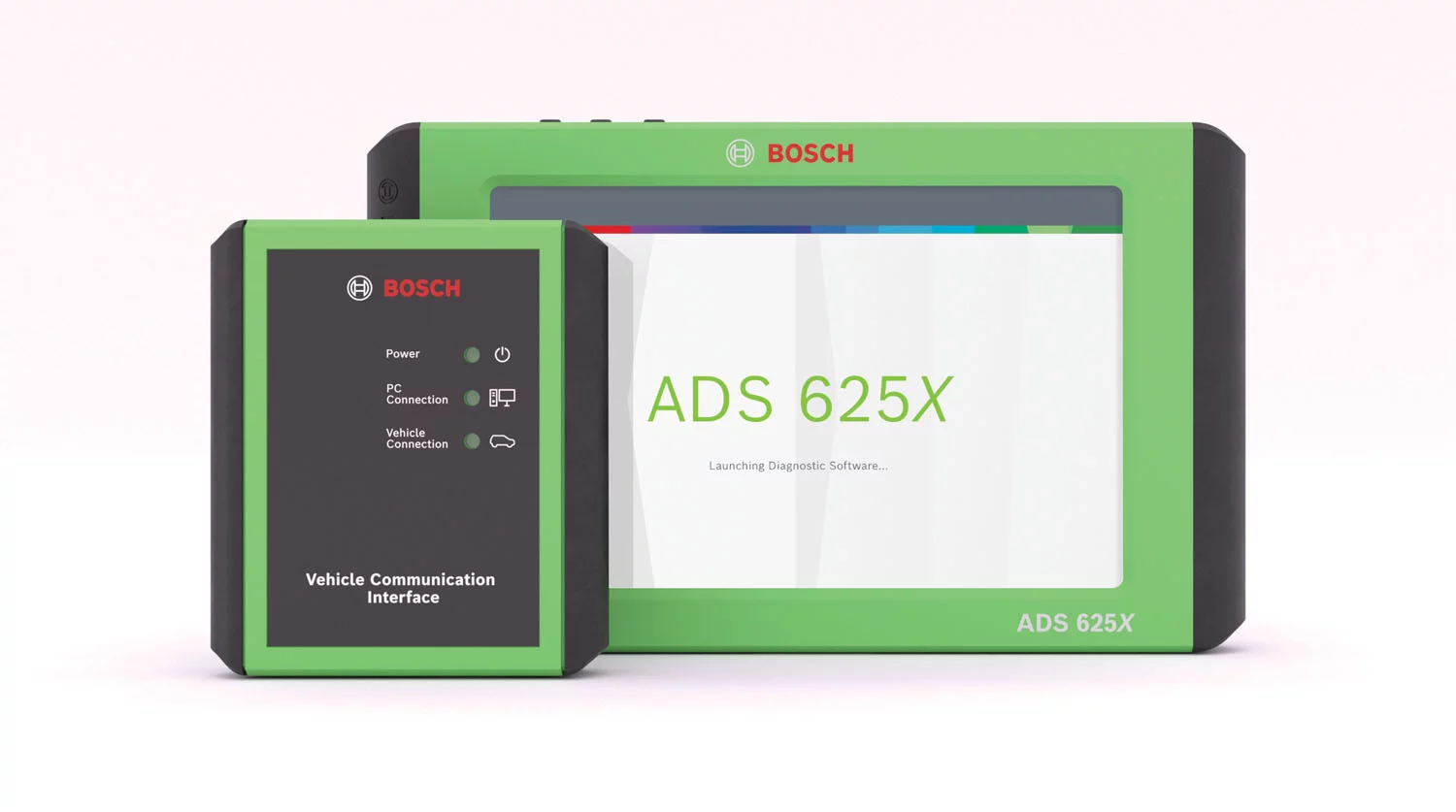
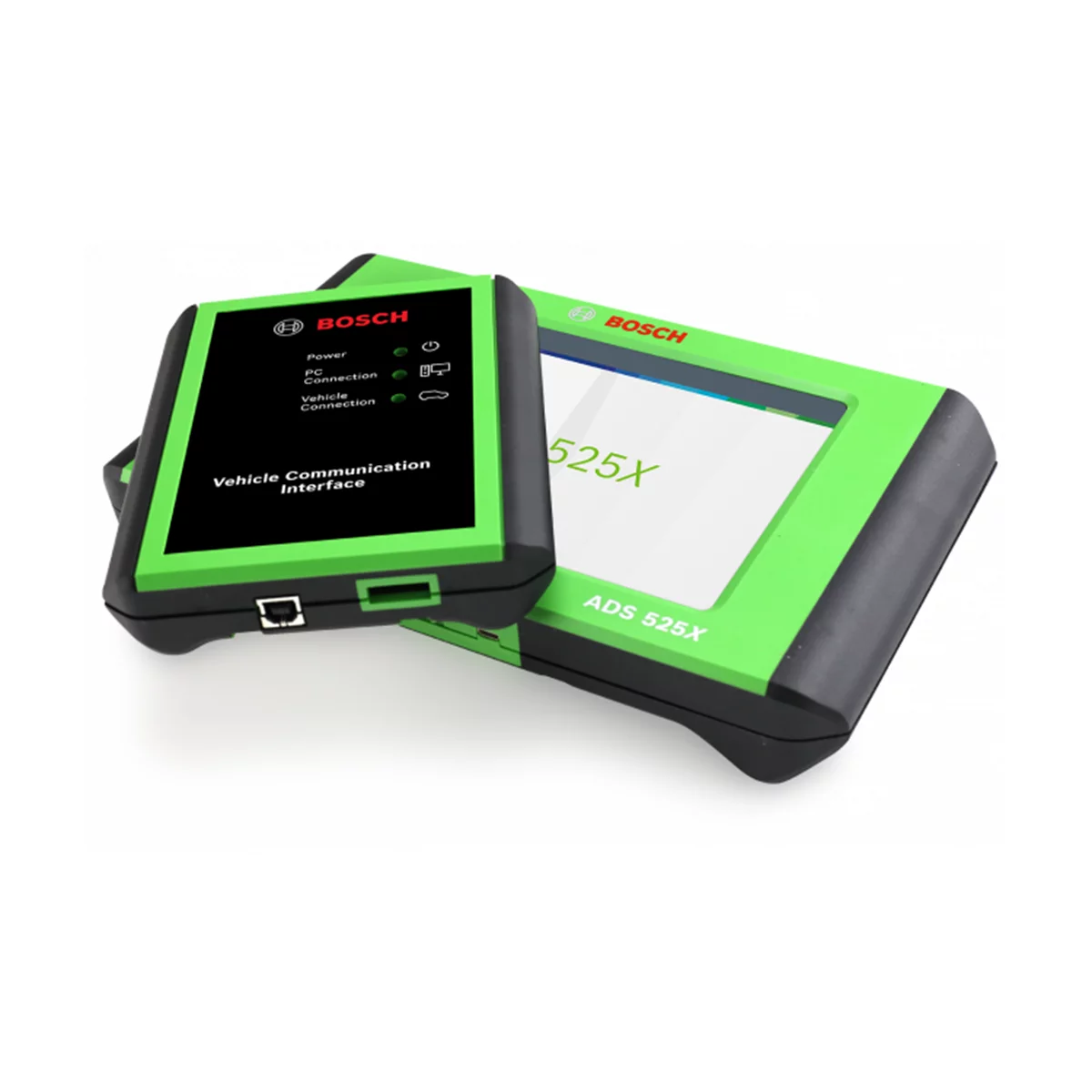
[[PRODUCT_SEARCH: engine diagnostic scan tools]]
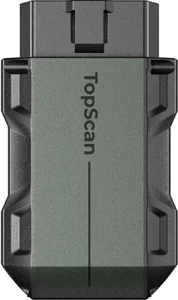
Pocket-Size Bluetooth Scan Tool w/Bi-Directional Controls
Mfg: TOPDON
Part #: TOPSCANPRO
FAQs
Is every knocking noise from a Theta II engine a sign of bearing failure?
No. GDI injector ticking, valvetrain noise, and even accessory belt or pulley wear can mimic knock. Always localize the noise and check freeze frame data before assuming a bottom-end failure.
What does the P1326 code actually mean?
It indicates the ECM’s knock sensor circuit detected a signal outside expected parameters, prompting timing retard or reduced power. It’s a symptom code, not a direct diagnosis of mechanical damage — further inspection is required.
How much oil consumption is considered abnormal on these engines?
Manufacturer consumption tests generally flag a quart used within roughly 1,200 miles as abnormal, though this can vary by model year and should be confirmed against the applicable service bulletin.
Can an eCVVT failure cause a knock-like symptom?
It’s more commonly associated with stalling, rough idle, or cold-start driveability issues rather than a knocking noise, but it should still be ruled out on gen 2 engines any time cold-weather symptoms are reported alongside a knock complaint.
Should a shop recommend a full engine replacement immediately after a knock code appears?
Not without a physical noise localization, oil consumption history, and ideally an oil analysis or filter inspection for metal content. A code alone isn’t sufficient grounds for a bottom-end diagnosis.
What should customers do if their extended warranty denies a knock-related claim?
Keep all diagnostic paperwork, oil consumption logs, and repair orders from an independent inspection. This documentation is often what turns a denied claim into an approved one on appeal or in a dispute.
Diagnostic Tools You’ll Need
Proper knock diagnosis requires quality tools for code reading, noise localization, and data analysis. Explore our Automotive Diagnostic Tools selection for scan tools, stethoscopes, and lab scopes.
- Scan tools for reading knock codes and freeze frame data
- Mechanic’s stethoscopes for pinpointing noise sources
- Lab scopes for electrical diagnostics

The Toolsource Technical Team blends decades of real-world automotive service experience with up-to-date technical research. Our writers collaborate with professional mechanics, shop owners, and diagnostic specialists to deliver practical, workshop-ready guidance you can trust.


Follow us on social media