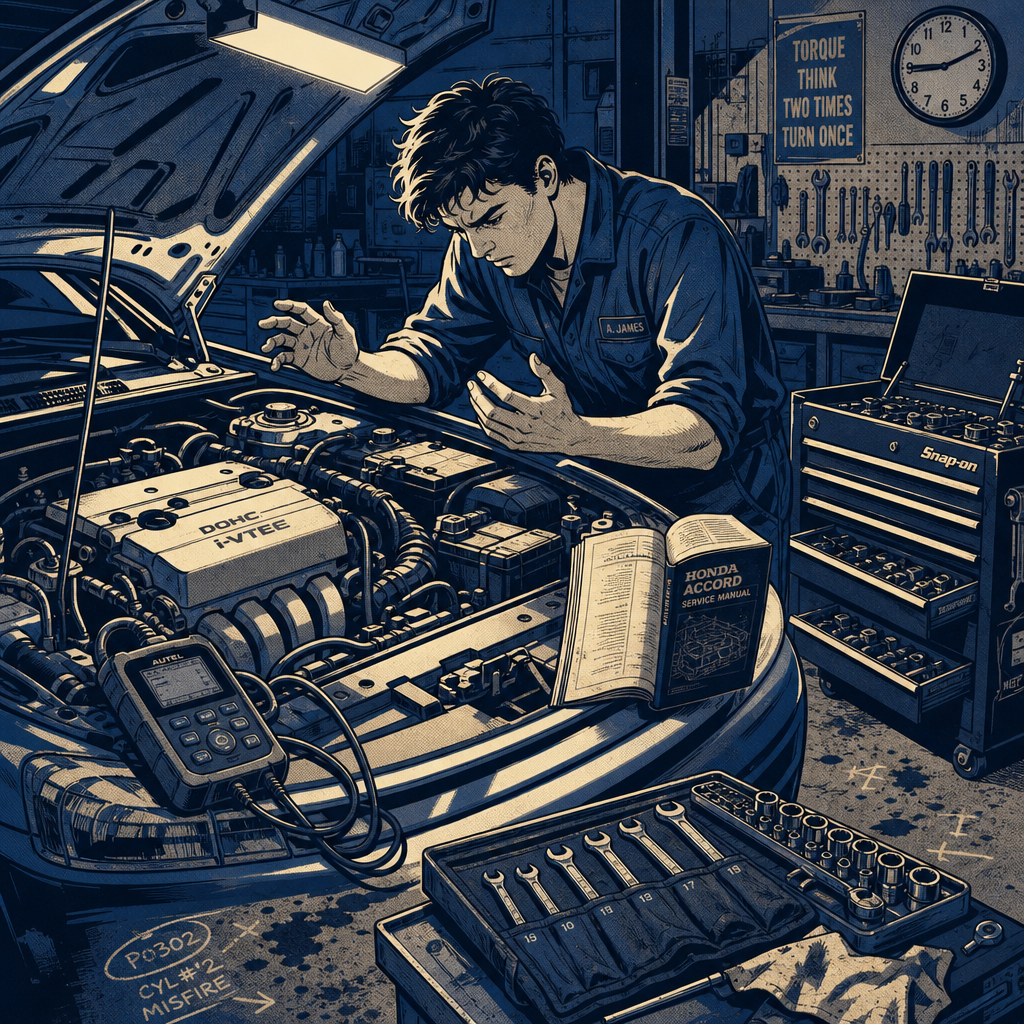
Flat rate pay structures dominate automotive dealerships and many independent shops, promising experienced technicians the ability to earn well beyond standard hourly wages. The pitch sounds compelling: efficient techs who can beat book times pocket the difference, potentially doubling their effective hourly rate. But for technicians early in their careers—especially those under 25 with less than three years of experience—flat rate often becomes a trap that pays them half of minimum wage for their actual time on the clock. Understanding when flat rate works in your favor and when it’s simply transferring the shop’s business risk onto your paycheck is critical to building a sustainable career in automotive repair.
The Real Math Behind Your Flat Rate Paycheck
Most young technicians focus on their stated flat rate—$25, $30, or even $34 per flag hour—without calculating what they’re actually earning per hour worked. This disconnect creates a dangerous illusion of fair compensation. Here’s the calculation that matters: divide your gross pay by your actual hours in the building, not your flagged hours.
Consider a typical scenario for a second-year technician: You’re in the shop from 7:30 AM to 6:00 PM five days per week—that’s 50 hours of your life per week, 100 hours per two-week pay period. If you’re flagging 50-55 hours in that same period at $34/hour, your gross pay hits around $1,700-1,870 before taxes. That sounds reasonable until you do the real math: $1,785 divided by 100 actual hours worked equals $17.85 per hour. After taxes and any benefit deductions, you’re looking at closer to $13.50-15.00 per actual hour worked.
The efficiency ratio tells the whole story. Divide your flagged hours by your actual hours in the building. Experienced technicians running at 125-150% efficiency (flagging 50-60 hours while working 40) make flat rate work beautifully. But if you’re running at 50-60% efficiency—flagging 25-30 hours in a 50-hour work week—you’re subsidizing the dealership’s slow periods with free labor. No other industry expects professionals to show up, be available, and work for free half the time.
Track these numbers weekly. Keep a simple spreadsheet: actual hours worked, hours flagged, gross pay, and calculated hourly rate. If your effective hourly rate stays below $20 for more than a month, the pay structure isn’t working for you—it’s working against you.
Why Experience Level Makes or Breaks Flat Rate Success
Flat rate rewards speed and repetition. Technicians who’ve performed the same brake job, timing belt replacement, or diagnostic routine hundreds of times develop muscle memory and systematic approaches that shave minutes off every job. A 15-year veteran can complete a job paying 2.5 hours in 1.5 hours because they know exactly where every bolt hides, which specialty tool to grab first, and which shortcuts don’t compromise quality.
At 19 years old with 18 months of lube tech experience and less than a year as a full technician, you don’t have that foundation yet. You’re still learning vehicle systems, building diagnostic skills, and figuring out which repairs have hidden complications. Jobs that should take 2 hours regularly stretch to 3.5 or 4 hours as you troubleshoot, research, and occasionally make mistakes that require rework. This isn’t a criticism—it’s the normal learning curve every technician faces.
The problem emerges when shops push inexperienced technicians onto flat rate without adequate mentorship or guarantee provisions. You’re essentially paying for your own education with unpaid hours. A shop truly invested in developing young talent keeps apprentice-level technicians on hourly pay ($18-24/hour depending on market) until they demonstrate consistent 100%+ efficiency over several months. Dealerships that immediately convert new techs to flat rate without guarantees are transferring training costs and business volume risk directly onto the employee.
Most technicians shouldn’t transition to pure flat rate until they can consistently flag 45-50 hours in a 40-hour week. If you can’t hit that benchmark, you need either more training time, a guarantee that protects you during slow periods and while learning, or a different shop entirely.
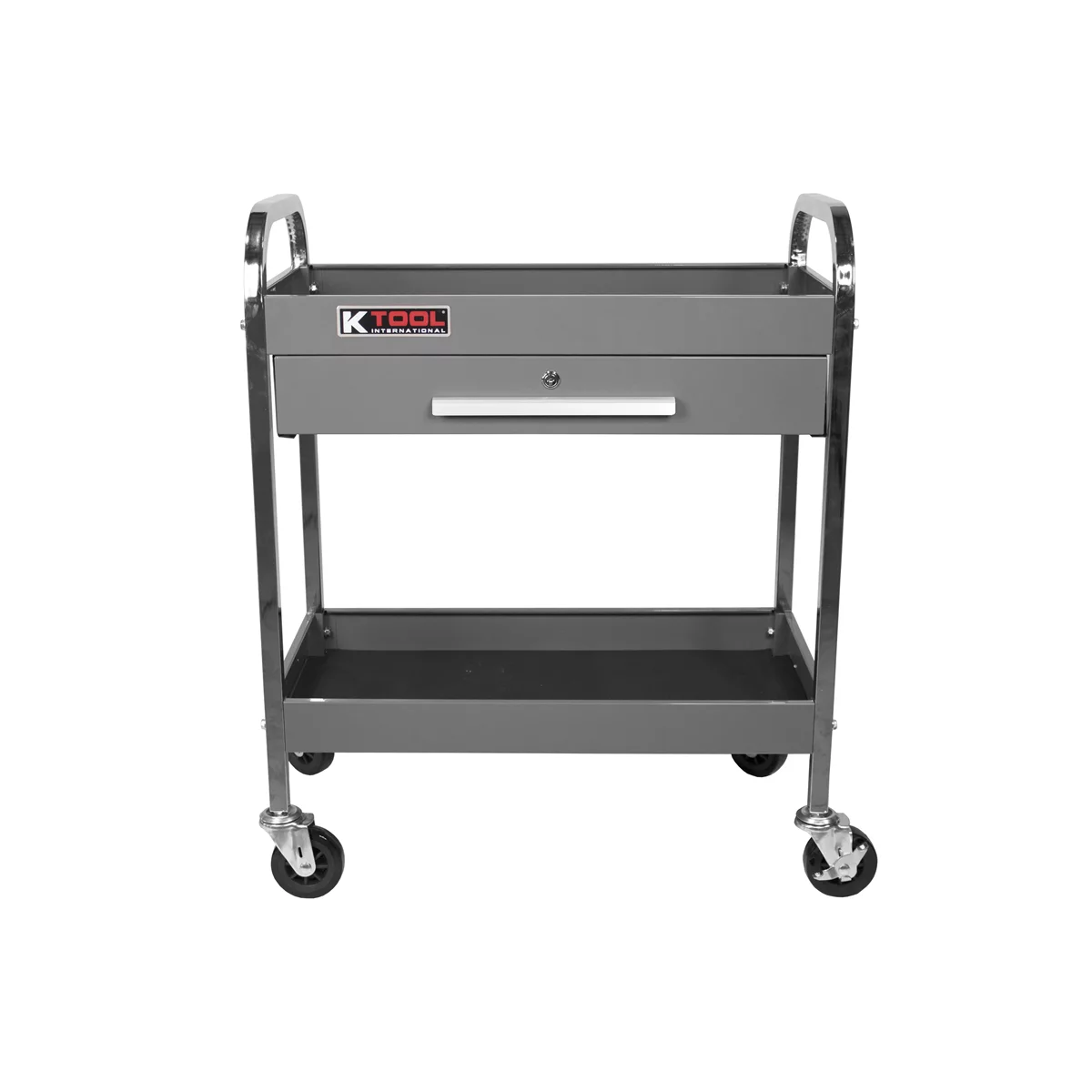
Service Tool Cart Steel 1-Drawer 2-Shelves (Grey)
Mfg: K Tool International
Part #: 75105GY
Guaranteed Hours: The Safety Net You Need to Demand
Smart flat rate agreements include minimum hour guarantees—typically 30-40 hours per week regardless of actual flags. This protects technicians during seasonal slowdowns, training periods, and when the service advisors fail to book enough work. It also signals that management views you as a valuable asset worth retaining, not a variable cost to minimize.
Guarantees serve multiple purposes. They ensure you can pay rent during February when service volume drops 40%. They give you permission to take time on complex diagnostics without panicking about your next paycheck. They demonstrate that the shop has sufficient work volume to support flat rate techs—if they’re unwilling to guarantee 30 hours, they’re admitting they don’t have enough work, which means you’ll consistently underperform.
When negotiating a guarantee, aim for 75-80% of a realistic weekly flag target. If the shop expects you to average 45-50 flags per week, request a 35-40 hour guarantee. This protects you from extreme slow periods while still incentivizing efficiency. Ensure the guarantee is written into your employment agreement, not just a verbal promise. Specify whether the guarantee is per week or per pay period, and clarify if there are conditions that void it (excessive absences, refusal of work assignments, etc.).
If your current shop eliminated your guarantee after a few months, that’s a red flag indicating either declining service volume or management trying to shift business risk onto technicians. Neither bodes well for your earnings potential. Experienced techs tolerate guarantee removal only when they’re consistently exceeding it by 20+ hours weekly—if you’re still depending on it, losing it will devastate your income.
Diagnostic Hours and Unpaid Shop Time: The Hidden Wage Theft
Flat rate creates perverse incentives around diagnostic work and shop maintenance tasks. Diagnostics—especially electrical, intermittent, and drivability issues—are time-intensive, mentally demanding, and often pay poorly relative to time invested. A complex electrical fault might consume six hours of your day but only flag 1.5 diagnostic hours if you don’t find additional repair work to recommend.
Many shops compound this by expecting technicians to perform unpaid labor: cleaning bays, organizing parts, attending mandatory meetings, completing online training modules, or waiting around for the next job assignment. Every minute spent on non-flagged activities while you’re on flat rate is free labor donated to the dealership. If you’re in the building 50 hours but only 45 hours have any possibility of flagging (accounting for meetings, cleanup, waiting time), your efficiency calculation should use 45 hours as the denominator, not 50.
Established technicians handle this by refusing non-flagged work or negotiating additional compensation. A tech flagging 60 hours weekly has leverage to say “I’m not cleaning the shop or attending unpaid meetings.” A young tech flagging 25 hours has no such leverage—you need every job assignment offered, and pushing back risks being labeled “not a team player.”
The solution is setting boundaries before accepting flat rate positions. Ask explicitly during interviews: “What non-flagged responsibilities do flat rate techs have? Are team meetings on the clock? Who handles shop cleanup? What happens if I’m assigned a complex diagnostic that takes eight hours but only pays two?” Shops with healthy cultures will have clear answers. Vague responses or expectations that you’ll “pitch in where needed” translate to significant unpaid time.
Document your time meticulously. Note when you arrive, when you leave, and which hours had no flaggable work assigned. If you’re routinely working 10+ hours per week with nothing to flag through no fault of your own, you have grounds to request hourly compensation for that time or to seek employment elsewhere.
When to Walk Away: Red Flags That Scream “Find Another Shop”
Not every shop deserves your labor, and flat rate amplifies the cost of working for the wrong employer. Certain warning signs indicate you’re being exploited rather than compensated fairly:
- Efficiency below 70% for more than two months: If you’re flagging fewer than 35 hours while working 50, either the shop has insufficient volume or you’re being assigned jobs beyond your skill level without support. Either way, your income is suffering unnecessarily.
- Effective hourly rate under $18 after taxes: You can earn this managing retail, working warehouse logistics, or doing entry-level industrial maintenance—all without buying $15,000+ in tools or coming home covered in oil.
- No guarantee after eliminating it: Shops that remove guarantees from techs still building efficiency are prioritizing their bottom line over your financial stability. This rarely improves.
- Consistent unavailability of work: If service advisors can’t keep the shop busy, that’s a business problem being dumped on technicians. You shouldn’t absorb the cost of poor marketing or customer service.
- Pressure to rush quality: Shops that push speed over accuracy create liability for technicians. Comebacks consume unpaid hours fixing your own work, and safety issues can cost you your certification or worse.
- Tool purchase pressure: Dealerships demanding specific tool brands or specialty equipment without reimbursement or tool allowances are extracting even more money from already-struggling paychecks.
Toolboxes have wheels for a reason. The automotive technician shortage means you have options, especially if you’re willing to consider alternatives to traditional dealership flat rate. Industrial maintenance, fleet operations, agricultural equipment, heavy equipment, and even semiconductor manufacturing hire automotive techs at hourly rates ($22-35/hour) with benefits, predictable schedules, and no tool purchase requirements. Many offer 401k matching, full healthcare, paid vacation—benefits almost never provided to dealership flat rate techs.
Before walking out, document everything. Calculate your average weekly efficiency, effective hourly rate, and unpaid hours over the past three months. This data proves you’re making a rational business decision, not an emotional one. It also prepares you to articulate your worth to the next employer: “I was flagging 50 hours biweekly at my last shop, which shows I’m productive, but the work volume wasn’t there to support fair compensation.”
Technician Efficiency Quick-Check
Use this checklist monthly to assess whether your flat rate arrangement is sustainable:
- Calculate actual hours worked (including all time in building) vs. hours flagged
- Divide gross pay by actual hours worked to find true hourly rate
- Compare true hourly rate to local hourly tech positions ($18-28/hour typical range)
- Track weekly efficiency percentage (flagged hours ÷ actual hours × 100)
- Document any unpaid time: meetings, training, waiting for work assignments
- Review guarantee terms and whether you’re consistently exceeding or depending on it
- Count comeback hours (unpaid time fixing previous work) as a percentage of total flags
- Assess month-over-month efficiency trends—improving, stagnant, or declining?
If three or more indicators are negative, initiate conversations with management about hourly conversion or begin exploring other opportunities. Your career is a 40+ year marathon—don’t burn out in the first mile chasing a pay structure that doesn’t match your current experience level.

Frequently Asked Questions
What’s a realistic efficiency percentage for technicians with less than two years of experience?
Entry-level technicians typically run 60-80% efficiency while learning. Expecting 100%+ efficiency from someone with less than two years of experience is unrealistic unless they’re receiving exceptional mentorship and being assigned appropriate jobs. If you’re consistently below 60%, you need more training, better job assignments, or a different pay structure.
Should I accept a flat rate position without a guarantee as a young technician?
Generally, no. Flat rate without guarantees transfers all business risk to you—slow seasons, poor service advisor performance, and your own learning curve all come directly out of your paycheck. Insist on a minimum 30-hour guarantee until you’re consistently flagging 45+ hours weekly for at least three consecutive months. Shops unwilling to provide this don’t have confidence in their own work volume.
How do I calculate whether I’d earn more hourly or flat rate?
Multiply a potential hourly wage by your actual hours worked per week, then compare to your current average weekly gross on flat rate. For example: $22/hour × 50 hours = $1,100/week. If you’re currently flagging 55 hours biweekly at $34/hour, that’s $935/week gross—the hourly position pays better despite the lower rate because you’re compensated for all time worked. Don’t forget to factor in benefits, tool allowances, and paid time off when comparing offers.
What should I do if my shop suddenly eliminated my guarantee?
Request a meeting with your service manager to understand the reasoning. If it’s based on consistently exceeding the guarantee by 15+ hours weekly, that’s reasonable. If it’s due to shop volume declining or management cutting costs, start job hunting immediately while negotiating to restore the guarantee temporarily. Document the change in writing and calculate how it impacts your monthly take-home to make informed decisions.
Is it normal to work 10-11 hour days but only flag 5-6 hours as a new tech?
It’s common but not acceptable as a long-term situation. This happens during the learning curve, on particularly complex jobs, or in shops with poor work distribution. If this pattern continues beyond your first 3-4 months, the shop either lacks sufficient volume to support flat rate techs or is assigning you jobs beyond your current capability without adequate support. Both indicate you should seek hourly employment until you build more experience.
What pay structure do experienced technicians recommend for career longevity?
Many experienced techs advocate for hourly pay with performance bonuses or moving into specialty fields (diesel, heavy equipment, industrial) that typically offer hourly compensation. Flat rate can provide excellent income for highly efficient techs at busy shops, but it creates income volatility, encourages rushing, and provides no compensation for diagnostic expertise or mentoring junior techs. Salary positions with overtime or hourly rates above $30 often provide better work-life balance and retirement planning stability.
Shop Equipment and Supplies for Your Workspace
Working flat rate requires the right tools and a well-organized shop environment. Whether you’re setting up your first toolbox or optimizing your workspace for maximum efficiency, having reliable Shop Equipment and Supplies reduces wasted time and supports consistent performance.
- Work benches, tool storage, and organization systems to streamline your workflow
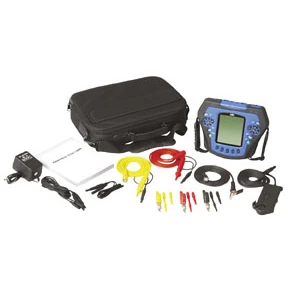
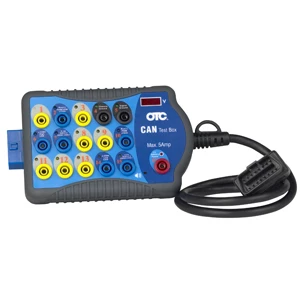
- Diagnostic equipment and bay essentials that support faster, accurate repairs
- Safety gear and shop maintenance items to maintain a professional workspace

The Toolsource Technical Team blends decades of real-world automotive service experience with up-to-date technical research. Our writers collaborate with professional mechanics, shop owners, and diagnostic specialists to deliver practical, workshop-ready guidance you can trust.


Follow us on social media