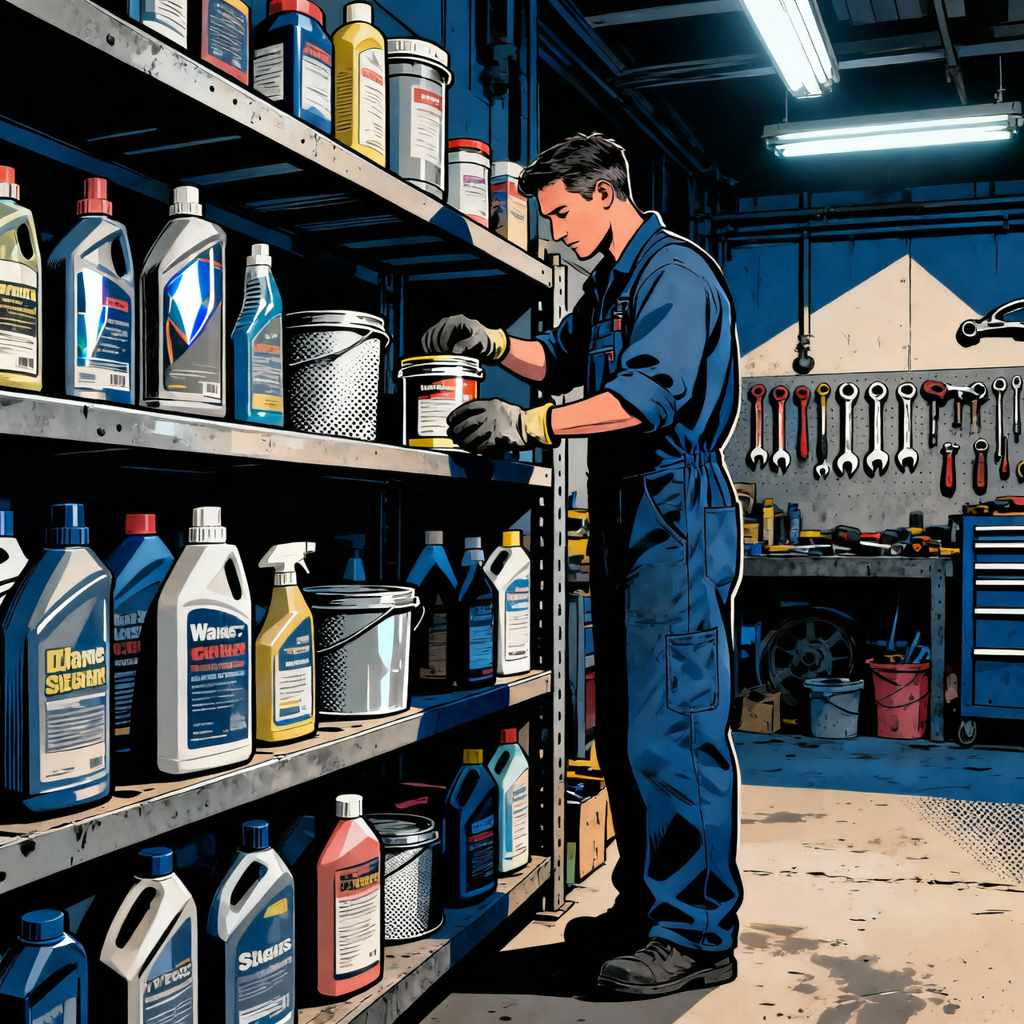
Storing automotive chemicals correctly is crucial to maintaining their effectiveness and safety. Improper storage can lead to product degradation, leaks, and hazardous spills. This guide will walk technicians through best practices for storing their detailing supplies, taking into account various climate factors.
Understanding Chemical Sensitivity to Temperature
Automotive chemicals, including waxes, cleaners, and polishes, are sensitive to temperature changes. Exposure to extreme heat can alter their composition, while freezing conditions can result in physical damage to the packaging or the product itself. Understanding the sensitivity of different products can help you make informed decisions about storage.
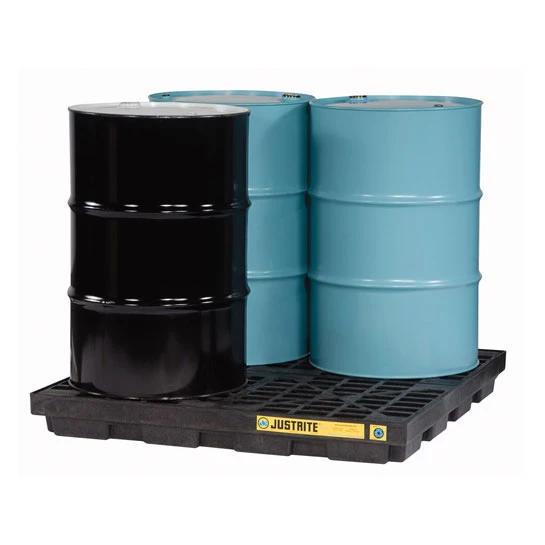

32 Oz. Empty Spray Bottle for W-Dressing - Sprayer Sold Seperate
Mfg: Meguiars
Part #: D9942

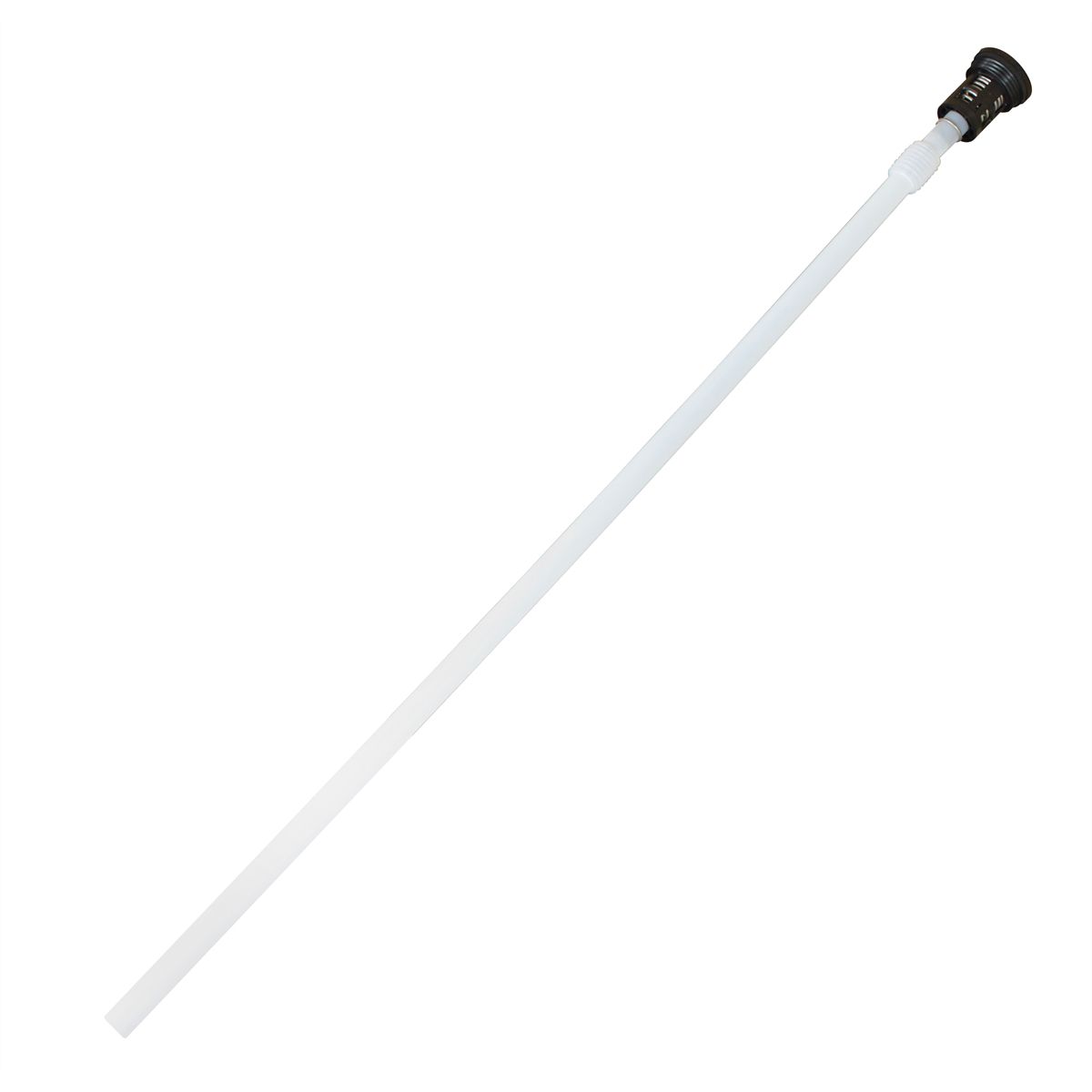
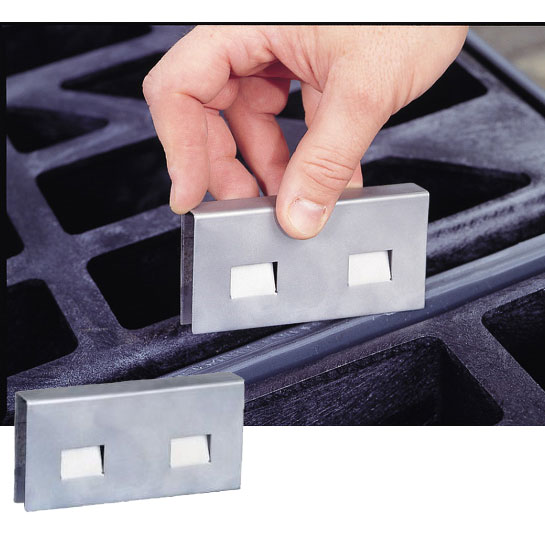
Stainless Steel Joining Clips for EcoPolyBlend Accumulation Cent
Mfg: Justrite
Part #: 28926
Temperature Guidelines for Storage
Most automotive chemicals are best stored in a temperature range of 50°F to 80°F (10°C to 27°C). Here’s how to adapt your storage practices based on climate:
- Cold Climates: In areas with winter temperatures dropping below freezing, it’s advisable to store chemicals indoors. If an unheated garage is your only option, consider using insulated storage solutions to mitigate temperature drops.
- Hot Climates: In regions with high temperatures, keep chemicals in a shaded, temperature-controlled environment. Avoid storing chemicals in direct sunlight or in non-climate-controlled garages.
- Moderate Climates: If temperatures fluctuate moderately, ensure that chemicals aren’t left in places where extreme temperatures can affect their integrity—such as trunks or sheds.
Best Storage Practices for Automotive Chemicals
To protect your investment and ensure the longevity of your automotive chemicals, follow these best practices:
- Seal Containers Properly: Always ensure that lids are tightly sealed to prevent evaporation and contamination.
- Use Shelving Units: Store chemicals on sturdy shelves to keep them off the floor, avoiding potential water exposure in case of spills or leaks.
- Label Everything: Clearly label all containers with their contents and any pertinent safety information. This is critical for quick identification and handling.
- Check for Expiry Dates: Periodically review your chemicals and dispose of any expired products safely.
When to Bring Chemicals Inside
A proactive approach to chemicals, especially during extreme weather, can save time and money. Here are recommendations for when to transition chemicals indoors:
- Bring in all chemicals before the onset of winter, particularly those that could freeze like waxes and sealants.
- In extreme heat months, ensure that anything that might lose effectiveness due to high temperatures is also brought indoors.
Implementing Climate-Specific Solutions
Implementing solutions specific to your climate can improve the integrity of your products:
- Insulated Containers: Consider using an insulated cooler or thermal storage bag for more temperature-sensitive products.
- Indoor Storage Units: If possible, designate a climate-controlled area of your home or garage for the majority of your detailing supplies.
Checklist for Storing Automotive Chemicals
Use the following checklist to ensure proper storage of your automotive chemicals:
- Are all containers tightly sealed?
- Are chemicals stored in a temperature range of 50°F to 80°F?
- Have I labeled each container clearly?
- Are items stored on sturdy shelving?
- Have I reviewed expiration dates?
FAQs
Q: Can I leave my detailing products in an unheated garage?
A: It’s generally safe if temperatures remain above freezing; however, it might be wise to bring them inside if extreme cold is expected.
Q: What happens to products if they freeze?
A: Freezing can cause separation or structural changes in certain products, potentially leading to inefficiency or spoilage.
Q: How can I prevent my products from freezing in winter?
A: Consider storing them indoors or using insulated solutions to keep the temperatures stable.
Q: Is it necessary to bring all chemicals inside after winter?
A: It’s advisable as any residual moisture can cause deterioration when exposed to freezing temperatures.
Q: Are there any products that are more temperature-sensitive than others?
A: Generally, water-based products and those with polymers are more susceptible to temperature changes.
Recommended Tools
For proper storage and handling of automotive chemicals, explore our Shop Equipment and Supplies. You’ll find essential supplies that help maintain the quality and efficacy of your chemicals.
- Storage containers for best practices.
- Labeling equipment for easy identification.
- Shelving units to securely organize your supplies.

The Toolsource Technical Team blends decades of real-world automotive service experience with up-to-date technical research. Our writers collaborate with professional mechanics, shop owners, and diagnostic specialists to deliver practical, workshop-ready guidance you can trust.


Follow us on social media