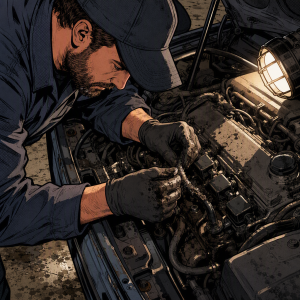
Glowing Spark Plug Wires at Night? Here’s What Corona Discharge Is Telling You
A glowing or arcing spark plug wire isn’t a cool light show — it’s corona discharge, and it means the insulation has broken down. Here’s how to diagnose the cause, replace the wires correctly, and stop it from happening again.
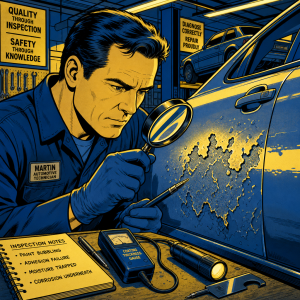
Diagnosing Paint Bubbling and Peeling on Vehicle Doors: A Technician’s Guide
Paint bubbling and peeling on door panels typically indicates previous body repair work that wasn’t properly executed. This guide walks technicians through diagnosing primer failure, identifying hidden collision repairs, and determining whether paint issues stem from factory defects or aftermarket work.
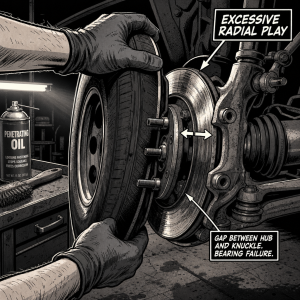
How to Diagnose and Replace a Failed Wheel Bearing Before Catastrophic Failure
A failed wheel bearing isn’t just a noise issue—it’s a safety hazard that can lead to wheel separation and loss of vehicle control. This guide walks technicians through diagnosis, replacement procedures, and the critical warning signs that indicate immediate intervention is required.
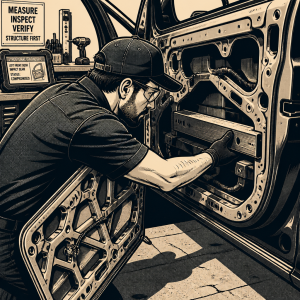
Side-Impact Door Damage: A Body Tech’s Assessment and Repair Checklist
Side-impact “shark bite” damage almost never stops at the door skin. This guide walks technicians through a full diagnostic sequence — door, quarter panel, wheel, pillar, and paint — so nothing gets missed on the estimate or the repair order.
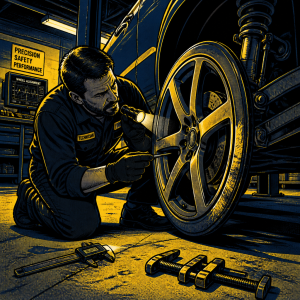
Curb Strike Damage: A Shop Inspection Checklist for Wheels, Rotors, and Suspension
Curb strikes look cosmetic until you get the wheel off. This guide walks technicians through a systematic inspection sequence — from lug torque to rotor scoring to control arm deflection — so nothing gets missed before the car leaves the bay.
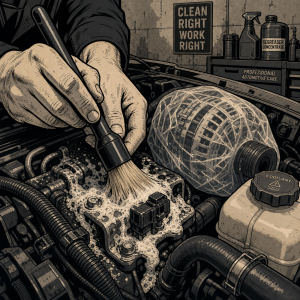
Engine Bay Detailing for Technicians: Safe Degreasing, Dilution Ratios, and Dressing Tips
Engine bay detailing doesn’t have to be a gamble on expensive electronics. This guide covers degreaser dilution ratios, safe pressure washer technique, and how to apply a dressing that actually holds up under heat and road grime.
Why Technicians Buy Their Own Tools: The History Behind Shop Pay Models
The automotive technician pay model has evolved dramatically since the 1975 union strike that changed the industry forever. Understanding why techs buy their own tools—and how compensation structures shifted from 50% of shop labor rates to today’s flat rate systems—reveals both the challenges and potential solutions for modern shop professionals.
How to Vet a Shop Before You Take the Job: A Technician’s Field Guide
Toxic shops don’t announce themselves in the interview — they show up in the first two weeks. Here’s a practical, tech-written checklist for reading the warning signs, negotiating parts and tire policies, and knowing when it’s time to pack up the box.
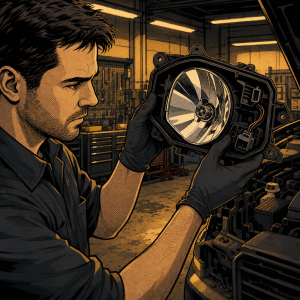
Why Modern Headlights and Taillights Are So Bright — And How to Diagnose Lighting Complaints Correctly
Customer complaints about blinding headlights and pricey tail light repairs are climbing, and much of it traces back to aftermarket LED bulbs stuffed into halogen housings. Here’s a practical, technician-level breakdown of what’s actually happening and how to diagnose it correctly.
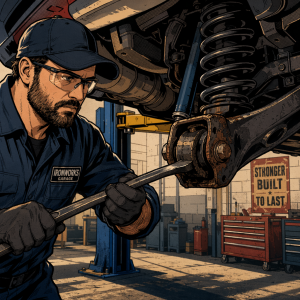
Diagnosing Rear Suspension Failure: When Wheel Bearing and Control Arm Issues Collide
Catastrophic rear suspension failures often present as a combination of failed wheel bearings, compromised control arms, and rust-accelerated component degradation. Understanding the diagnostic sequence and recognizing the warning signs can prevent dangerous roadside breakdowns and guide your repair strategy.


Follow us on social media