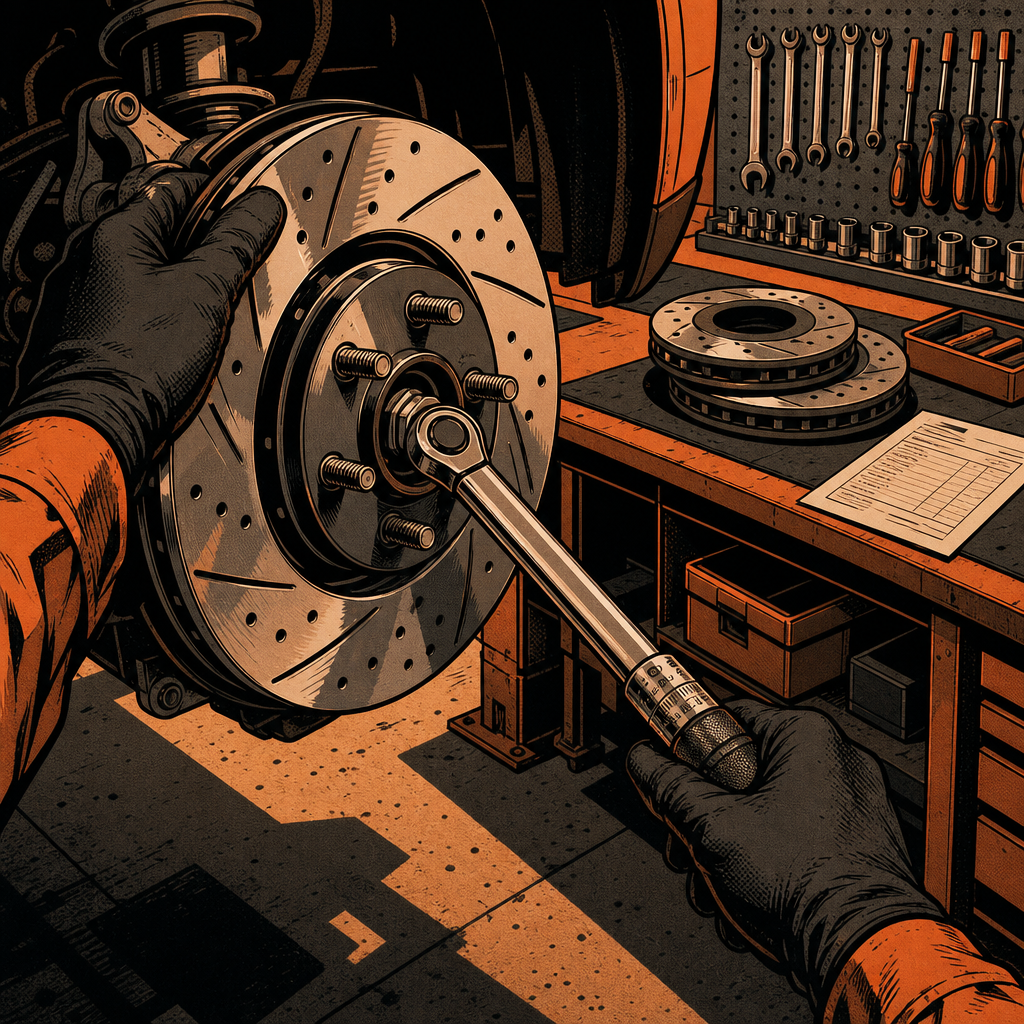
Every technician has a story about a shop that looked fine on paper and turned into a disaster inside of two weeks. Missing tools, no delivery driver, managers with their own agenda, pay structures that change without warning — the warning signs are usually there before you ever put a wrench to a car. This guide pulls together practical, field-tested advice for reading a shop before you commit, understanding how parts and tire policies actually work, and protecting yourself with paperwork when things get messy.
Know the Difference Between Dealer, Indy, and Franchise
Not all shops that call themselves “independent” actually are. Franchise operations (think national tire and service chains) run on corporate policy, flat-rate pay structures, and hourly guarantees that can change the moment ownership shifts. Techs who’ve worked both sides consistently report that franchise stores swing harder between “fine” and “chaos” depending entirely on who’s managing the store that month — corporate turnover means today’s reasonable manager can be gone in six months.
Independent shops vary more by owner than by business model. A good independent will often let you order personal parts at cost, sometimes even comping small jobs on your own vehicle. A bad independent can be just as disorganized as the worst franchise, just without the corporate paperwork to fall back on when something goes wrong. Dealer shops sit in between: more structure and better documentation trails, but often slower pay progression and stricter policy enforcement.
Before you accept an offer, ask directly: is this store corporate-owned, franchise-owned, or independent? Who actually signs your paycheck? Techs who skip this question are the ones who show up expecting one culture and get another.
Red Flags to Catch During the Interview and First Two Weeks
A shop’s real culture shows up fast once you’re on the floor. Watch for these patterns in your first couple of shifts:
- No tire or parts delivery system. If a shop can’t reliably get parts to the bay, that’s an operations problem that will eat your flat-rate hours every single day.
- Loose tool security. Shops where tools “walk” constantly — even bolted-down equipment — tell you everything about how tightly the place is run.
- Inconsistent pay talk. If commission, flat rate, or guarantee terms shift between the interview and your first check, get it in writing immediately or start looking elsewhere.
- Manager behavior that doesn’t add up. Frequent unexplained absences, favoritism on comped work, or a general sense that something’s being hidden from staff are all signs worth taking seriously.
None of these alone is necessarily a dealbreaker, but two or more together is a strong signal the shop is running on improvisation rather than process — and that unpredictability lands on the technician, not the front office.
[PRODUCT_SEARCH: toolbox security locks and cable locks for mechanics]
Understand Parts-at-Cost and Tire Policies Before You Rely on Them
Buying personal parts and tires at cost through the shop’s account is a common and legitimate perk — most shops that have any kind of decent culture offer it in some form, whether that’s a straight cost pass-through, a small per-tire markup to cover overhead, or a payroll deduction that lets you pay pre-tax. What varies wildly is how well that policy is documented.
Here’s the practical issue: when a technician is the end consumer of a part or tire pulled through the shop’s supplier account, that transaction can still be subject to sales or excise tax depending on how the paperwork is structured. A shop that doesn’t create a proper ticket for an employee purchase — even one sold “at cost” — can end up with a mismatch between what you paid and what the books show, because the loss on that sale has to appear somewhere for tax purposes. That mismatch is exactly the kind of thing that turns into a “why does this show as unpaid” conversation weeks later, even after you’ve already paid in full.
Protect yourself: if you’re buying parts or tires under a shop account, ask how the transaction gets logged, get a receipt every time, and if you’re paying at a supplier directly rather than through shop paperwork, make sure someone in the office actually enters it. Verbal “don’t worry about it” arrangements are fine right up until ownership changes or someone in accounting notices a discrepancy.
Document Everything, Every Time
The single most useful habit any technician can build is keeping your own paper trail, separate from whatever the shop keeps. That means:
- Photographing or saving receipts for any personal parts or tire purchases, even ones run through a shop account.
- Keeping text or email confirmation of any pay structure changes, bonus arrangements, or verbal promises from management.
- Logging comped work or discounts you’re authorized to give, with a manager’s name attached, especially at shops where policy enforcement is inconsistent.
- Saving your own repair orders and time clock records if the shop’s system has a history of “adjustments.”
This isn’t about assuming bad faith on day one — it’s about having something concrete to point to if ownership changes, a manager gets replaced, or a bookkeeping error turns into an accusation. Techs who’ve been caught in the middle of shop-level financial messes consistently say the same thing: the ones who had receipts were fine, and the ones who didn’t had a much harder time.
Know When It’s Time to Walk
Some shops are salvageable with a direct conversation about pay, parts policy, or scheduling. Others aren’t. Signs it’s time to move on rather than try to fix it from the inside:
- Pay has been flat for six months or more with no path to change, despite you asking.
- Management is dealing with legal or financial trouble that’s starting to affect the shop floor.
- You’ve documented a policy violation or shortfall and it’s being brushed aside rather than corrected.
- The shop culture around theft, substance use, or basic professionalism creates a genuinely unsafe or unstable workplace.
Giving notice cleanly — and picking up your own tool box on your own schedule rather than in the middle of a blow-up — protects your reputation in what’s usually a smaller local industry than it feels like. A two-week stint at a bad shop isn’t a career mark against you; how you exit it can be.
Build Toward Options, Not Just a Job
Wrenching is the part of the job most techs actually enjoy — it’s the surrounding management, pay structure, and shop politics that drive people out. If you’re stuck at a low-pay, high-chaos shop, the fastest way out is usually specialization: diesel, heavy equipment, or ASE-heavy diagnostic work tend to command noticeably better pay than general flat-rate service work, and shortages in those areas give you more leverage when you’re shop-shopping. Some experienced techs eventually go solo or mobile, which removes shop politics from the equation entirely but trades it for the overhead of running a business. Neither path is right for everyone, but knowing your options changes how much bad-shop behavior you’re willing to tolerate in the meantime.
Quick Checklist: Before You Sign On
- Confirm dealer, franchise, or independent ownership and who signs your check.
- Get pay structure (flat rate, commission, guarantee) in writing.
- Ask specifically how personal parts and tire purchases are logged and taxed.
- Watch the first two weeks for tool security, delivery reliability, and management consistency.
- Start your own documentation habit on day one, not after a problem shows up.
[PRODUCT_SEARCH: mechanic hand tool sets and shop equipment]
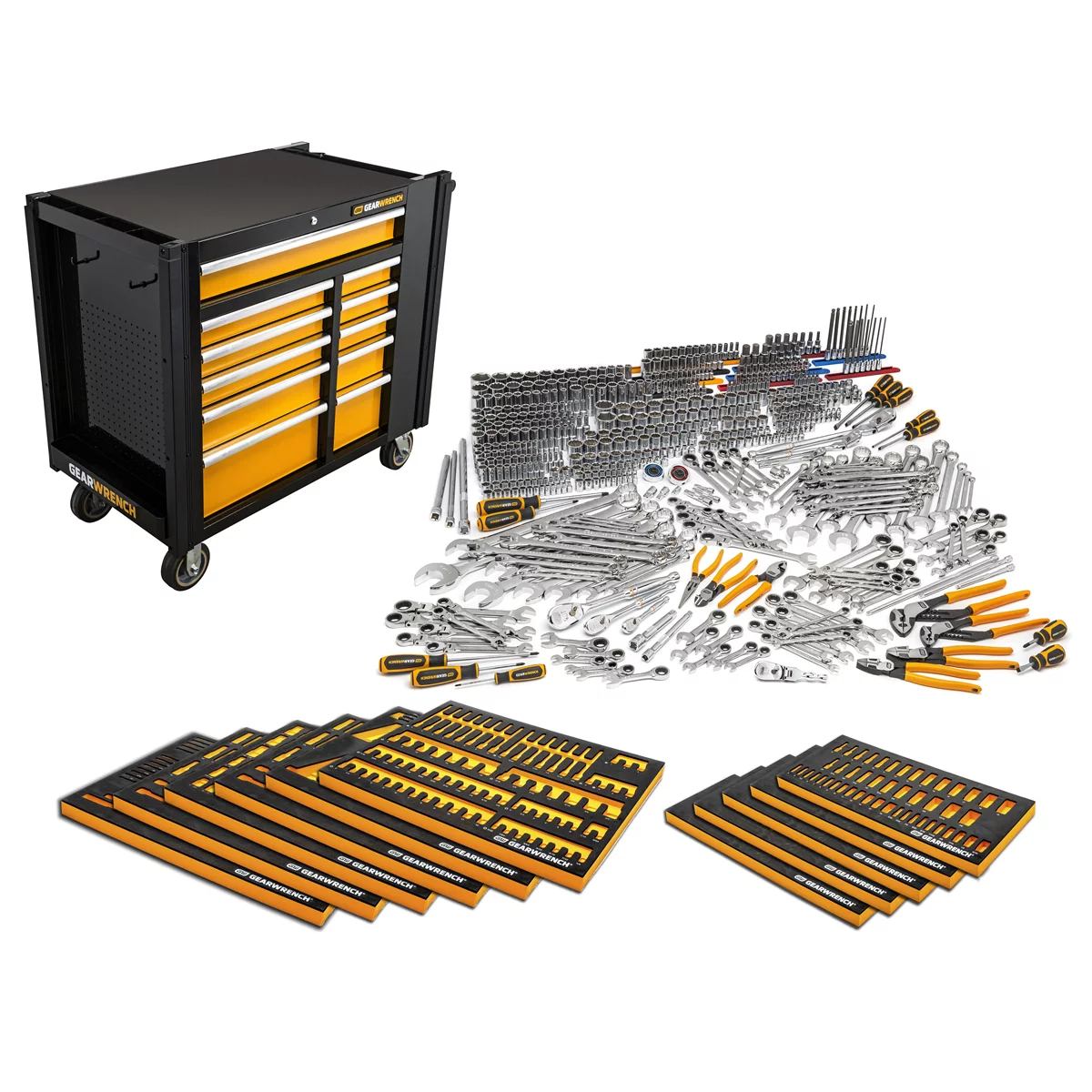
614 Piece MEGAMOD Master Mechanics Hand Tool Set with Foam
Mfg: GearWrench
Part #: GWRMEGAMODMRO
Frequently Asked Questions
Is buying parts and tires at cost through a shop account normal?
Yes, it’s a common perk at both independent and franchise shops. What varies is whether there’s a small markup, a payroll deduction option, and how well the purchase is documented for tax purposes.
Why would a shop charge tax on a part sold to an employee at cost?
Because the technician is the end consumer, the transaction can still trigger sales or excise tax depending on state rules and how the shop’s books record the sale. A properly logged ticket handles this cleanly; an off-the-books arrangement can create confusion later.
What’s the practical difference between a franchise and an independent shop?
Franchise shops run on corporate policy and flat-rate structures that can shift with ownership or management changes. Independent shops vary more by the individual owner, for better or worse, and often have more flexible personal-parts arrangements.
How do I protect myself if a shop’s bookkeeping is disorganized?
Keep your own receipts and confirmations for anything financial — parts purchases, pay agreements, comped work — separate from the shop’s records, so you have something to point to if a discrepancy comes up.
What are the clearest signs a shop isn’t worth staying at?
Stagnant pay with no path forward, unresolved policy violations, unreliable parts delivery, and a general pattern of instability in management are the strongest indicators it’s time to look elsewhere.
Does specializing in diesel or heavy equipment actually pay better?
In most markets, yes — shortages in those specialties tend to give technicians more leverage on pay and working conditions compared to general flat-rate service work.
Recommended Tool Storage
One sign of a well-run shop is solid tool security and organization. Explore our Tool Storage to find solutions for both professional shops and personal setups.
- Secure toolboxes and storage chests
- Locking and security options
- Organization systems

The Toolsource Technical Team blends decades of real-world automotive service experience with up-to-date technical research. Our writers collaborate with professional mechanics, shop owners, and diagnostic specialists to deliver practical, workshop-ready guidance you can trust.


Follow us on social media