A photo of a fully loaded, six-figure Snap-on tool wall made the rounds recently, and the comments split into two camps just as fast: techs impressed by the buildout, and techs pointing out that a lot of that “protection” spend — ceramic coating on a toolbox that never sees rain, for instance — is more about looks than function. Both camps have a point. Whether you’re outfitting a single box or a full wall of storage, it’s worth knowing what actually protects a finish, what’s marketing, and how to keep the bill from turning into a tool truck balance you’re still paying off next year.
What a High-End Tool Setup Actually Costs
Retail pricing on tool storage is rarely what anyone pays. Snap-on boxes in particular are almost always sold at a discount off list — 25-50% off is common, and volume buyers (a shop kitting out multiple bays, or a tech buying a full wall at once) get even more room to negotiate. A tool wall that looks like $100k+ on paper can realistically land in the $50-55k range for the boxes themselves, tooling not included. That gap matters when you’re budgeting: use street price expectations, not the number on the door decal, when you’re planning a purchase.
It also matters when you’re financing through a tool truck. Dealers have real flexibility on price, especially on bulk box orders, so there’s room to negotiate even on a payment plan. Don’t anchor to list price when working out what a weekly or monthly payment should look like — a discount you don’t ask for is a discount you don’t get.
Powder Coat vs. Ceramic Coating vs. PPF for Tool Storage
Once you’ve got a nice box, the question of how to protect the finish comes up fast, especially on a light or custom color that shows scratches and swirls easily. Three options get discussed, and they are not interchangeable:
- Powder coat is the baseline factory or aftermarket finish on most rolling cabinets. It’s a genuinely tough, thick coating with real physical abrasion resistance — this is what’s actually protecting the metal day to day.
- Ceramic coating (the same category of product used on car paint) is a thin sacrificial layer added on top. It adds some scratch resistance and makes the surface easier to clean and glossier, but it has minimal chemical resistance against harsh solvents, brake cleaner, or degreaser, and it does nothing for impact resistance compared to the powder coat underneath. On a toolbox kept indoors and never exposed to weather, the main benefit is easier wipe-downs and a deeper-looking shine — not meaningful protection.
- Paint protection film (PPF) offers real physical protection but is impractical on tool storage: boxes have far more tight edges, drawer fronts, and handles than a car hood, so cutting and tacking film cleanly is a nightmare even with a plotter, and seams will show.
The honest read: if you want a box that’s easier to keep clean and holds its shine, ceramic coating is a reasonable cosmetic add-on. If you’re expecting it to meaningfully protect against chemical exposure or impacts in a working shop environment, powder coat is already doing that job, and the ceramic layer isn’t adding much on that front.
[PRODUCT_SEARCH: ceramic coating kit for metal tool storage]
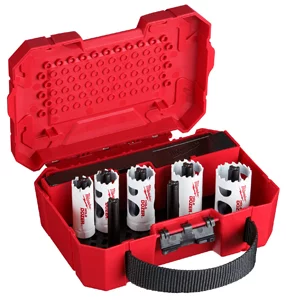
7-pc Compact Automotive Hole Dozer Hole Saw Kit
Mfg: Milwaukee Electric Tools
Part #: 49-22-4083
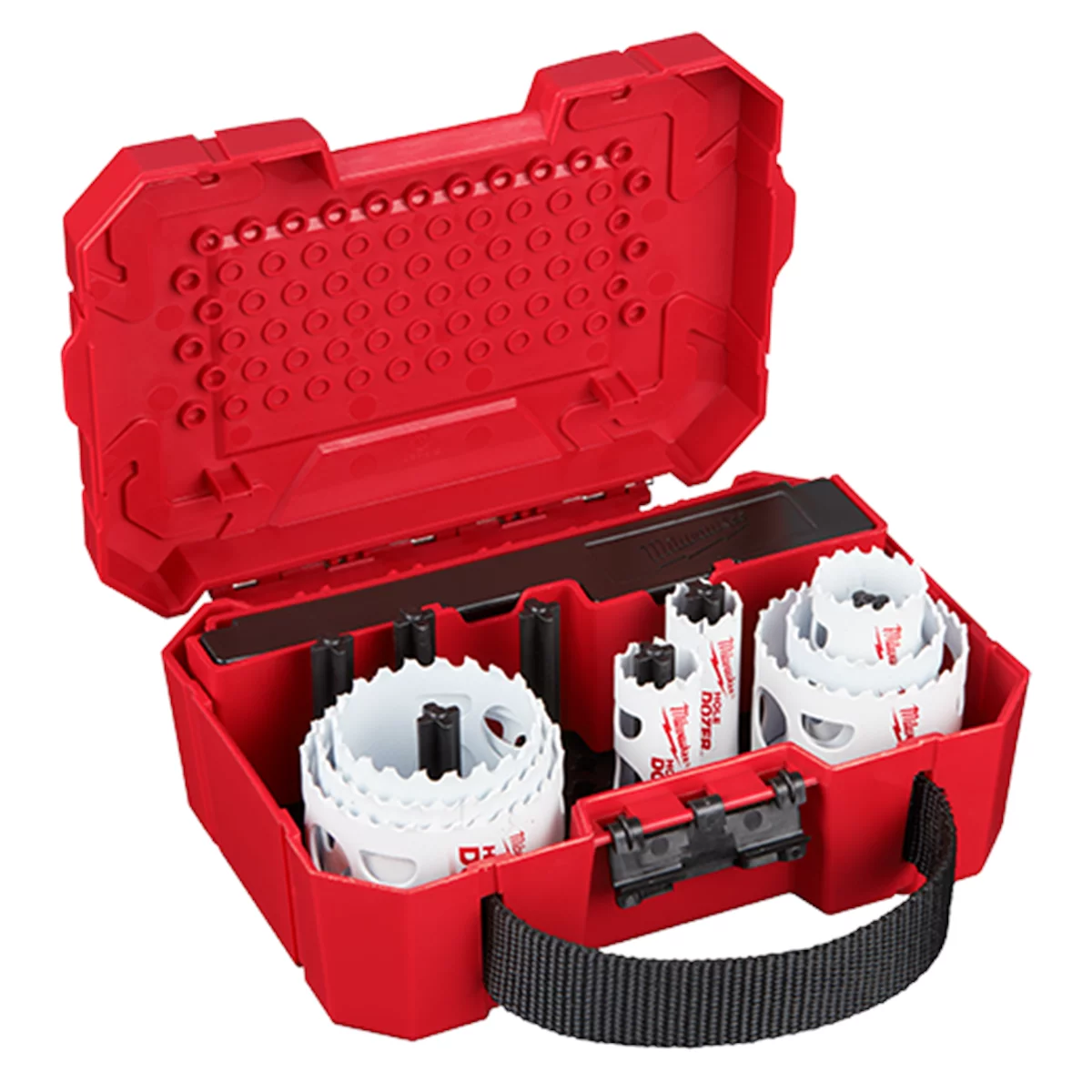
HOLE DOZER Automotive Hole Saw Kit - 11PC
Mfg: Milwaukee Electric Tools
Part #: 49-22-4084
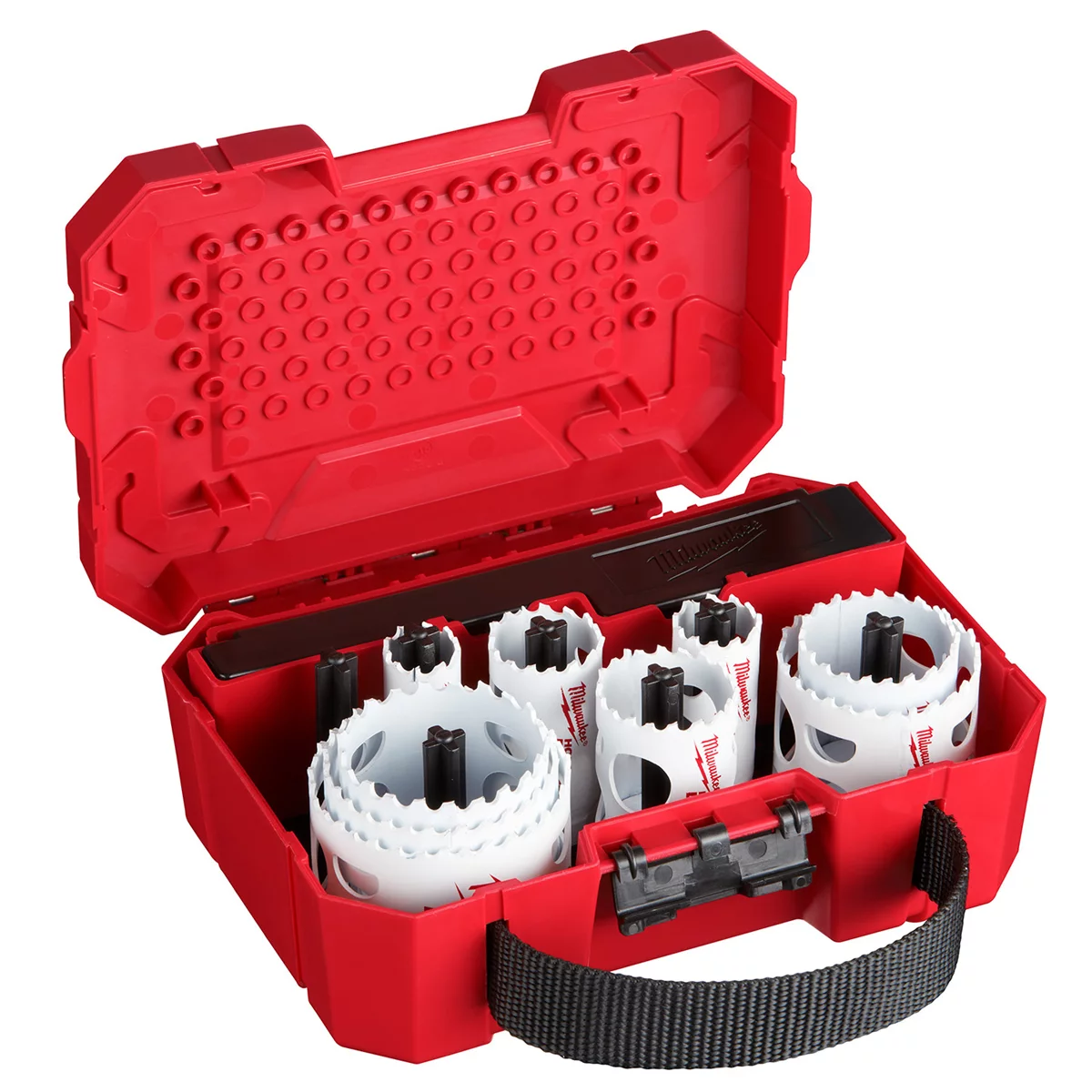
HOLE DOZER Bi-Metal Hole Saw Kit - 17PC
Mfg: Milwaukee Electric Tools
Part #: 49-22-4029
If You’re Going to Coat a Box, Do It Right
For techs who still want the coated look — and there’s nothing wrong with wanting a box that looks sharp on a wall — the process that gets referenced most often is straightforward and similar to coating paint:
- Clean thoroughly. Strip wax, grease, and shop grime with a proper degreaser before doing anything else — coating over contamination just seals it in.
- Correct the surface. A light polish on the powder coat evens out minor scuffs and swirl marks and gives the coating a cleaner surface to bond to. Don’t skip this step if the box has any age on it — coating over an imperfection makes it permanent and easier to see.
- Apply in thin, even panel sections. Work drawer fronts, sides, and the top separately rather than trying to coat the whole box in one pass — it’s easy to miss a spot or leave high spots on a large flat panel.
- Let it cure undisturbed. Keep the box out of the aisle and away from dust while it flashes and cures per the product’s instructions.
- Maintain it like paint. Wipe with pH-neutral cleaners, not shop degreasers, if you want the coating to last.
Realistic expectations matter here: a DIY kit runs well under what a shop charges to coat a car, but a “toolbox ceramic coating” service at a detail shop can run into the thousands if it’s bundled with polishing, masking, and multiple coats — worth pricing out before you commit, especially on a box you’re not precious about scratching in a working bay anyway.
Avoiding the Tool Truck Debt Trap
The other recurring theme in any thread about an expensive tool setup is financing. A meaningful share of techs carry an ongoing tab with a tool truck vendor, and it’s easy to see how — weekly payments on tools feel small individually and add up into a real monthly obligation, especially across boxes, diagnostic equipment, and specialty tools bought over years.
A few practical guardrails:
- Separate wants from shop-required tools. A box you need to do your job and a box you want because it looks good on a wall are different purchases — budget them differently.
- Negotiate before financing, not after. Ask about the discount off list before agreeing to a payment plan — dealers have room, especially on larger orders.
- Track total balance across purchases. It’s easy to lose sight of a running tab when payments are itemized weekly. Periodically total what you actually owe.
- Consider paying cash for big-ticket storage. Financing makes sense for tools that earn their keep immediately (diagnostic equipment, specialty tools for regular jobs); it makes less sense for a cabinet upgrade that’s mostly cosmetic.
Everyday Maintenance That Actually Protects Your Investment
Whether or not you coat anything, the basics do most of the real protective work over the life of a box:
- Wipe down drawer fronts and the top at the end of each day — accumulated grime is what actually degrades a finish over time, coated or not.
- Use slide-out drawer liners and organizers to cut down on metal-on-metal contact inside drawers, which is where most day-to-day scratching happens, not on the exterior.
- Keep the box out of direct sun or near open bay doors if you’re in a climate with big temperature swings — UV and condensation cycles are harder on a finish than most chemical exposure.
- Touch up small chips in powder coat promptly with a matching touch-up paint before they become rust starting points.
[PRODUCT_SEARCH: toolbox storage and tool organization accessories]
Quick Checklist
- Confirm street price / discount off list before budgeting a box purchase
- Decide if a coating is for looks (fine) or protection (powder coat already covers this)
- Polish and fully degrease before any coating application
- Get a written quote if outsourcing a coating job — prices vary widely
- Negotiate financing terms and track your running tool truck balance
- Wipe down and inspect drawers weekly regardless of finish

FAQs
Does ceramic coating actually protect a toolbox from shop chemicals?
Not much. Ceramic coatings have limited resistance to strong solvents like brake cleaner or aggressive degreasers. The powder coat underneath is doing the real chemical and impact resistance work; the ceramic layer mainly adds shine and easier cleanup.
Is it worth paying a shop to ceramic coat a toolbox?
Only if you value the cosmetic result and can verify the price — some detail shops price it similarly to a full vehicle service, which can run into the thousands. A DIY kit gets a comparable cosmetic result for a fraction of the cost if you’re comfortable doing the polish and application yourself.
Should I polish a toolbox before coating it?
Yes. Coating over swirl marks, scuffs, or oxidation locks those imperfections in and makes them more visible under a glossy layer, not less.
Is PPF a good option for tool storage?
Generally no. Toolboxes have far more edges, seams, and handles than a vehicle panel, making clean film application impractical. Powder coat plus routine cleaning covers most of what techs actually need.
How much should I expect to pay for a high-end rolling cabinet?
Expect significant discounts off list price — often 25-50% — especially through a tool truck dealer on a larger order. Always ask before assuming list price is the real number.
What’s the biggest risk with tool truck financing?
Losing track of a growing running balance across many small weekly payments. Periodically total what you owe across all financed tools, not just the newest purchase.
Shop Rolling Cabinets & Tool Storage
If you’re in the market for a new box or looking to organize your current setup, our Tool Storage section has rolling cabinets, workbenches, and organizers to suit different shop layouts and budgets.
- Rolling cabinets and stationary storage options
- Drawer liners and organizers to minimize surface contact
- Workbenches and cabinets for different workshop configurations

The Toolsource Technical Team blends decades of real-world automotive service experience with up-to-date technical research. Our writers collaborate with professional mechanics, shop owners, and diagnostic specialists to deliver practical, workshop-ready guidance you can trust.


Follow us on social media