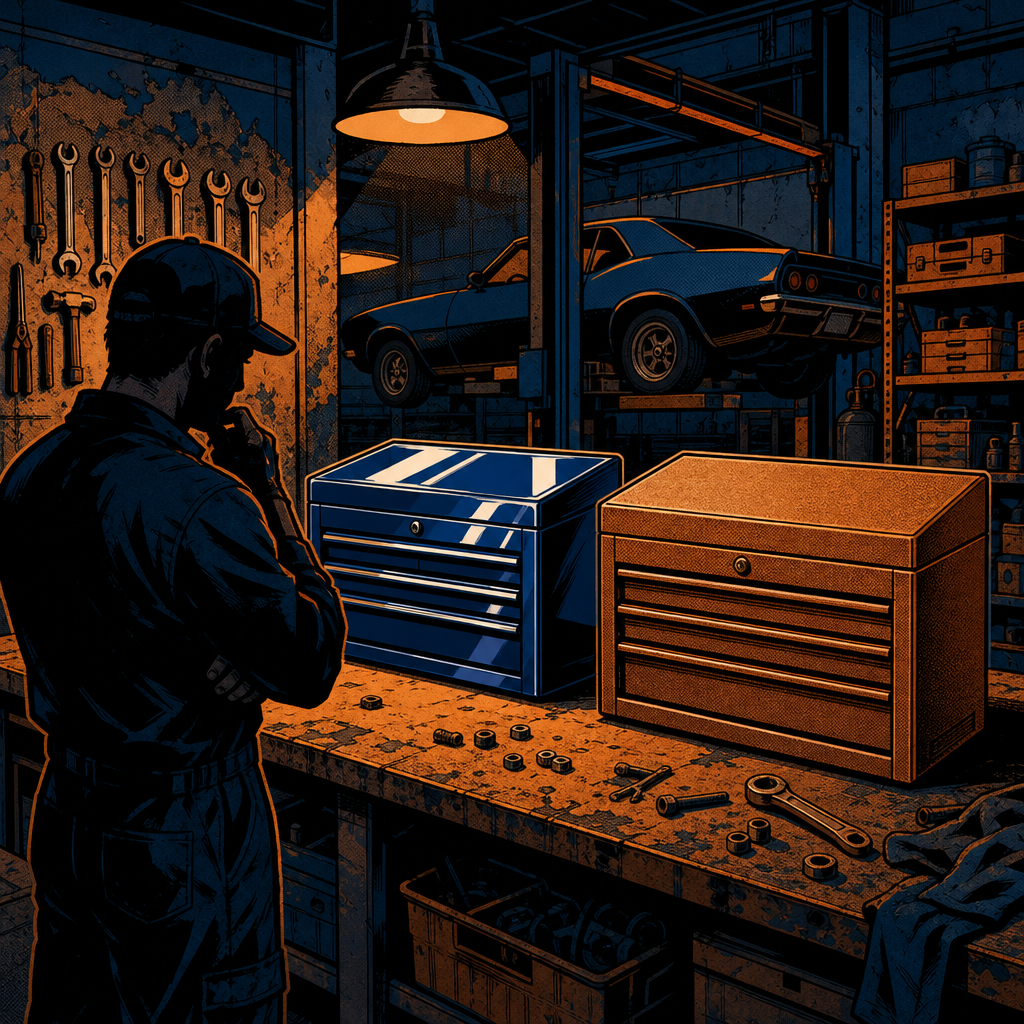
A photo of a technician’s showroom-quality toolbox wall recently made the rounds online, and the comment section turned into an impromptu debate about pricing, finishes, and financing. Between the jokes about tool truck debt and the arguments over whether ceramic coating a toolbox is smart or pointless, there’s real information buried in there for any technician planning a storage upgrade. This guide pulls out the practical takeaways: what these setups actually cost, which finishes genuinely protect your investment, and how to expand your storage without putting yourself in a financial hole.
What High-End Tool Storage Actually Costs
Sticker prices on tool truck boxes are almost never what buyers pay. Premium box lines are routinely discounted 25-50% off list through ongoing “sale” pricing that dealers use as a standard negotiating tool, not a rare promotion. A setup that looks like it retails for six figures in a listing photo often gets bought for roughly half that once volume and loyalty discounts are applied — dealers have significant flexibility on multi-box, multi-drawer orders, especially for repeat customers or shop-wide buildouts.
Before you commit to a large order, treat the first quoted number as a starting point, not a final price. A few practical steps:
- Ask what the current promotional discount is on the specific box line, not just “any deals available.”
- Get quotes from more than one dealer or route if your area has overlapping tool truck territories.
- Bundle drawer liners, casters, and locks into the same negotiation instead of paying list price on add-ons separately.
- Ask about paying in full versus financing — dealers sometimes price differently depending on payment method.
Powder Coat vs. Polish vs. Ceramic Coating: What Actually Protects a Toolbox
Once you’ve got a box worth protecting, the next question is which finish is worth paying for. These three options solve different problems, and conflating them leads to wasted money.
Powder coating is a baked-on, durable finish applied before or shortly after a box leaves the factory or a refinishing shop. It provides real physical and chemical resistance — it holds up to shop chemicals, coolant, brake cleaner overspray, and daily abrasion from tools sliding in and out of drawers. If a box is going to see real shop use, powder coat is the finish doing the actual protective work.
Polishing (typically on stainless or aluminum surfaces) is cosmetic. It removes light surface scratches and restores shine but adds no meaningful protective layer on its own. It’s a prep step, often done immediately before a coating is applied.
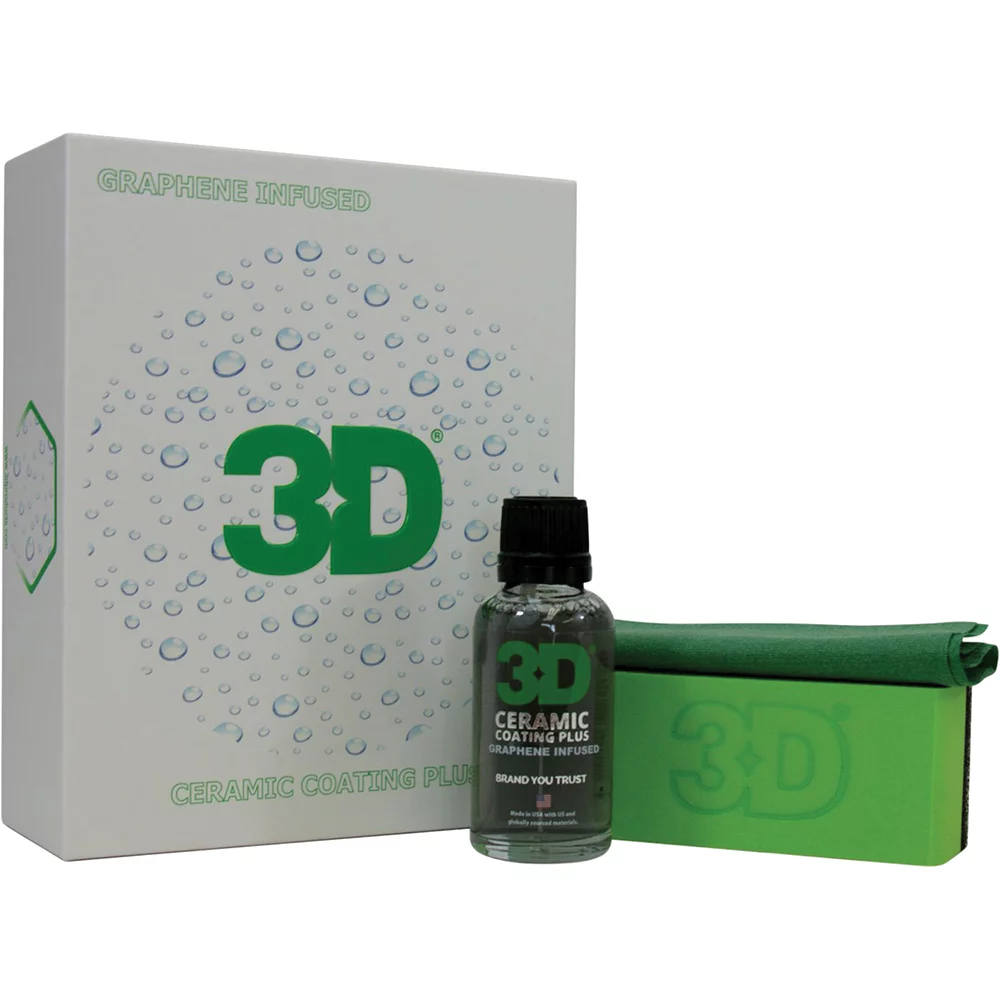
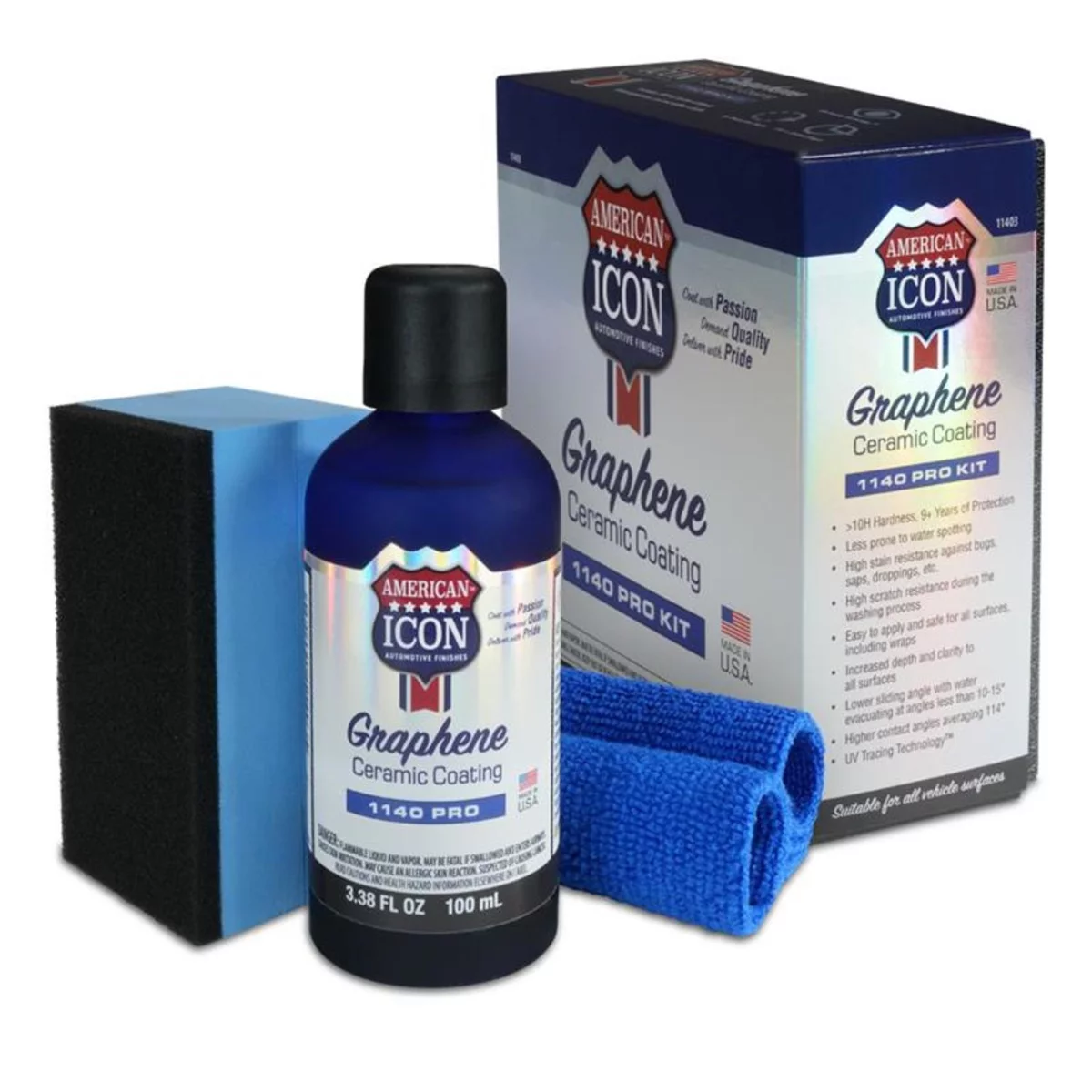
Ceramic coating, borrowed from the automotive detailing world, adds a thin hydrophobic layer that makes cleaning easier and provides mild scratch resistance. It is not a substitute for powder coat. Ceramic coatings on cars have limited resistance to aggressive chemicals compared to a baked powder finish, and that limitation carries over to toolboxes. Where ceramic coating earns its cost is on boxes that stay in a climate-controlled showroom or office environment and rarely take chemical exposure — there it genuinely reduces fingerprints, makes wipe-downs faster, and preserves color depth over time. On a box that lives on a shop floor next to parts washers and degreaser, powder coat is doing the heavy lifting and a ceramic layer on top is a nice-to-have at best.
{{PRODUCT_SEARCH_1}}
Financing a Tool Truck Purchase Without the Debt Spiral
Tool truck financing is easy to get and easy to lean on too hard. It’s common for technicians to carry an ongoing balance with a tool truck vendor for years, making weekly or biweekly payments that quietly eat into take-home pay. A few guidelines keep a large purchase from becoming a long-term liability:
- Calculate the actual interest rate on any “weekly payment” plan before signing — these are often structured to obscure the effective APR, which can run well above standard credit card rates.
- Avoid financing storage (boxes, drawers, cabinets) on the same rolling balance as consumable or fast-depreciating tools. Storage holds resale value; a lot of smaller hand tools don’t.
- If a large order is planned, ask the dealer directly whether paying in full unlocks a better price than financing — on big-ticket combined orders it frequently does.
- Set a hard ceiling on what percentage of take-home pay goes to any recurring tool payment, and stick to it regardless of how good the next new box looks on the truck.
Maintaining and Protecting the Investment Long-Term
Whatever finish you choose, ongoing maintenance matters more than the initial coating. Wipe down exterior surfaces regularly to prevent chemical residue from sitting and etching into paint or clear coat over time. Use drawer liners to reduce metal-on-metal wear inside drawers, which is where most cosmetic damage actually originates — not the exterior. Keep boxes away from direct exposure to coolant, battery acid, and aggressive solvents whenever possible, and clean up spills immediately rather than letting them dry.
For boxes with any coating (powder or ceramic), avoid abrasive pads or heavy-duty degreasers for routine cleaning — a mild soap and water solution or a dedicated coating-safe cleaner preserves the finish far longer than reaching for the strongest chemical on the shelf.
Organizing a Tool Wall for Function, Not Just Looks
Large, photogenic tool storage setups are often built for visual impact, but the same organizational principles that make a display look good also make a shop more efficient. Group boxes by task frequency — daily-use hand tools closest to the bay, specialty and diagnostic equipment further back. Match drawer foam or liner cutouts to tool sets so missing tools are immediately visible. Keep power tool charging stations and cords separated from precision tool drawers to avoid clutter and battery acid exposure near coated surfaces.
A wall of matching boxes looks impressive, but the real value is in reducing the time spent searching for tools mid-job. If a storage upgrade doesn’t measurably speed up tool retrieval, it’s decor — worth doing if the budget allows, but not the priority over functional layout.
{{PRODUCT_SEARCH_2}}
Quick Checklist Before You Buy or Coat a Toolbox
- Get at least two dealer quotes and ask specifically about current promotional discounts.
- Decide if the box will live in a shop environment (choose powder coat) or a showroom/office (ceramic coating is reasonable as a finishing touch).
- Polish only as a prep step before coating, not as standalone protection.
- Calculate the real APR on any financing offer before signing.
- Add drawer liners and a wipe-down routine regardless of exterior finish.
- Prioritize layout and accessibility over visual symmetry when arranging multiple boxes.
FAQs
Is ceramic coating worth it on a shop toolbox?
Only marginally, and mostly for ease of cleaning. It doesn’t provide the chemical or physical resistance of powder coat, so it works best on boxes with light exposure to shop chemicals, such as showroom or office displays.
Do tool truck dealers really discount that much off list price?
Yes. Premium box lines are commonly sold 25-50% below list price through routine promotions, and large or bulk orders often come with additional dealer flexibility beyond the advertised discount.
Should I polish my toolbox before coating it?
Yes, if you’re applying any coating. Polishing removes surface imperfections so the coating bonds to a smooth, clean surface, but polishing alone doesn’t add lasting protection.
What’s the safest way to finance a large tool purchase?
Calculate the effective APR on any payment plan, avoid combining storage financing with fast-depreciating tool purchases, and ask the dealer if paying in full gets a better price than financing.
How often should I clean a coated toolbox?
Wipe down exterior surfaces weekly in active shop use, and immediately after any chemical spill or exposure, using mild soap and water or a coating-safe cleaner rather than abrasive pads.
Does powder coat wear out over time?
It’s durable but not indestructible — heavy daily abrasion, dropped tools, and prolonged chemical exposure will eventually wear it down. Drawer liners and routine cleaning significantly extend its lifespan.
Shop Professional Tool Storage
Protecting your tools starts with choosing the right storage solution. Browse our Tool Storage selection to find boxes, drawers, cabinets, and organizational solutions for any setup.
- Powder-coated and finished boxes built for durability and chemical resistance in shop environments.
- Drawer liners, organizers, casters, and locks to complete your storage system.
- Professional-grade solutions for individual technicians and shop-wide installations.

The Toolsource Technical Team blends decades of real-world automotive service experience with up-to-date technical research. Our writers collaborate with professional mechanics, shop owners, and diagnostic specialists to deliver practical, workshop-ready guidance you can trust.


Follow us on social media