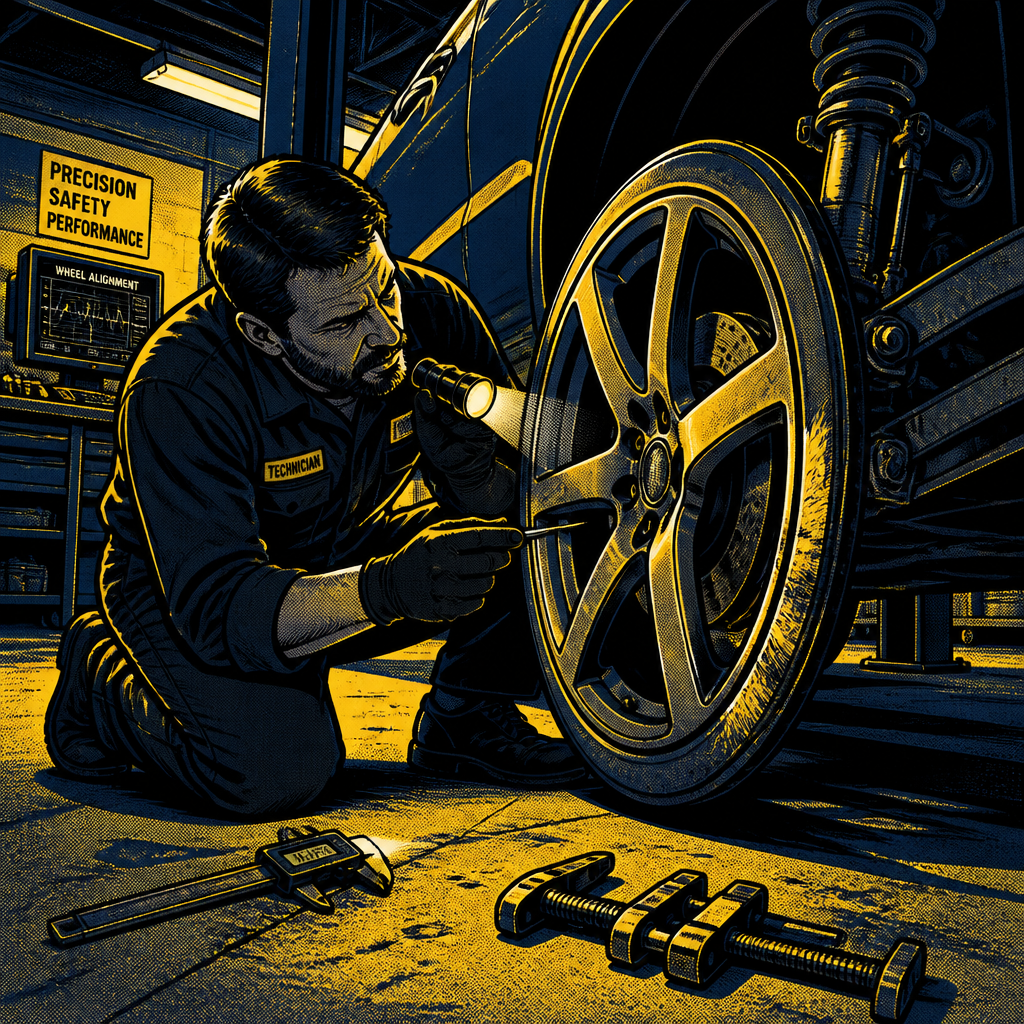
A car rolls in with a story that never quite matches the damage — “I just went over a speed bump” while a rim sits in shavings and a rotor looks like it lost a fight with a grinder. Curb strikes are one of the most common walk-in complaints, and they’re deceptive: what looks like a scuffed wheel on the surface can hide bent control arms, a cracked hub, or a rotor that’s about to let go. This guide lays out a repeatable inspection sequence so nothing gets signed off until it’s actually been checked, not assumed.
Start With a Visual Triage Before Anything Moves
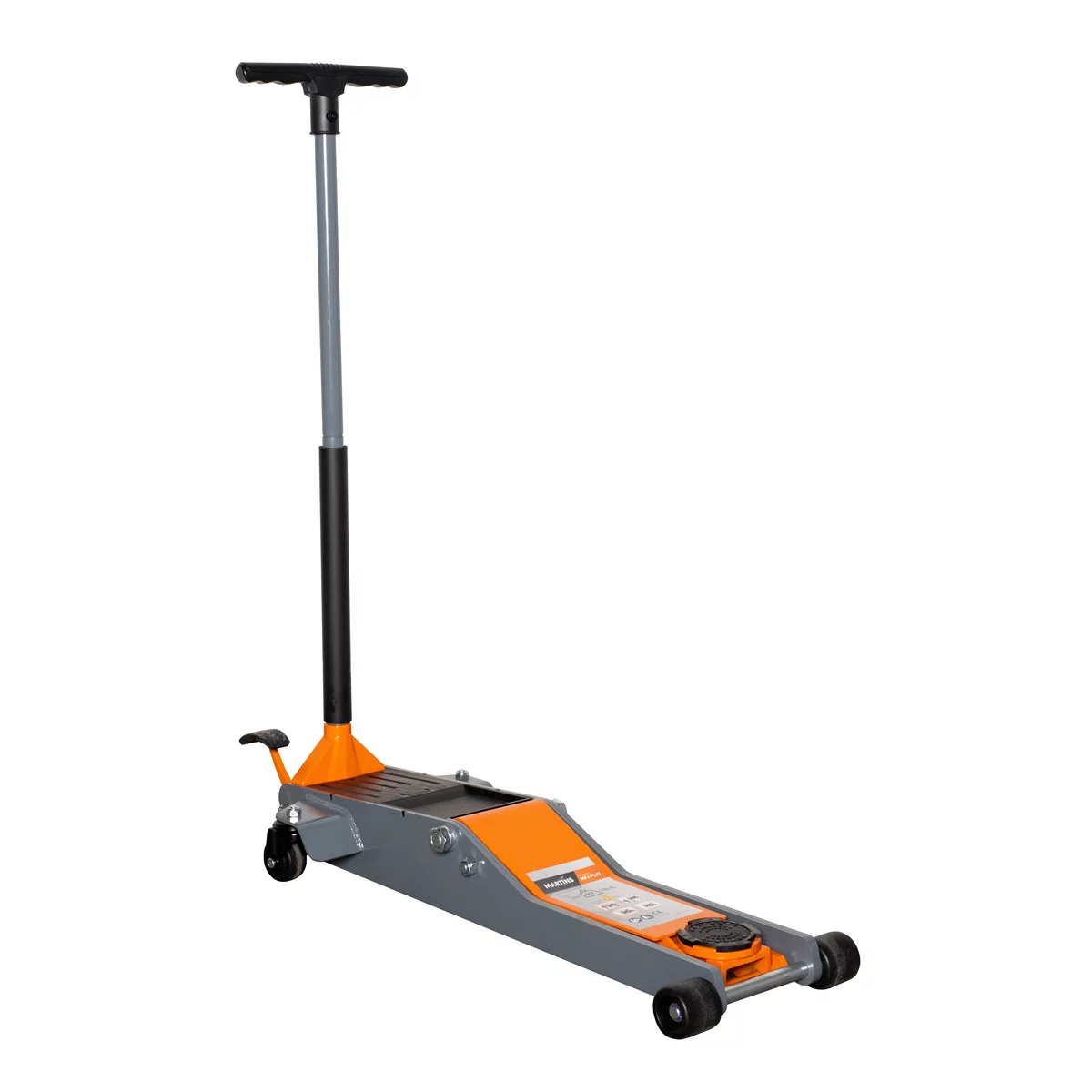
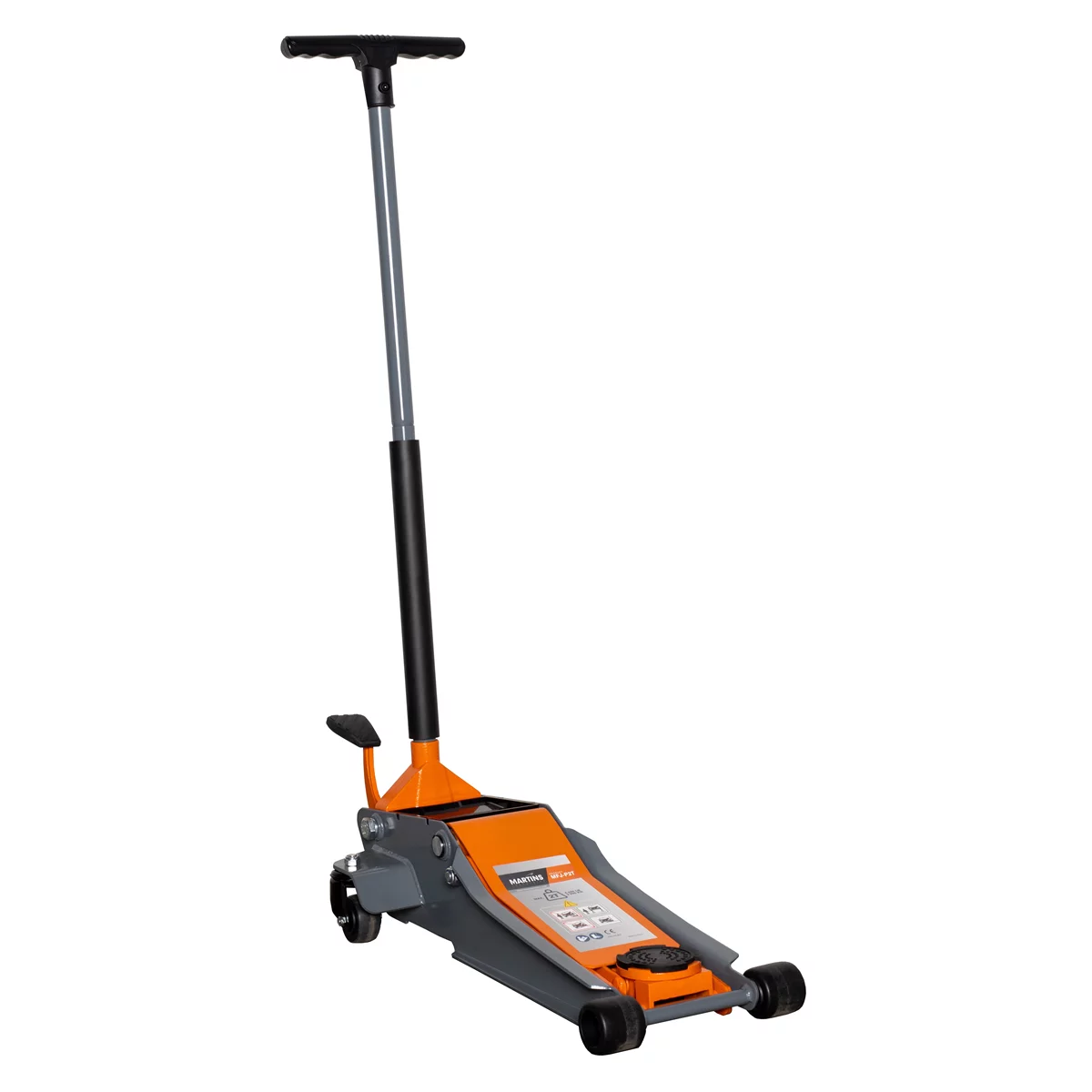
Martin Tools 2-Ton - Professional Long Reach Floor Jack
Mfg: Martin Tools
Part #: MFJ-PL2T
Before the car goes on a lift or even gets driven into a bay, walk it down cold. Look at the wheel face for gouging, flat-spotting, or a bent lip — a curb strike hard enough to shave aluminum off a rim almost never stops at the wheel. Check the tire sidewall for bulges, cuts, or separation; a tire that absorbed part of the impact can fail without warning even if the tread looks fine. Glance at the brake rotor through the spokes for scoring or a chipped edge, and check that all lug nuts are present and seated evenly — a lug that backed out or was cross-threaded in a panic re-torque is a classic sign the wheel came off and went back on incorrectly.
This first pass takes two minutes and tells you whether the car is a “drive it into the bay” job or a “get it on a tow dolly right now” job. Treat any visible rotor damage, wheel deformation, or exposed suspension component as reason enough to stop and reassess before moving the vehicle under its own power, even a few feet.
Inspect the Wheel, Tire, and Rotor as a System
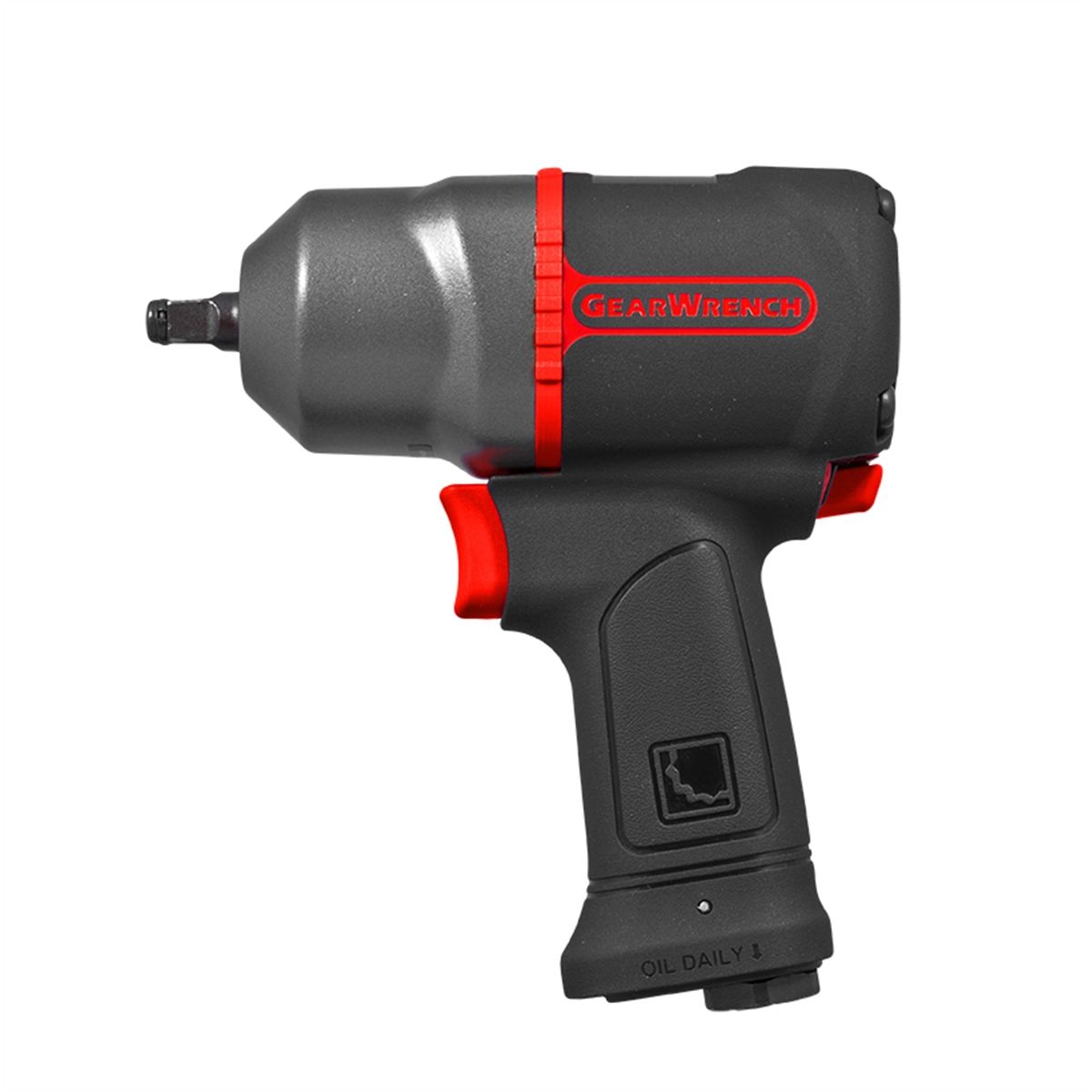
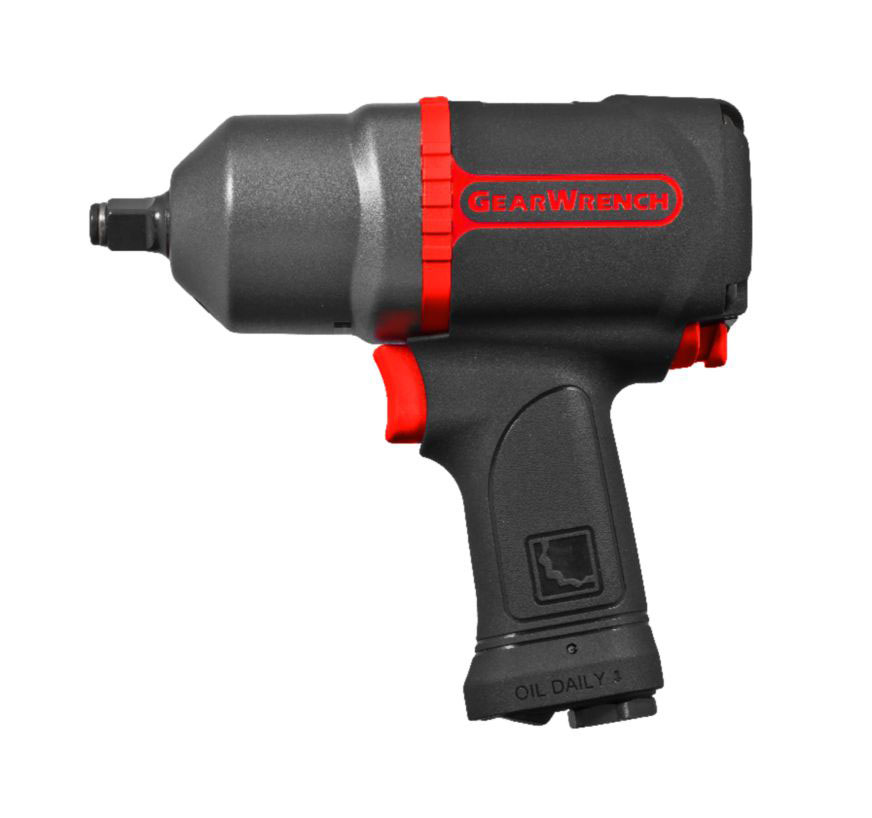
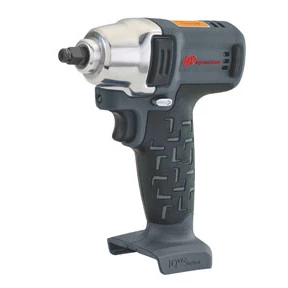
IQV12 Series 3/8 Inch Drive 12V Cordless Impactool Wrench - Tool
Mfg: Ingersoll Rand
Part #: W1130
Once the wheel is off, don’t stop at “the rim is bent, order a new one.” Curb impacts load the wheel, tire, rotor, and hub together, and damage on one usually means damage on another:
- Wheel: Check for cracks at the spokes and bead seat, not just cosmetic gouges. A wheel that’s been ground down against pavement can have hairline cracks that don’t show until it’s pressure-tested or dye-checked.
- Tire: Dismount and inspect the inner sidewall and bead area. Impact damage often hides on the side you can’t see with the tire mounted.
- Rotor: Deep radial scoring, chipped edges, or a rotor that’s been ground by loose wheel debris needs replacement — not resurfacing. A rotor already near minimum thickness from normal wear has almost no margin left after an impact like this, and it’s worth pairing new rotors with new pads on that axle since embedded metal shavings will chew up worn pads immediately.
- Caliper and hardware: A rotor that got shoved sideways can drag a caliper bracket or slide pin out of alignment. Check that the caliper moves freely on its pins before reassembly.
===FYP-PRODUCT-SEARCH-1===
Replacement Abrasive Sanding Pads (10 Pk)
Mfg: OTC Tools and Equipment
Part #: 552948
ID: 127670
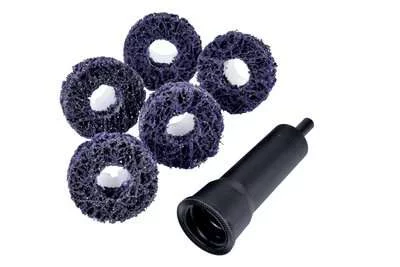
Scotch-Brite Roloc Pro Brake Hub Cleaning Disc Kit
Mfg: 3M Automotive
Part #: 21758
ID: 297590

Don’t Skip the Suspension and Steering Check
This is the step that gets missed most often because it doesn’t show up in a five-minute visual. A hard sideways curb strike transmits force straight through the hub into the control arms, tie rod, ball joint, and strut. Put the car on a lift and check:
- Control arm bushings and mounting points for tearing or visible deflection
- Tie rod ends and ball joints for play — grab the wheel at 12 and 6, then 3 and 9, and check for movement
- Strut or shock mount for cracking, and the strut housing itself for a bend (roll it on a flat surface if it’s off the car)
- Hub and bearing for play or noise when spun by hand
- Subframe or cradle bolts for any sign the impact shifted the mounting points
If you find play, deflection, or a bent component here, the car should not go back to the customer until it’s addressed — a compromised control arm or tie rod can fail under normal driving loads, not just in another hard impact.
Making the Drive-It-or-Tow-It Call
Customers routinely underestimate this damage and ask to “just make it to the shop.” The decision isn’t about convenience, it’s about what’s already broken:
- Tow it if there’s visible wheel deformation, a cracked or chipped rotor with debris risk, any suspension component that looks bent or torn, or if the vehicle pulls, vibrates, or makes noise when steered.
- Short low-speed drive may be acceptable only if the damage is confirmed cosmetic — a scuffed wheel face with no cracking, tire holding air with no bulge or cut, and no play found in a quick suspension check — and even then, loose debris near the rotor or caliper should be cleared by hand first so it doesn’t get pulled into the pads.
When in doubt, recommend the tow. If a customer drives on damage that turns out to be structural and something fails afterward, the liability question becomes a lot messier than the cost of a flatbed.
Repair and Reassembly Steps
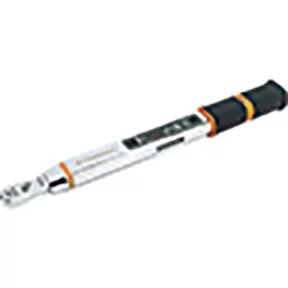
1/4 Dr. 5-25Nm Fixed Head E-Spec Electronic Torque Wrench Kit
Mfg: GearWrench
Part #: 85235
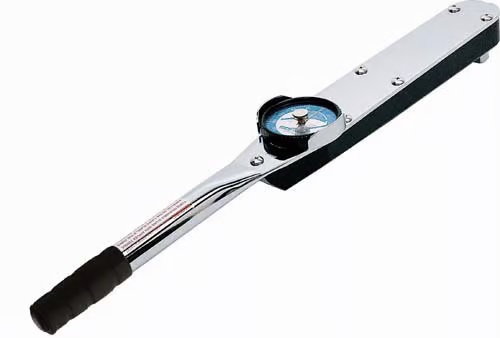
1 Inch Drive Dual Scale Dial Torque Wrench - 0-1000 ft-lbs
Mfg: CDI Torque Products
Part #: 10005LDFN
Once damage is confirmed, the repair sequence is straightforward but each step matters:
- Replace the wheel — don’t attempt to straighten a curb-damaged alloy wheel for anything beyond a very minor cosmetic bend; structural repair on a load-bearing wheel is not worth the risk.
- Replace the tire if the sidewall or bead shows any damage, even if it’s currently holding air.
- Replace the rotor (and pads on that axle) rather than resurfacing if scoring is deep or the rotor was ground by wheel fragments.
- Inspect and replace any suspension component that showed play or visible deformation — control arm, tie rod, ball joint, or strut.
- Torque lug nuts to spec in the proper star pattern, then re-torque after the first 50-100 miles.
- Perform a four-wheel alignment. Even if every component checks out individually, a curb strike hard enough to damage a wheel and rotor is almost always hard enough to knock the alignment out.
- Road test at low speed first, checking for pulling, vibration, or noise before returning the car to normal driving conditions.
===FYP-PRODUCT-SEARCH-2===
Quick Reference: Curb Strike Inspection Checklist
- Visual scan: wheel face, tire sidewall, rotor, lug nut seating
- Dismount tire, inspect inner sidewall and bead
- Check wheel for cracks at spokes and bead seat
- Inspect rotor for scoring, chipping, and thickness
- Check caliper slide pins and bracket alignment
- Check control arm bushings, tie rod, ball joint, strut mount for play or damage
- Spin hub/bearing by hand for play or noise
- Decide drive vs. tow based on findings, not customer preference
- Replace damaged parts — don’t resurface or straighten load-bearing components
- Torque lugs to spec, perform alignment, road test before release


Performance Tool 30 LED Slim Work Light
Mfg: Wilmar – Performance Tool
Part #: W2231
ID: 299059
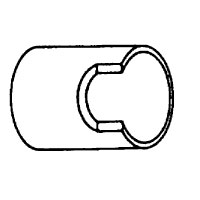
Rear Wheel Knuckle Remover T89P-1104-A
Mfg: OTC Tools and Equipment
Part #: 205-286
ID: 108470
Frequently Asked Questions
Can a bent wheel be safely repaired instead of replaced?
Minor cosmetic curb rash can sometimes be repaired, but if the bead seat is cracked, the barrel is bent, or there’s any structural deformation, replacement is the safer call. A load-bearing wheel failure at speed is not a risk worth saving money on.
Is it ever safe to drive on a scored rotor to get to a shop?
Only for a short, low-speed distance, and only if braking still feels normal with no pulsation or noise. Clear any loose metal debris by hand first so it doesn’t get pulled between the pad and rotor. If braking feels off in any way, don’t drive it — tow it.
How do I know if the suspension was damaged if there’s no obvious bend?
Play at the wheel when checked at 12/6 and 3/9 positions, uneven tire wear afterward, or a pull to one side are all signs. When in doubt, the alignment machine’s readings before adjustment can also flag an out-of-spec camber or toe that points to a bent component.
Does insurance typically cover curb strike damage?
It depends on the policy and whether it’s classified as a single-vehicle collision. That’s a conversation for the customer’s insurer, but documenting damage with photos before teardown helps them make that claim.
Why replace both rotor and pads instead of just the rotor?
Loose metal shavings from the impact can embed in the pad material and continue scoring a new rotor. Replacing both on the affected axle avoids a comeback a few weeks later.
What torque pattern should I use when reinstalling the wheel?
Use a star or crisscross pattern to seat the wheel evenly, then torque to the manufacturer’s spec with a calibrated torque wrench — never an impact gun for final torque. Re-check torque after the first 50-100 miles of driving.
Tools for Curb Strike Repair
After identifying the damage in your inspection, you’ll need specialized tools to safely service the wheels, tires, and suspension. Check our Tire Tools, Wheels & Suspension category for what you need.
- Tire mounting and removal tools for tire and wheel service
- Suspension service tools for control arms, ball joints, and tie rods
- Torque wrenches and lug nut tools for proper reassembly
Shop Tools for Your Inspection
Once you’ve identified curb strike damage using our checklist, having the right equipment on hand makes the assessment faster and more accurate. Our full product collection includes everything professional shops and experienced mechanics rely on for comprehensive wheel, rotor, and suspension evaluations.
- Brake rotor thickness gauges and runout measurement tools
- Heavy-duty jack stands and pneumatic lifting equipment
- Suspension geometry and alignment diagnostic instruments

The Toolsource Technical Team blends decades of real-world automotive service experience with up-to-date technical research. Our writers collaborate with professional mechanics, shop owners, and diagnostic specialists to deliver practical, workshop-ready guidance you can trust.


Follow us on social media