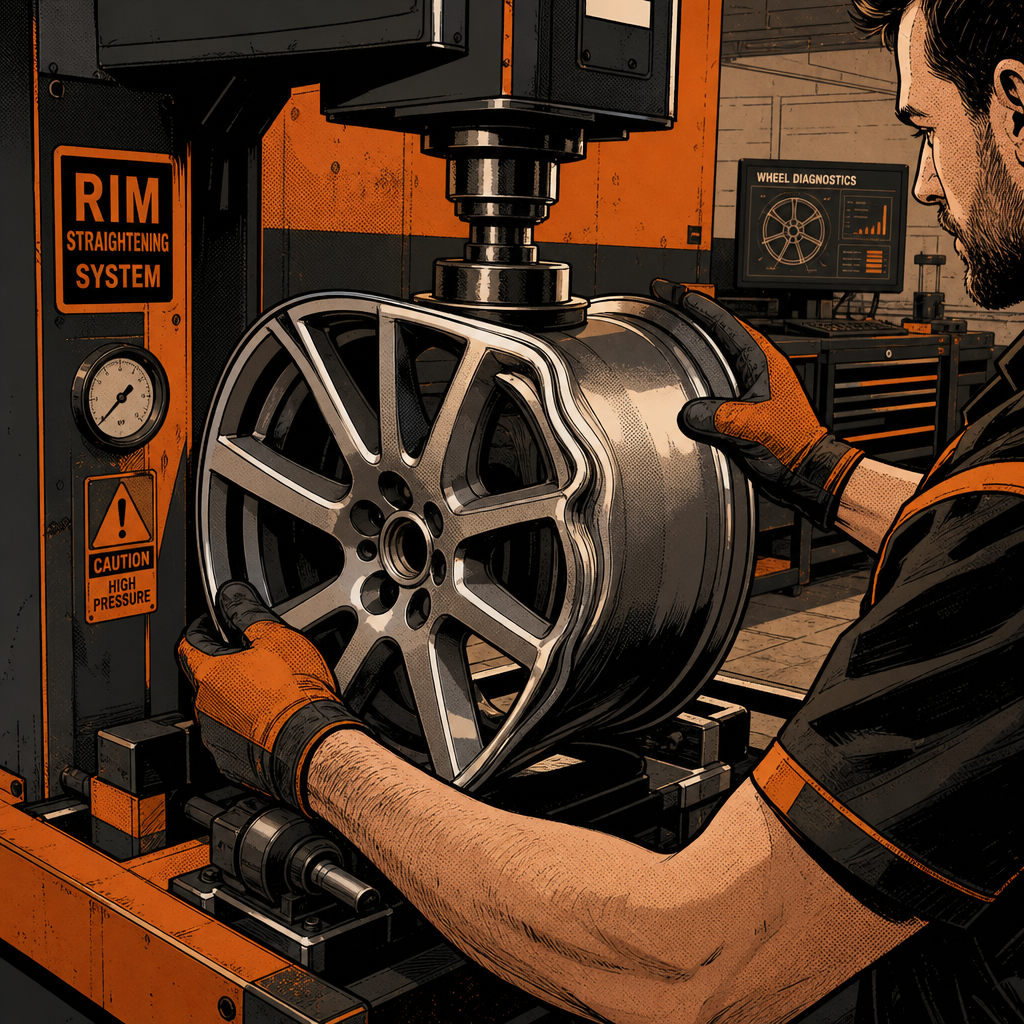
When a vehicle hits a pothole, road debris, or logs at speed, the wheels take the initial impact—but they’re rarely the only casualties. Bent alloy wheels are immediately visible, but the force that deforms aluminum rims also transfers through the suspension system, potentially damaging bearings, control arms, tie rods, and alignment settings. For technicians, the challenge isn’t just addressing the obvious wheel damage but conducting a systematic inspection to catch the hidden failures that can lead to dangerous driving conditions or premature component wear. This guide provides a practical framework for assessing impact damage, determining whether bent alloy wheels can be safely repaired, and identifying the suspension components most likely to sustain collateral damage.
Understanding Alloy Wheel Damage and Repairability

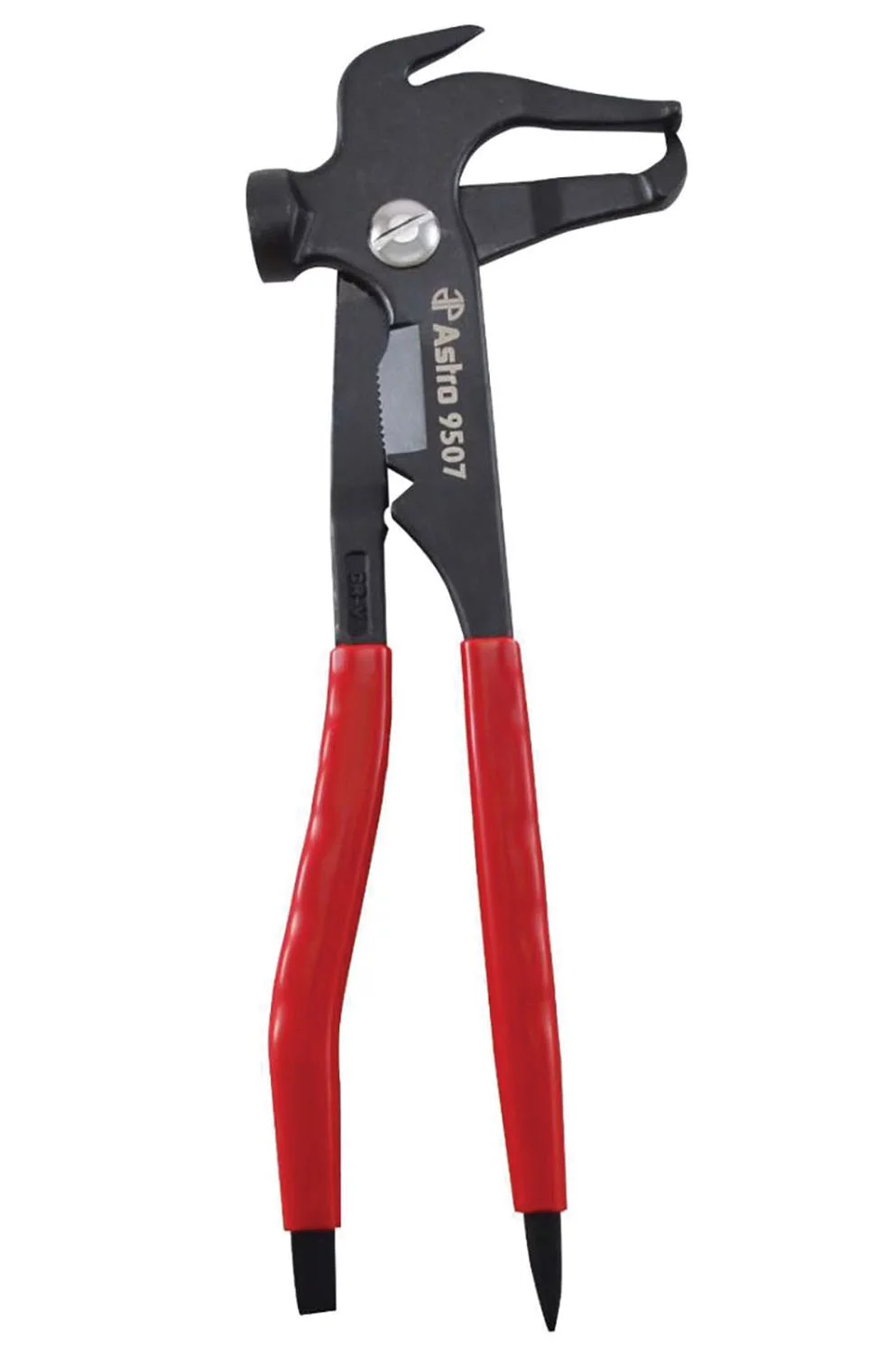
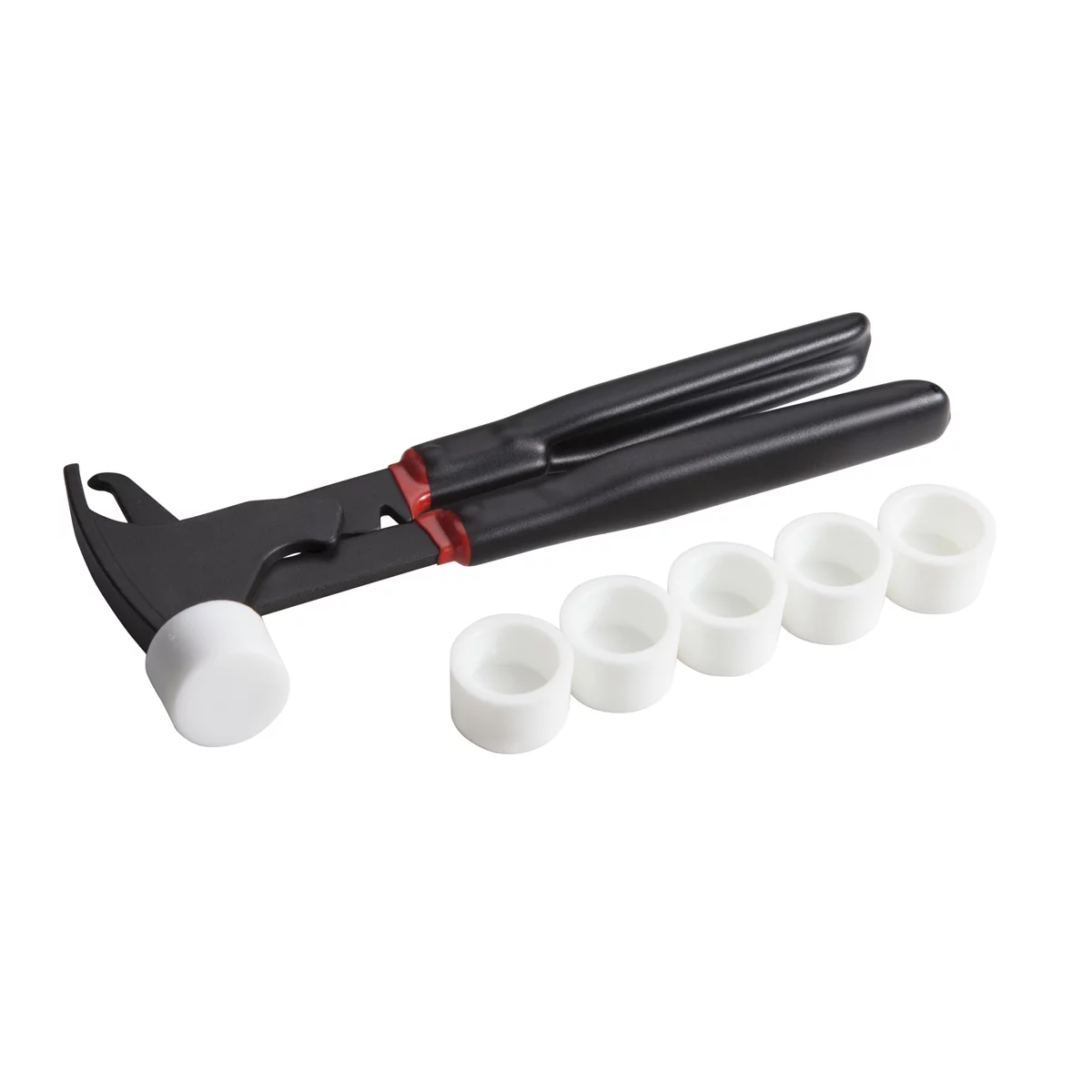
Plastic Cap for Steel Wheel Weight Hammer, 5-Pack
Mfg: Alemite
Part #: 97503-01-5PK
ID: 366519
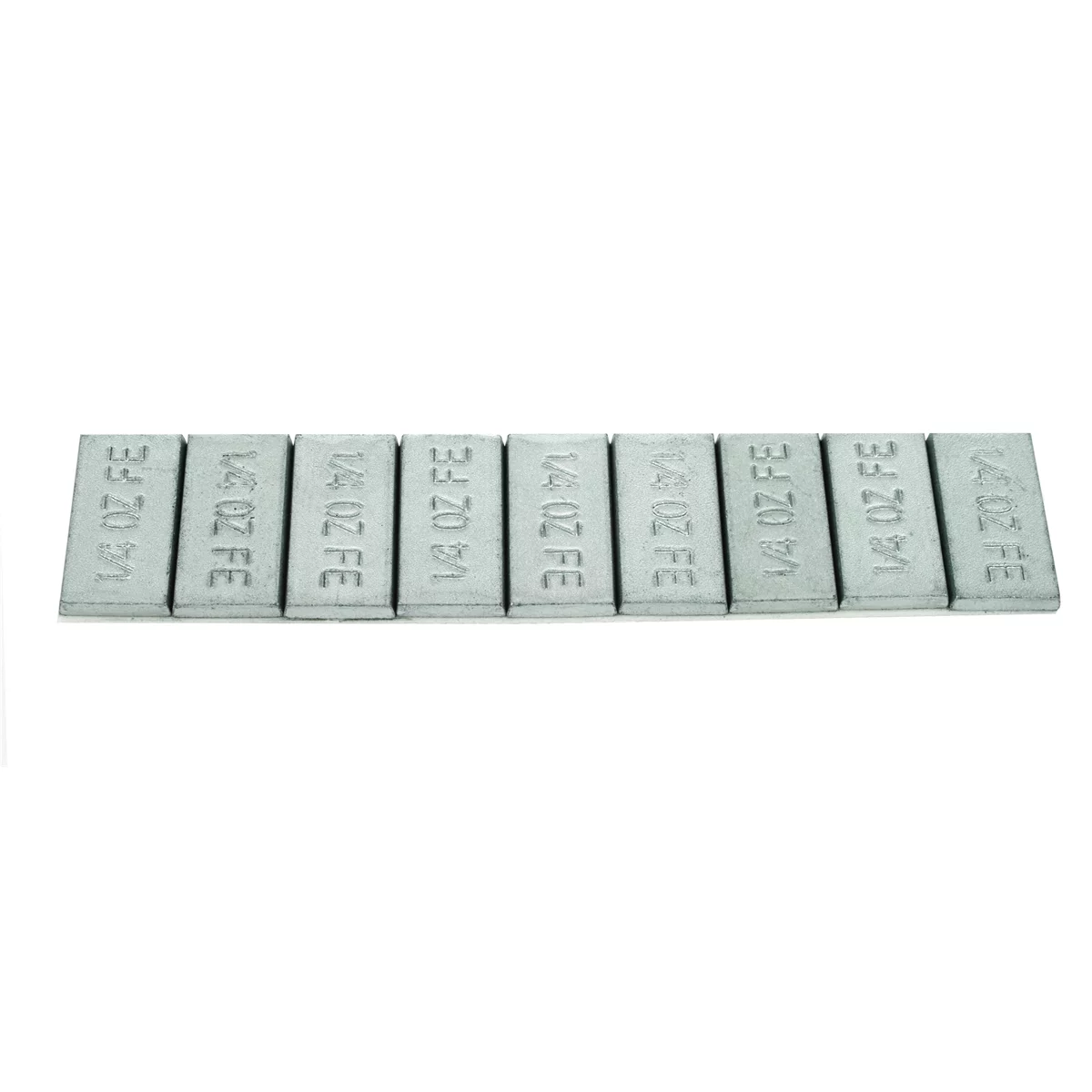
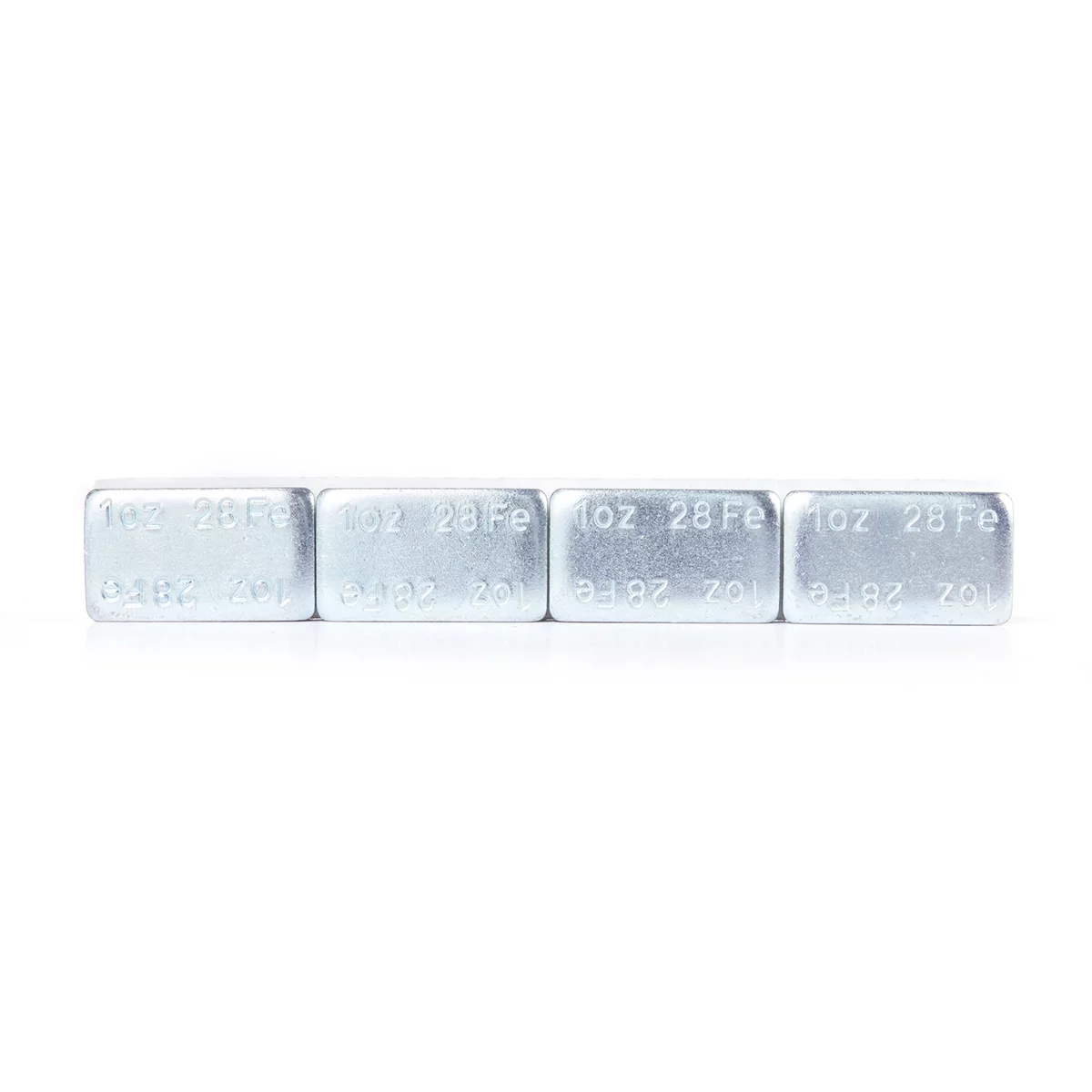
1 oz Segment Low Profile Steel Tape Wheel Weights (36 strips)
Mfg: Tire Mechanic's Resource
Part #: 6001-FET-18
ID: 388916
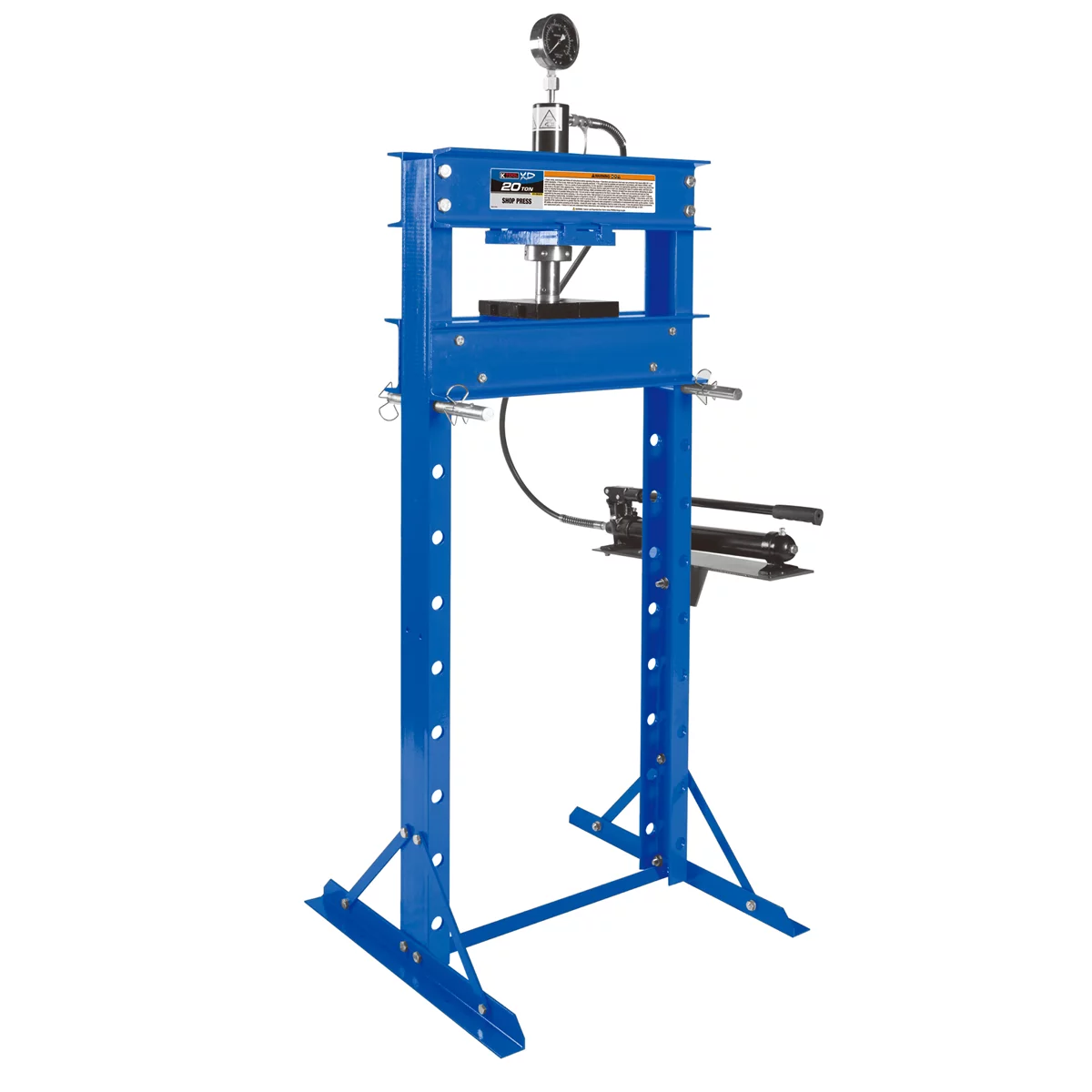
Alloy wheels can often be straightened by specialized wheel repair shops, contrary to the common belief that only steel wheels can be trued. Modern wheel repair facilities use hydraulic presses and specialized equipment designed specifically for aluminum alloy wheels, and many shops service dealerships that sell premium brands. The key distinction is severity and location of the bend.
When a wheel comes in with visible deformation, a reputable wheel repair shop will assess whether the damage falls within repairable limits. Minor bends in the outer lip or slight distortions in the barrel can typically be corrected without compromising structural integrity. However, severe bends—particularly those affecting the spoke area or creating sharp creases in the aluminum—often exceed safe repair thresholds. Cracks, which sometimes accompany severe bends, make the wheel unrepairable regardless of bend severity.
The repair process involves mounting the wheel on a specialized lathe or using hydraulic equipment to gradually apply pressure and restore the wheel to its original geometry. Professional shops will test runout after straightening to ensure the wheel meets manufacturer specifications, typically within 0.030 to 0.050 inches of radial and lateral runout. Wheels that cannot achieve these tolerances should be replaced rather than repaired.
When evaluating whether to repair or replace, consider the wheel’s age and overall condition. A newer wheel with a single bend and no corrosion is an excellent repair candidate. An older wheel with multiple previous repairs, corrosion, or finish deterioration may not be worth the repair cost, especially if you’re planning to address only two wheels. Replacing all four wheels with aftermarket alternatives often costs less than repairing two premium OEM wheels, particularly when factoring in mounting, balancing, and potential future failures.
Immediate Drivability Assessment
The most common question after bending wheels is whether the vehicle can be driven to a repair facility. The answer depends primarily on tire integrity and the severity of deformation. If both damaged tires hold air pressure and the vehicle can maintain a straight line at low speeds without pulling severely, short-distance driving to a nearby shop is generally feasible. However, several critical limitations apply.
First, restrict driving to local streets at speeds below 35 mph. Highway speeds amplify any imbalance or wobble exponentially, creating dangerous vibrations and increasing the risk of catastrophic tire failure. The constant vibration at higher speeds also accelerates wear on already-stressed suspension components, potentially turning repairable damage into failed bushings, worn tie rod ends, or damaged wheel bearings.
Second, monitor tire pressure closely. Even if the tire initially holds air, the bead seal may be compromised by rim deformation, leading to slow leaks. A tire that loses pressure while driving can separate from the rim suddenly, especially during turning or braking. Check pressure before driving and again after arriving at the destination.
Third, avoid any situation requiring emergency maneuvers. With bent wheels, the vehicle’s handling characteristics are compromised. Steering response becomes unpredictable, and braking may cause pulling to one side. Plan the route to avoid highways, heavy traffic, and any conditions that might require sudden stops or evasive action.
If either tire shows signs of sidewall damage, has lost air, or if the wheel damage is severe enough to contact brake components or suspension parts, do not drive the vehicle. Arrange for towing instead. The cost of a tow is minimal compared to the potential for causing additional damage or creating a safety hazard for yourself and other drivers.

Critical Suspension Components to Inspect
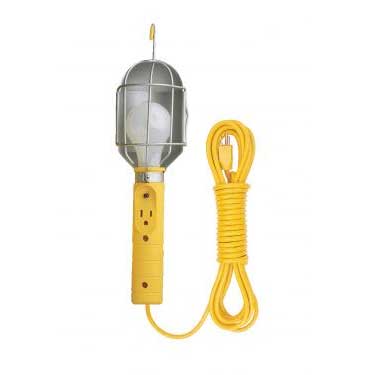
Metal Shield Incandescent Utility Light w/ 18 Gauge Cord
Mfg: Bayco Products
Part #: SL-425
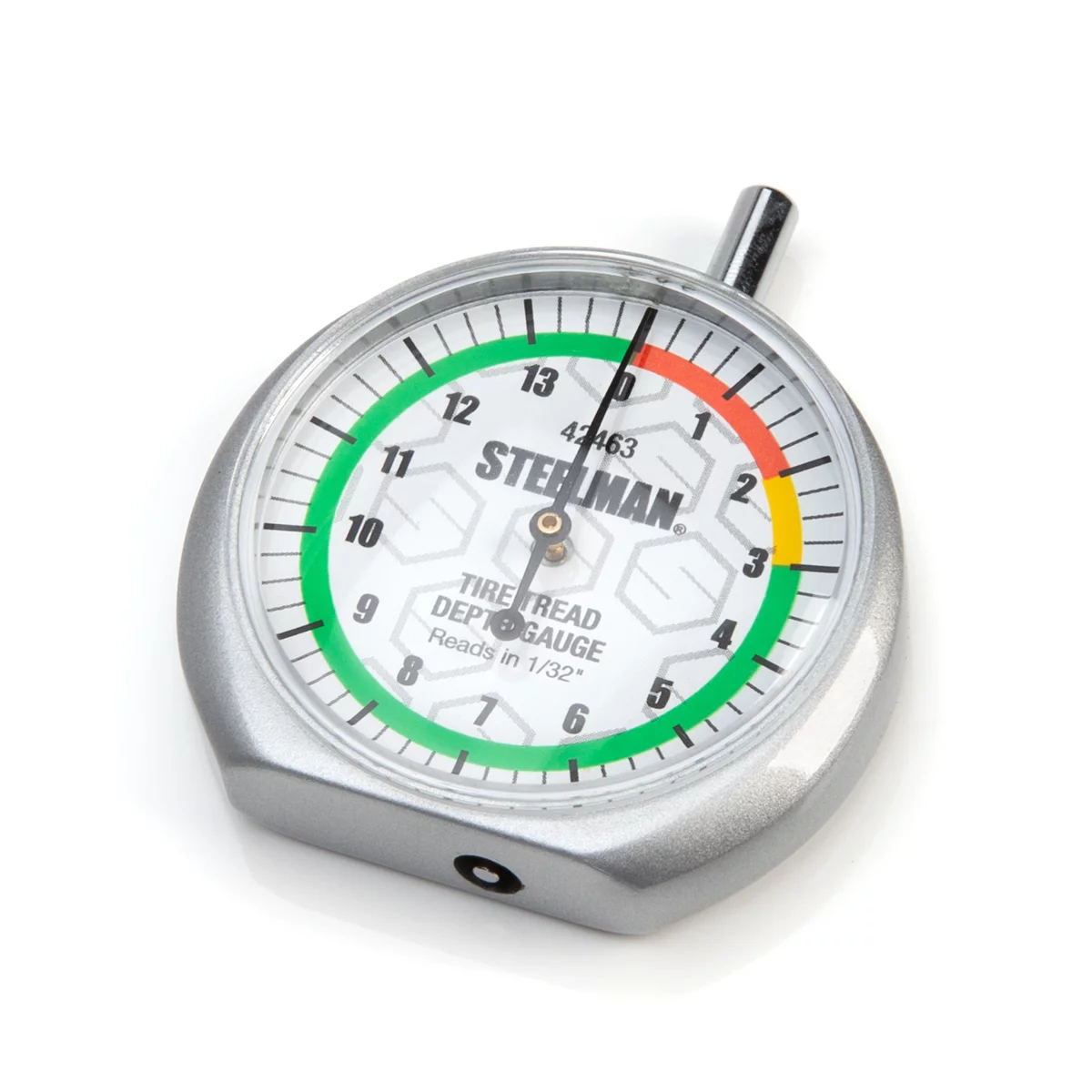

Mercedes Benz one two inchch Drive 10 Point Socket Kit 8mm and 10mm
Mfg: Baum Tools
Part #: MBWHEELKIT
ID: 116434
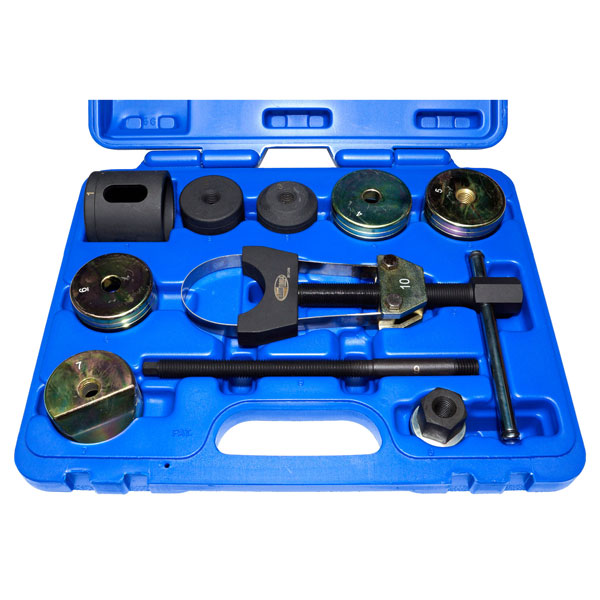
E87/90/93 M3 Rear Lower Control Arm Bushing Ball Joint Remover and Installer BMW
Mfg: Baum Tools
Part #: B334470KIT
ID: 150081
188303 57KIT8 Sunex Tools SUU-57KIT8 8 PIECE PRESS ACCESSORY KIT
Mfg: Sunex Tools
Part #: 57KIT8
ID: 188303
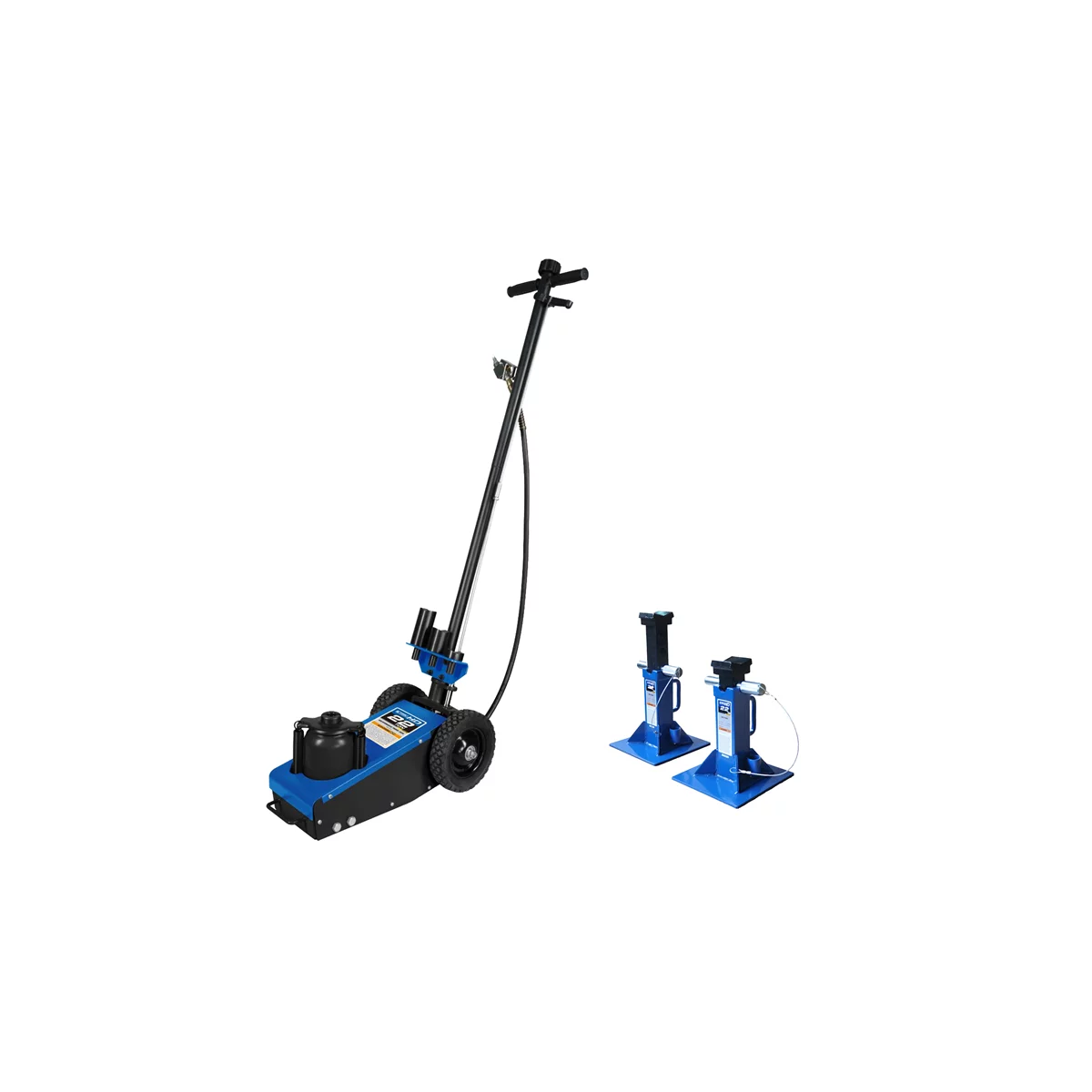
22 Ton Air/Hydraulic Truck Jack AND heavy duty 22-ton jack stands
Mfg: K Tool International
Part #: 63197KIT1
ID: 391664
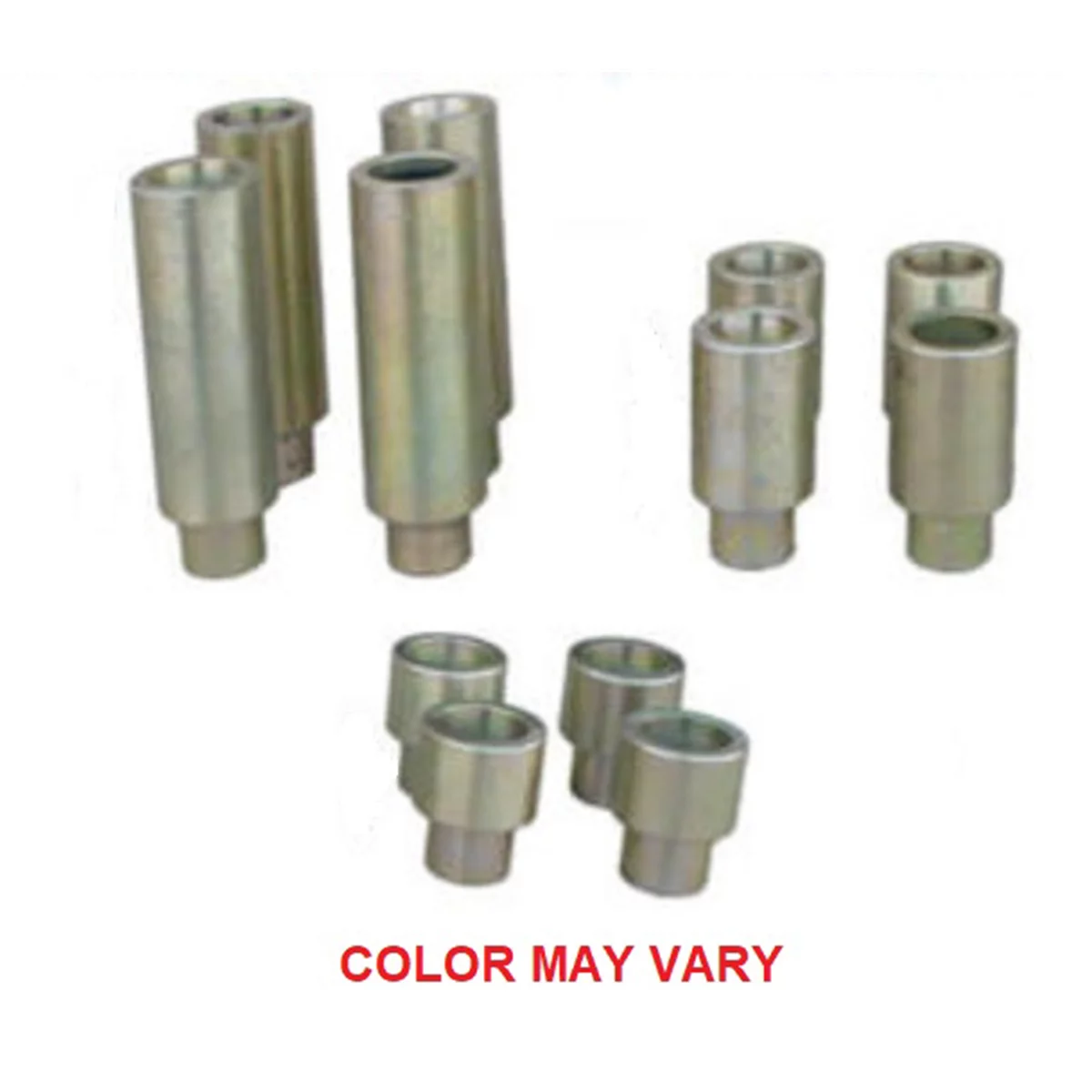
Atlas Equipment Atlas 12 Piece Truck Adapter Kit (4 ea two inch, three inch, six inch) (1.five inch Peg)
Mfg: Atlas Automotive
Part #: ATTD-ADPTKIT1
ID: 421929
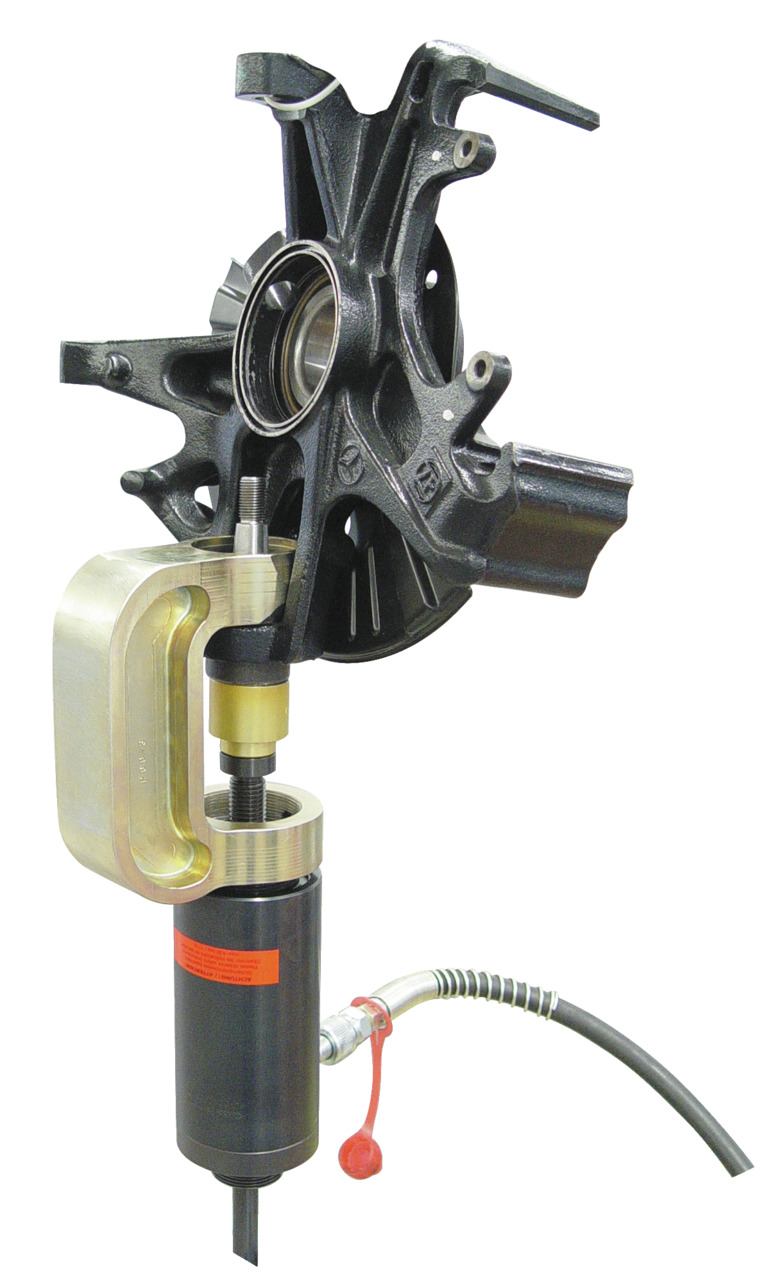
The impact force that bends wheels doesn’t dissipate at the rim. It transfers through the entire suspension assembly, and several components are particularly vulnerable to damage that may not be immediately apparent during a visual inspection.
Wheel Bearings: While wheel bearings are engineered to handle substantial loads, a severe impact can damage the races or cause the bearing to shift in its housing. The challenge with wheel bearing damage is that it’s often subtle initially. The bearing may feel fine when checking for play by hand, but develop noise or roughness under load. Listen carefully while test-driving after wheel repair—a damaged bearing typically produces a humming or growling noise that increases with speed and may change pitch during turning. Some technicians argue that wheel bearings rarely sustain damage from impacts that only bend wheels, given their robust design, but it remains worth checking, particularly on higher-mileage vehicles where bearings may already have accumulated wear.
Control Arms and Bushings: Control arm bushings absorb constant vibration and flex during normal operation, and a severe impact can tear or separate them internally. Visual inspection may show nothing wrong, but the bushing rubber has separated from the inner sleeve, allowing excessive movement. Check for torn rubber, visible separation, or displacement of the bushing within its housing. The control arm itself can also bend, particularly on vehicles with stamped steel arms. Sight down the arm to check for bends or distortion. A bent control arm will throw off alignment settings and may cause handling problems even after alignment adjustment.
Tie Rods and Steering Components: The same impact that bends wheels can bend tie rods or damage tie rod ends. Check for bends in the tie rod shaft and excessive play in the tie rod ends. Grab the tire at 3 and 9 o’clock and attempt to move it side to side—excessive play indicates worn or damaged tie rod ends. Also inspect the steering rack boots for tears or leaks, as a hard impact can damage the rack itself.
Struts and Shocks: While struts and shocks are designed to absorb impacts, a severe hit can damage the shock body, bend the strut shaft, or damage the mounting points. Check for fluid leaks around the shock body, and inspect the strut shaft for bends or scoring. On strut-equipped vehicles, check the strut mount and bearing for damage or separation.
In many cases, the only component that fails immediately is a control arm bolt, which shears rather than allowing the force to damage more expensive components. This is actually a positive failure mode—the bolt is designed to be a weak point that protects the more expensive suspension components. However, don’t assume that because nothing obvious broke, nothing was damaged. A thorough inspection is essential.
Alignment and Long-Term Driving Safety
Even if the suspension inspection reveals no obvious damage, a four-wheel alignment is mandatory after any impact severe enough to bend wheels. The forces involved can shift alignment settings even without visible component damage, and driving on bent wheels—even temporarily—can further alter alignment as components flex and settle.
Before performing the alignment, ensure all damaged wheels are repaired or replaced. Attempting to align a vehicle with bent wheels installed will produce meaningless results and waste both time and the customer’s money. Mount the repaired or new wheels, torque the lug nuts to specification, and then perform the alignment.
During the alignment process, pay close attention to whether the settings can be brought within specification. If toe, camber, or caster settings cannot be adjusted to specification, it indicates bent or damaged suspension components that weren’t caught during visual inspection. Common culprits include bent control arms, shifted subframe mounts, or bent strut assemblies. Document which settings cannot be corrected and use that information to guide further diagnosis.
After alignment, a test drive is essential to verify handling and identify any remaining issues. The vehicle should track straight without pulling, and steering should return to center normally after turns. Any vibration, pulling, or unusual handling characteristics indicate either incomplete repairs or damage that wasn’t identified during inspection. Don’t release the vehicle to the customer until it drives normally—discovering problems after the customer leaves creates frustration and suggests incomplete workmanship.
Practical Repair Strategy and Cost Management
When presenting options to customers, provide clear information about repair versus replacement costs and the pros and cons of each approach. Wheel repair typically costs between seventy-five and one hundred fifty dollars per wheel, depending on damage severity and local market rates. Replacement wheels vary dramatically in price—steel wheels may cost as little as fifty to one hundred dollars each, while OEM alloy wheels for premium vehicles can exceed three hundred dollars per wheel. Aftermarket alloy wheel sets often provide a middle ground, with complete four-wheel sets available for four hundred to seven hundred dollars shipped, sometimes including new lug nuts.
For customers on tight budgets, repairing the damaged wheels is usually the most economical immediate solution, provided the wheels are repairable. However, if the wheels are older, have previous repairs, or show significant corrosion, replacement may offer better long-term value. Repaired wheels can sometimes develop issues later, particularly if the original damage was near the upper limit of what’s repairable.
A practical approach for two bent wheels is to have them assessed by a wheel repair specialist first. If both are deemed repairable with high confidence, proceed with repair. If one or both are marginal or unrepairable, price out aftermarket wheel sets before committing to replace only the damaged wheels. Often, the cost difference between replacing two OEM wheels and installing a complete aftermarket set is minimal, and the complete set ensures all wheels match in finish and specifications.
Don’t forget to factor in mounting and balancing costs. Shops typically charge fifteen to thirty dollars per wheel for mount and balance, so moving tires from bent wheels to new or repaired wheels adds sixty to one hundred twenty dollars to the total repair cost. Also budget for alignment, typically seventy-five to one hundred fifty dollars for a four-wheel alignment.
For insurance claims, document everything thoroughly. Photograph the damage from multiple angles, document all damaged components found during inspection, and provide detailed estimates for repair or replacement. Some insurance policies cover wheel and tire damage, particularly if it’s part of a larger incident, but coverage varies significantly by policy and deductible amounts.
Quick Reference Damage Assessment Checklist
Use this checklist when assessing a vehicle with bent wheels from impact damage:
- Remove damaged wheels and inspect for cracks, severe bends, or spoke damage
- Check tire condition including sidewalls, bead area, and internal liner
- Inspect wheel bearings for play, noise, and roughness when rotating by hand
- Examine control arms for bending and bushings for tears or separation
- Check tie rod ends for play and tie rods for bending
- Inspect struts/shocks for leaks, bent shafts, and damaged mounts
- Verify brake components are not damaged or contacting deformed wheel
- Test drive at low speed after wheel repair to identify bearing noise or handling issues
- Perform four-wheel alignment and verify all settings can reach specification
- Final test drive to confirm normal handling and absence of vibration

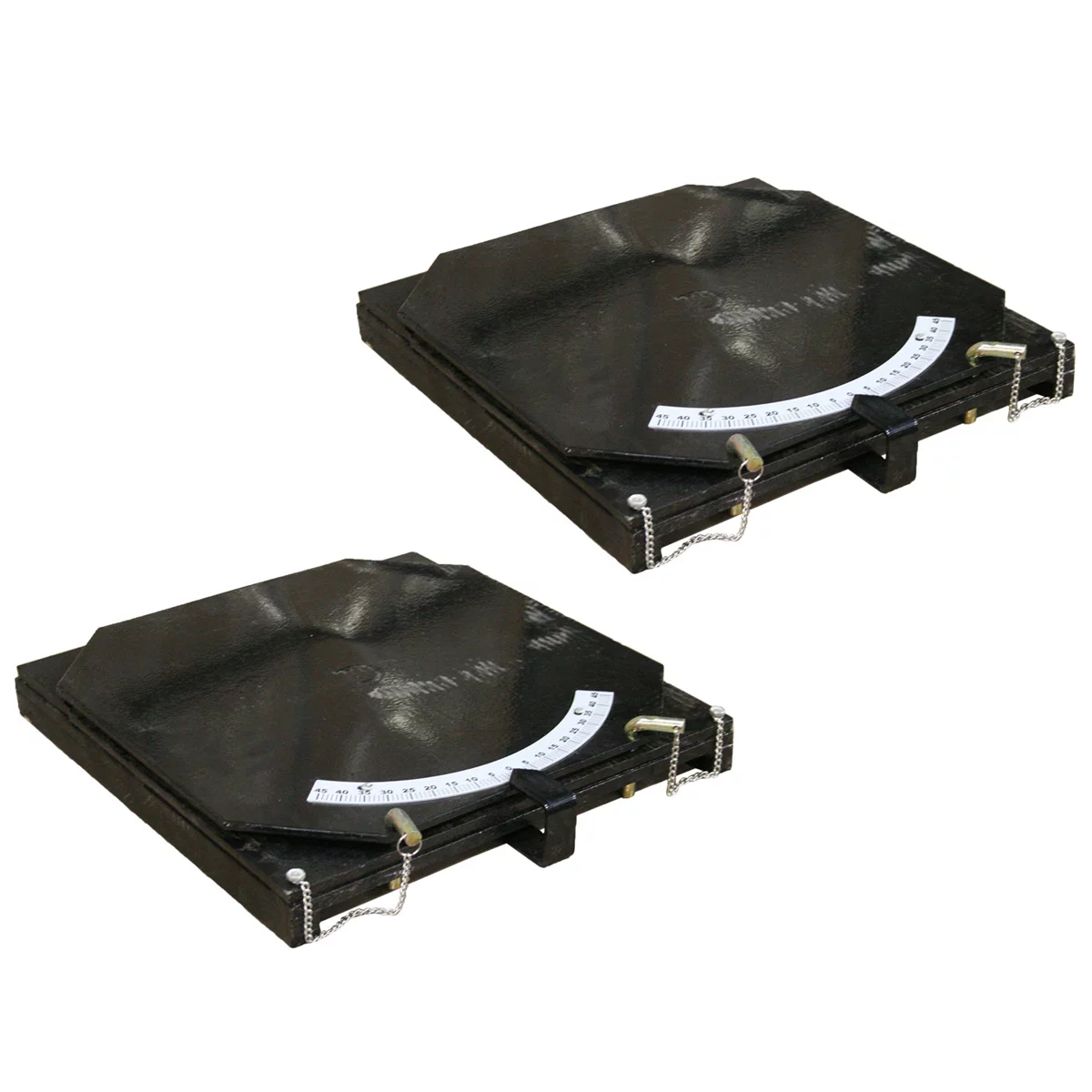
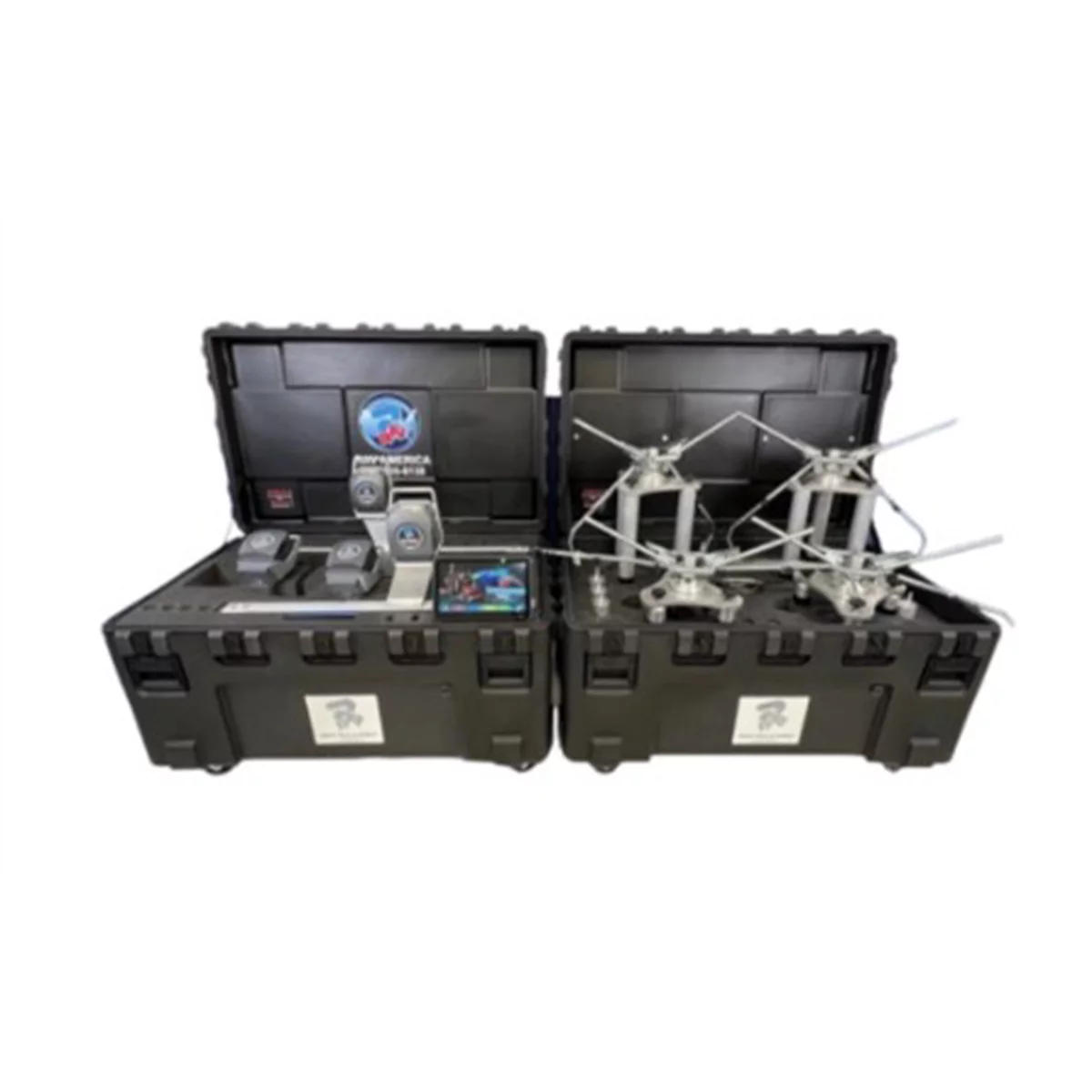
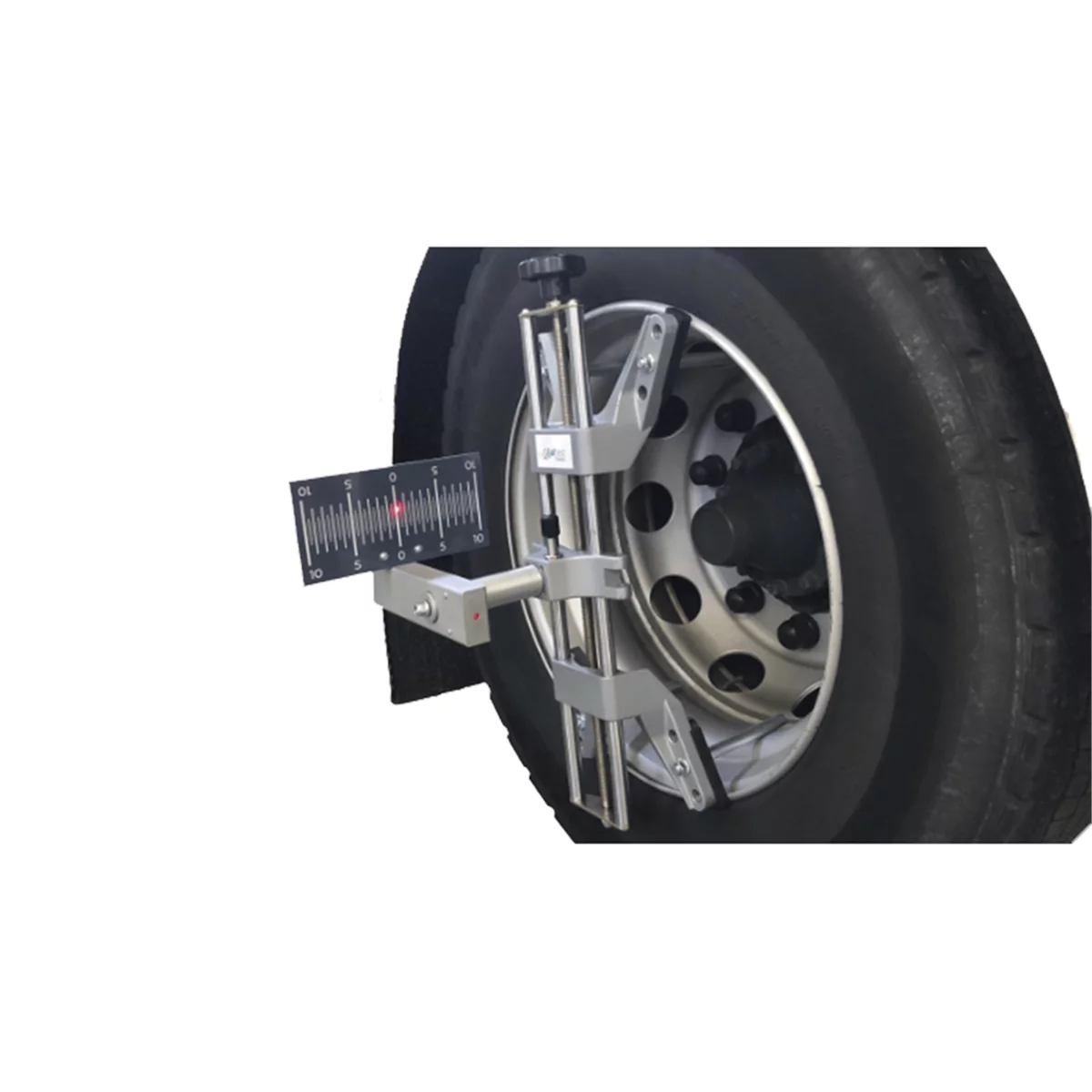
Atlas Equipment Edge Sprint 2 Mobile Truck Alignment System
Mfg: Atlas Automotive
Part #: ATEDGE-TD6000CNAK2
ID: 388817
Frequently Asked Questions
Can alloy wheels be straightened like steel wheels?
Yes, specialized wheel repair shops can straighten bent alloy wheels using hydraulic presses and specialized equipment. The process works for minor to moderate bends, but severely damaged wheels with cracks or sharp creases cannot be safely repaired and must be replaced.
How far can I drive on bent wheels?
If the tires hold air and the damage isn’t severe, you can typically drive short distances at low speeds (under 35 mph) to reach a repair facility. Avoid highway driving entirely, as the vibration and imbalance at higher speeds can cause additional suspension damage and increases the risk of tire failure.
Will bent wheels damage my wheel bearings?
The impact that bends wheels can potentially damage wheel bearings, though bearings are quite robust and don’t always sustain damage. The concern is that bearing damage may not be immediately obvious—it often manifests as noise under load that develops after driving. A thorough inspection and careful listening during test drives after repair is recommended.
Do I need an alignment after fixing bent wheels?
Yes, absolutely. Any impact severe enough to bend wheels can alter alignment settings, and driving on bent wheels can further change alignment as suspension components flex. A four-wheel alignment should be performed after wheels are repaired or replaced to ensure safe handling and prevent premature tire wear.
Should I repair or replace bent alloy wheels?
It depends on damage severity, wheel age, and cost comparison. Minor to moderate bends on newer wheels are good candidates for repair, typically costing seventy-five to one hundred fifty dollars per wheel. Severe damage, older wheels with corrosion, or situations where replacement costs are comparable to repair favor replacement instead.
What other damage should I look for after bending wheels?
Inspect control arms and bushings for bending or separation, tie rods and steering components for damage or excessive play, struts and shocks for leaks or bent shafts, and brake components for contact damage. The impact force transfers through the entire suspension system, and hidden damage is common even when components look normal during casual inspection.
Recommended Tools for Suspension and Wheel Inspection
Central Tools 6479A Precision Rotor & Ball Joint Measurement Too
Mfg: Central Tools
Part #: 6479A
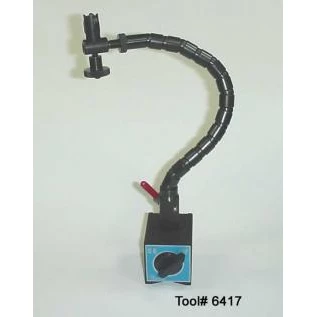
Magnetic Flex-Arm Base 6417 for Precision Tool Positioning
Mfg: Central Tools
Part #: 6417
![Chrysler-Spline Alignment Tool [for T-1318]](https://www.toolsource.com/images/prod_images/110921.jpg)
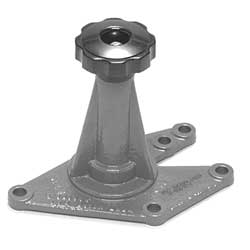

Ford Bell Housing to Front Pump Connecting Alignment Tool Kit
Mfg: Atec Trans-Tool
Part #: T-0168-K
ID: 94254
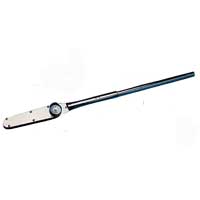
94637 10005LDFN CDI Torque Products 10005LDFN 1 Inch Drive Dual Scale Dial Torque Wrench – 0-1000 Ft/Lb
Mfg: CDI Torque Products
Part #: 10005LDFN
ID: 94637
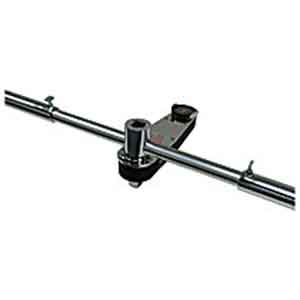
97661 20005LDFESS CDI Torque Products 20005LDFESS 1 Inch Drive Dial Torque Wrench w/ Light and Buzzer – 0-2000 Ft/Lb
Mfg: CDI Torque Products
Part #: 20005LDFESS
ID: 97661

one two inchch Drive Torque Wrench – Dial Type – 250 ft-lbs
Mfg: CDI Torque Products
Part #: 2503LDFNSS
ID: 90833
After impact damage, a thorough inspection of suspension components is essential before reassembling the vehicle. Our Tire Tools, Wheels & Suspension category provides the equipment needed to assess wheel condition, check bearings, and inspect suspension components.
- Specialized tools for wheel assessment and tire inspection
- Suspension diagnostic equipment for bearing and component checks
- Alignment and measurement tools for post-repair verification
Essential Tools for Wheel and Suspension Work
Whether you’re inspecting your wheels after an impact or performing routine maintenance, having the right tools makes all the difference. Explore our complete selection of automotive tools to handle wheel repairs, alignment checks, and suspension diagnostics with confidence.
Wheel damage can extend beyond visible bending, affecting your vehicle’s safety and performance. Explore our complete selection of automotive tools and equipment to properly assess and address wheel-related issues.
Whether you’re dealing with minor dents or major structural damage, having the right tools and equipment on hand makes all the difference. Explore our complete collection of automotive repair and diagnostic tools to handle wheel issues and related vehicle maintenance.
- Wheel Repair Tools: Professional-grade solutions for straightening, balancing, and assessing wheel damage
- Diagnostic Equipment: Advanced tools to identify suspension and alignment issues after impact
- Safety & Inspection Gear: Essential equipment for thorough post-collision vehicle assessment

The Toolsource Technical Team blends decades of real-world automotive service experience with up-to-date technical research. Our writers collaborate with professional mechanics, shop owners, and diagnostic specialists to deliver practical, workshop-ready guidance you can trust.


Follow us on social media