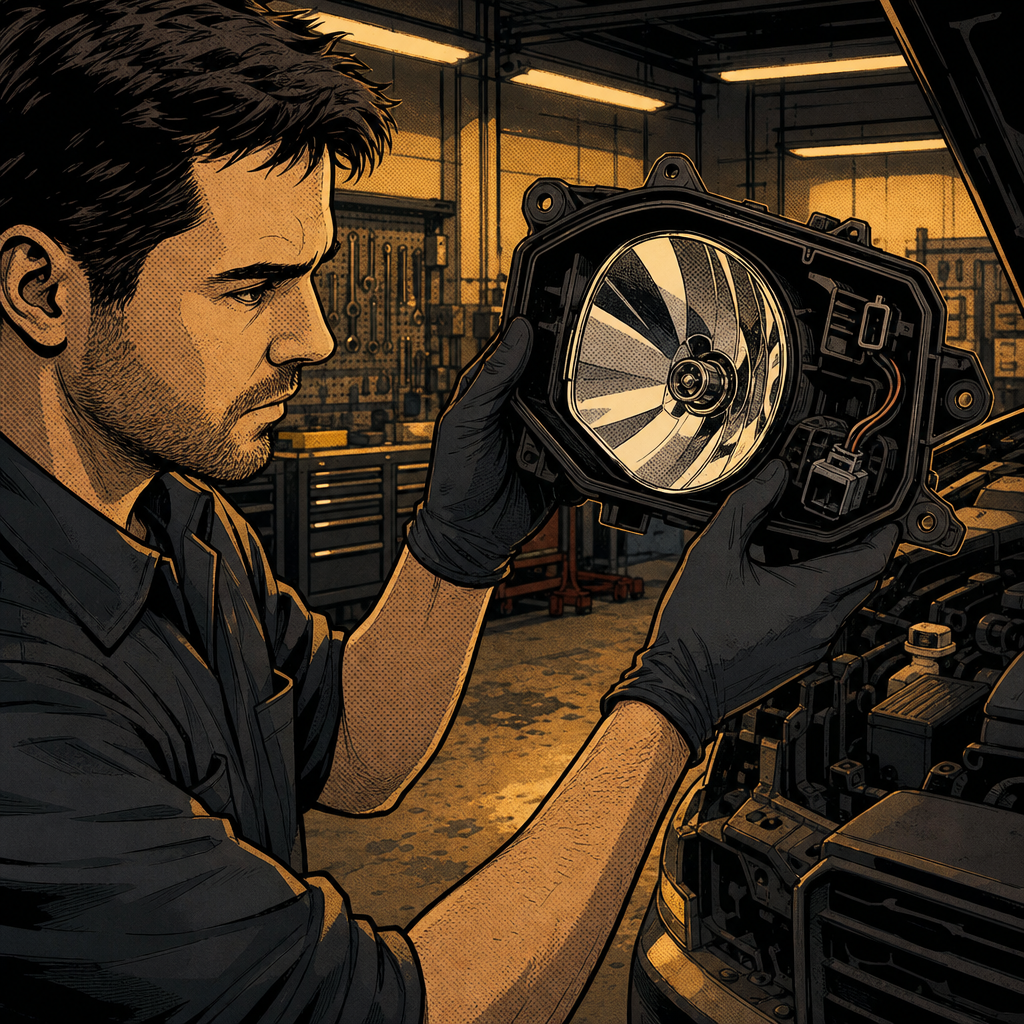
Complaints about blinding oncoming headlights and washed-out mirrors have moved from internet grumbling to a steady stream of comebacks at the service counter. Some of it is a genuine design shift toward higher-output LED lighting; a lot of it is aftermarket LED bulbs jammed into housings that were never engineered for them. Add in LED tail light assemblies that fail outright and cost far more to replace than the sealed-beam or halogen units they replaced, and you’ve got a lighting complaint category that’s only getting bigger. Here’s how to work through it systematically instead of guessing.
1. Separate “Too Bright by Design” From “Improperly Modified”
Before touching a bulb, figure out which category you’re dealing with. Factory LED and HID headlights are engineered as a complete system: projector optics, beam cutoff, self-leveling in many cases, and a specific color temperature (usually 4000-6000K) validated during DOT/SAE certification. These are legitimately bright, but they’re aimed and shaped to put light on the road, not into oncoming eyes.
The much more common issue at the counter is a factory halogen reflector housing that someone retrofitted with an aftermarket LED or HID bulb. Halogen reflector housings are designed around the filament geometry of a halogen bulb — a specific size, shape, and light-emission point. An LED “bulb” emits light from a different geometry (often flat-mounted diodes or a cluster around a heat sink), so the reflector scatters that light unpredictably. The result is exactly the complaint you hear about: glare, hot spots, and no usable cutoff line, even though the driver thinks their new bulbs are “brighter and better.”
Ask the customer (or check the invoice history) whether headlight bulbs were replaced with anything other than an OEM-spec halogen or matching factory LED module. That single question resolves most glare comebacks.
2. Inspect for Non-Compliant Bulbs and Aftermarket Light Bars
Popular “LED conversion kit” and off-road light bar packaging often carries an “Off-Road Use Only / Not DOT Approved” disclaimer specifically so the seller isn’t liable when a customer runs them on public roads. That doesn’t stop installs. During any lighting-related inspection:
- Remove the housing cover or trim ring and check for a bulb base that doesn’t match the OEM part number stamped near the socket.
- Look for heat-sink fins, cooling fans, or a driver module wired inline — none of these exist on a factory halogen circuit.
- Check color temperature by eye against a known-good factory bulb; anything visibly blue-white (6000K+) in a reflector housing not designed for LED/HID is a red flag.
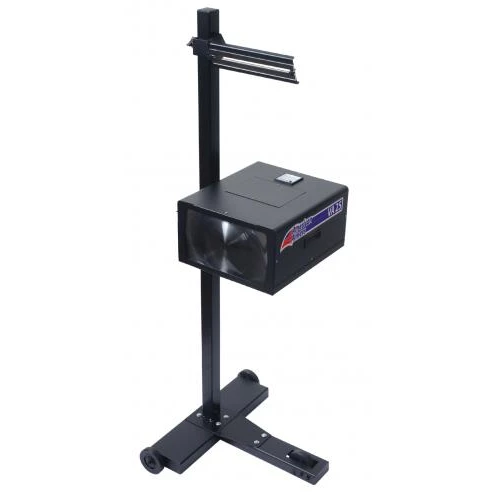
- Confirm aim with a headlight aiming tool or wall pattern test — retrofit bulbs almost always throw the cutoff line off, even if the housing itself is unmodified.
Document what you find before you touch anything. If a customer wants the lights restored to a compliant, safely-aimed state, you’ll want a before/after record for the invoice and for your own liability.
3. Correct the Fix — Don’t Just Reinstall the Same Kit
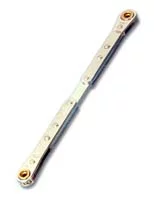
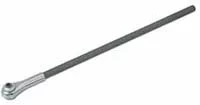
The direct fix for a glare complaint traced to a retrofit bulb is straightforward: pull the aftermarket bulb and reinstall an OEM-spec halogen bulb matched to the factory part number. This restores the reflector’s designed beam pattern immediately, at minimal cost. If the customer specifically wants an LED upgrade, the only way to do it correctly is a full headlight assembly swap to a unit designed for LED from the factory (projector-style housing with proper light source geometry), not a bulb swap into an existing reflector housing.
After any bulb or housing change, re-aim the headlights. Aiming drifts from just handling the housing, and a correctly-sourced bulb in a poorly-aimed housing will still generate complaints. Use a wall-and-tape-measure static aim or a laser/optical aiming tool per the OEM procedure, and always check both headlights together — mismatched aim between sides is nearly as noticeable as excess brightness.
4. Diagnosing Failed LED Tail Light and Headlight Assemblies
Unlike a burned-out incandescent filament, an LED failure is rarely a simple bulb swap because most LED tail lights and headlights are sealed assemblies with the diodes integrated into the housing. Work through failures in this order:
- Check the connector and ground first. A large share of “dead” LED lighting complaints are corroded grounds or a damaged multi-pin connector, not diode failure — LEDs are far more sensitive to voltage drop and poor grounds than incandescent bulbs were.
- Check for water intrusion. Condensation or fogging inside a sealed LED housing indicates a failed gasket or cracked lens, which degrades the internal driver board and diodes over time even if the light still functions today.
- Test the driver module, if the assembly has one. Many LED tail lights use a small onboard driver board to regulate current; a failed driver often presents as flickering, partial-segment failure, or one function (brake vs. running light) working while another doesn’t.
- Confirm actual diode failure only after ruling out the above — look for a dark segment or dead zone in the light pattern with a good ground and clean connector confirmed.
When it is genuine diode or driver failure, be upfront that repair generally means replacing the entire assembly, not a bulb. Depending on the vehicle, that can range from a straightforward bolt-in unit to a job requiring bumper cover or trim removal, which is where labor time — and customer sticker shock — comes from. Setting that expectation before you quote the job avoids disputes later.
5. Set Customer Expectations on Cost and Warranty
LED assemblies are marketed as lasting the life of the vehicle, and the diodes themselves often do outlast the vehicle. What fails is everything around them: seals, connectors, and driver electronics exposed to heat and vibration for years. It’s worth explaining this distinction to customers who are frustrated by a “$1,500 part that was supposed to last forever” — the diode didn’t fail, a supporting component did, and the assembly is rarely serviceable at the component level.
Also flag that many extended warranties and bumper-to-bumper contracts specifically exclude lighting as a wear item, so check coverage before promising a warranty repair. If you stock a used or aftermarket-compatible assembly option, present it alongside OEM pricing — used LED tail light assemblies are a common, legitimate cost-saving path when the failure is cosmetic/electrical rather than accident-related.
Quick Reference Checklist: Lighting Complaint Diagnosis
- Confirm whether the complaint involves factory lighting or a modified/retrofit bulb
- Inspect bulb base, heat sink, and color temperature against OEM spec
- Check aim with a proper aiming tool before and after any bulb/housing work
- For failed LED assemblies: test connector and ground before assuming diode failure
- Inspect for water intrusion or cracked lens gaskets on sealed LED housings
- Quote assembly replacement, not bulb replacement, for confirmed LED failures
- Check warranty coverage — lighting is often excluded as a wear item
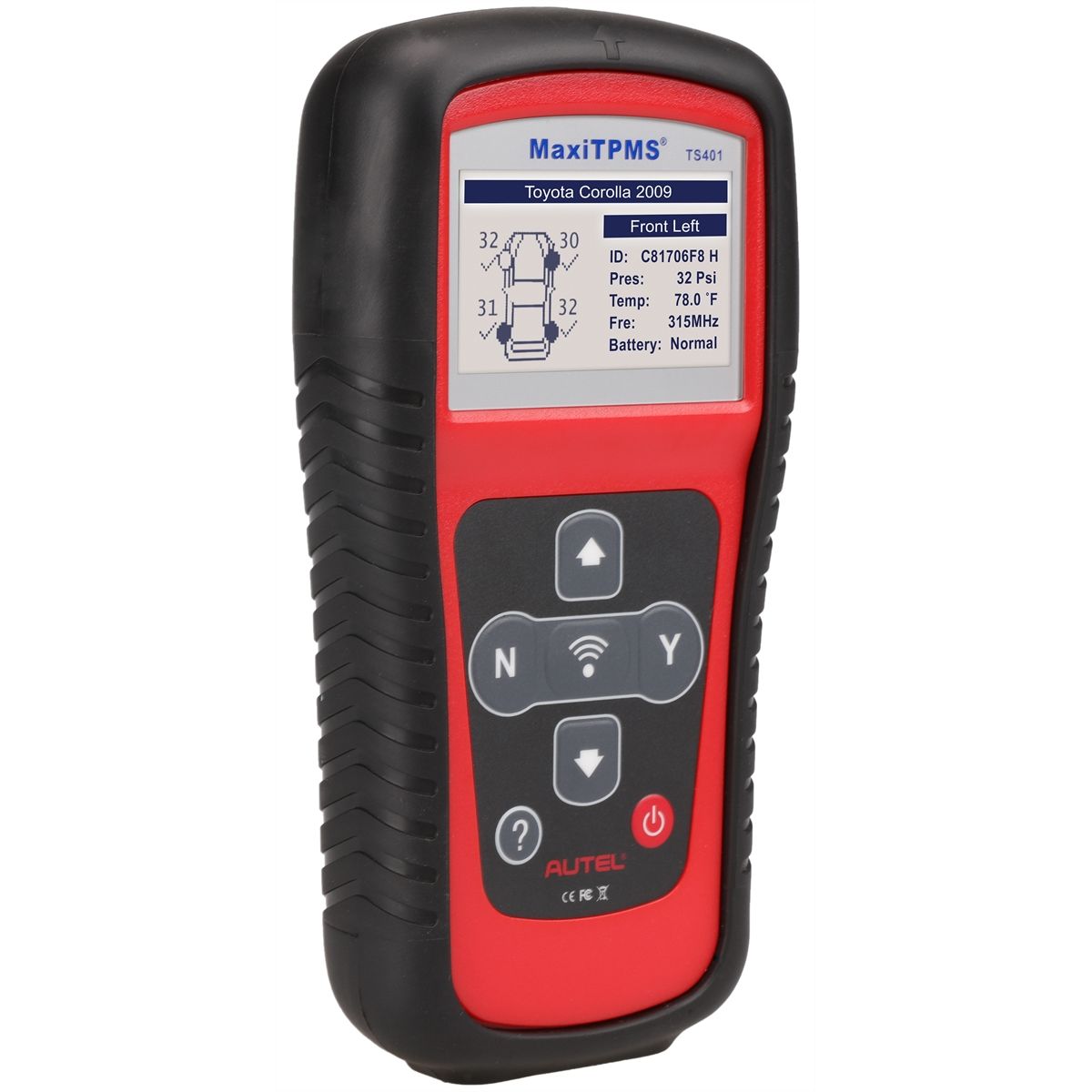
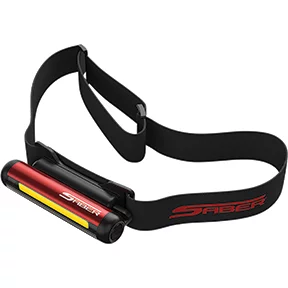
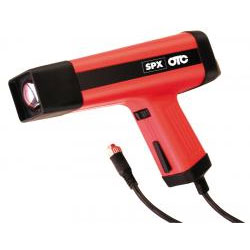
OTC S44555 Vision Premier Timing Light Tool
Mfg: OTC Tools and Equipment
Part #: S44555
FAQs
Q: Are aftermarket LED headlight bulbs illegal?
A: In most reflector-style halogen housings, yes — they don’t meet SAE/DOT beam pattern requirements even if the bulb itself is sold legally, because compliance is certified for the bulb-and-housing combination, not the bulb alone. Many are labeled “off-road use only” for this reason.
Q: Can I just re-aim a headlight after an LED bulb retrofit to fix the glare?
A: Aiming helps but doesn’t fully solve it. The reflector geometry mismatch causes internal scatter and an undefined cutoff line that aiming alone can’t correct. The reliable fix is reverting to an OEM-spec bulb or upgrading to a purpose-built LED assembly.
Q: Why did my LED tail light fail so much sooner than the old incandescent one?
A: Usually it’s not the diode — it’s a failed seal, connector corrosion, or a driver board issue from heat and vibration exposure. True diode burnout is comparatively rare within normal service life.
Q: Can a failed LED tail light assembly be repaired instead of replaced?
A: Occasionally, if the failure is an accessible connector or ground issue. Most sealed assemblies with internal driver or diode failure are not economically repairable and are replaced as a unit.
Q: Will a vehicle inspection catch illegal aftermarket lighting?
A: In states with safety inspections, aim and color/output can be checked, and non-compliant color temperature or scatter patterns can fail inspection. In states without inspections, it typically only gets addressed if it draws a traffic stop.
Q: Does color temperature (e.g., 6000K vs 3000K) affect legality on its own?
A: It’s a strong indicator but not the only factor — compliance depends on the full bulb-and-housing beam pattern, not color alone. Still, factory halogen output is close to 3000-4000K, so a visibly blue-white light in a halogen housing is a reliable sign of a non-compliant retrofit.
Shop Diagnostic Tools
Properly diagnosing modern lighting issues requires the right equipment. From headlight aiming tools to multimeter testers, check our Automotive Diagnostic Tools for LED and lighting system inspection and repair.
- Headlight aiming and alignment tools
- Electrical testing and multimeter equipment
- LED and lighting system diagnostic devices

The Toolsource Technical Team blends decades of real-world automotive service experience with up-to-date technical research. Our writers collaborate with professional mechanics, shop owners, and diagnostic specialists to deliver practical, workshop-ready guidance you can trust.


Follow us on social media