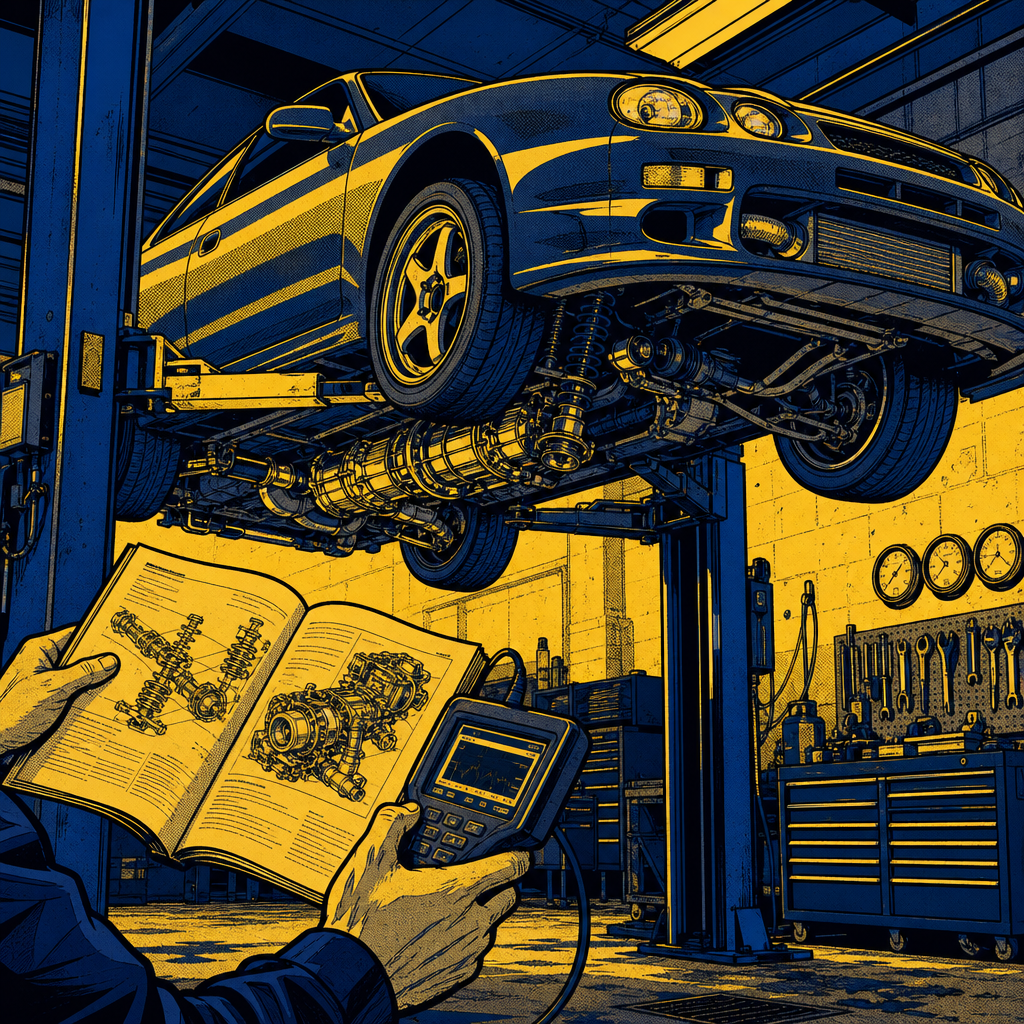
The Toyota Celica GT-Four represents one of the most significant homologation specials to emerge from Japan’s rally-dominated era of the 1990s. Built to qualify for World Rally Championship competition, these turbocharged all-wheel-drive Celicas combined genuine motorsport engineering with Toyota’s typical reliability—when properly maintained. For technicians evaluating these vehicles for customers or personal purchase, understanding the specific inspection points and common failure modes is essential. The GT-Four’s rally heritage means it was built to withstand abuse, but many examples have been modified, tracked, or simply neglected over their 25-30 year lifespan. This guide provides the practical knowledge needed to separate well-maintained examples from problematic ones.
Understanding the GT-Four Model Variants
The Celica GT-Four designation encompasses three distinct generations, each with specific technical characteristics. The ST165 (1986-1989) introduced the turbocharged 3S-GTE engine and all-wheel-drive system, establishing the formula. The ST185 (1990-1993) refined the package with improved aerodynamics and became the basis for Toyota’s dominant rally program. The ST205 (1994-1999) represents the final evolution, featuring a more powerful 3S-GTE variant producing 239-255 horsepower depending on market.
The rarest variant is the Carlos Sainz Edition ST205, produced in limited numbers to commemorate Toyota’s 1992 World Rally Championship. These models feature unique trim, upgraded suspension components, and specific interior appointments. When inspecting any GT-Four, verify the model designation matches the claimed specification—VIN decoding and engine code verification prevent misrepresentation issues.
Regional variations also exist. Japanese-market models typically received higher boost levels and less restrictive exhaust systems compared to European or Australian-delivered cars. US-market Celicas never received the GT-Four designation, though the All-Trac Turbo shared mechanical similarities with detuned specifications. Understanding these differences helps establish appropriate baseline expectations for performance and configuration.
Critical Inspection Points for the 3S-GTE Engine
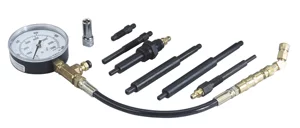
OTC 5020 Diesel Compression Tester with Adapters
Mfg: OTC Tools and Equipment
Part #: 5020
The 3S-GTE inline-four engine is fundamentally robust but presents specific failure modes that require methodical inspection. Begin with a cold start evaluation—excessive smoke or rough idle indicates potential head gasket issues, a common failure point on high-mileage examples. The factory head gasket design proved inadequate for sustained boost, and many engines have been rebuilt with upgraded multi-layer steel gaskets. Request documentation of any head work performed.
Turbocharger condition is critical. The factory CT26 turbo on ST185 models and CT20B on ST205s should spool smoothly without excessive shaft play or oil leakage. Listen for whistling or grinding noises during boost. Many examples have been upgraded to aftermarket turbos—verify proper installation with appropriate boost control and oil feed/return lines. Poorly executed turbo upgrades often lead to overboosting or oil starvation failures.
Inspect the intercooler system for damage, leaks, or poorly executed modifications. The factory top-mount intercooler layout is efficient but vulnerable to heat soak during extended high-load operation. Check all intercooler piping connections and couplers for integrity. Test the boost control system—erratic boost levels suggest vacuum leaks or failing solenoids. Factory boost typically runs 0.8-0.9 bar (11-13 psi) depending on model year and market.
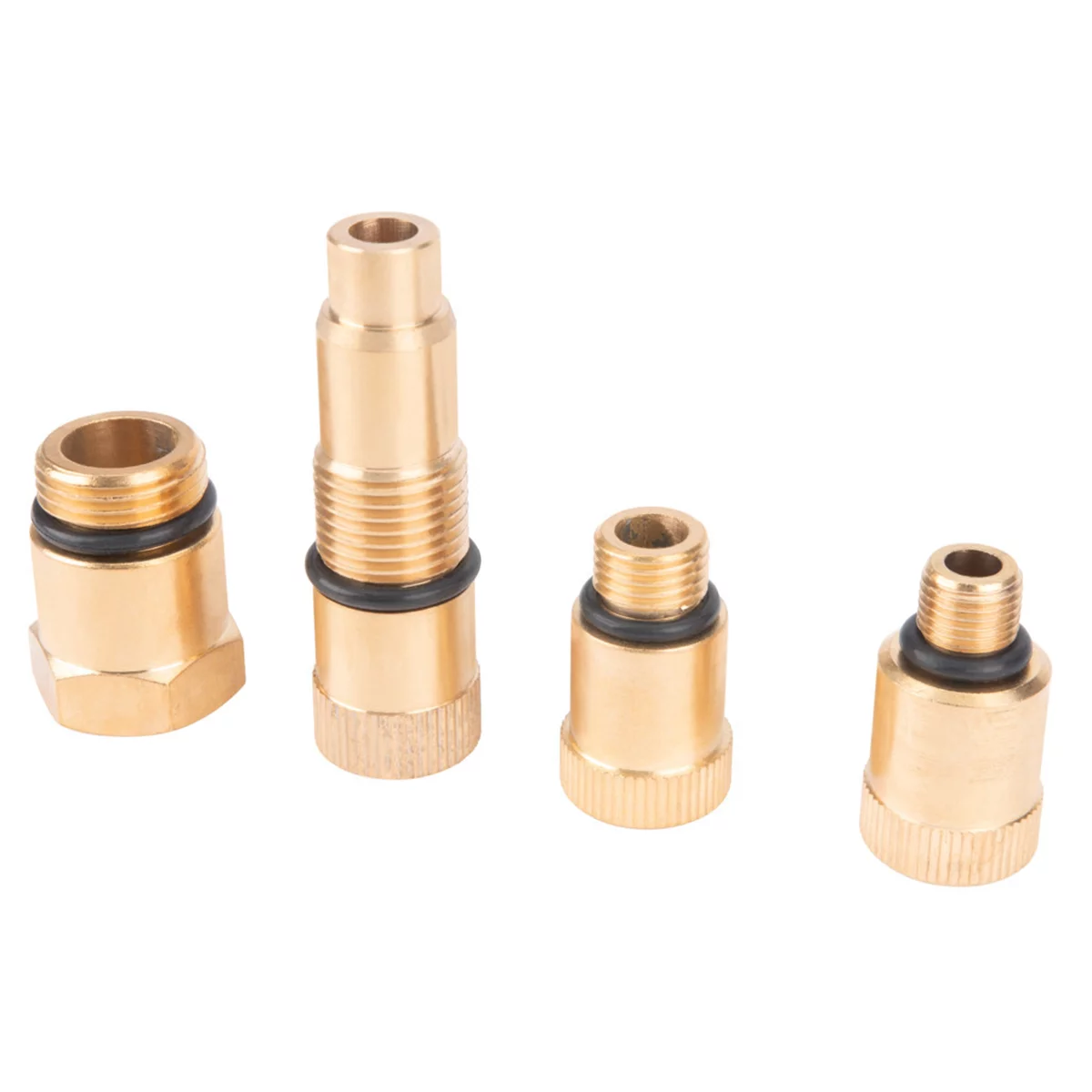
Examine the engine bay for evidence of oil leaks, particularly around the valve cover, cam seals, and oil cooler lines. The 3S-GTE runs a complex oiling system with cooler lines that develop leaks over time. Check coolant condition and inspect for cross-contamination with oil, another head gasket failure indicator. Compression and leak-down testing provides definitive cylinder health data—compression should be consistent across all four cylinders with minimal variation.
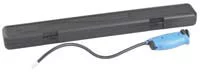
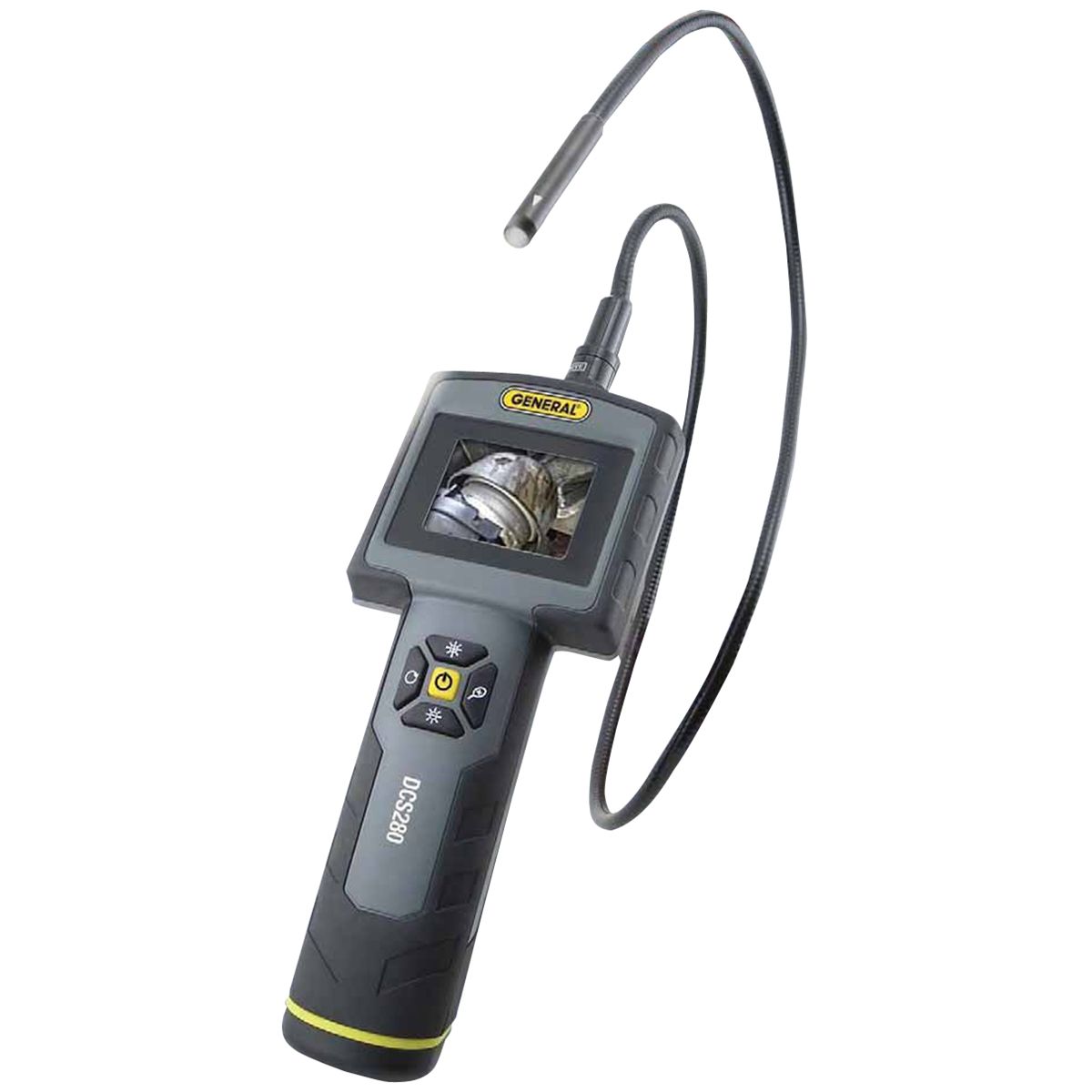
Ruggedized Non-Recording Video Scope
Mfg: General Tools & Instruments
Part #: DCS280
ID: 138227
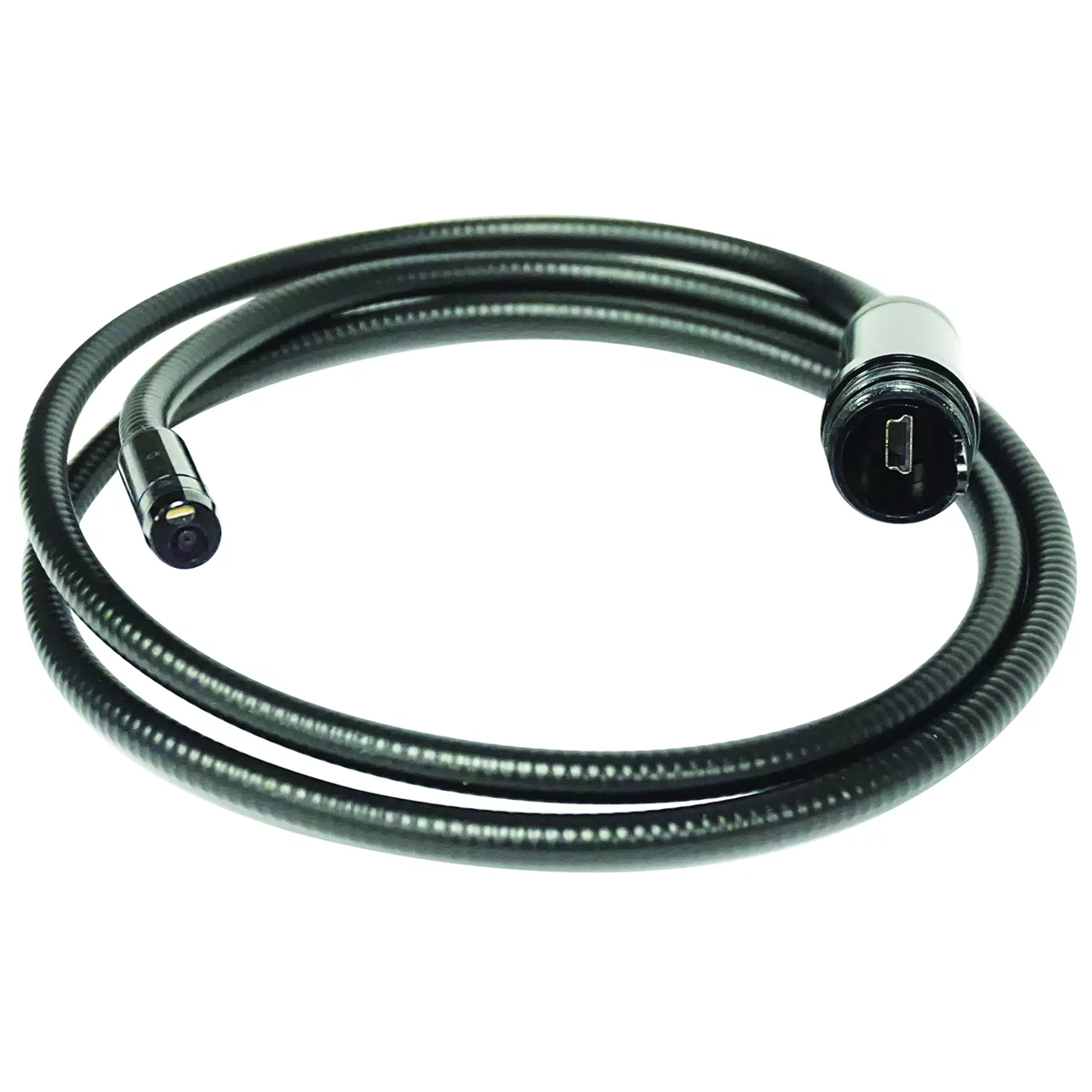
203840 MVIHC85USB Autel.us AUL-MVIHC85USB 8.5MM VIDEO HEAD&CABLE W/ACCES
Mfg: Autel.us
Part #: MVIHC85USB
ID: 203840
All-Wheel-Drive System Evaluation
The GT-Four employs a center differential with viscous coupling and open front and rear differentials on most models, though some ST205s received a Torsen limited-slip rear differential. The system requires specific inspection protocols to identify wear or damage. Raise the vehicle safely and rotate each wheel individually—you should feel resistance from the viscous coupling when turning one wheel with the others grounded. Excessive free play indicates coupling failure, a costly repair requiring center differential replacement.
Listen for whining or grinding from the transfer case during test drives, particularly during tight turns or acceleration. The transfer case contains its own fluid reservoir separate from the transmission—verify proper fluid level and condition. Dark, contaminated fluid or metallic particles indicate internal wear. Toyota specifies 75W-90 GL-4 or GL-5 gear oil for the transfer case and differentials. Never use GL-6 or limited-slip additives unless specified for your exact model.
Inspect all driveshafts and CV joints for torn boots, play, or damage. The rear driveshaft incorporates a center support bearing that fails over time, creating vibration at highway speeds. Check the propeller shaft for runout and balance. The front CV axles experience significant loads during hard acceleration and commonly develop clicking or popping noises when worn. Budget for CV axle replacement on higher-mileage examples.
Transmission and Clutch System Assessment
GT-Four models used either the E153 five-speed manual transmission (ST185) or E154F (ST205). Both units are mechanically sound but have specific wear patterns. Engage each gear while stationary with the clutch depressed—excessive grinding or resistance indicates synchronizer wear. During test drives, verify smooth shifting across the full RPM range. Balky or difficult shifts suggest transmission fluid degradation or internal damage.
The clutch system deserves particular attention on these turbocharged applications. Factory clutches were adequate for stock power levels but quickly overwhelm with modifications or aggressive driving. Test clutch engagement—it should be progressive and smooth without chatter or slipping. A clutch that engages at the very top or bottom of pedal travel indicates significant wear or hydraulic system issues. Many owners upgrade to aftermarket clutches rated for higher torque capacity.
Inspect the clutch hydraulic system for leaks at the master cylinder, slave cylinder, and connecting line. Air in the system causes a spongy pedal feel and difficulty selecting gears. The slave cylinder is transmission-mounted and requires transmission removal for replacement—confirm it’s been recently serviced or budget for eventual replacement. Clutch fluid should be clear, not dark or contaminated.
Suspension, Brakes, and Chassis Verification


The GT-Four suspension uses MacPherson struts front and rear with specific tuning for the all-wheel-drive system’s weight distribution. Inspect all suspension mounting points for rust, cracking, or damage—these cars are 25-30 years old and corrosion is common in wet climates. Check strut towers for mushrooming or deformation, particularly if the car has been tracked or rallied. Aftermarket strut tower bars are common and help maintain chassis rigidity.
Examine bushings throughout the suspension for deterioration. Rubber bushings harden and crack over time, reducing handling precision and causing alignment issues. Control arm bushings, differential mounts, and subframe bushings all require periodic replacement. Many enthusiasts upgrade to polyurethane bushings for improved response, though this increases NVH (noise, vibration, harshness).
Brake system condition is critical on these performance-oriented vehicles. ST205 models used four-wheel disc brakes with larger rotors than standard Celicas. Inspect rotor thickness, pad remaining, and brake line condition. The brake master cylinder and ABS system (on equipped models) should function properly without warning lights. Brake fluid should be clear amber, not dark brown—contaminated fluid indicates neglected maintenance and potential internal corrosion.
Perform a thorough alignment check using modern equipment. These cars benefit from performance-oriented alignment specifications with slightly negative camber for improved cornering. However, excessive negative camber or alignment values outside acceptable ranges indicate crash damage, worn suspension components, or poorly executed modifications.
Common Modification Assessment
Most GT-Four examples have been modified to some degree. Professional evaluation of modifications separates thoughtful upgrades from problematic alterations. Exhaust systems are nearly universal modifications—a quality aftermarket exhaust with proper sizing and resonators improves flow without excessive noise or drone. Verify the catalytic converter remains in place unless the car is track-only, as removing emissions equipment creates legal and tune issues.
Intake modifications range from simple panel filter upgrades to complete cold air intake systems. Inspect for proper installation without heat soak issues or fouling of the mass airflow sensor. The factory airbox is actually quite efficient—dramatic intake changes rarely provide measurable power gains without supporting modifications.
Engine management modifications require careful scrutiny. Factory ECUs are limited but functional for stock applications. Aftermarket standalone ECUs or piggyback systems enable precise tuning for modified engines but demand professional calibration. Request dyno sheets and tune files if possible. Poorly tuned engines run lean, detonate, or exhibit drivability issues that accelerate engine wear.
Suspension modifications are common and often beneficial. Quality coilover systems from established manufacturers provide adjustability and improved handling. However, extremely low ride height or excessive stiffness compromises daily drivability and increases component wear. Verify shock absorbers function properly without leaking—seized adjusters or blown dampers are expensive to replace.
Documentation and Ownership History
Comprehensive service records provide the clearest indication of how a GT-Four has been maintained. Look for regular oil changes with appropriate synthetic or semi-synthetic oils rated for turbocharged applications. Timing belt replacement is critical—the 3S-GTE uses an interference design where belt failure causes catastrophic valve-to-piston contact. Toyota specifies 60,000-mile intervals, though most technicians recommend 40,000 miles on aged vehicles.
Verify the odometer reading against service records and general wear patterns. GT-Fours with suspiciously low mileage may have rolled odometers or sat unused for extended periods—neither scenario is ideal. Cars that have been driven and maintained properly often present better long-term reliability than stored vehicles with deteriorated seals and fluids.
Import documentation matters for Japanese-market examples. Verify the vehicle has been legally imported with proper customs clearance and titling. Some states have specific emissions and safety requirements for imported vehicles. Confirm the car can be registered and insured in your jurisdiction before purchase.
Pre-Purchase Inspection Checklist
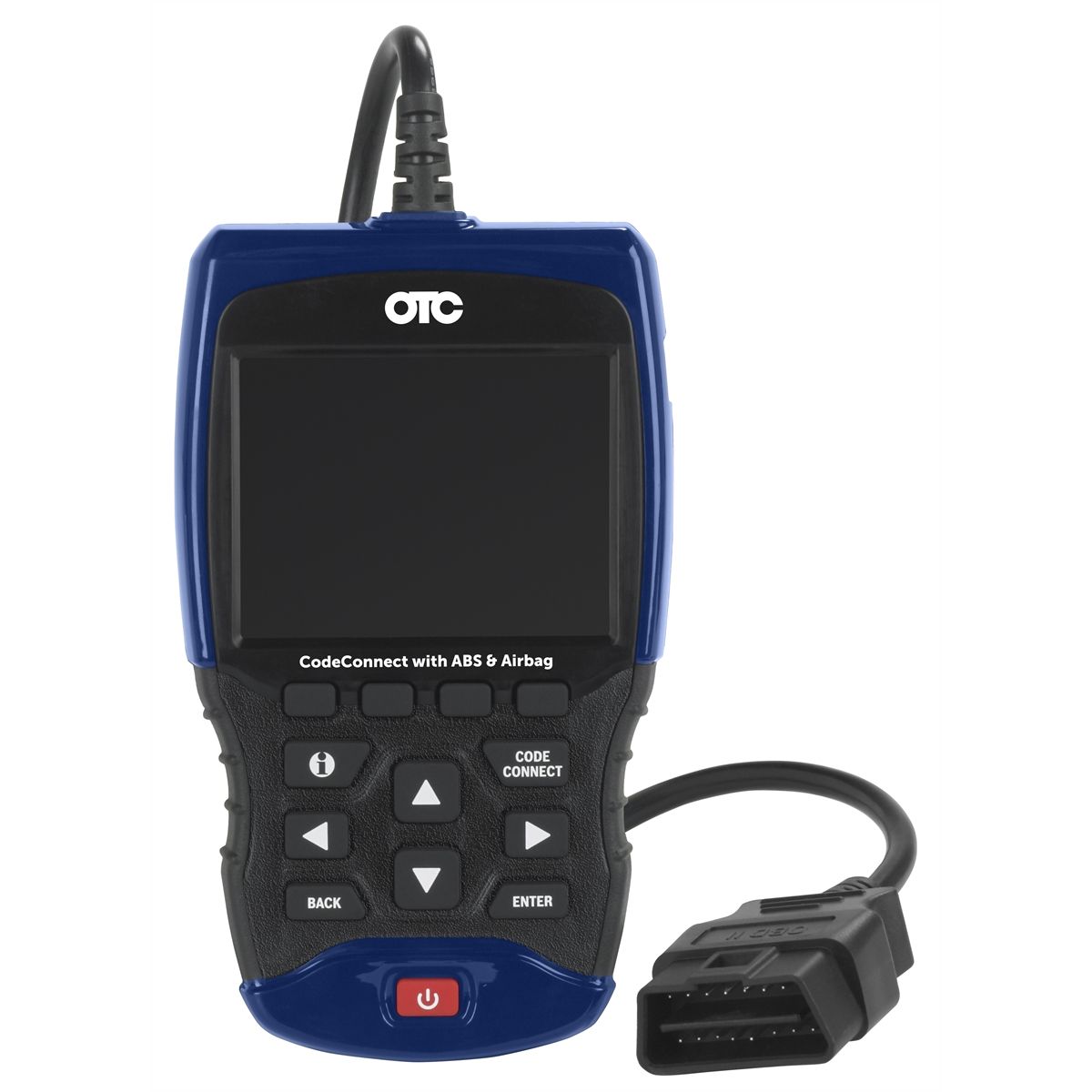
OBD2 Scanner with ABS, Airbag & CodeConnect Support
Mfg: OTC Tools and Equipment
Part #: 3210
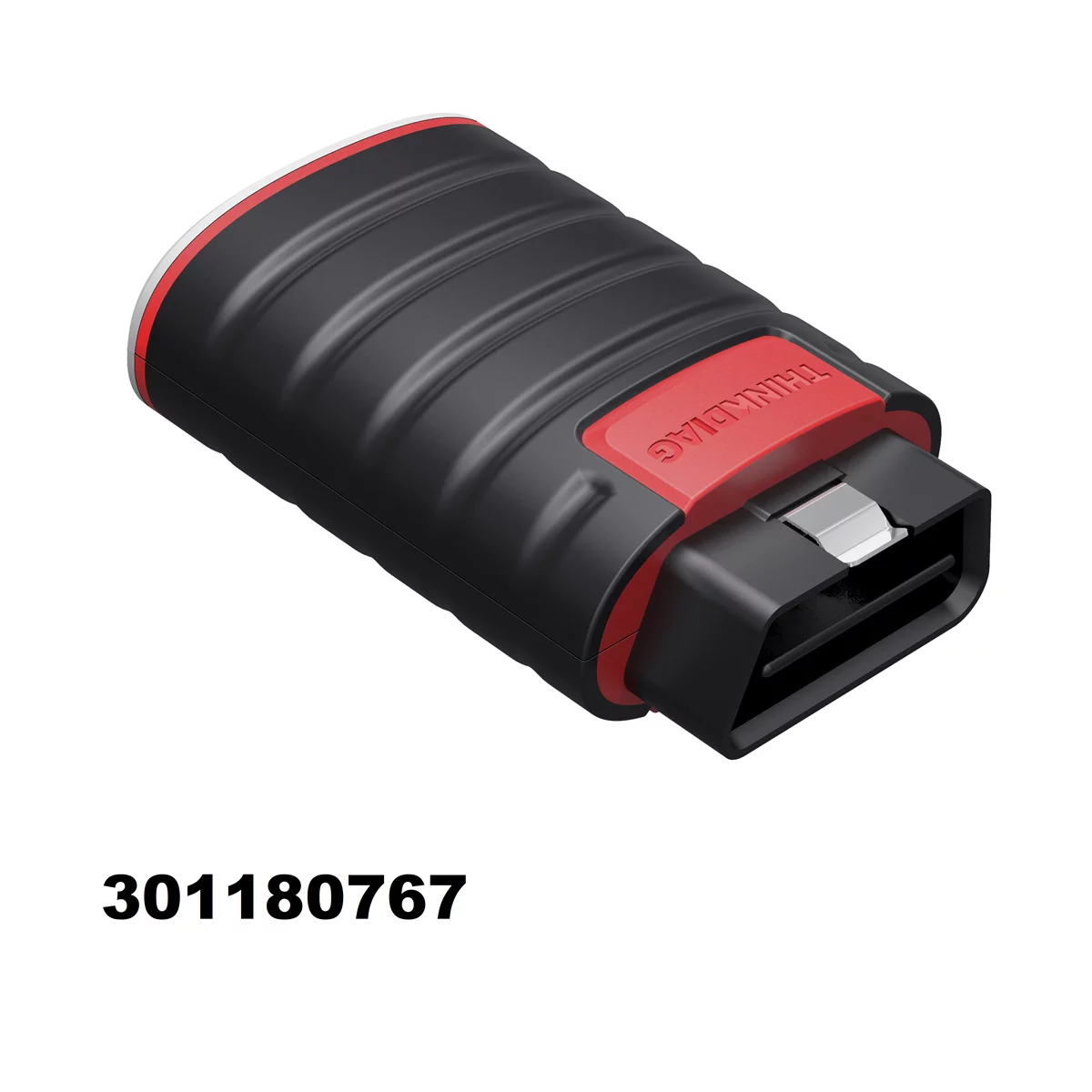
ThinkCar ThinkDiag Bluetooth OBD2 Scanner for DIY Auto Repair
Mfg: ThinkCar
Part #: 301180767
- Verify VIN and engine code match claimed model designation
- Perform cold start evaluation for smoke, noise, and idle quality
- Compression test all cylinders with leak-down testing on suspect cylinders
- Inspect turbocharger for shaft play, oil leaks, and boost control function
- Test all-wheel-drive system for proper engagement and viscous coupling function
- Evaluate transmission shifting quality in all gears
- Check clutch engagement and hydraulic system condition
- Inspect suspension mounting points, bushings, and alignment
- Verify brake system operation and component condition
- Review all modifications for quality and proper installation
- Request complete service records including timing belt replacement
- Perform chassis inspection for rust, accident damage, or structural issues
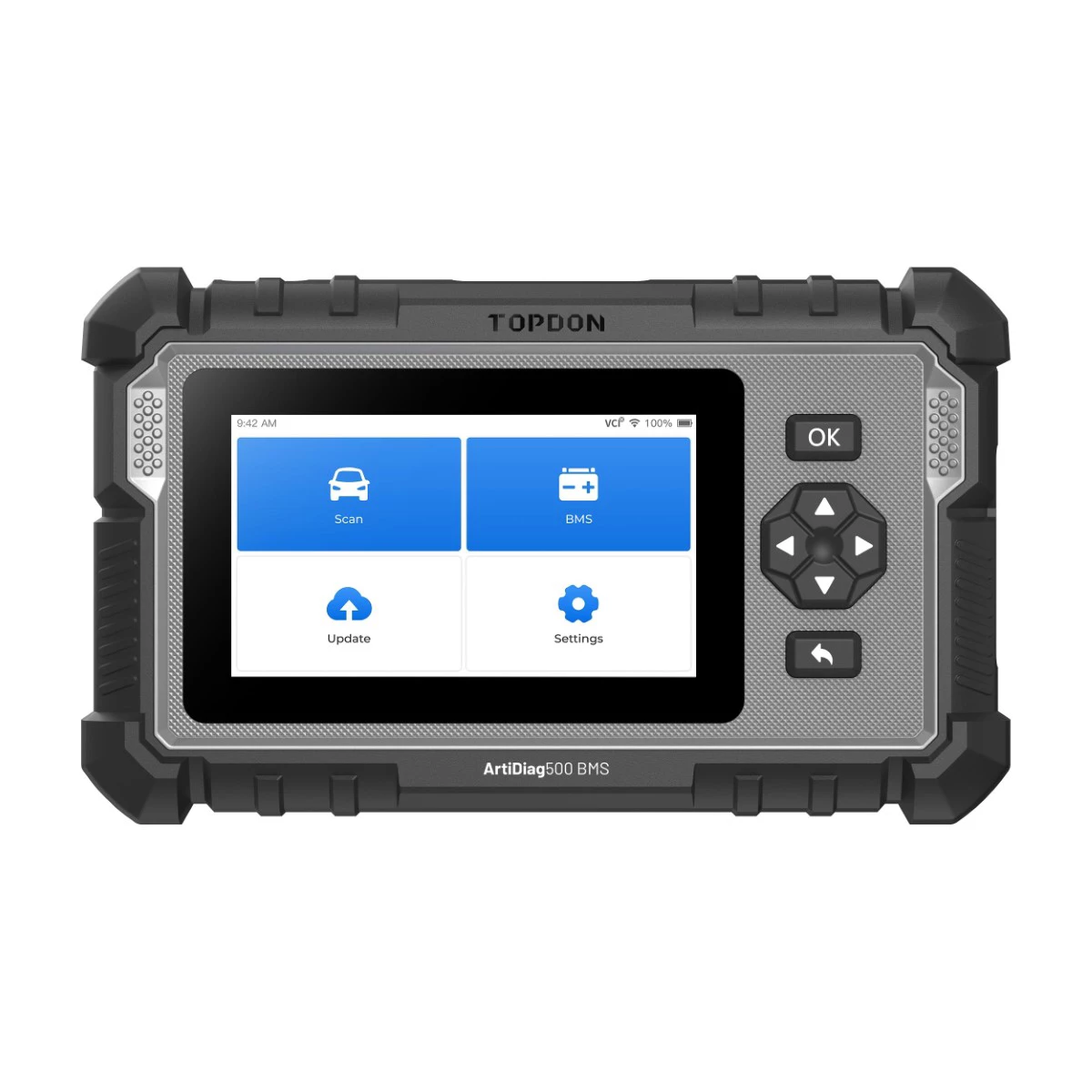
Topdon ArtiDiag500 BMS – 4-System Diagnostic Tool with BMS Reset
Mfg: TOPDON
Part #: AD500BMS
ID: 422481

93252 3354 OTC OTC3354 2002 Monitor Elite Deluxe OBD2 Scan Tool Kit
Mfg: OTC Tools and Equipment
Part #: 3354
ID: 93252
Frequently Asked Questions
What’s the difference between ST185 and ST205 GT-Four models?
The ST185 (1990-1993) and ST205 (1994-1999) represent sequential generations with significant technical differences. The ST205 features a revised 3S-GTE engine with higher output (239-255 hp vs 221 hp), improved CT20B turbocharger, larger brakes, and updated suspension geometry. The ST205 also has distinctive styling with more aggressive aerodynamics. Both are excellent platforms, but the ST205 commands higher market values due to rarity and performance advantages.
Are GT-Four parts difficult to source?
Common maintenance items like filters, belts, and brake components remain readily available through Toyota dealers and aftermarket suppliers. Model-specific parts like turbochargers, all-wheel-drive components, and body panels are increasingly scarce and expensive. The enthusiast community maintains strong parts networks, and many components interchange with other Toyota models. Budget for higher parts costs compared to contemporary domestic vehicles, but availability is manageable with proper research.
Can a GT-Four be daily driven reliably?
A well-maintained GT-Four makes a competent daily driver with some caveats. Fuel economy typically ranges 18-24 mpg depending on driving style and modifications. Parts availability and maintenance costs exceed typical economy cars. The interior is small by modern standards with limited cargo space. However, the all-wheel-drive system provides excellent all-weather capability, and Toyota’s fundamental engineering ensures reliability when maintained properly. Many owners daily drive GT-Fours successfully with appropriate expectations.
What modifications should be prioritized first?
Before performance modifications, ensure the vehicle is mechanically sound with fresh fluids, proper maintenance, and no deferred service items. The first meaningful upgrade is typically a quality exhaust system that reduces backpressure without excessive noise. Follow with a boost controller to safely raise output to 280-300 horsepower—the engine internals handle this level comfortably. Upgrade the clutch if planning increased power. Suspension improvements enhance handling more noticeably than engine modifications for street driving. Always tune properly when adding power.
How much should I budget for GT-Four ownership?
Purchase prices vary widely based on condition, mileage, and model year. Well-maintained ST185 examples typically range $15,000-25,000, while ST205 models command $20,000-40,000+ depending on specification. Budget $1,500-2,500 annually for maintenance including oil changes, brake service, and wear items. Plan for $3,000-5,000 for timing belt service with water pump and seals. Insurance costs vary but typically fall into enthusiast/collector categories. Parts inflation continues as these cars age, making condition at purchase more important than ever.
What are the most common failure points?
Head gaskets represent the most notorious 3S-GTE weakness, particularly on engines exceeding 100,000 miles or those subjected to sustained high boost. Turbocharger seals deteriorate over time, causing oil consumption and smoke. The all-wheel-drive viscous coupling eventually fails, though this typically occurs at very high mileage. Clutch hydraulic components leak and require transmission removal for slave cylinder replacement. Suspension bushings and shock absorbers wear from age and use. None of these failures are unusual for 25-30 year old performance cars—proper inspection identifies issues before purchase.
Diagnostic Tools for GT-Four Inspection
Thorough pre-purchase evaluation requires reliable diagnostic equipment. Our Automotive Diagnostic Tools selection includes the instruments needed to assess engine condition, compression, boost control, and electrical systems on these complex turbocharged platforms.
- Compression testers and leak-down gauges for cylinder health evaluation
- Boost pressure gauges and vacuum measurement tools for turbo system diagnostics
- Multimeters and scan tools for fuel injection and sensor verification
Essential Diagnostic Tools for Toyota Celica Technicians
Working on classic Toyota performance vehicles like the Celica GT-Four requires precision diagnostics and specialized equipment. Our automotive diagnostic tools category offers everything you need to accurately diagnose and maintain these legendary models with confidence.
- OBD-II Scanners & Code Readers: Advanced diagnostic equipment to read and clear trouble codes specific to Toyota engine management systems
- Multimeters & Electrical Test Equipment: Essential tools for testing ignition systems, fuel injectors, and complex electrical circuits found in GT-Four models
- Compression & Vacuum Testers: Critical instruments for assessing engine condition and turbo system performance on high-output Celica engines

The Toolsource Technical Team blends decades of real-world automotive service experience with up-to-date technical research. Our writers collaborate with professional mechanics, shop owners, and diagnostic specialists to deliver practical, workshop-ready guidance you can trust.


Follow us on social media