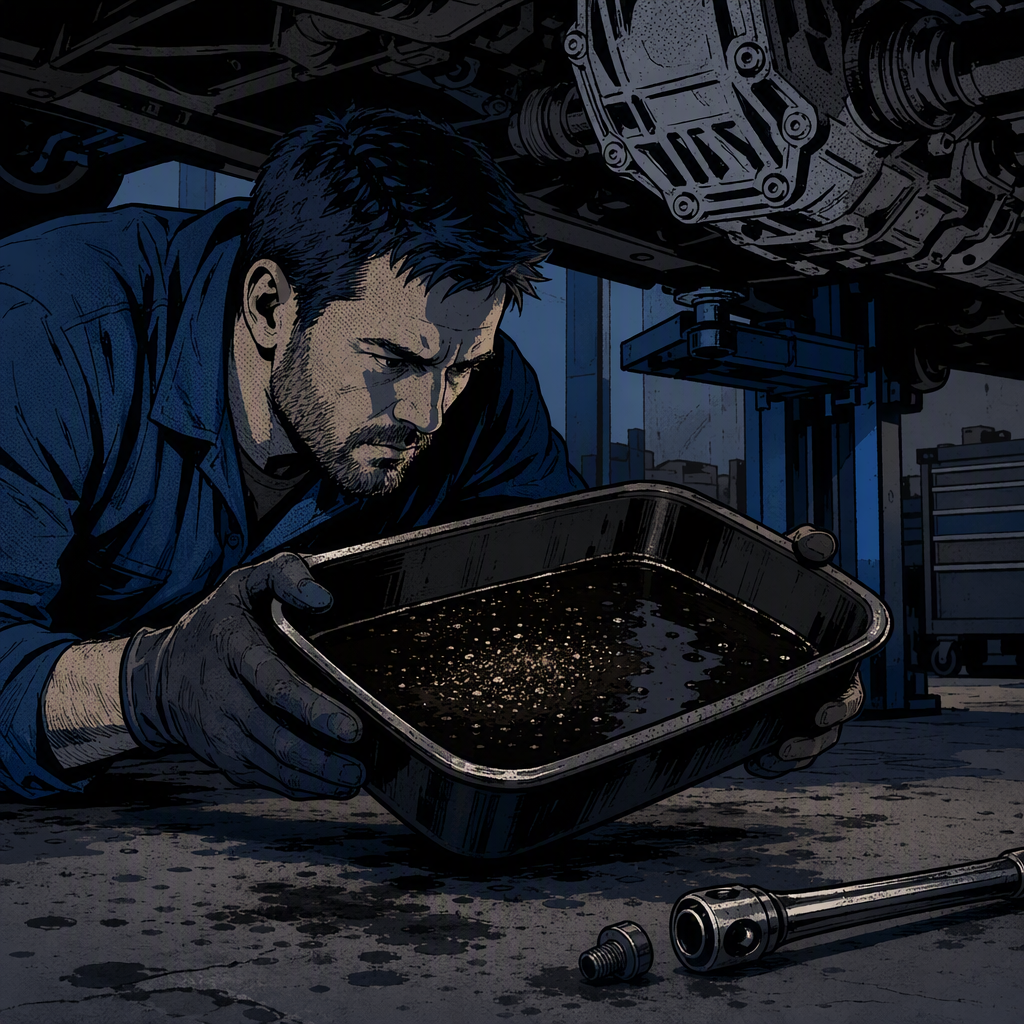
Independent shops and dealership service bays are seeing a disproportionate volume of Stellantis (Jeep, Chrysler, Dodge, Ram) comebacks compared to other volume brands, and a lot of that work traces back to a short list of recurring failure points: power transfer units, brake lines, and electrical gremlins that don’t always map cleanly to an open recall. The bigger headache for techs usually isn’t the wrench time — it’s proving the failure is related to a known issue, documenting it correctly, and keeping a customer’s reimbursement case alive when the OEM drags its feet on parts or paperwork. This guide covers the diagnostic patterns worth knowing and the documentation habits that keep a repair from turning into a three-month standoff.
Why CDJR Vehicles Fill Up the Warranty Bay
Techs who’ve rotated through Nissan, VW, and Stellantis dealer service departments consistently report warranty-to-total-RO ratios far above industry norms for CDJR product — commonly cited in the 60-75% range versus 10-30% for other brands. Some of this is driven by owner usage patterns (Jeep and Ram in particular see heavier off-road and towing duty cycles), but a meaningful chunk is component-level: transfer cases, PTUs on AWD crossovers, brake line routing near corrosive road salt exposure, and infotainment/BCM software faults. If you’re a shop that takes on CDJR work regularly, it pays to build a mental (or literal) checklist of the failure points that show up over and over, rather than diagnosing each comeback from scratch.
Diagnosing the Power Transfer Unit (PTU) Failure Pattern
On AWD Jeep Cherokee, Compass, and related platforms, PTU failures are common enough that they should be on the differential diagnosis list any time a customer reports a whining or grinding noise from the front axle area, especially under acceleration or during AWD engagement. Confirm the complaint with a road test in a controlled environment, then check PTU fluid condition and level before condemning the unit — metal contamination in the fluid is a strong indicator of internal bearing or gear wear. Because PTU failures have been tied to specific recall campaigns in some model years, always run the VIN through the OEM recall lookup before you quote a customer out-of-pocket repair. If the VIN doesn’t come back covered, document the failure mode (noise, fluid condition, mileage, DTCs if present) thoroughly anyway — recall population lists have been expanded after the fact, and a well-documented independent repair gives the customer a paper trail to request reimbursement later.
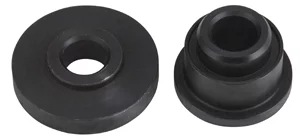
PTU Linkshaft Seal & Dust Cover Installer for Ford Models
Mfg: OTC Tools and Equipment
Part #: 6875
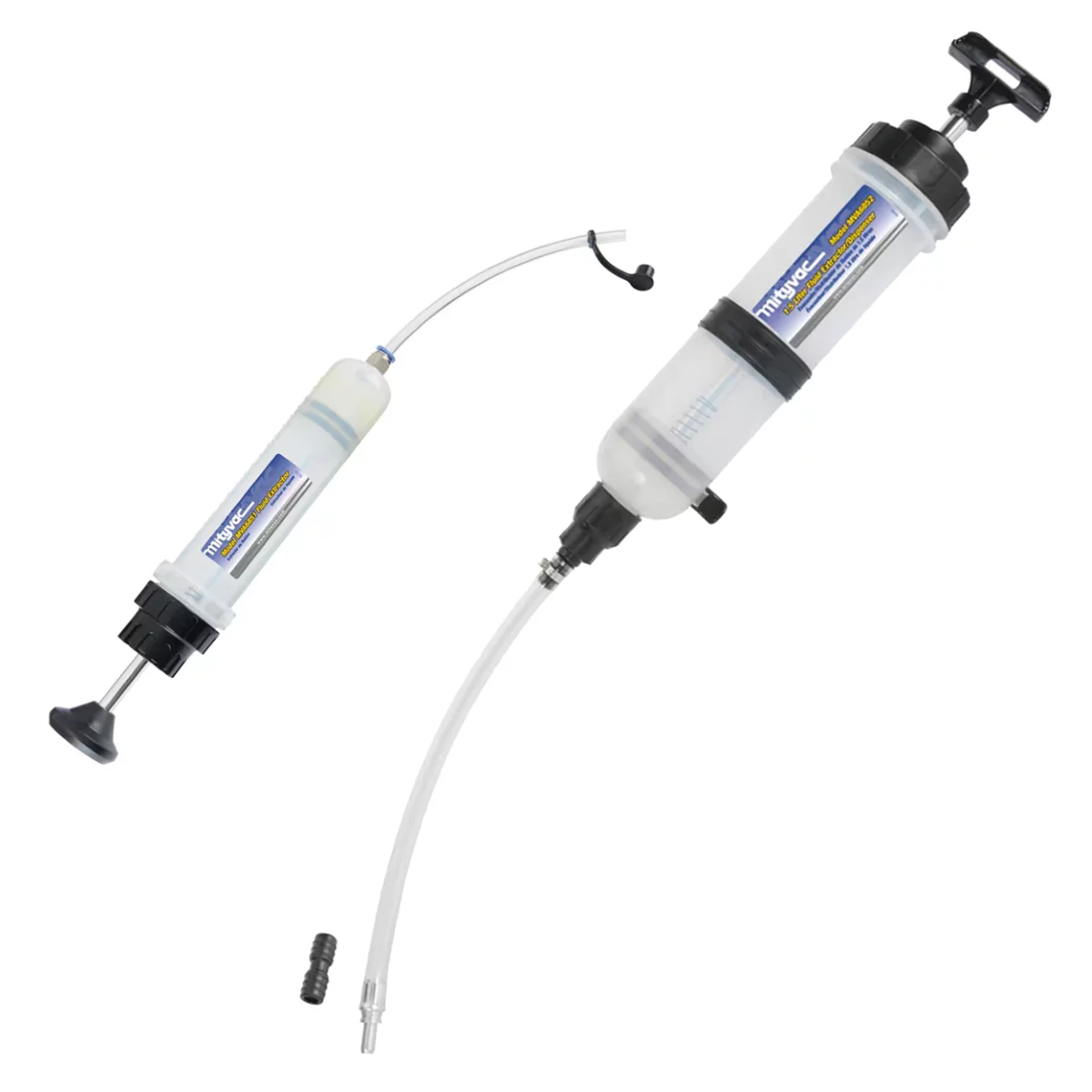
MVA6851 7 oz Fluid Extractor and MVA6852 1.5L Fluid Extractor/Di
Mfg: Mityvac
Part #: MVB1030
Brake Line Corrosion: Diagnosis Before You Quote
Leaking or corroded brake lines are a recurring complaint on trucks and SUVs that see road salt, especially in rust-belt climates. Don’t assume a single pinhole leak is an isolated issue — once corrosion starts on one section of line, it’s common to find multiple weak points along the same run. Do a full visual inspection of all accessible hard lines, not just the section that’s actively leaking, and pressure-test the system before buttoning it up. If a customer mentions their vehicle has a “lifetime warranty” claim in progress with the dealer, get the specifics in writing before you touch anything — some recall or warranty remedies require the failed part to be documented or retained in a specific condition, and an independent repair done first can complicate (though not necessarily disqualify) a reimbursement claim. When in doubt, have the customer call the OEM case line before repair, not after.
Building a Defensible Repair and Recall Paper Trail
The single biggest factor separating a smooth reimbursement from an 11-week phone-tag nightmare is documentation quality at the time of repair, not after. For any job that might be recall- or warranty-adjacent:
- Run the VIN against the OEM’s public recall lookup tool before starting work, and save a screenshot with the date.
- Photograph the failed component in situ before removal, and again after removal, with visible mileage/odometer shot in the same session.
- Write the RO narrative in cause-and-correction language that mirrors the recall bulletin’s described failure mode where applicable — vague notes like “replaced part, working now” don’t hold up under OEM reimbursement review.
- Retain the failed part in a labeled bag with the RO number for a minimum of 90 days, since some manufacturers request the core back before approving reimbursement.
- Give the customer copies of everything — invoice, parts receipts, and photos — the same day, in writing (email, not just a verbal handoff). Customers who’ve had to request paperwork twice from a service manager and gotten no response are in a much weaker position than ones who have it already.
This matters because manufacturers can and do distinguish between a failure that matches an open recall’s described condition and one that’s superficially similar but technically outside the remedy — and that distinction is often made by someone reading an RO, not looking at the car.
Handling Parts Backorders and Customer Expectations
Discontinued or backordered parts tied to open recalls are a known pain point, and shops get caught in the middle when a customer’s vehicle sits for weeks waiting on a remedy part the OEM hasn’t released yet. A few practices reduce friction: set expectations early that recall remedy parts can run months behind the campaign announcement, especially in the first year after a recall is issued; keep a standing note in your shop management system to follow up with the OEM parts hotline weekly rather than waiting for the customer to call you; and advise customers in writing not to drive a vehicle with a known safety-related defect (like a brake line or steering component issue) while waiting on a fix — undocumented continued use can be used against a claim later, and more importantly it’s a liability issue for the shop if you knew about the defect and didn’t flag it.
When to Escalate Beyond the Dealer
If a customer’s case stalls — no response to a case number, no remedy part after months, or a service manager who won’t produce paperwork on request — the next step is usually the OEM’s regional case management line, not just repeated dealer calls. Techs aren’t expected to manage that escalation, but flagging to the customer that it’s an option (and that documentation is the thing that makes it work) is part of doing the job right. In prolonged cases involving safety-related components, some customers do end up consulting an attorney, and a complete, dated repair record from your shop is exactly what makes that conversation productive instead of a shrug.
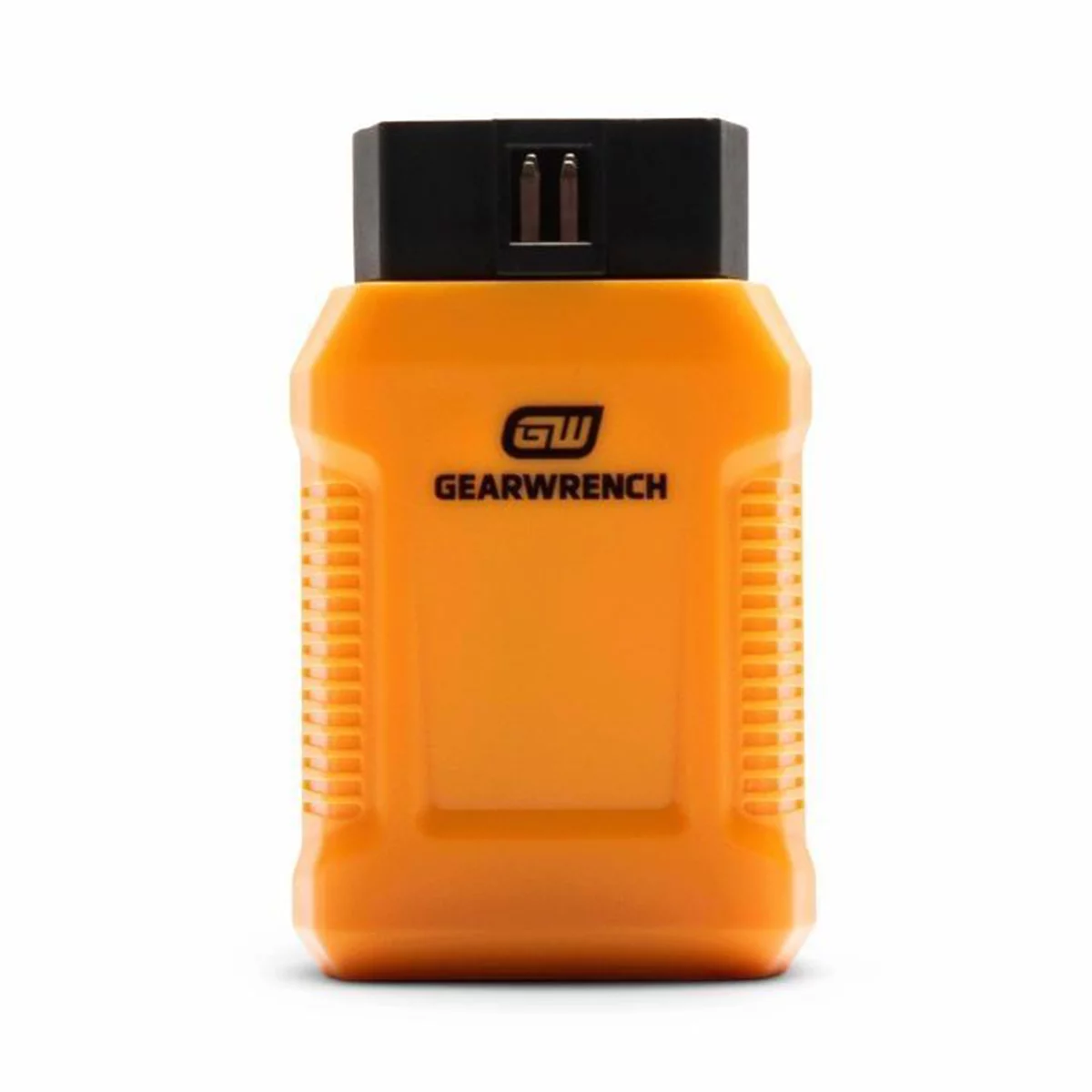
GearWrench Professional Bi-Directional Diagnostic Scan Tool
Mfg: GearWrench
Part #: GWSMARTBT
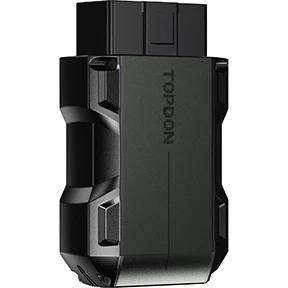
Topdon Pocket-Size Bluetooth Scan Tool w/Bi-Directional Cont
Mfg: TOPDON
Part #: TOPSCANLITE
FAQs
How do I check if a customer’s VIN is covered under an open Stellantis recall?
Use the OEM’s public VIN recall lookup tool (accessible via the manufacturer’s official recall site) before any diagnostic work begins. Save a dated screenshot for the file, since coverage populations can expand after the initial campaign.
Can an independent shop perform warranty or recall work on a Stellantis vehicle?
Independent shops generally cannot perform factory warranty repairs directly, but they can perform the repair and document it for the customer to pursue reimbursement, or refer safety-related recall work to a franchise dealer while handling non-recall maintenance themselves.
What if the OEM says the recall remedy part is discontinued or on indefinite backorder?
Document the failure and repair thoroughly, keep the failed part, and advise the customer to request reimbursement once a remedy is published. Some manufacturers will reimburse a documented independent or dealer repair performed before the official remedy was available, though this isn’t guaranteed and should be confirmed case by case.
Is a PTU failure always tied to a recall?
No. PTU failures occur outside of recall populations too. Diagnose and document the failure mode regardless of recall status — VIN coverage lists are sometimes expanded later based on failure data.
Should a vehicle with a suspected brake line or safety-related defect keep being driven while waiting on parts?
No. Advise the customer in writing not to drive the vehicle if a safety-related system is compromised. This protects the customer and reduces shop liability, and continued driving after a known defect is documented can also complicate a reimbursement or recall claim.
What documentation actually speeds up OEM reimbursement decisions?
Dated photos of the failure before and after removal, an RO narrative that matches the described failure mode from the applicable bulletin, retained failed parts, and a clear mileage/odometer record at time of repair.
Recommended Tools
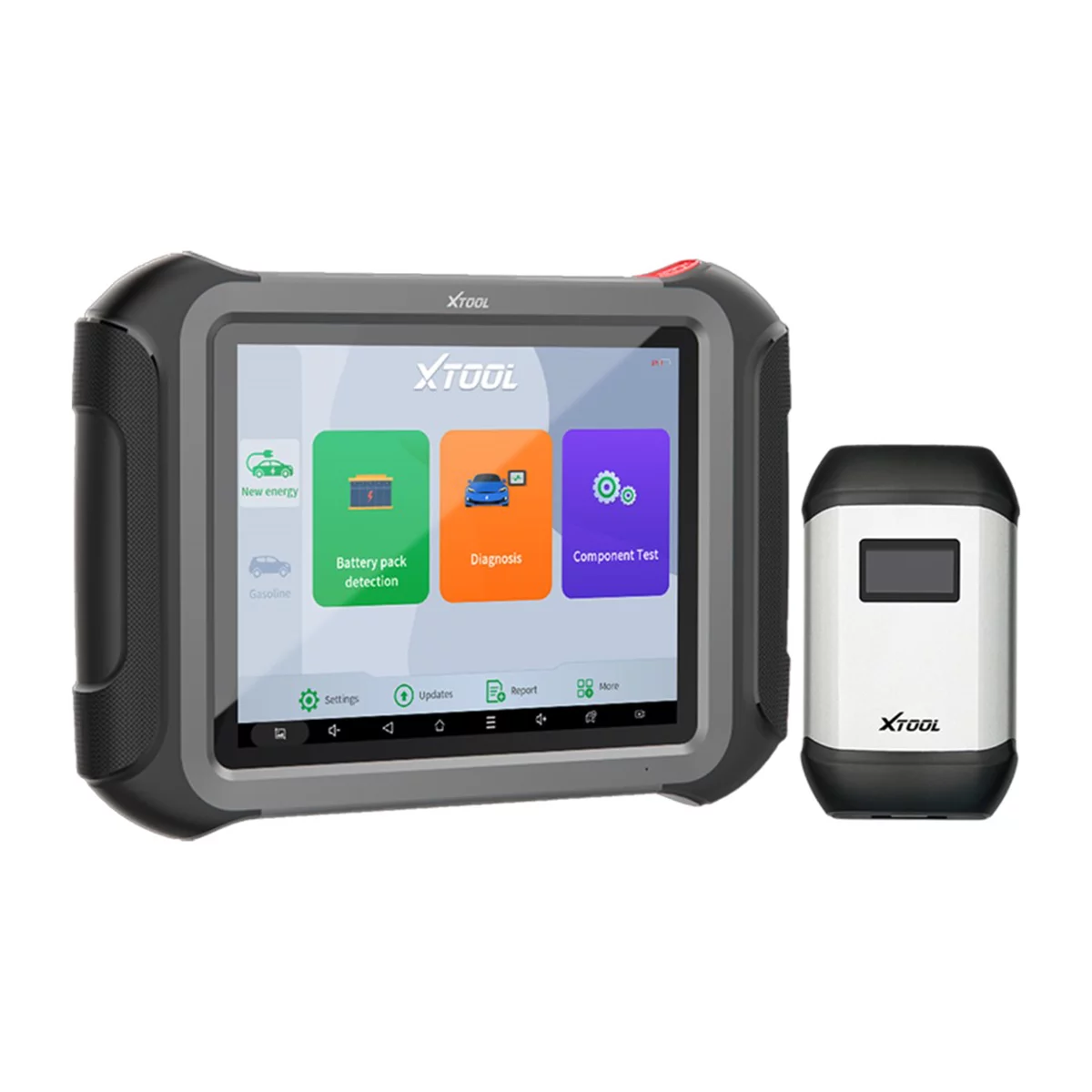
Accurate diagnosis and thorough documentation are critical for Stellantis warranty claims. Our automotive diagnostic tools support the multi-protocol scanning, VIN lookups, and data capture you need to build a defensible repair record.
- Multi-protocol scan tools for OBD-II and manufacturer-specific access
- Pressure testing and fluid analysis equipment
- Mobile and desktop options with documentation and data logging capabilities

The Toolsource Technical Team blends decades of real-world automotive service experience with up-to-date technical research. Our writers collaborate with professional mechanics, shop owners, and diagnostic specialists to deliver practical, workshop-ready guidance you can trust.


Follow us on social media