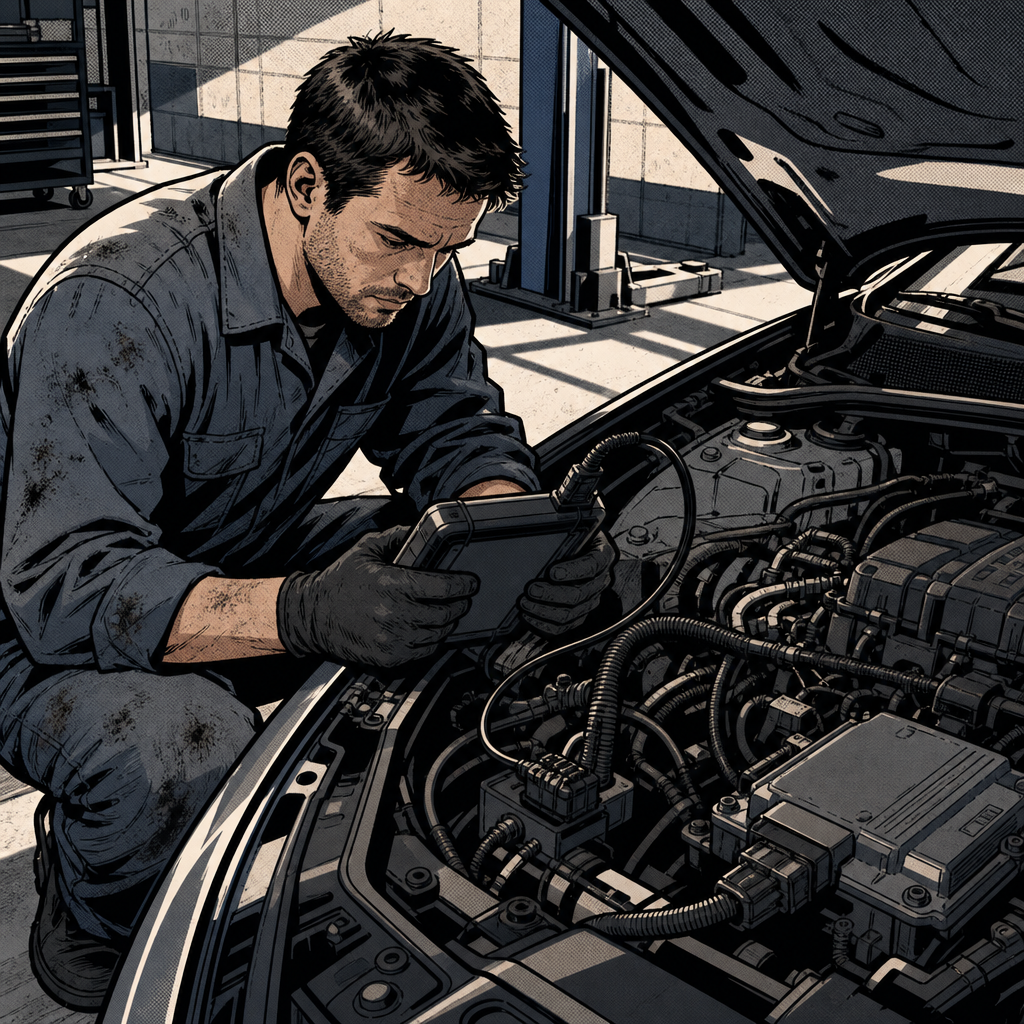
Ask ten technicians how “efficiency” is calculated at their shop and you’ll get ten different answers — and at least a few will admit they have no idea, and don’t want to know. That gap in understanding is where a lot of shop-floor conflict lives. A tech spends two full days chasing an intermittent CAN-bus fault, does the job correctly, and then gets called into the office because the diagnostic time “doesn’t look good” on a report. Whether that’s a fair conversation or a red flag about the shop itself depends entirely on how pay structure, documentation, and expectations line up. This post breaks down the pay models techs actually work under, why diagnostic time is the most common flashpoint, and what separates a normal productivity conversation from a broken system.
Flat Rate, Hourly, and Fleet: Know Which Game You’re Playing
Before you can judge whether a productivity number is reasonable, you need to know which pay model you’re actually under, because the incentives are completely different.
- Flat rate (book time): You’re paid based on a published time for the job, not the clock. Beat book time and you effectively earn a higher hourly rate; take longer, and the difference comes out of your pocket unless you can get supplemental “cream” time approved for diagnostics.
- Hourly with an efficiency/productivity metric: You’re paid for clock hours, but management tracks a ratio of billed hours to clocked hours (job quoted at 4 hours, done in 2, that’s 200% efficiency). This model is common at dealerships and is where “productivity conversations” happen most often.
- Straight hourly, no metric — common in fleet and heavy equipment: You’re paid for time on the clock regardless of how a job is billed internally. There’s no customer-facing invoice creating pressure, so diagnostic time on an “intermittent hydraulic issue” or a stubborn electrical gremlin doesn’t trigger a productivity flag.
None of these models is inherently unfair. The problems show up when a shop tries to run flat-rate-style pressure on a technician who’s paid hourly, or when management doesn’t understand — or doesn’t want to understand — how long legitimate diagnostic work actually takes on modern vehicles.
Why Diagnostic Time Is Where the Arguments Start
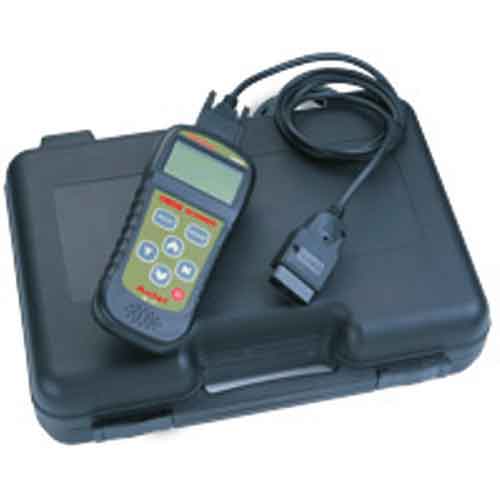
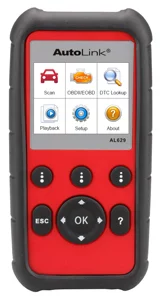
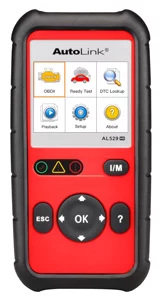
Routine mechanical jobs — brakes, alternators, timing components — have decades of book time data behind them. Diagnostics don’t work that way. A CAN-bus network fault, an intermittent module communication error, or a wiring short that only shows up under vibration or heat can legitimately take a day or more to isolate, and no flat-rate manual accounts for that reliably. This is exactly the kind of work that gets flagged on an efficiency report if it isn’t backed up properly, because on paper it just looks like “hours with no billed output.”
The fix isn’t to work faster than the fault allows — it’s to make the diagnostic process visible. A tech who can show a clear, timestamped trail of what was tested, what was ruled out, and why the next step was necessary has a very different conversation with a service manager than one who just says “it took a while.” Having the right scan tool and network diagnostic equipment on hand also shortens legitimate diagnostic time and gives you hard data to attach to the RO.
Diagnostic Tools to Back Up Your Work
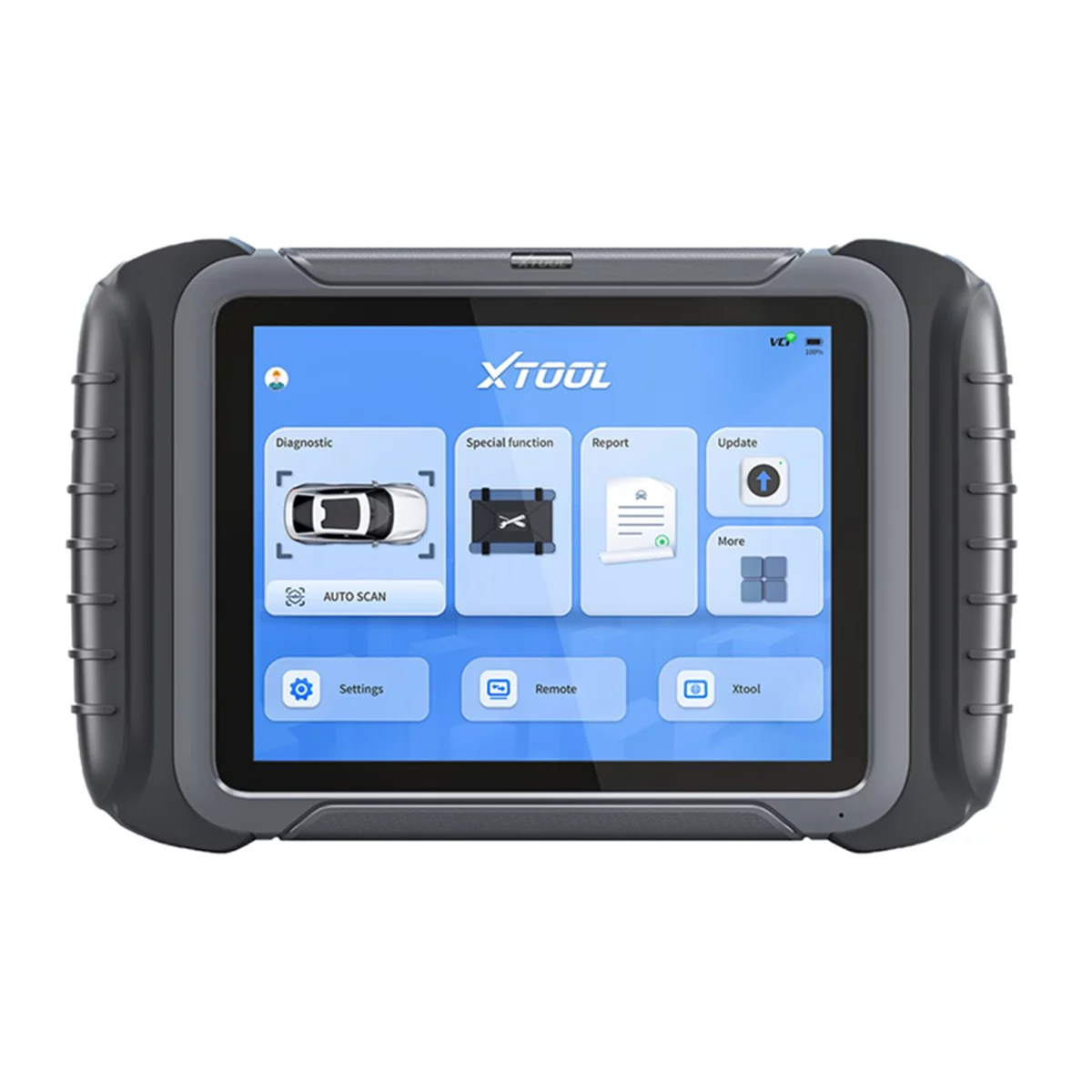
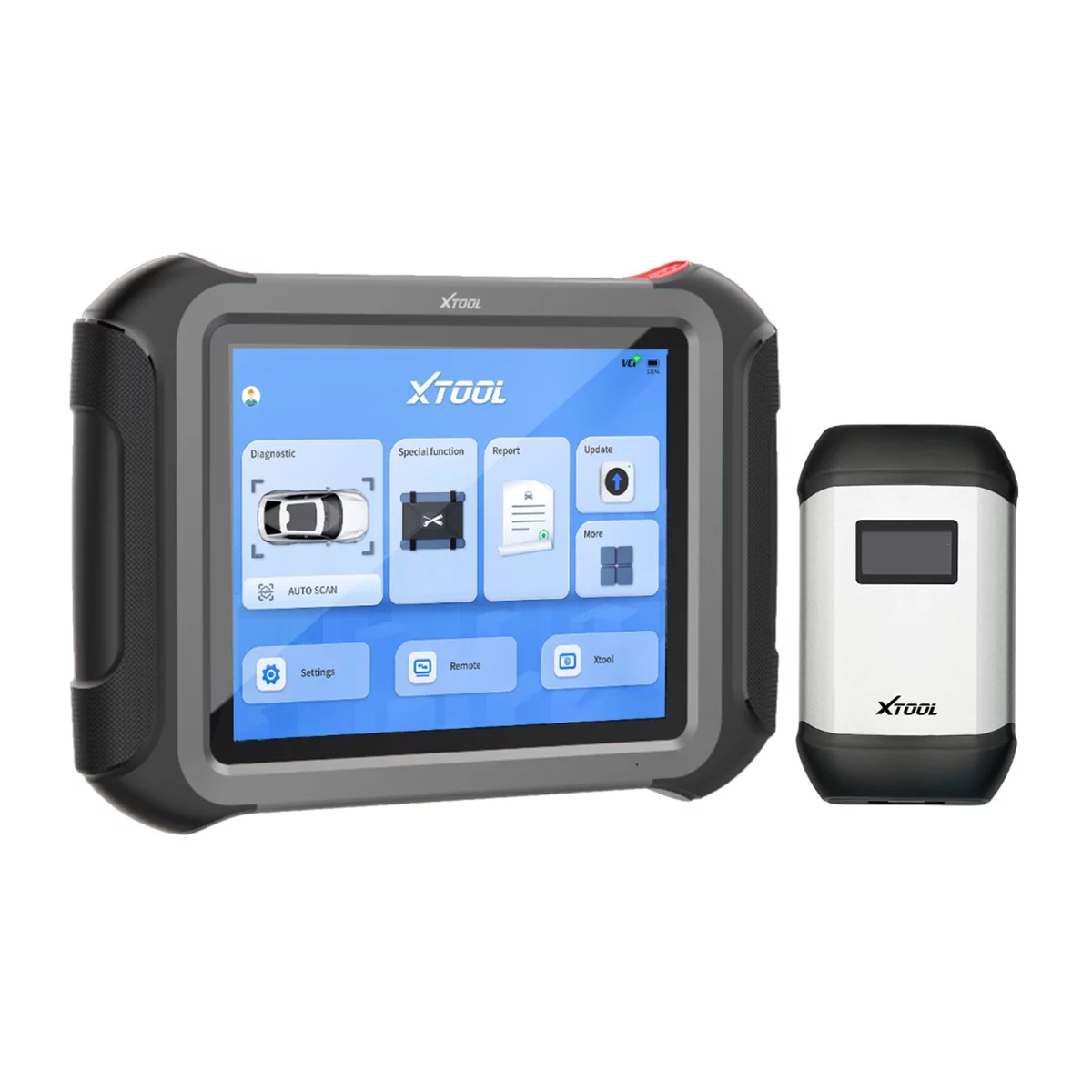
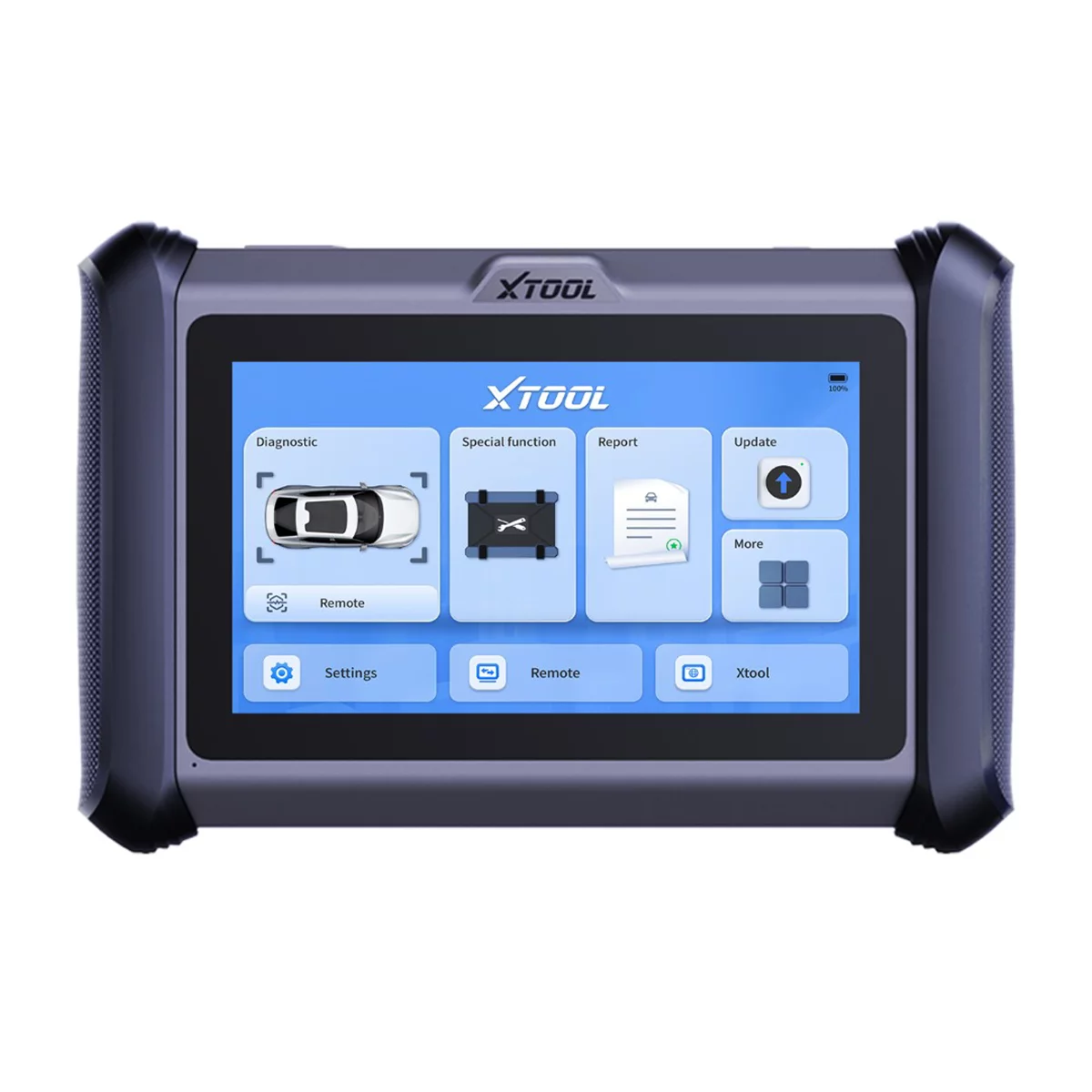
The article emphasizes that proper equipment—and documented diagnostic steps—protect both your time and your pay. Our Automotive Diagnostic Tools include scan tools and diagnostic equipment that help you isolate faults and create timestamped records of your diagnostic process.
- Scan tools and code readers for CAN-bus and module diagnostics
- Network testing and isolation equipment for electrical faults
- Tools with documentation features to track diagnostic steps

The Toolsource Technical Team blends decades of real-world automotive service experience with up-to-date technical research. Our writers collaborate with professional mechanics, shop owners, and diagnostic specialists to deliver practical, workshop-ready guidance you can trust.


Follow us on social media