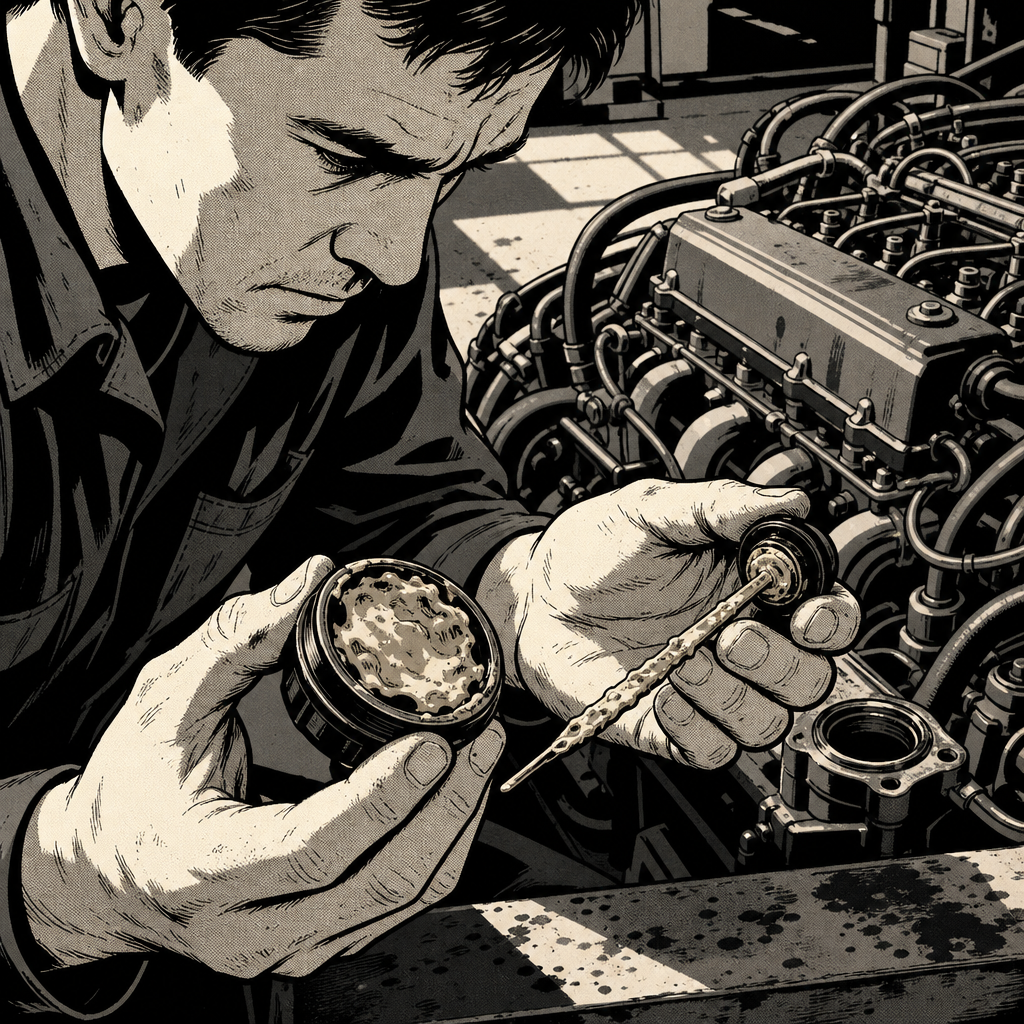
In shop slang, “HG” almost always means one thing: head gasket. It’s one of the most consequential failures a technician can face, because the symptoms overlap with a dozen other cooling and combustion problems, and a missed diagnosis means a comeback with a ruined engine. This guide breaks down a systematic approach to confirming a blown head gasket before you commit a customer to a labor-intensive repair, using the tools and tests that actually separate a real HG failure from a stuck thermostat, a bad radiator cap, or a cracked coolant reservoir.
Recognizing the Warning Signs of Head Gasket Failure
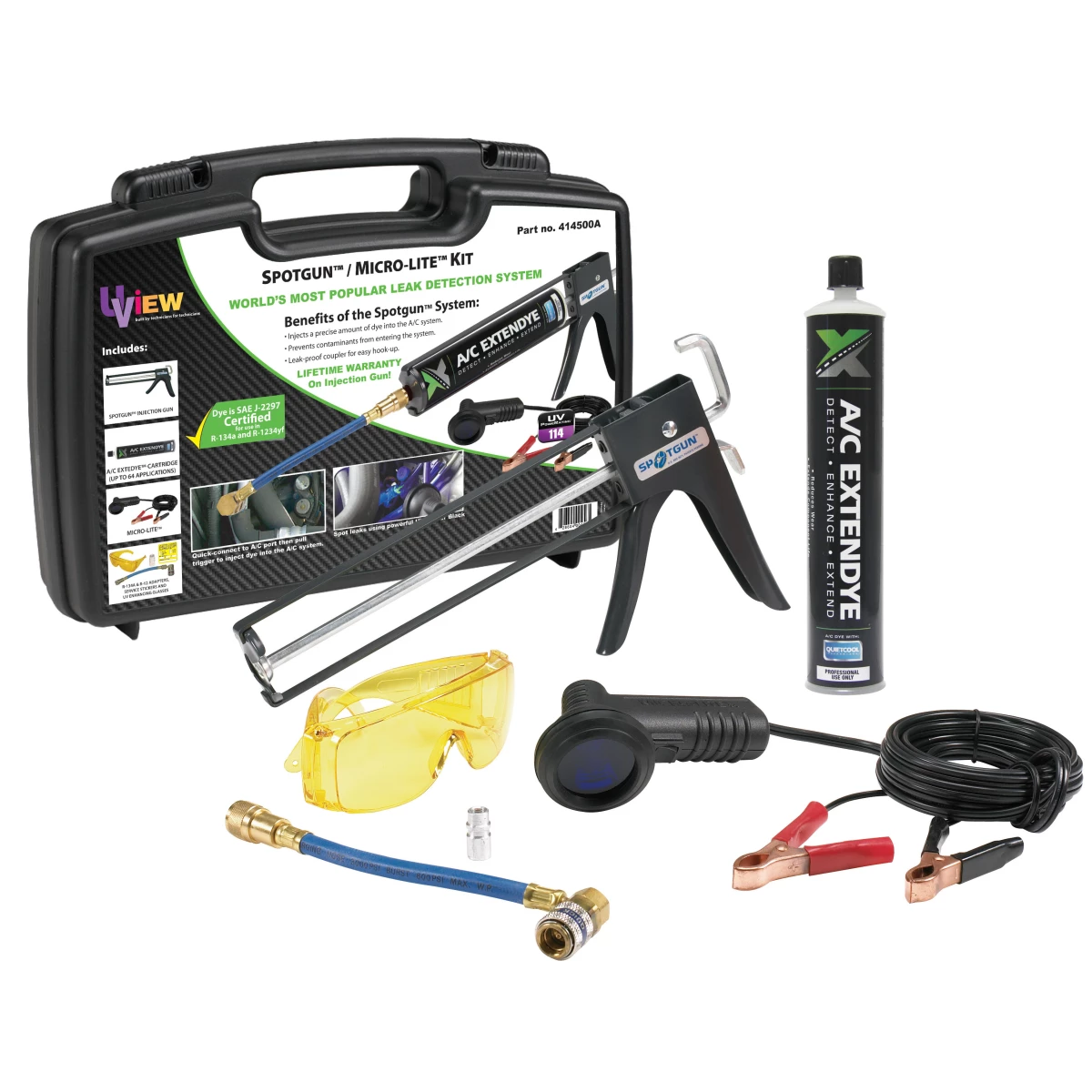
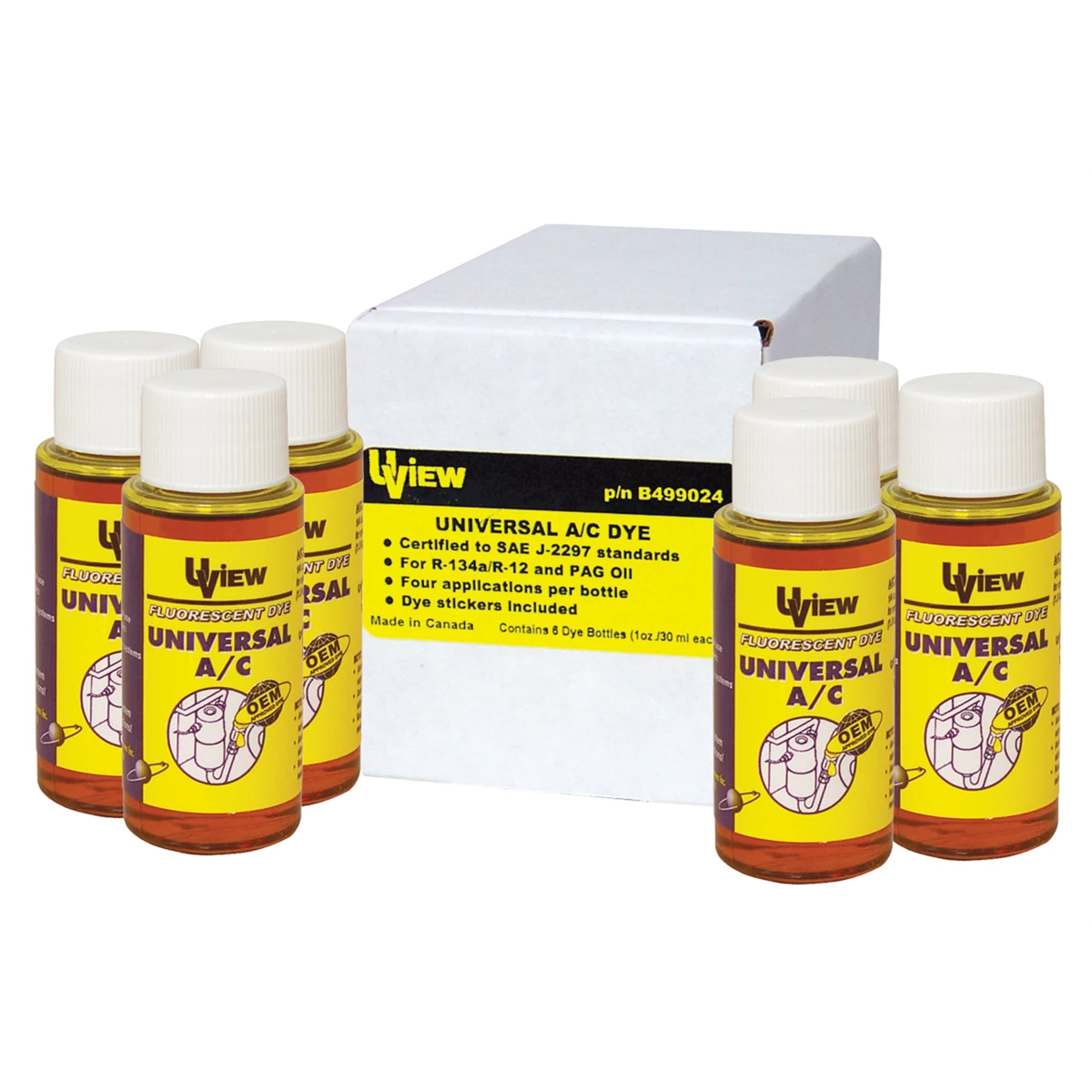
Uview Universal A/C Leak Detection Dye 6-Pack (1 oz Bottles)
Mfg: Uview
Part #: B499024
Before pulling any tools off the wall, gather the symptom pattern. A head gasket rarely fails in a way that produces just one clean symptom — you’re usually looking at a cluster of clues that point toward a breach between cylinders, coolant passages, or oil galleys.
Common indicators include:
- White, sweet-smelling exhaust smoke (coolant burning in the combustion chamber)
- Milky or “chocolate milkshake” residue on the oil cap or dipstick
- Persistent coolant loss with no visible external leak
- Overheating under load or at idle, especially after a recent repair or overheat event
- Bubbles in the coolant reservoir with the engine running (not just after startup)
- Rough idle or misfire on a specific cylinder, particularly cylinders 1 or 4 where the gasket often fails first
Any one of these alone could point to something cheaper — a bad radiator cap, a failing water pump, or a leaking heater core. It’s the combination, plus the vehicle’s history, that should raise your suspicion level before you move to hands-on testing.
Visual and Fluid Inspection Steps
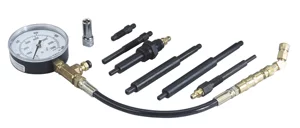
OTC 5020 Diesel Compression Tester with Adapters
Mfg: OTC Tools and Equipment
Part #: 5020
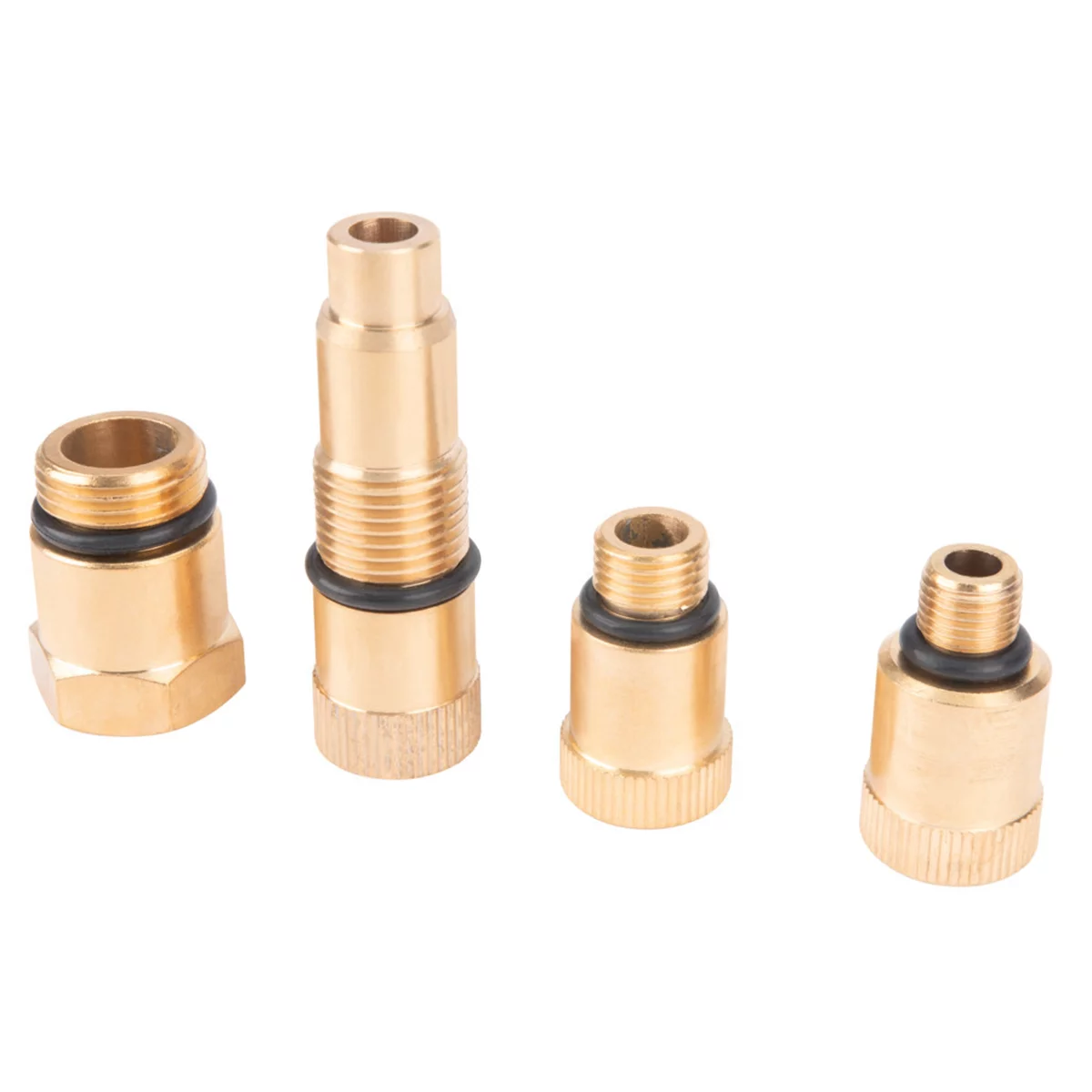
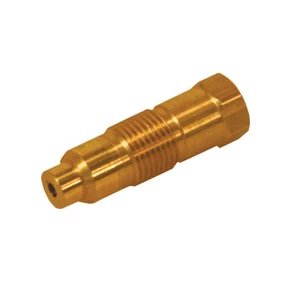
Start with the cheap, non-invasive checks. Pull the dipstick and the oil fill cap and look for a tan or gray milky film — this is emulsified oil from coolant intrusion, and it’s one of the more reliable early indicators. Check the coolant itself: a rainbow sheen or oily film floating on top of the coolant in the reservoir suggests oil is getting into the cooling system, which typically means a breach between an oil galley and a coolant passage.
With the radiator cap off and the engine cold, look down into the neck for any oil film or unusual discoloration. Then start the engine cold and watch the coolant in the reservoir or radiator neck (if accessible) for bubbling that isn’t just normal thermostat-opening turbulence — steady bubbling at idle, synced with engine RPM, is a strong sign that combustion gases are pressurizing the cooling system.
Also inspect spark plugs if the failure is cylinder-specific. A plug that’s unusually clean, or that shows a steam-cleaned appearance compared to its neighbors, can indicate coolant is entering that cylinder.
Recommended Diagnostic Tools
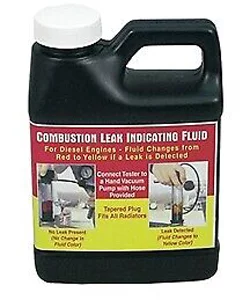
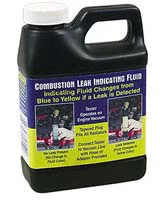
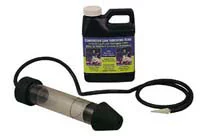
Confirming a blown head gasket requires the right diagnostic equipment. Check out our Automotive Diagnostic Tools selection for the testers and gauges you’ll need to efficiently diagnose the problem.
- Coolant system pressure testers and radiator cap pressure gauges
- Compression testers and cylinder leak-down test kits
- Combustion gas analyzers and borescopes for detailed inspection

The Toolsource Technical Team blends decades of real-world automotive service experience with up-to-date technical research. Our writers collaborate with professional mechanics, shop owners, and diagnostic specialists to deliver practical, workshop-ready guidance you can trust.


Follow us on social media