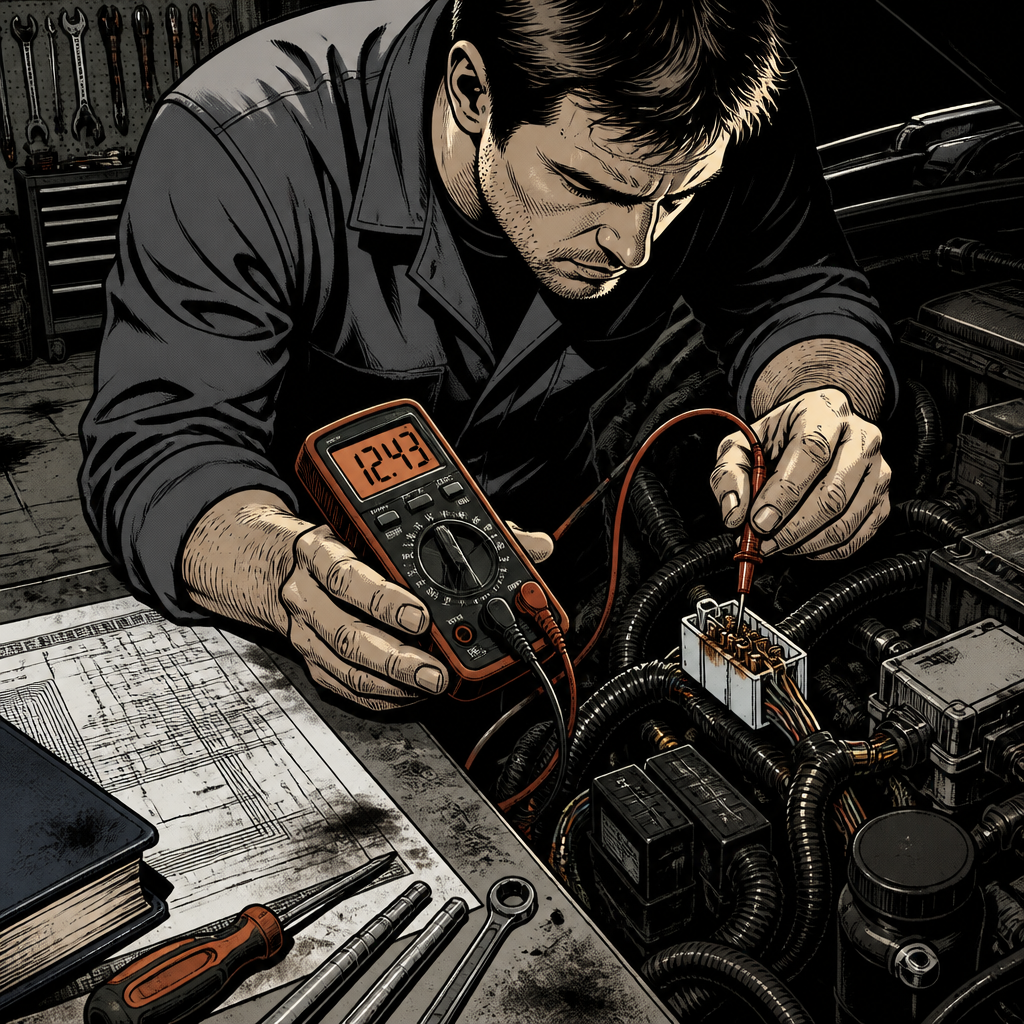
Ask any technician with more than a few years under the lift and you’ll hear the same complaint: the job changed faster than the training, the tools, or the pay did. A generation ago, a shade-tree mechanic could swap a battery, set points, and rebuild a carburetor with hand tools and a shop manual. Today’s vehicles run dozens of interconnected control modules, and a battery swap on some platforms means pulling a seat or a wheel well. The technology isn’t going away, and neither is the gap between what shops expect and what most techs were ever formally taught. This guide breaks down what actually separates technicians who keep up with modern vehicle complexity from those who get buried by it — and what to do about the skills gap directly, since waiting on the industry to fix pay and training isn’t a strategy.
Why Vehicles Outpaced the Old Mechanic Skill Set
Since OBD-II became mandatory, the line between “mechanic” and “technician” has been widening. Hybrids added high-voltage systems and regenerative braking logic. EVs removed the engine entirely and replaced it with battery management, thermal control loops, and software-defined drivetrains. Every redesign cycle adds sensors, modules, and CAN bus traffic that didn’t exist on the previous model year — often before service information or aftermarket documentation catches up.
The practical result: pattern-failure knowledge that used to carry a tech through most of a career now expires every few years. A 20-year veteran and a five-year tech are often equally unfamiliar with a brand-new platform’s wiring architecture on day one. What matters isn’t how many years you’ve been turning wrenches — it’s whether you have a repeatable method for approaching a system you’ve never seen before.
The Diagnostic Fundamentals That Still Win
Scan tools are faster and more capable than ever, but a scanner only tells you what module isn’t communicating or what parameter is out of range — it doesn’t find a corroded pin, a chafed harness, or a bad ground. Technicians who consistently nail comebacks-free repairs on electrical and network faults tend to lean on the same core habits:
- Pull the wiring diagram before touching a connector, not after guessing wrong twice.
- Verify power and ground at the component before condemning a module.
- Use a multimeter (and a lab scope for waveform issues) to confirm what the scan tool is implying, not just what it states.
- Isolate the circuit segment by segment instead of replacing the most expensive part first.
This is basic systematic troubleshooting, and it’s the single most cited gap when experienced techs talk about newer hires: strong at reading a scan tool’s output, weaker at physically proving a circuit fault with a meter and a diagram. The scan tool narrows the search. The meter and diagram finish the job.
[PRODUCT_SEARCH: automotive diagnostic multimeter with min/max recording]
No products found for "automotive diagnostic multimeter with min/max recording"
Building a Repeatable Electrical Diagnostic Workflow
When you’re on flat rate, guessing is expensive. A structured approach saves time even when it feels slower up front:
- Confirm the complaint. Reproduce the fault before you touch anything — intermittent faults chased blind waste hours.
- Pull all codes, not just the first one. On modern platforms a root-cause fault (like a low system voltage or a network dropout) can throw a dozen downstream codes across unrelated modules.
- Check the freeze frame and network status first. Communication faults on a shared bus point you toward a wiring or module supply issue before you start condemning individual components.
- Trace power, ground, and signal at the connector using the wiring diagram, not memory or assumption — connector pinouts change yearly even on the same platform.
- Verify the fix clears and stays cleared under the conditions that originally triggered it, including a drive cycle if required.
On very new model years, don’t be surprised if a code has no listed description or the ECU simply isn’t populated with manufacturer data yet. In that situation, cross-reference the manufacturer’s technical service site, check for a preliminary bulletin, or escalate to the OEM’s technical hotline — chasing an undocumented code with generic logic alone burns hours you won’t get paid for.
Getting Ready for Hybrid and EV Work Without Getting Burned
High-voltage systems are not optional knowledge anymore, even at general repair shops that don’t specialize in EVs. A few non-negotiables:
- Get formal high-voltage safety training and certification before you open an orange-cabled system — this isn’t a place to learn by trial and error.
- Use insulated, rated tools and PPE specifically graded for the voltage class you’re working on, and inspect them before every use.
- Understand the vehicle’s specific de-energization and lockout procedure — it varies by manufacturer and sometimes by model year.
- Know the difference between a high-voltage fault and a conventional 12V accessory fault before you start disassembly; many EV “no-start” complaints trace back to the low-voltage battery, not the traction pack.
Shops that treat EV/hybrid competency as a specialty add-on rather than a baseline skill are going to lose techs to industries that pay for that expertise upfront — a pattern already showing up as experienced electrical technicians move into CNC, industrial automation, and other fields where diagnostic skill is compensated more directly.
Protecting Your Time Under Flat Rate Pressure
Flat rate rewards speed, but speed without a process just produces comebacks, which cost more time than doing it right the first time. A few habits that consistently pay off:
- Invest in your own quality meter, scope, and connector test leads rather than fighting over shared shop equipment — the time saved pays for the tool fast.
- Keep a personal log of unusual faults and fixes by platform; undocumented issues repeat more than shops admit, and your own notes beat searching forums twice.
- Push back on flat rate times that don’t reflect the actual complexity of a diagnostic job — document your process so you have a case when negotiating.
- Budget ongoing time for OEM training modules; treat it as part of the job, not an unpaid extra.
Quick Reference: Electrical Fault Diagnostic Checklist
- Reproduce the complaint before diagnosing
- Pull and record all codes, not just the primary one
- Check network/communication status before condemning a module
- Confirm power, ground, and signal at the connector with a meter
- Cross-reference the wiring diagram — don’t rely on memory
- Verify the repair under real trigger conditions before closeout
[PRODUCT_SEARCH: professional automotive diagnostic scan tool kit]
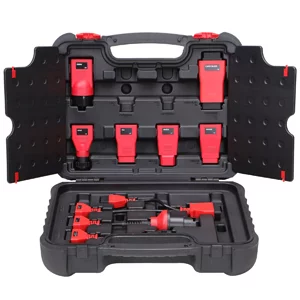
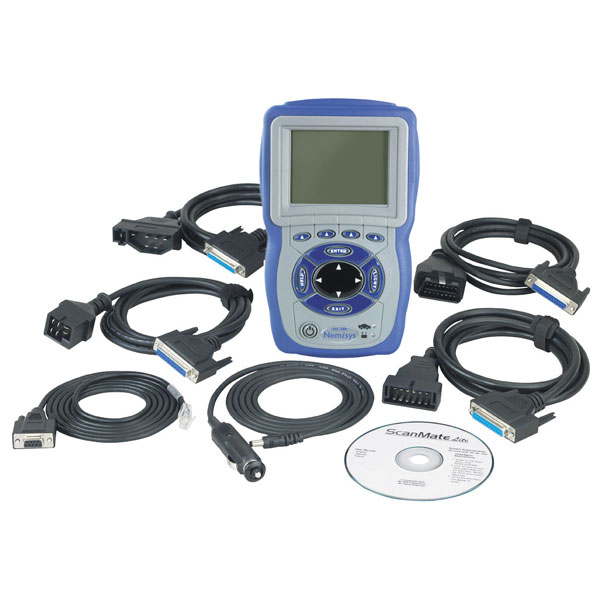
Nemisys USA Domestic Scan Tool Kit w/ 2008 Software Upgrade Coup
Mfg: OTC Tools and Equipment
Part #: 3797M08
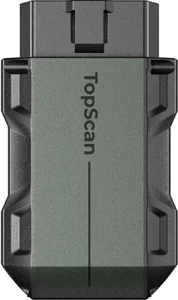
Pocket-Size Bluetooth Scan Tool w/Bi-Directional Controls
Mfg: TOPDON
Part #: TOPSCANPRO
FAQs
Why do modern cars need a scan tool and a multimeter instead of just one or the other?
A scan tool tells you which module or circuit is reporting a fault; it doesn’t confirm the physical cause. A multimeter (or scope) proves whether the wiring, connector, or ground is actually good, which is what prevents misdiagnosis and unnecessary parts replacement.
What should I do when a fault code has no listed description?
This happens more often on newly released model years where OEM documentation hasn’t caught up. Check the manufacturer’s technical service portal for bulletins, contact the OEM technical hotline, and document the freeze frame data thoroughly in case the description populates later.
Do I need EV-specific training if my shop mostly does general repair?
Yes. Hybrid and EV volume is growing across nearly every shop type, and high-voltage systems carry real safety risk. Formal training and rated PPE are baseline requirements, not specialty upgrades.
How do I get better at wiring diagram-based troubleshooting?
Practice tracing circuits on vehicles you already understand well before you need the skill on an unfamiliar platform. Pair every scan tool session with a deliberate check of the diagram for the affected circuit, even when you’re confident about the cause.
Is it worth specializing in electrical/network diagnostics specifically?
It’s one of the most transferable and in-demand skill sets in the trade, both within automotive and in adjacent fields like industrial and CNC maintenance, where strong diagnostic technicians are often compensated more directly for that expertise.
What’s the single biggest habit that prevents diagnostic comebacks?
Verifying the fix under the actual conditions that triggered the original complaint — including a full drive cycle when required — instead of clearing the code and assuming the repair held.
Build Your Diagnostic Toolkit
Systematic troubleshooting relies on having the right equipment. Our Automotive Diagnostic Tools collection covers multimeters, lab scopes, scan tools, and connector test leads—everything you need to verify circuits, diagnose network faults, and approach unfamiliar systems with confidence.
- Multimeters and lab scopes for waveform and circuit verification
- Professional scan tools designed for modern multi-module diagnostics
- Connector test leads and safety-rated PPE for electrical work

The Toolsource Technical Team blends decades of real-world automotive service experience with up-to-date technical research. Our writers collaborate with professional mechanics, shop owners, and diagnostic specialists to deliver practical, workshop-ready guidance you can trust.


Follow us on social media