Ask around any shop right now and you’ll hear the same thing from customers: new car payments are running $500-700 a month before insurance and registration, and used car prices haven’t come back down to earth either. That math is pushing more owners to ask a different question than “what should I trade this in for” — they want to know whether their 150,000-mile daily driver is worth fixing one more time. For techs, that means repair-vs-replace conversations are now a regular part of the job, not an edge case. Here’s a practical framework for having that conversation, plus the maintenance steps that actually keep older vehicles reliable.
Run the Real Repair-vs-Replace Math
The rule of thumb that a repair isn’t worth it once it exceeds the car’s value is too simplistic, and it’s worth walking customers through why. A $3,000 repair on a car with a $15,000 market value is an easy yes. But even a $3,000 repair on a car “worth” only $4,000 in a trade-in guide can still be the better financial move, because the alternative isn’t a free car — it’s a $500+/month payment, higher insurance premiums on a financed vehicle, and sales tax on the new purchase. Frame it in months of ownership: divide the repair cost by what a comparable replacement payment would be, and show the customer how many months of driving that buys them. A $2,500 transmission repair that buys 3-4 more years of service is rarely a bad trade against 60-84 months of new financing at today’s interest rates.
The other variable techs are better positioned to judge than a trade-in calculator: is this a one-time failure or the first of several? A failed water pump on an otherwise well-maintained engine is a clean repair. A failed water pump on a car that’s also due for suspension work, has a marginal transmission, and is showing rust on the subframe is a different conversation — not because the car isn’t worth fixing, but because the customer needs the full picture before committing to the first item.
Diagnose the Whole Car Before Committing to One Repair
The costliest mistake in a repair-vs-replace decision is fixing the symptom that brought the car in without checking what else is close to failing. Before quoting a major repair on a vehicle over 100,000 miles, run a full diagnostic pass: pull codes even if the check engine light isn’t on (many shops skip this on “it’s just a mileage thing” vehicles), inspect suspension bushings and ball joints, check subframe and brake line condition for rust, and scope the transmission fluid condition regardless of whether the customer mentioned any shifting issues. This isn’t upselling — it’s giving the customer an honest total cost of ownership number instead of a series of surprises every three months, which is what actually erodes trust and sends customers to a dealer for a new car out of frustration.
Know Which High-Mileage Failures Are Routine vs. Terminal
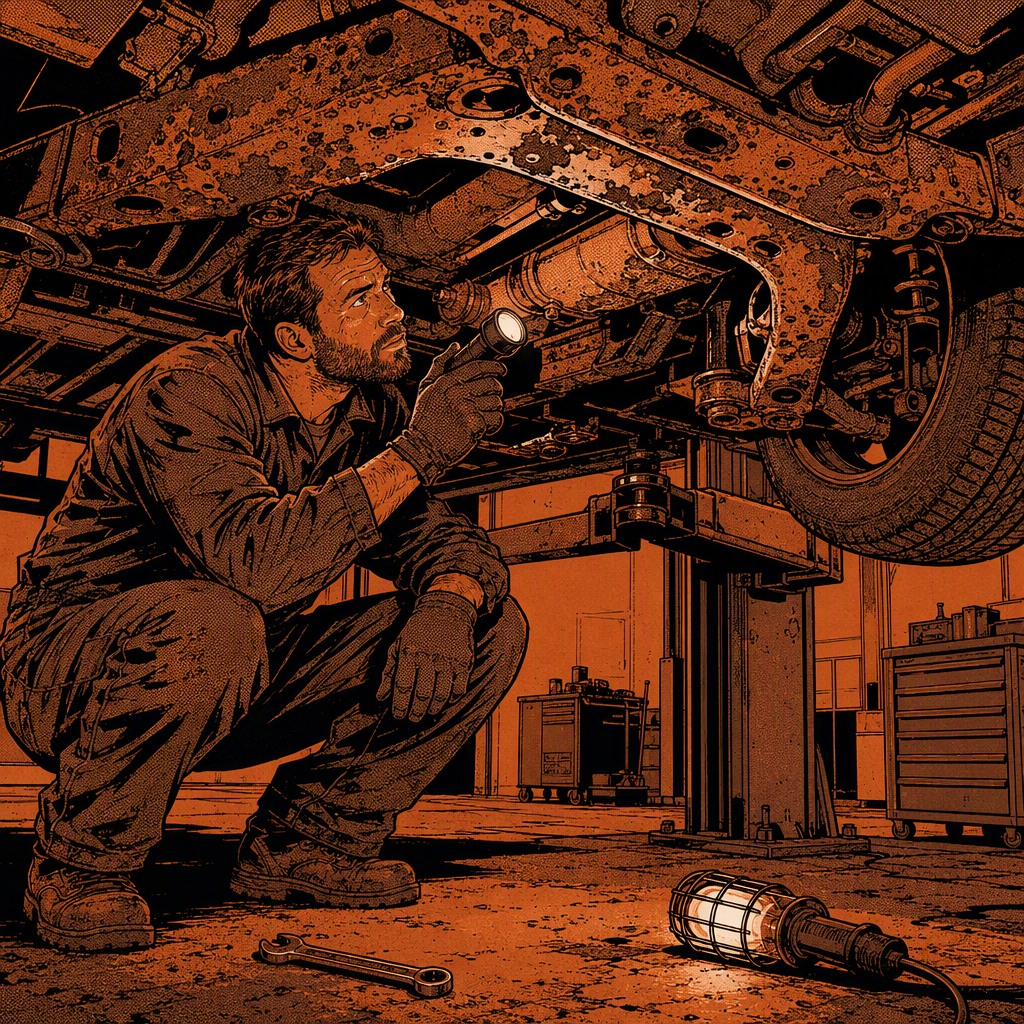
Not all major repairs carry the same risk. Engines and transmissions are commonly swapped with used or remanufactured units at a fraction of new-vehicle cost — a used engine plus labor often lands in the $2,500-4,000 range, which is a fraction of a new car payment schedule. These are usually good bets on a vehicle that’s otherwise solid. Rust, on the other hand, is the one failure mode that’s genuinely terminal in a way mechanical failures aren’t: structural rust on a subframe, frame rail, or unibody section isn’t something you repair your way out of economically, and it’s a safety issue, not just a cost issue. When you’re evaluating a car for a customer, separate “expensive but fixable” (engine, transmission, electrical, most suspension work) from “structurally compromised” (frame/subframe rust, unibody damage) — the first category supports a repair recommendation, the second usually doesn’t, regardless of how good the engine still runs.
Build a Maintenance Plan That Actually Extends Service Life
Cars that reliably hit 200,000-300,000 miles don’t get there by accident — they get there because someone stuck to a maintenance interval instead of only responding to breakdowns. For high-mileage vehicles specifically, a few items matter more than the factory schedule assumes:
- Fluid intervals shorten as mileage climbs — recommend tighter intervals on transmission fluid, coolant, and differential fluid than the factory schedule for anything past 100,000 miles, since seals and clearances are more worn and contamination has a bigger impact.
- Rubber and plastic components (bushings, hoses, belts, engine mounts) degrade with age, not just mileage. A 15-year-old car with 60,000 miles can need more rubber replacement than a 5-year-old car with 100,000 miles.
- Rust prevention is cheapest as maintenance, not repair. Annual undercoating or rust inhibitor application in salt-belt regions is far less expensive than any repair once rust reaches structural components.
- Battery, alternator, and starter testing should be proactive on vehicles over 8-10 years old — these are cheap to test and replace on a schedule, expensive to deal with as a tow-in failure.
Set Expectations on Used Purchases Before the Wrench Comes Out
A growing share of “should I fix this” conversations start before a customer even owns the car — they’re asking for a pre-purchase inspection on a used vehicle in an inflated market where a 10-year-old vehicle with 150,000+ miles can carry a surprisingly high asking price. The inspection standard here should be stricter than a routine service visit: check for accident history indicators (uneven panel gaps, overspray, mismatched fastener wear), verify service records match the odometer, and specifically flag any prior frame or unibody repair. In a market where buyers are stretching to afford older vehicles because new car pricing has pushed them out, an inspection that catches a hidden $4,000 problem is worth more to that customer than almost anything else you do for them that year.
Quick Reference: Repair-vs-Replace Checklist
- Get a full diagnostic scan and visual inspection, not just a quote on the reported symptom
- Check for structural rust on frame, subframe, and unibody before approving major mechanical work
- Compare repair cost to months of equivalent new-car payments, not just trade-in value
- Flag rubber, suspension, and fluid items that are due even if they didn’t bring the car in
- For used-engine or transmission swaps, confirm sourcing and warranty terms before quoting
- Set a written maintenance interval plan so the next visit isn’t another surprise repair


FAQs
At what mileage does a repair stop making sense?
There’s no fixed number — a well-maintained vehicle at 200,000 miles can be a better repair candidate than a neglected one at 100,000. Base the decision on the specific repair, the vehicle’s overall condition (especially rust), and what the repair cost buys in months of continued use versus a replacement payment.
Is a used or remanufactured engine a reliable option for extending vehicle life?
Yes, when sourced from a reputable supplier with mileage verification and a warranty. It’s a common, cost-effective way to add years of service to an otherwise sound vehicle, typically at a fraction of what a comparable new or leased vehicle would cost over the same period.
How do I know if rust is cosmetic or structural?
Surface rust on body panels is cosmetic and doesn’t affect safety or repair viability. Rust on frame rails, subframes, control arm mounting points, or unibody structural members is a different category — it affects crash integrity and suspension attachment, and should be inspected by lifting the vehicle, not judged from the exterior.
Should tighter fluid change intervals really apply to older low-mileage cars?
Yes. Time-based degradation (rubber seals hardening, coolant additives depleting, moisture absorption in brake fluid) happens regardless of miles driven. A 12-year-old car with 40,000 miles still needs fluid services on a time interval, not just a mileage interval.
What should a pre-purchase inspection on a high-mileage used car cover that a routine inspection doesn’t?
Add accident-history checks (panel gaps, paint overspray, fastener wear), a frame/unibody inspection for prior repair or rust, verification that service records match the odometer, and a transmission fluid condition check even without reported symptoms.
Is it worth replacing an engine or transmission on a vehicle with high mileage everywhere else?
Usually, if the rest of the vehicle is structurally sound and rust-free. The engine and transmission are the most commonly swapped major components precisely because doing so resets the vehicle’s most expensive failure points while keeping a paid-off, otherwise serviceable car on the road.
Diagnostic Tools for Repair Decisions
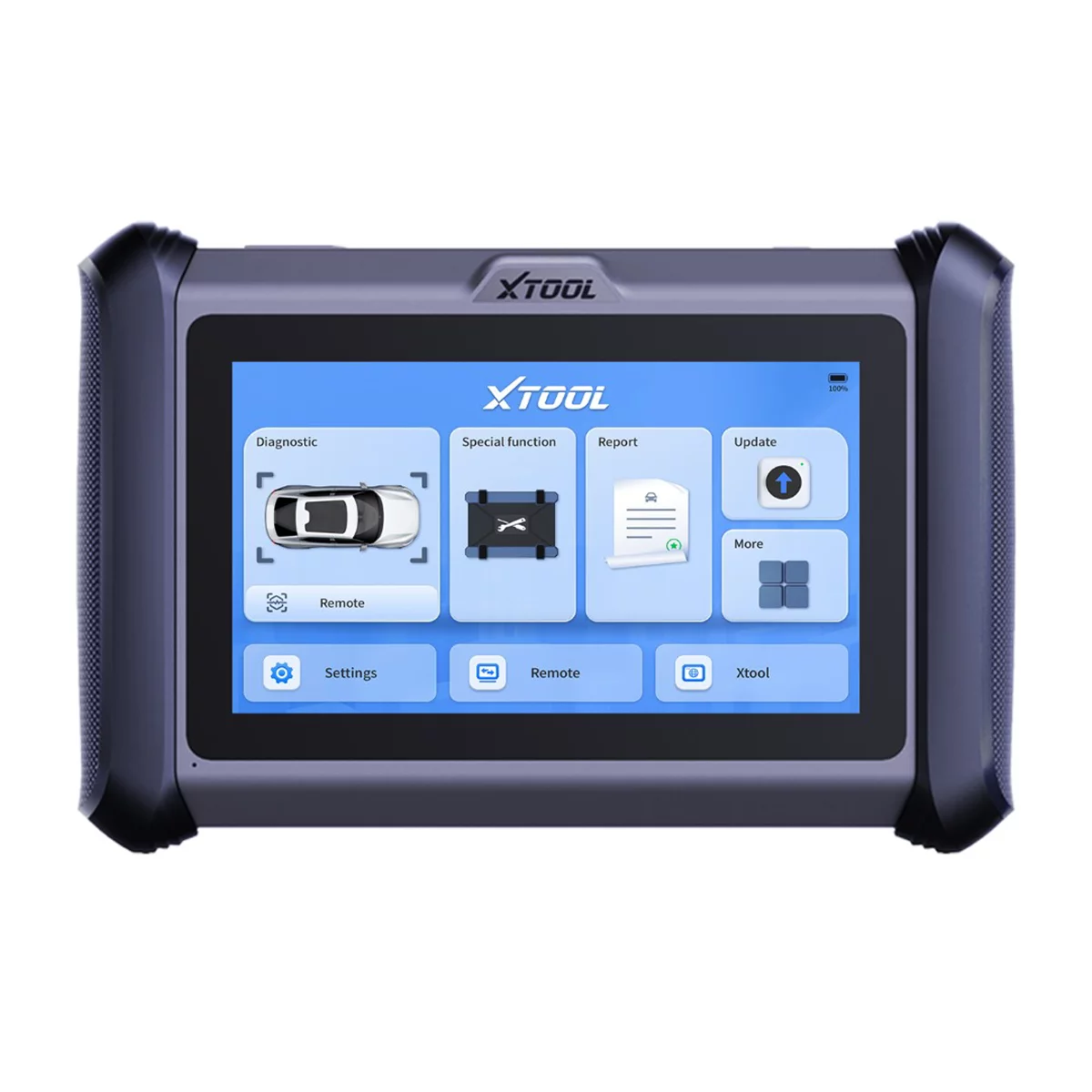
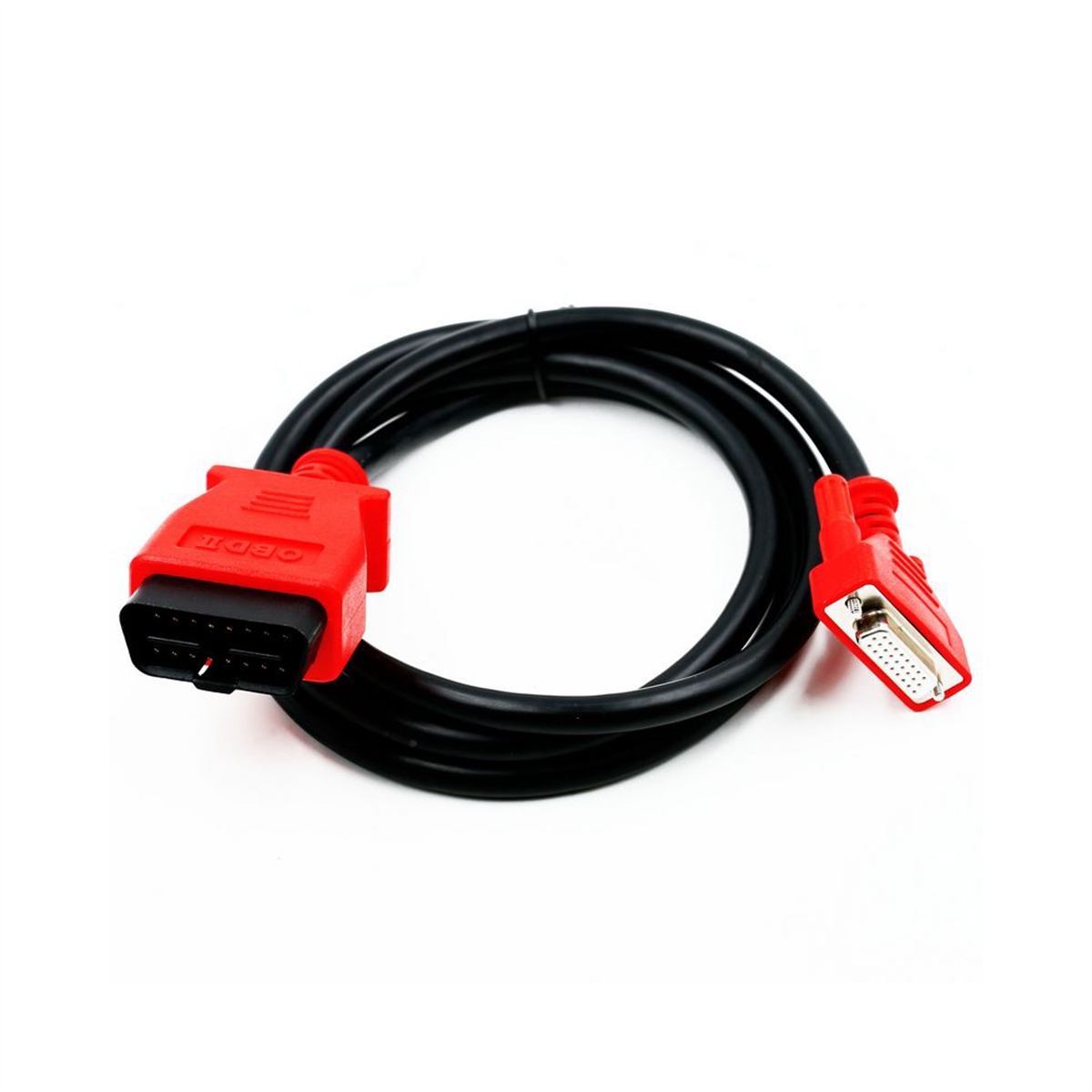
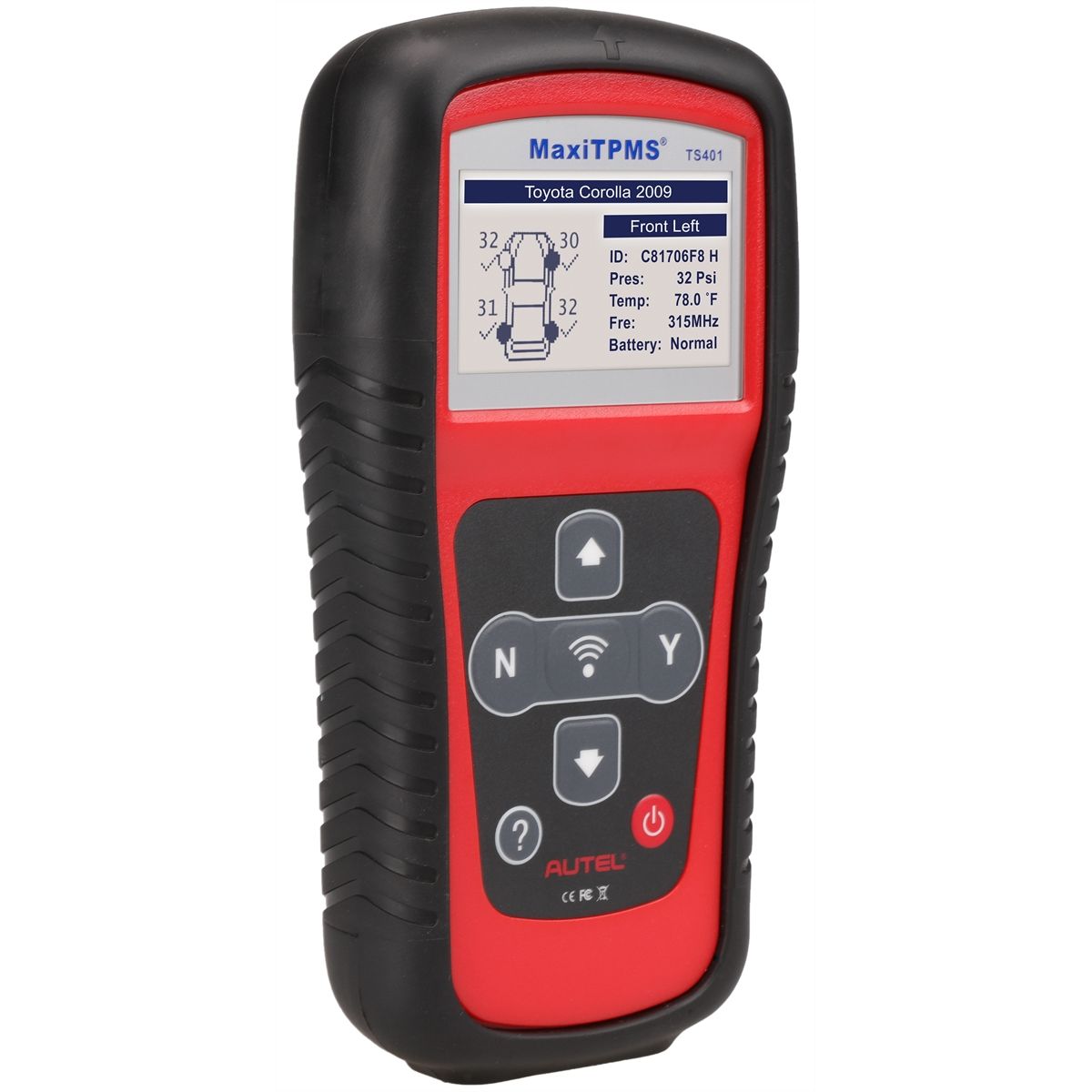
Before approving a major repair on a high-mileage vehicle, a full diagnostic pass is necessary—pulling codes, checking fluid conditions, and assessing system status. The tools in our Automotive Diagnostic Tools selection support the complete diagnostics workflow described throughout this guide.
- OBD-II scanners and code readers
- Fluid condition testers and analyzers
- Diagnostic equipment for suspension, electrical, and system assessment

The Toolsource Technical Team blends decades of real-world automotive service experience with up-to-date technical research. Our writers collaborate with professional mechanics, shop owners, and diagnostic specialists to deliver practical, workshop-ready guidance you can trust.


Follow us on social media