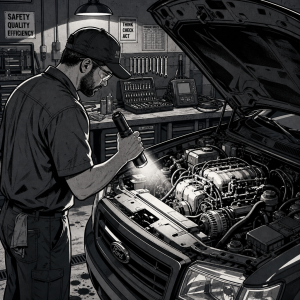
The K-Shaped Shop Floor: What Uneven Repair Demand Means for Your Bay in 2026
Shop floors across the country are reporting a split: exotic, luxury, and fleet accounts staying busy while everyday customer-pay work dries up. Here’s how to read those signals and adjust your service mix, staffing, and sales approach accordingly.
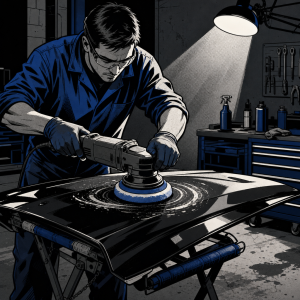
Fixing Failing Clear Coat: A Technician’s Guide to DIY Paint Correction and Respray Prep
Chalky, peeling clear coat doesn’t always mean a trip to the body shop. This guide walks through diagnosing clear coat failure, respray prep for tricky conditions like altitude, and the machine polishing steps that make a DIY correction actually hold up.
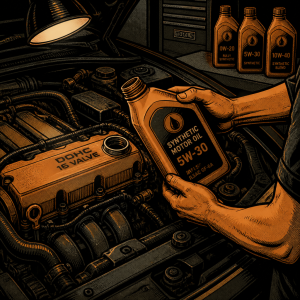
Motor Oil Shortages and Reformulations: A Shop Tech’s Buying Guide
Base oil supply disruptions are driving up motor oil prices and forcing manufacturers to quietly reformulate popular oils — sometimes dropping certifications like dexos in the process. Here’s a practical guide for technicians on verifying specs, sourcing oil at the best price, and protecting customers from off-spec fills.
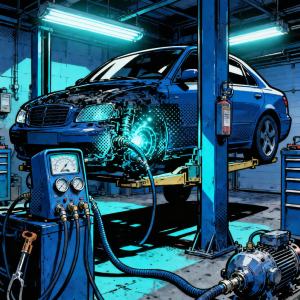
How to Find and Fix Your Car’s AC Leak
When your car’s AC stops blowing cold, an AC leak is likely the problem. Learn professional leak detection methods using UV dye and electronic sniffers, understand realistic repair costs by component type, and discover when DIY diagnosis makes sense versus requiring professional help—including why proper refrigerant recovery and leak repair beat temporary recharge every time.
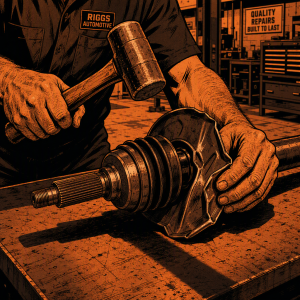
Bent Axle Dust Shield? How to Assess, Repair, or Replace It the Right Way
A dented or bent dust shield on a new axle or driveshaft is a common shipping and handling issue, and in most cases it’s fixable in the bay rather than a reason to send the part back. This guide walks through assessing the damage, reshaping the shield safely, and confirming it won’t rub or fail once installed.
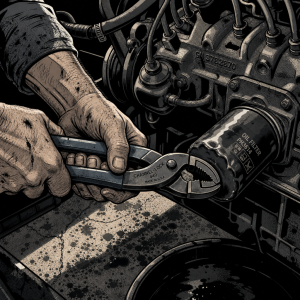
How to Remove a Stuck or Damaged Oil Filter Without Wrecking Your Day
When a stripped, corroded, or over-torqued oil filter won’t budge — and someone’s already tried a strap wrench or screwdriver on it — you need an escalation plan, not more guessing. This guide walks through the tool progression, from channel locks to air chisels, that actually gets seized filters off without damaging the mounting surface.
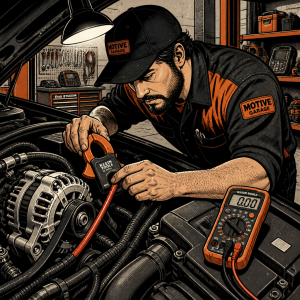
Is 13.9 Volts Normal? A Technician’s Guide to Diagnosing Smart Charging Systems
A voltage reading in the low 13s doesn’t automatically mean a bad alternator — especially on newer vehicles with computer-controlled charging. This guide walks techs through proper load testing, common false alarms, and the tools needed to diagnose smart charging systems correctly.
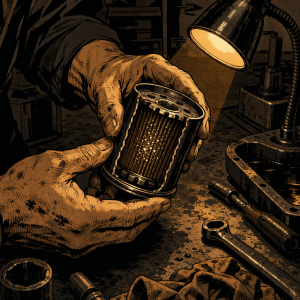
Engine Knock Diagnosis: How to Tell Rod Bearing Failure From Valve Train Noise
When a customer’s engine starts knocking, the internet always says “rod bearing” — but that’s not a diagnosis, it’s a guess. Here’s the actual shop workflow for isolating the noise, checking oil condition and pressure, and deciding whether the engine is savable before more damage happens.
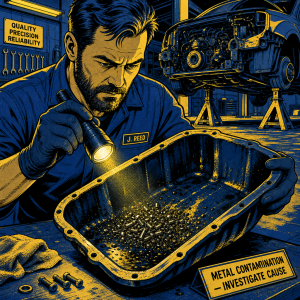
What to Do When You Find Metal Debris in Your Oil Pan: A Technician’s Guide
Discovering metal debris during an oil change can trigger immediate concern about engine damage. While pieces of broken dipstick tubes are among the most common findings, understanding what you’re looking at and how it got there is critical to determining your next steps and preventing catastrophic failure.
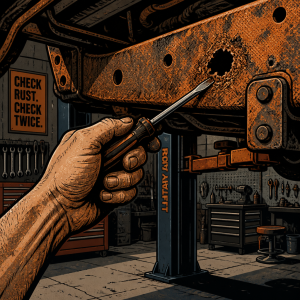
Rusted Frames and Subframes: A Technician’s Guide to Inspection, Repair, and the Replace-or-Drive Call
Rust corrosion on frames, subframes, and suspension components is one of the hardest calls a technician makes — surface pitting versus structural failure isn’t always obvious from a glance. This guide walks through the inspection methods, DIY treatment steps, and replacement thresholds shop techs actually use in the field.


Follow us on social media