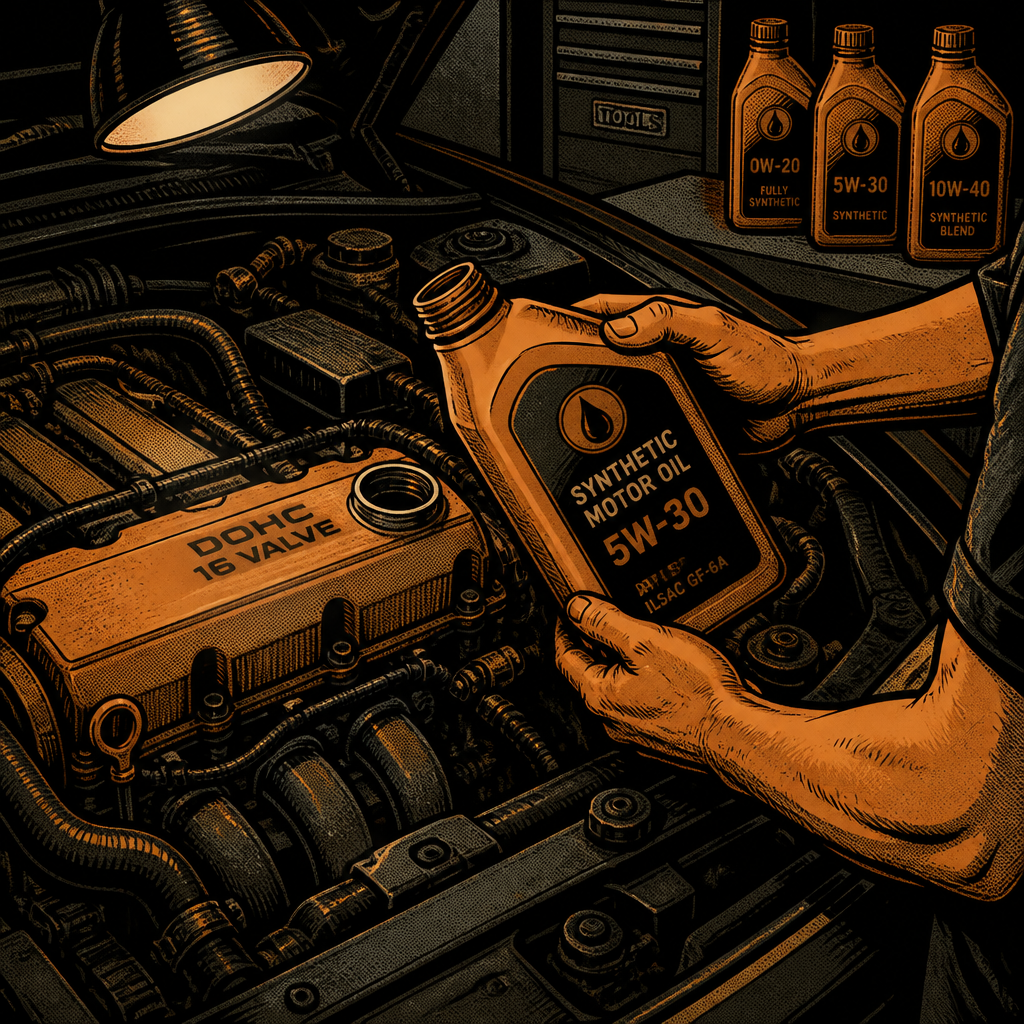
Motor oil pricing has been volatile for months, and it isn’t just inflation. A disruption in Middle East base oil supply — including a natural-gas-to-liquid refinery that several major brands relied on for synthetic base stock — has pushed some 5-quart jugs up $10-15 in a matter of weeks and forced manufacturers to reformulate popular products on short notice. For shops that run through cases of oil every week, that means two separate problems: paying more per quart, and unknowingly installing an oil that no longer carries the OEM certification your customer’s warranty requires. Here’s how to handle both.
Why Base Oil Supply Is Driving This
Most full-synthetic oils are built on one of a handful of base stock types (Group III, Group IV/PAO, or gas-to-liquid). When a major GTL refinery in the Gulf region was knocked offline, brands that sourced from it had two options: find an alternative base stock supplier or reformulate with a different base oil entirely. Several manufacturers have gone the reformulation route rather than halt production, which keeps bottles on the shelf but changes what’s actually inside them. This is why you’re seeing techs report the same bottle, same price point, same shelf position — but a different formula and, in some cases, missing certifications.
The practical impact for a shop: don’t assume “same brand, same product line” means “same oil” right now. Treat every new case of oil as something worth a quick label check until supply stabilizes.
How to Spot a Reformulated Oil Before It Goes in the Pan
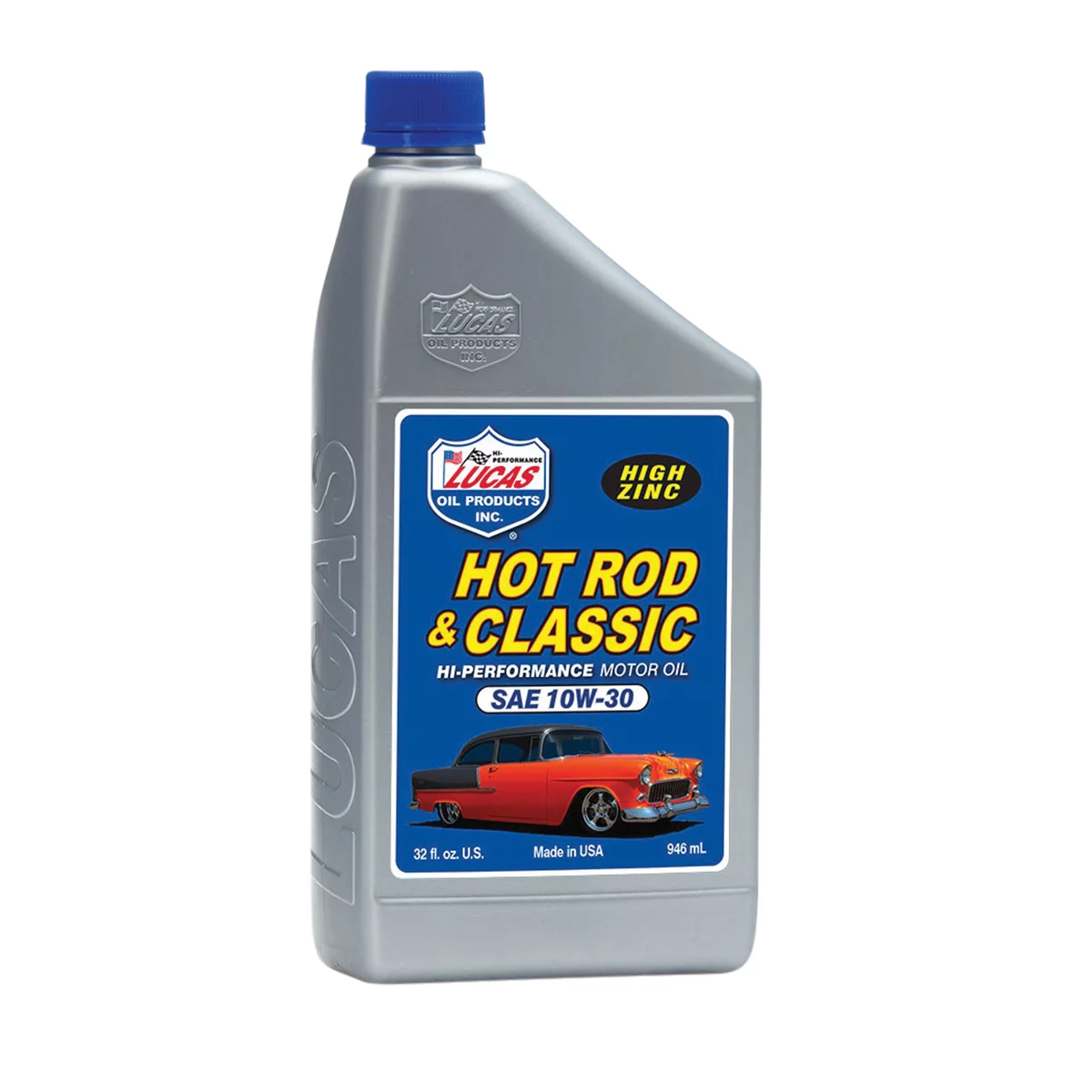
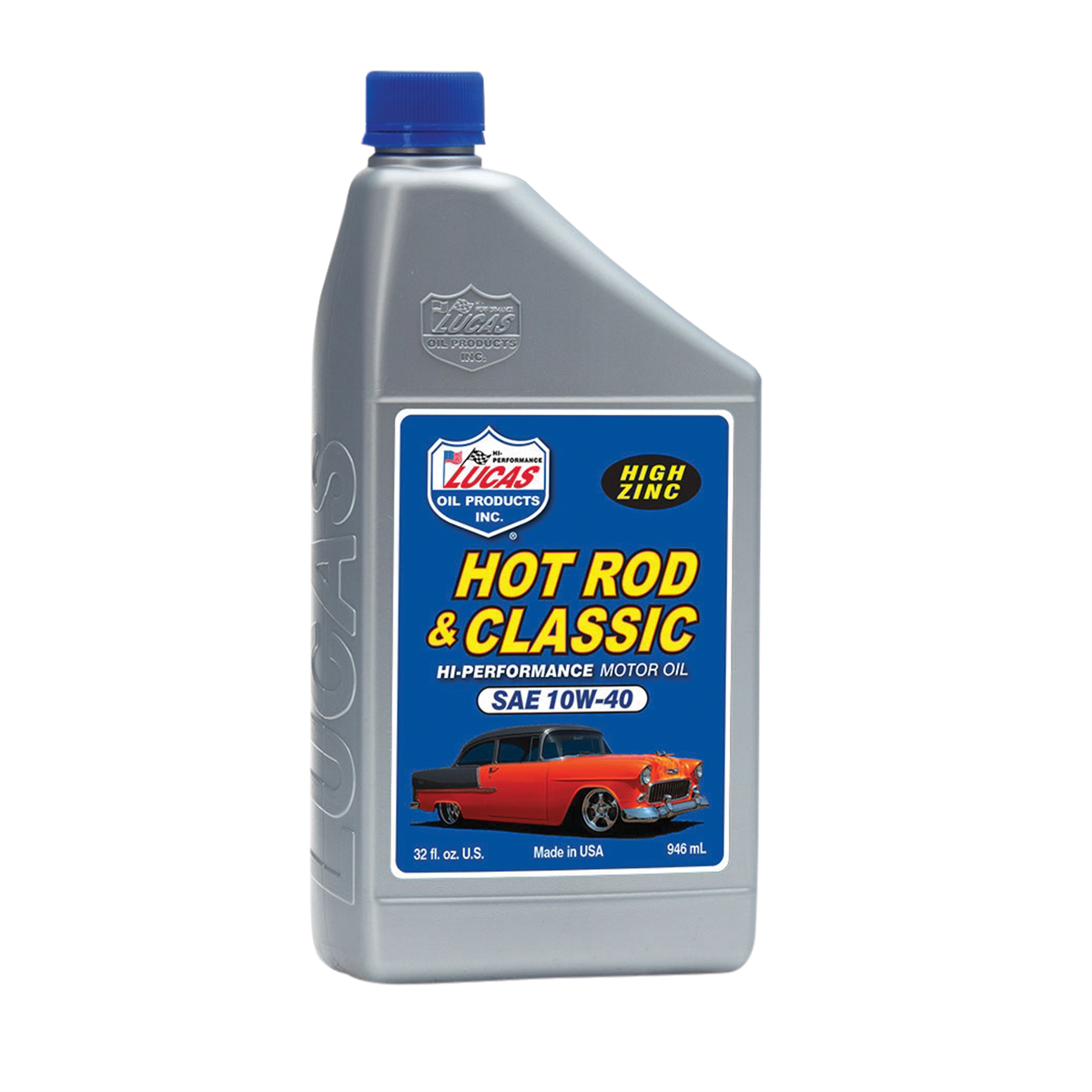
The certification stamps on the back label (API service category, ILSAC GF rating, and OEM-specific approvals like dexos1, dexos2, or European ACEA specs) are the fastest way to catch a reformulation. If a jug you’ve bought for years suddenly doesn’t list the dexos approval, or the API donut looks different, that’s your signal to stop and cross-check before using it on a GM vehicle under warranty.
- Compare the back label against a photo or note from your last case — don’t rely on memory.
- Check the manufacturer’s certification lookup tool or approved-products list online if you’re unsure a lot number still qualifies.
- Watch for wording changes like “synthetic blend technology” replacing “full synthetic” or gas-to-liquid claims disappearing.
- If a customer’s owner’s manual specifies a named approval (dexos1 Gen 3, MB 229.5, VW 502.00, etc.), match the bottle to that spec every time, not just the viscosity grade.
Distributors and jobbers have also been getting service bulletins about potential shortages and reformulations — it’s worth asking your parts rep directly whether a given SKU has changed spec in the last few shipments.
No products found for “oem approved synthetic motor oil bulk jug”
Sourcing Oil Without Blowing Your Margins
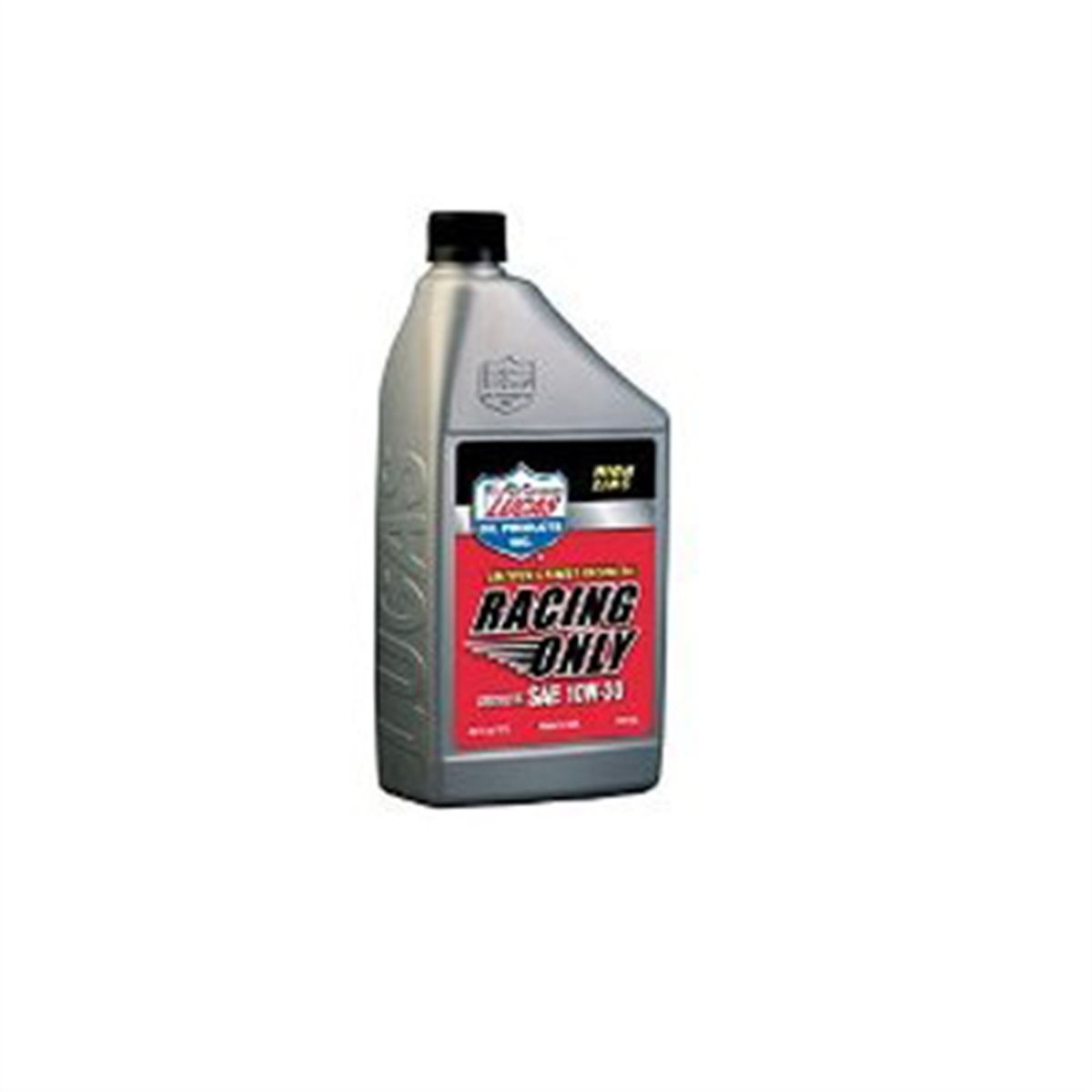
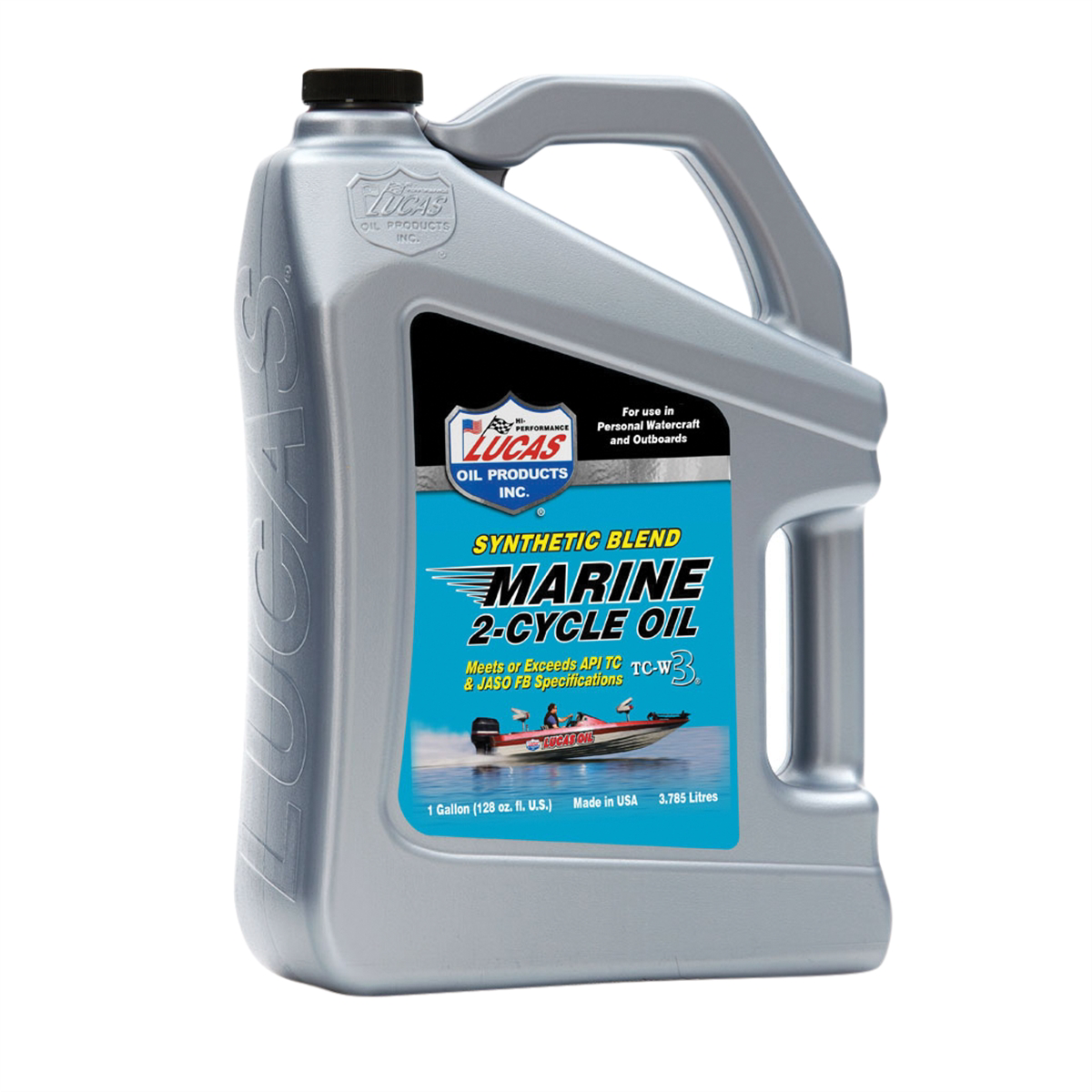
Independent techs and shop owners buying their own bulk stock have found real price spread between retailers right now, and it’s worth shopping around rather than defaulting to your usual supplier. Warehouse clubs (Costco, Sam’s Club) and big-box retailers (Walmart, Menards, Meijer) have generally held lower per-quart pricing on house-brand conventional and synthetic oils than specialty auto parts chains or dealer-network suppliers, where markups on the same base product have been steeper. Store-brand oils (Kirkland, SuperTech) are worth a second look if you haven’t used them before — they’re produced to the same API/ILSAC specs as name brands and have held price better than some name-brand synthetics during this stretch.
If your shop runs name-brand full synthetic because of a specific OEM approval, price out the 5-gallon jug or drum option instead of individual quarts — several techs have found the per-quart cost on bulk containers still beats retail 5-quart jugs even after the recent increases. Also check for manufacturer rebates or store loyalty discounts before writing off a brand as too expensive; a percentage-back rebate can offset a chunk of the increase.
Stocking Up Without Overcommitting
Buying ahead makes sense when you’re confident the spec on the shelf right now is the one you’ll want in six months — but reformulations mean today’s stock might be replaced by a different formula before you run out. If you’re going to buy in bulk:
- Confirm the certifications on the case you’re buying, and hang on to the label or a photo of it for reference.
- Buy conventional and commonly-requested synthetic grades (0W-20, 5W-20, 5W-30) in bulk first — these move fastest and are least likely to see spec changes that matter to most customers.
- Be more conservative stocking specialty OEM-spec oils (specific dexos generations, diesel CK-4/FA-4, or European approvals) since those are the ones most likely to lose certification in a reformulation.
- Store oil in a cool, dark area away from temperature swings — properly sealed motor oil has a long shelf life, but heat cycling can degrade additive packages over time, especially in synthetic blends.
When Your Go-To Oil Loses a Spec
If a product you’ve used for years drops an OEM approval, don’t substitute on assumption — verify a replacement. Most oil manufacturers publish an approved-products or “look up your spec” tool on their website; use it before switching a customer’s vehicle to a different line, especially anything still under a factory or extended powertrain warranty. In several cases techs have found that a different tier within the same brand’s lineup (or a different brand entirely) still carries the needed approval even when a longtime favorite no longer does. Keep a short reference list at the service counter of which current in-stock oils carry which OEM approvals — it saves time during a rush and prevents a tech from grabbing the wrong jug under pressure.
For dexos-specific work in particular, GM’s certified products list is the fastest way to confirm an oil still qualifies — don’t rely on the bottle alone if you have any doubt about a specific lot.
Communicating This to Customers
Price increases on oil changes are going to raise questions at the counter. Being upfront about why (a documented supply disruption affecting base oil availability, not a arbitrary markup) heads off most pushback. If you had to substitute a different oil brand or grade because your usual product lost a certification, note it on the invoice — it protects the shop if a warranty question comes up later and shows the customer you’re paying attention to spec, not just grabbing whatever’s on the shelf.
Quick Checklist
- Check API/ILSAC/OEM certification stamps on every new case, not just the first one
- Cross-reference any oil that dropped a certification before using it on a covered vehicle
- Compare per-quart pricing across warehouse clubs, big-box retailers, and your regular jobber
- Consider bulk containers (5-gallon) for high-volume grades to offset per-quart increases
- Keep a current reference list of in-stock oils and their approvals at the service counter
- Document any substitution on the customer invoice
Atlas Automotive Equiopment 5HP 80 Gallon Vertical Air Compressor
Mfg: Atlas Automotive
Part #: MP-6580V2
ID: 406536
FAQs
Why did my usual oil brand suddenly cost so much more?
A disruption to Middle East base oil production, including a gas-to-liquid refinery several brands sourced synthetic base stock from, tightened supply industry-wide. Manufacturers passed the cost increase through and, in some cases, reformulated products to keep them on shelves.
How do I know if an oil has been reformulated?
Compare the back label’s API service category, ILSAC GF rating, and any OEM-specific approvals (dexos, ACEA, etc.) against a previous case. A missing approval or changed wording (e.g., “gas-to-liquid” no longer listed) is the clearest sign.
Is store-brand oil (Kirkland, SuperTech) safe to use in place of name brands?
Yes, as long as it carries the correct API/ILSAC rating and any required OEM approval for the vehicle. Store brands are manufactured to the same industry specs and have generally held price better during this supply disruption.
Should I stock up now in case prices rise further?
For common grades, moderate bulk buying makes sense if you verify the current certification. For specialty OEM-spec oils, buy more conservatively since those are more likely to see formula changes that could make current stock obsolete for warranty work.
What do I do if a customer’s required oil is out of stock everywhere?
Check the OEM’s approved-products list for an alternate brand or grade that carries the same certification rather than substituting based on viscosity alone. Document the substitution on the invoice.
Does this affect conventional oil too, or just synthetics?
Mostly synthetics, since the disrupted supply was synthetic base stock. Conventional oil pricing has risen due to general demand and shortage-driven stocking behavior, but conventional formulas haven’t seen the same certification changes.
Shop Bulk Motor Oil & Lubricants
Whether you’re restocking common grades or sourcing OEM-spec synthetics, finding the right oil at a competitive price is critical right now. Check out our Oil & Lubricants selection for bulk containers, name brands, and store-brand options that can help manage margins during supply disruptions.
- Full-synthetic and conventional motor oils in all common viscosity grades
- Bulk 5-gallon containers and cases for high-volume shops
- OEM-approved products for dexos, ACEA, and specialty certifications

The Toolsource Technical Team blends decades of real-world automotive service experience with up-to-date technical research. Our writers collaborate with professional mechanics, shop owners, and diagnostic specialists to deliver practical, workshop-ready guidance you can trust.


Follow us on social media