Every shop has heard it: a customer walks in, plays a video of their engine ticking or knocking, and asks “is this bad?” Social media threads on these videos always converge on the same verdict — “rod bearing,” “that’s a knock,” “sell the car” — usually within the first ten replies, often before anyone asks about oil level or oil pressure. That instinct isn’t wrong often, but it’s not a diagnosis. A proper diagnosis separates rod bearing failure from valve train noise, accessory noise, and other lower-cost problems before a customer authorizes a teardown or, worse, keeps driving on a rod that’s about to let go. This guide walks through the actual diagnostic sequence a tech should run when a knock shows up, what tools make the call faster, and where the line is between “drive it to the shop” and “don’t touch the key again.”
Reading the Symptoms Before You Touch a Wrench
Before any inspection, get a clear description of the noise and its behavior — this alone narrows the field significantly.
- Cold vs. warm: Noise present cold and disappearing as oil warms up often points to valve train (lifters, tensioners) rather than bottom-end bearings, since warm oil restores clearance and pressure to hydraulic components faster than it changes bearing oil film behavior.
- RPM correlation: A knock that scales directly with engine speed and gets louder under load or acceleration is classic rod bearing behavior — the noise is combustion pressure slapping a worn bearing against the crank journal.
- Onset pattern: Sudden onset (“it just started today”) is more consistent with a bearing spinning or spun, while a noise that’s been present and slowly worsening over weeks fits valve train wear, a failing tensioner, or accessory bearing wear.
- Location: Have the customer (or you, on the lift) try to localize the noise front-to-back and top-to-bottom. Rod knock tends to read from the lower/center block; valve noise reads from the top, near the valve cover.
Get this history before you drain anything or pull a single fastener. It tells you where to point your stethoscope first and whether this is a “drive it in carefully” situation or a “flatbed only” situation.
Oil Level, Condition, and Pressure: The Non-Negotiable First Check
The single most common root cause behind a sudden knock is neglected oil — low level, extended change intervals, or oil so degraded it can no longer maintain film strength on the bearings. This is the first physical check, every time, no exceptions:
- Pull the dipstick. Check level against the full mark, and check consistency. Oil that looks like thick sludge, has a strong burnt smell, or shows metallic glitter under a flashlight is diagnostic on its own.
- Check the filler cap and valve cover for sludge or varnish. Heavy sludge buildup confirms a long history of extended or skipped changes, which correlates directly with bearing wear.
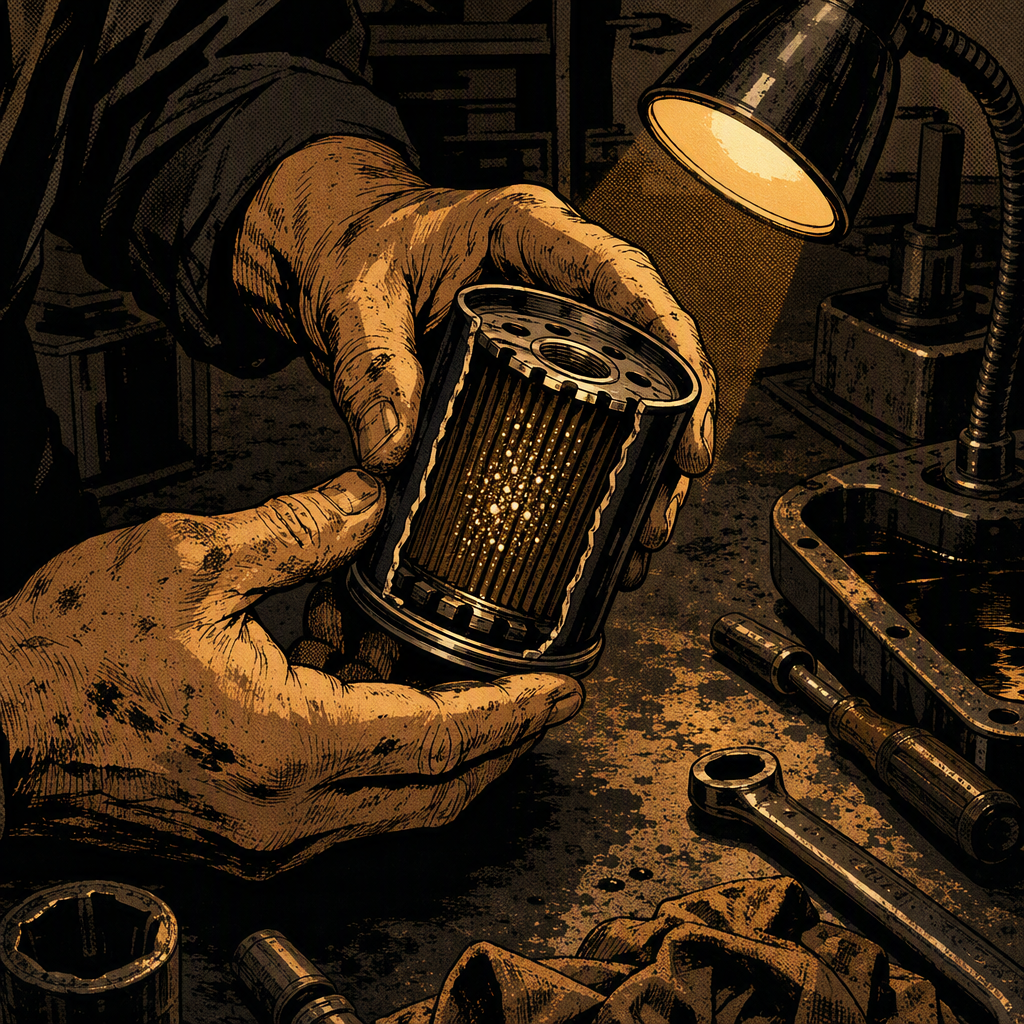
- Cut the oil filter open if you suspect bearing failure. Fine metallic glitter embedded in the filter media is close to a confirmed diagnosis of bearing or bushing wear — steel and aluminum particles look different, and a magnet run through the drained oil helps separate ferrous rod/main bearing material from aluminum piston or bushing material.
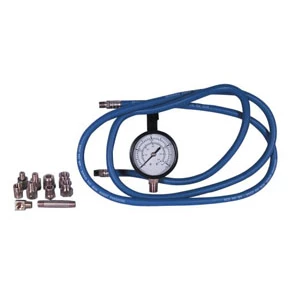
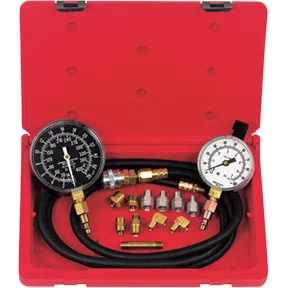
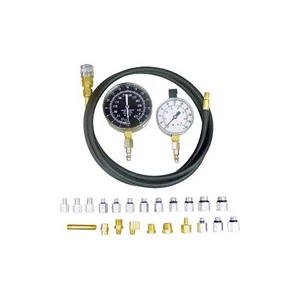
- Check oil pressure with a mechanical gauge, not just the dash light or gauge cluster — factory oil pressure sensors and warning lights are notoriously slow to react and can read normal on an engine with significantly worn bearings. Compare readings at idle and at 2,500–3,000 RPM against the manufacturer’s spec.
Low measured pressure combined with metallic debris in the filter is close to conclusive for rod or main bearing damage. Normal pressure with clean oil and a noise that changes with engine temperature shifts the suspicion strongly toward valve train.
Isolating Rod Knock From Valve Train and Accessory Noise
Once oil condition and pressure are checked, isolate the noise itself.
- Mechanic’s stethoscope: With the engine idling (only if you’ve already ruled out imminent catastrophic failure — see the checklist below), probe the block near each cylinder at the rod journal area, then the valve cover and head area. Rod knock is typically a deep, dull, rhythmic thud that’s loudest low on the block. Valve/lifter noise is a lighter, higher-pitched tick concentrated at the top of the engine.
- Cylinder-by-cylinder kill test (gas engines only, with appropriate precautions): Disabling one cylinder’s ignition or fuel at a time while the engine idles and listening for a change in knock intensity can help identify which cylinder is affected — a knock that quiets noticeably when a specific cylinder is killed points toward that cylinder’s rod bearing.
- Valve cover removal: Pulling the valve cover(s) lets you directly inspect lifters, rocker arms, and cam lobes for wear, and lets you rule out a collapsed lifter or worn cam lobe as the noise source without going anywhere near the bottom end.
- Timing chain/tensioner check: A slapping or rattling noise, especially on cold start that quiets after a few seconds, often points to a stretched timing chain or failed tensioner rather than a bottom-end problem — a much cheaper repair.
Document each finding. If the customer is going to be told they need an engine, they deserve more justification than “it sounds like rod knock” — show them the metal in the filter, the pressure reading, and where the stethoscope picked up the noise.
Deeper Inspection: Borescope and Oil Analysis
When the surface checks are inconclusive, or when a customer wants confirmation before authorizing teardown labor, two tools close the gap:
- Borescope inspection: Through the spark plug hole (or an oil galley access point where accessible), a borescope lets you visually inspect cylinder wall condition, look for scoring, and in some cases spot a dropped valve or piston damage without pulling the head. This is especially useful when the reported story includes hard acceleration or over-revving right before the noise started, since a dropped valve from valve-piston contact produces a knock that can be mistaken for a rod bearing at first listen.
- Oil analysis (send-out or in-shop test kit): Lab analysis of a drained oil sample reports wear metal concentrations (iron, aluminum, copper, lead) in parts per million. Elevated lead and copper point to bearing wear specifically, since most bearing shells use a copper-lead or aluminum alloy overlay. This is the closest thing to a lab-confirmed diagnosis short of teardown, and it’s worth the 1–2 day turnaround when a customer is deciding between a rebuild, a used engine swap, or selling the car as-is.
Between the stethoscope, the cut-open filter, a pressure gauge reading, and a borescope pass, most techs can reach a confident diagnosis without pulling the pan — but pan removal for a direct visual on the rod bearings is still the only 100% confirmation, and it’s the right call before any customer pays for a full rebuild quote.
Checklist: Engine Knock First Response
- ☐ Shut it down immediately if the noise is new, loud, and load-sensitive — do not “rev it to hear it better”
- ☐ Check oil level and condition on the dipstick before anything else
- ☐ Cut open the oil filter and inspect for metallic debris
- ☐ Check oil pressure with a mechanical gauge at idle and at ~2,500 RPM
- ☐ Stethoscope the block low (rod knock) and the head/valve cover (valve train)
- ☐ Pull the valve cover if top-end noise is suspected
- ☐ Borescope or oil-analysis if the noise source is still unclear
- ☐ Get repair/wear history and driving habits from the owner before quoting
Preventing the Repeat: What to Tell the Customer
If the diagnosis comes back as rod bearing failure tied to neglected oil, the conversation with the customer should cover more than the repair estimate. Most of these failures trace back to extended oil change intervals, running oil past its service life, or a slow leak/consumption issue that was never topped off between changes. For the next engine — rebuilt, remanufactured, or a replacement vehicle — recommend:
- Sticking to the manufacturer’s severe-service interval if the vehicle sees short trips, towing, or extended idling, rather than the standard interval.
- A mid-interval dipstick check, especially on engines with known oil consumption (turbocharged and some direct-injection engines are common offenders).
- Using an oil pressure gauge or aftermarket warning system on vehicles where the factory sensor is known to be slow or unreliable, so a real pressure drop is caught before a bearing spins.
- Keeping filter and drained-oil inspection as a habit at every service, not just when something already sounds wrong — catching bearing wear metal in the filter early is far cheaper than catching it after a knock develops.
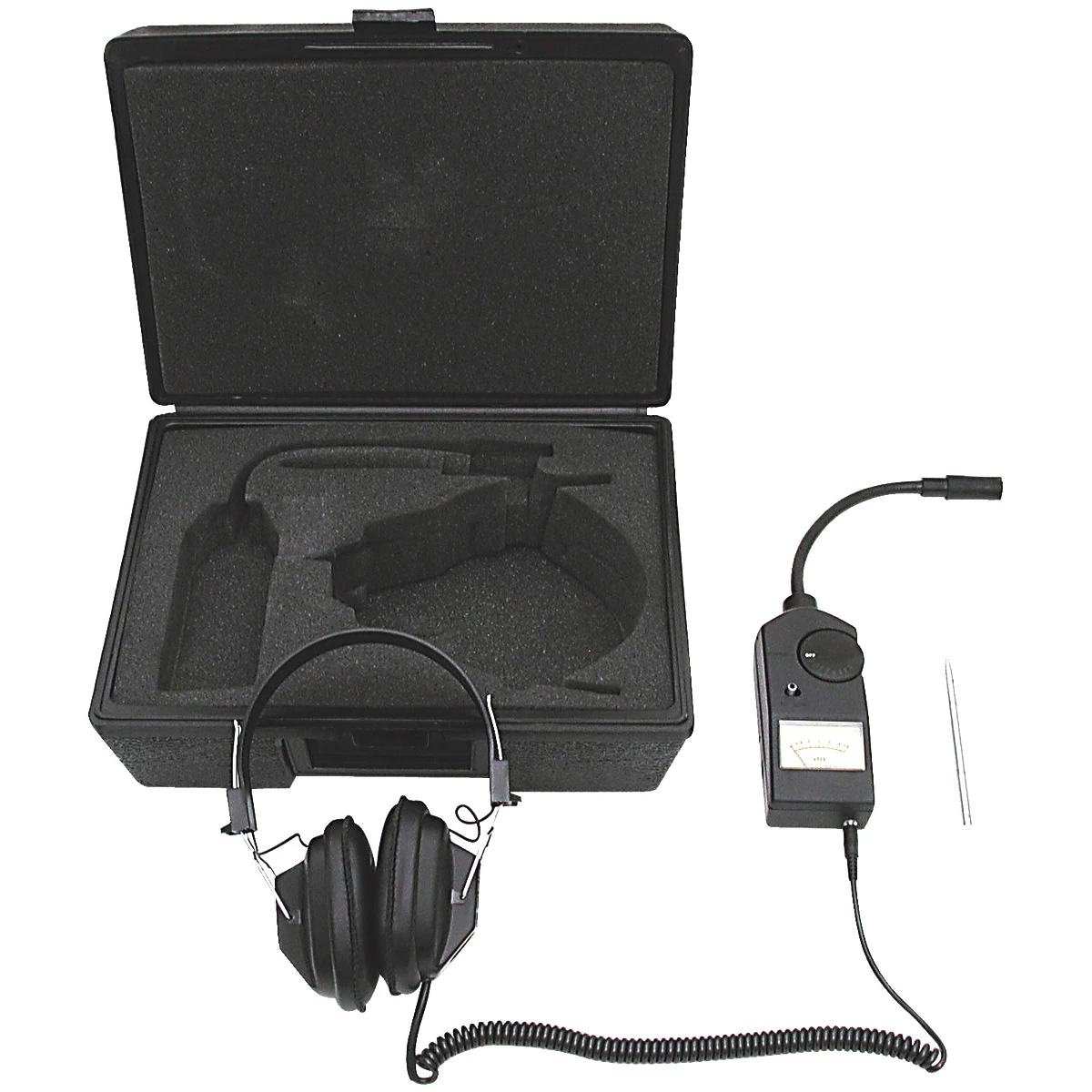
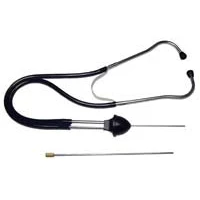
Mechanic's Stethoscope Precision Noise Detection Tool
Mfg: S & G Tool Aid
Part #: 32000
FAQs
Can low oil level alone cause rod knock?
Yes. Insufficient oil volume drops oil pressure at the bearings, breaking down the hydrodynamic film that keeps the rod journal from contacting the bearing shell directly. Sustained low level or pressure will wear a bearing quickly, and in severe cases can cause outright bearing seizure.
Is a confirmed rod knock always a full engine replacement?
Not always, but often. If caught early with minimal damage, some engines can be repaired with a bearing replacement and crank inspection/machining. Once a bearing has spun or metal debris has circulated through the oil system, damage to the crank journal, oil pump, and other bearings usually makes a full rebuild or replacement more cost-effective than a partial repair.
Is it safe to keep driving with a knocking engine?
Only far enough to reach a shop, and only if oil pressure is confirmed normal and the noise isn’t worsening. If pressure is low or dropping, or the noise is getting louder, driving risks a connecting rod breaking through the block — a catastrophic and unrepairable failure. When in doubt, flatbed it.
Does revving the engine to “hear it better” cause more damage?
Yes, and it’s one of the most common mistakes non-techs make. Higher RPM means higher combustion loads on an already-compromised bearing, which accelerates the failure and increases the odds of a rod letting go on the spot.
How much does rod bearing failure typically cost to fix?
Costs vary widely by engine and labor rates, but a full teardown, bearing replacement, and machine work typically runs into several thousand dollars, and a full engine replacement can exceed the value of the vehicle on higher-mileage cars — which is why an accurate diagnosis before committing to repair is worth the extra hour of shop time.
How often should oil level be checked between changes?
For most daily drivers, monthly is sufficient. For vehicles with known oil consumption, towing use, or high mileage, check every 1,000–1,500 miles or at every fuel stop until consumption behavior is well understood.
Diagnostic Tools for Engine Knock Diagnosis
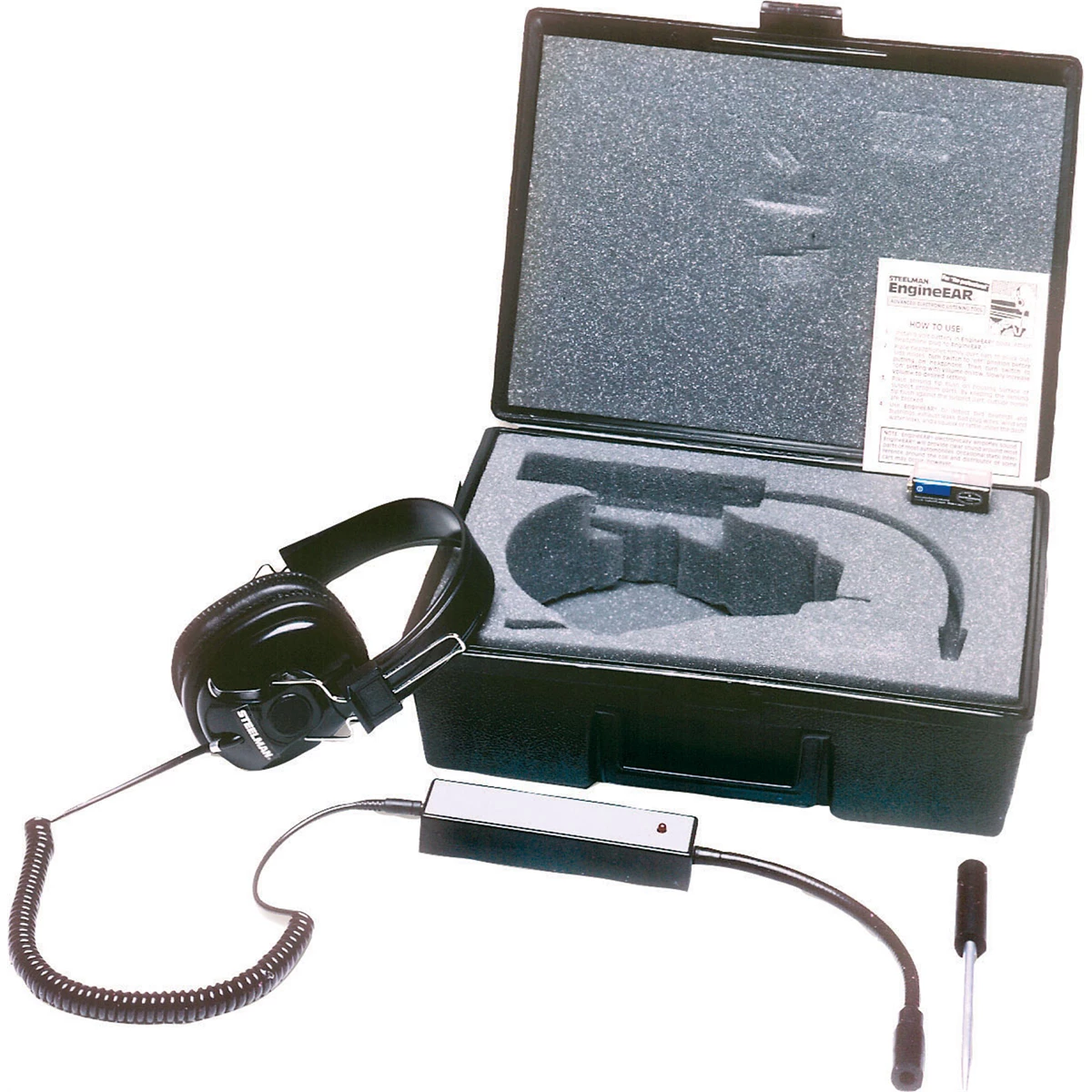
The diagnostic workflow described in this guide depends on three key tools: a mechanic’s stethoscope to localize the noise, an oil pressure gauge to check bearing oil film, and a borescope for direct cylinder inspection. Browse our selection of automotive noise detection tools commonly used in this diagnostic sequence.
- Mechanic’s stethoscopes for pinpointing noise location on the block or top-end
- Oil pressure gauges and measurement kits to confirm bearing lubrication
- Borescopes and inspection cameras for cylinder wall and valve train assessment

The Toolsource Technical Team blends decades of real-world automotive service experience with up-to-date technical research. Our writers collaborate with professional mechanics, shop owners, and diagnostic specialists to deliver practical, workshop-ready guidance you can trust.


Follow us on social media